Ink-purple vitelotte mash, cheese-baked crosnes and salads of sea kale (Crambe maritima), low in nitrates and high in fibre — the forgotten heirloom vegetables taste anything but dull. Find them in good horticulture stores or order them online, and you are rewarded with vitamins, rare savours and plants far more resilient against diseases.
Today, at best, only 60+ different vegetables are grown overall! If you want to do your part in saving ancient heirloom vegetables before they disappear completely, set them up in your garden!
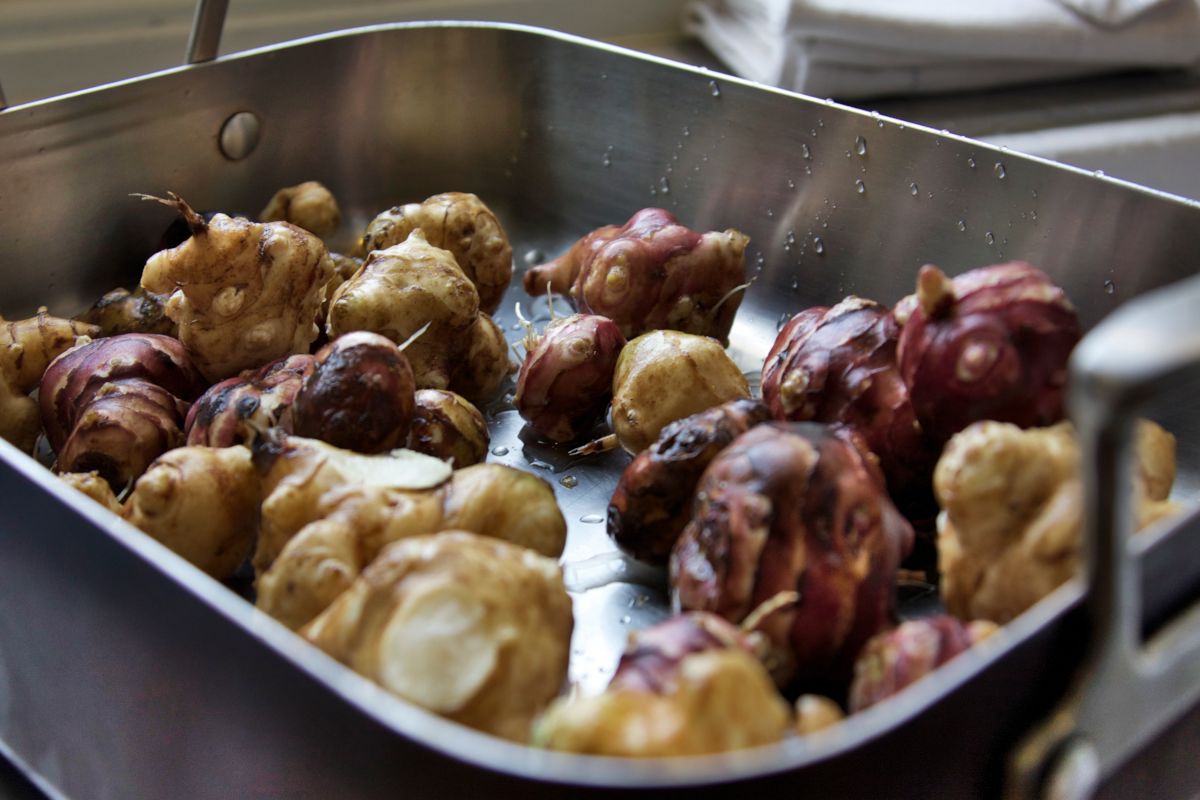
Growing these rare, forgotten vegetable varieties will help boost biodiversity and you’ll also be rediscovering delicious savors in your meals.
Rest assured of one thing: poor culinary value isn’t why these were forgotten, because they taste delicious!
Actually, these are very often the plants in the vegetable patch that contain the highest amounts of vitamins and trace elements.
If you start looking at leaf vegetables, one of your first joys will be the discovery of perennial kale, the
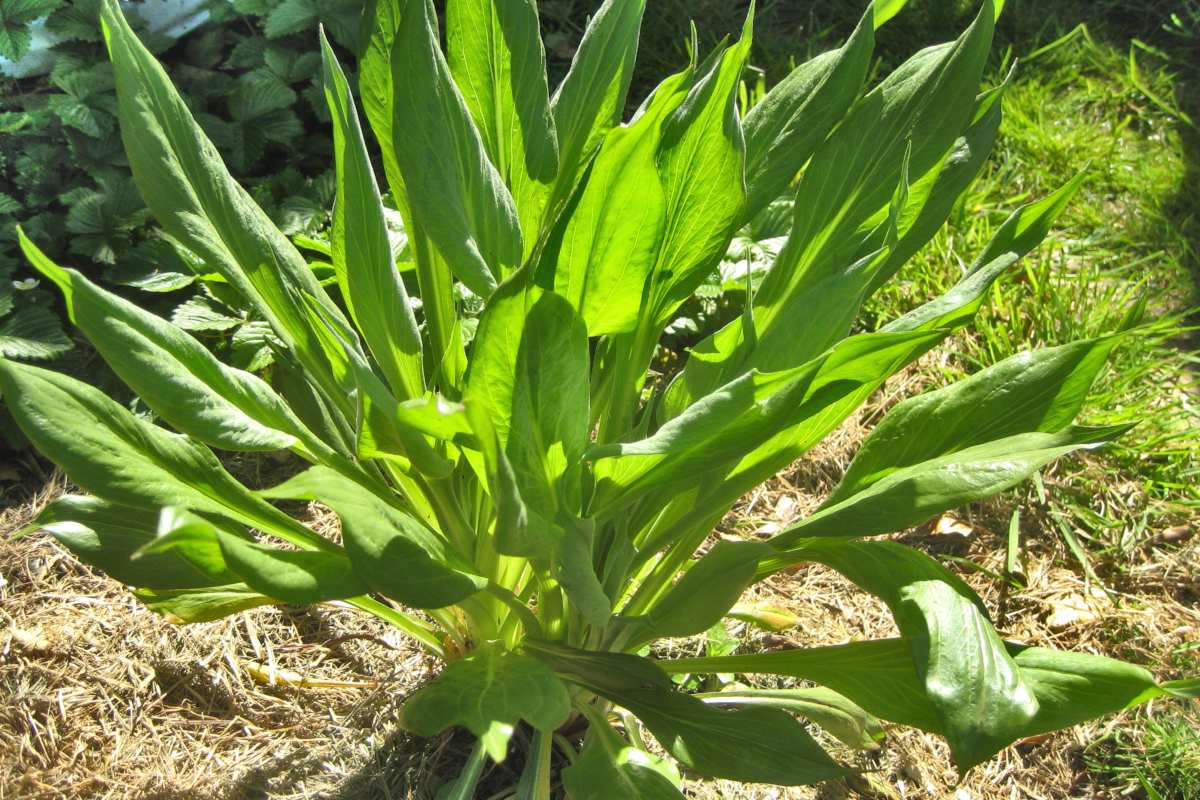
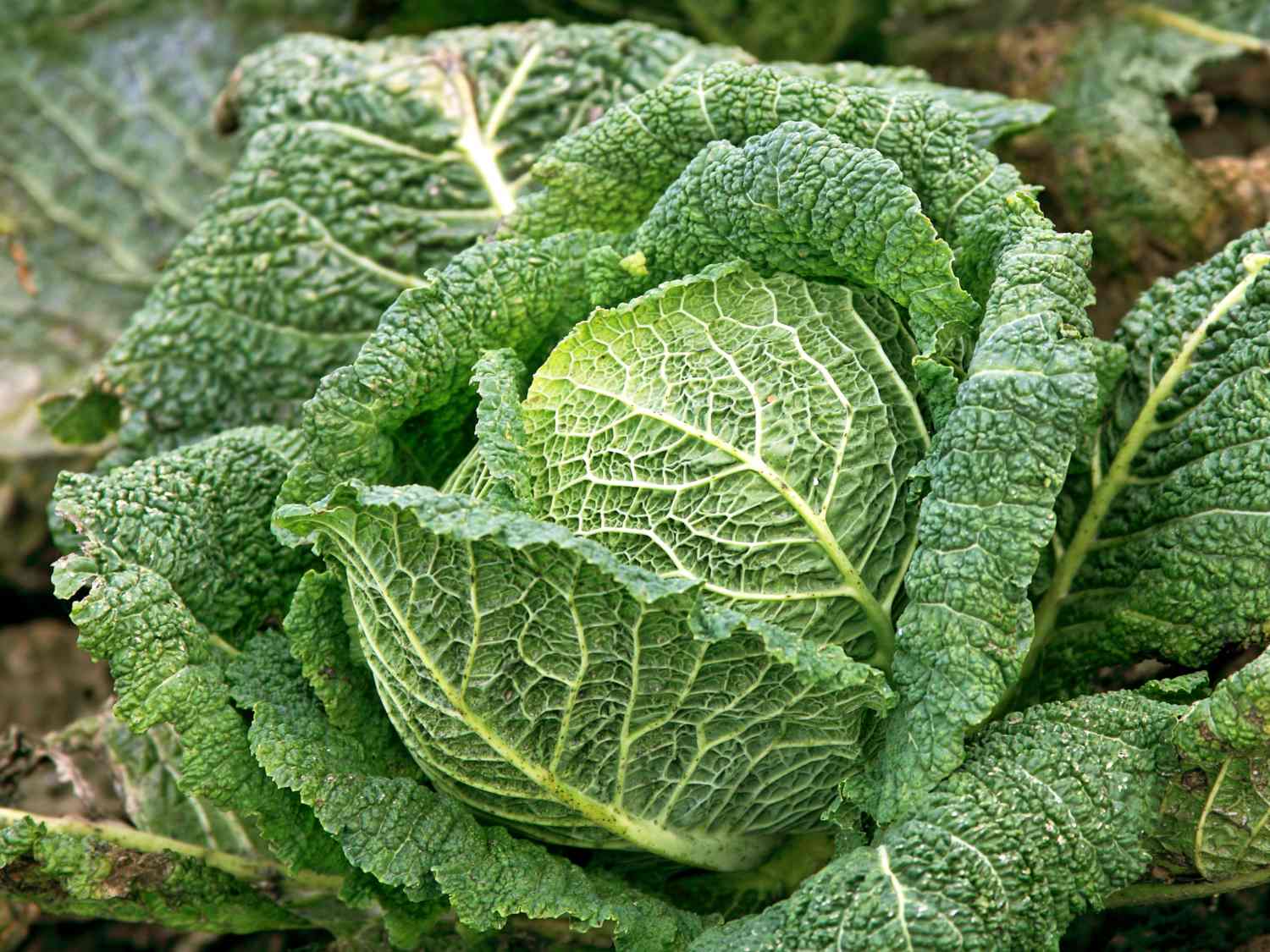
Daubenton kale: it’s a type of cabbage that stays productive all year long, for years on end. Some forgotten varieties were unfairly considered “weeds”, prime examples being stinging nettle and white goosefoot: a pity, since they’re loaded with protein and vitamins!
Still others were simply set aside because they reminded people of darker times, like the war-era Jerusalem artichoke. This particular tuber has a very low glycemic index: it’s perfect to replace high-starch potato for people who have diabetes.
One last significant advantage: since these old-timer vegetables are much more resilient against diseases, they require much less treatments in the garden.
The article names several of these old-timers and what each one brings to the plate. Use the table below to pick the ones that match what you want from your vegetable patch.
| Forgotten vegetable | Type | Nutritional standout |
|---|---|---|
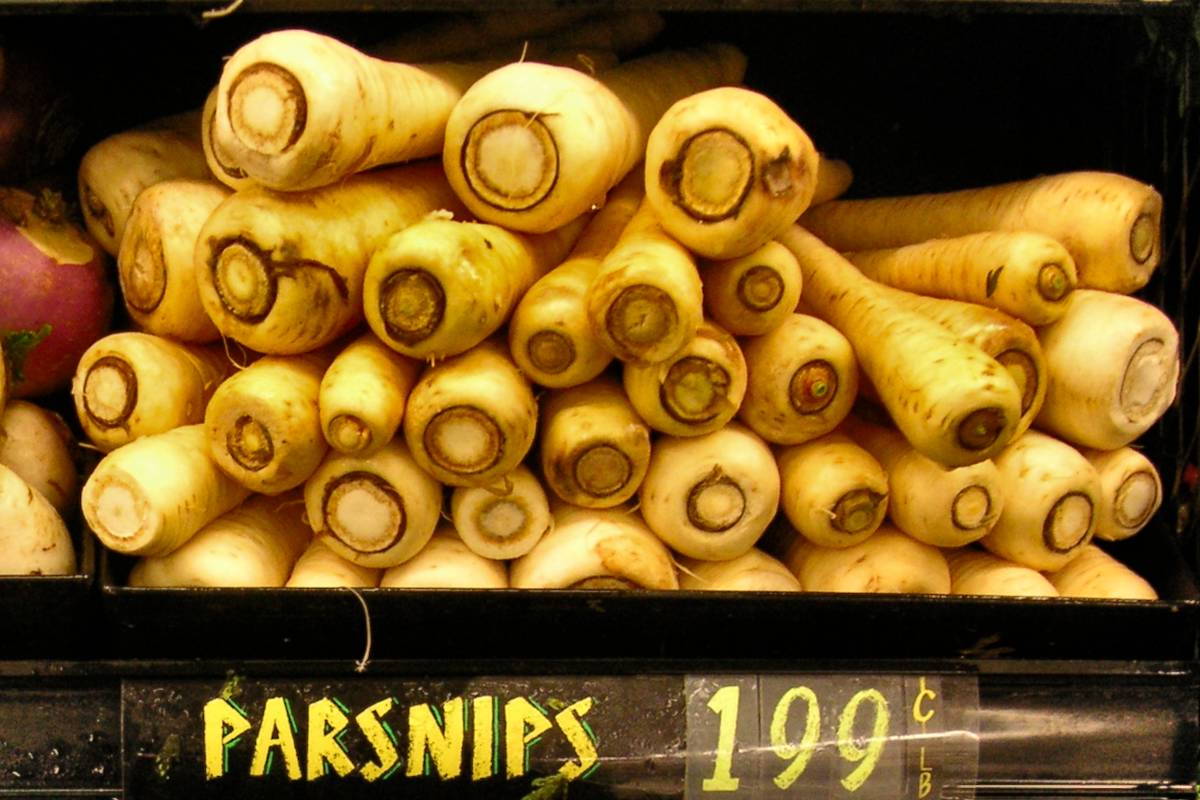
| Parsnip | Root crop | Incredibly high amounts of vitamin C |
| Turnip-rooted chervil | Root crop | Lots of fibre, starch and natural sugars |
| Scorzonera | Root crop | Twice the natural sugar content of salsify |
| Crambe maritima (sea kale) | Leaf and stem crop | Low in nitrates, high in fibre |
| Daubenton (perennial) kale | Leaf crop | A cabbage that cropsleaf all year, for years on end |
| Stinging nettle and white goosefoot | Leaf crop once dismissed as weeds | Loaded with protein and vitamins |
| Jerusalem artichoke | Tuber | Very low glycaemic index, an alternative to potato |
Whichever you choose, all of them ask for less work than modern types, being much more resilient against diseases.
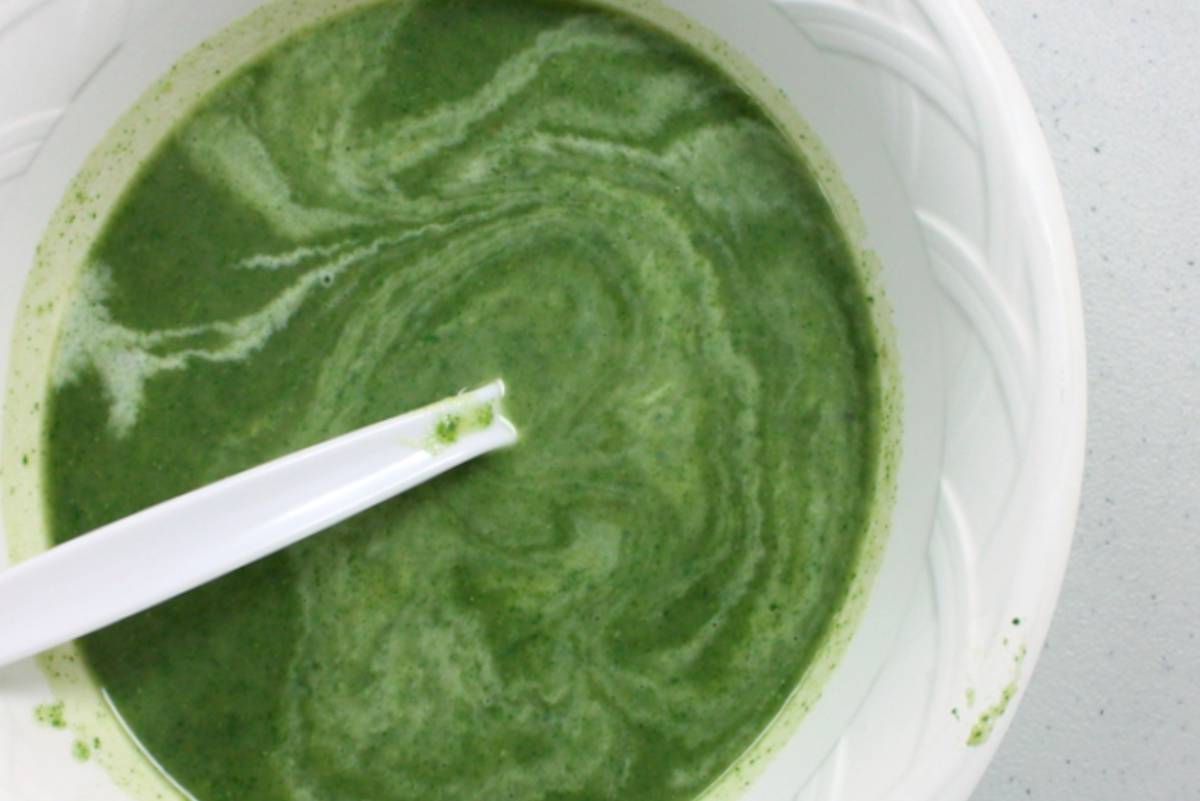
Those with a special spot for great food will love working heirloom vegetables into new, original and extremely tasty culinary recipes. For example, toss up a salad with sea kale or crystalline ice plant, and bake a delicious cheese-lathered dish of crosnes. Surprise your friends with stunningly ink-purple vitelotte mashed potato, or the oyster-tasting roots of Mertensia.
All these ancient heirloom vegetables are often easy to find in good horticulture stores, and you can also easily order them online.
Pierrick Le Jardinier