Your summer garden is producing a second harvest — one most cooks completely ignore. Edible flowers are peaking right now. The flavour window is far shorter than you would think. Pick too late and you forfeit both taste and colour; pick at the right moment and you possess something that genuinely elevates a plate. Here is precisely which flowers to harvest, when, and what to do with them before the heat claims them.
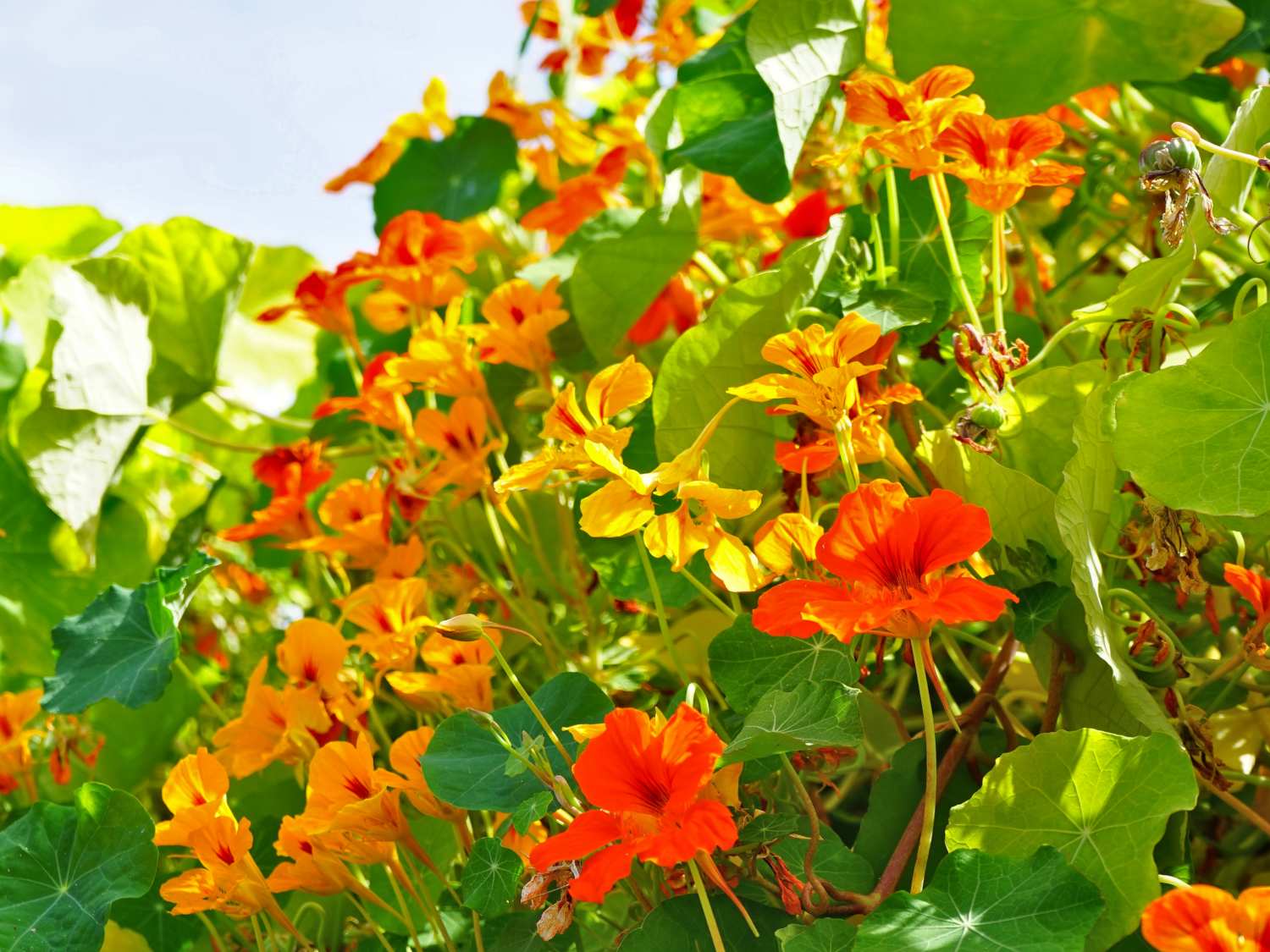
Nasturtiums (Tropaeolum majus) are probably the most versatile edible flower in a summer garden. Peppery, vivid, and with a slight heat that intensifies at the back of the throat — they taste more like rocket (arugula) than any flower you would expect. The entire plant is edible: the flowers, the round leaves, and the unripe seeds. These seeds can be pickled in white wine vinegar for three weeks to create a convincing caper substitute.
Borage (Borago officinalis) is the other non-negotiable one to shoot up deliberately if you do not have it already. The star-shaped blue flowers possess a clean, faint cucumber flavour — mild but unmistakable. Float them in ice cube trays with water and freeze twenty-four hours before a gathering. They come out properly suspended. And they render every cold drink like something from a restaurant terrace.
Calendula petals are the underrated workhorse. Slightly resinous, with a faint bitterness, they were harnessed for centuries as “poor man’s saffron” — scattered through rice dishes and egg-based recipes for colour.
The flavour is subtle enough to disappear into a dish while the orange pigment remains. Pull off the petals from the green base. That green base is genuinely bitter. Do not eat it.
Timing the harvest incorrectly forfeits most of the flavour before you have even reached the kitchen. Pick edible flowers before 9am, ideally when the morning dew has just dried but the sun has not been on the blooms for more than an hour. Volatile aromatic compounds — the essence of fragrance and much of the taste — start degrading under heat. Flowers picked at noon in summer taste noticeably flat compared to the same plant harvested at 8am.
Washing is the second issue. Running water bruises petals within seconds. And it accelerates wilting dramatically.
Instead, shake the flower gently to dislodge any insects. Then use a soft dry pastry brush if you need to spruce up the surface. If you have shot them up yourself without pesticides, a quick visual check is usually all that is required.
Pick blooms the day they fully open. Not the day before, when they are tight. The day after, the petals are already receding; that is a dodgy choice. So that precise moment is when colour and flavour reach their zenith.
Yes, it is fiddly. Worth it. You must check the garden daily. The gulf between a flower at peak and one forty-eight hours past it is visible on the plate.
And if you are also shooting up herbs nearby, harvest your herbs before summer heat steals their flavour. The rules for herbs are bang on the same.
Nasturtiums go directly into salads. But the more compelling application is as a garnish for cold soups — particularly gazpacho or chilled courgette (zucchini) soup — where the peppery note pierces the cream. Stuff larger flowers with soft goat’s cheese mixed with chives and a pinch of lemon zest.
Serve immediately. Stuffed nasturtiums collapse within two hours. They are that fragile.
Borage flowers are almost purely visual in cooked dishes, so use them raw. The ice cube method mentioned above is undeniably reliable.
Alternatively, layer them across the top of a cold rice salad or into cucumber sandwiches. The cucumber-on-cucumber flavour effect is genuinely clever. And it utterly blindsides guests.
Calendula petals prove more resilient than most in warm dishes. Scatter them into scrambled eggs in the last thirty seconds of cooking. Stir them through a simple risotto just before serving. Or use them as a finishing colour on hummus in place of paprika. The thing is, Bouquet garni techniques do not apply here. Use these for finishing, not cooking. Period.
The RHS confirms that violets, pansies, and rose petals are also edible. And rose petals, though, need the bitter white base pulled off before use. For a full list of verified edible species, UC Davis Extension maintains a robust guide covering toxicity and safe preparation.
The harvest window for most edible flowers is four to six weeks in a typical summer. Heat accelerates bolting in many of them. Nasturtiums become rampant in warmth. But borage will bolt quickly, and the flavour in new flowers attenuates distinctly after the plant has set seed.
Deadhead borage every three days. This is non-negotiable for a repeat harvest.
Be vigilant for aphids clustering on nasturtium buds specifically — they are attracted to the glucosinolates that create the peppery flavour, which means the plant functions as an effective sacrificial trap crop. But inspect every flower before it reaches the kitchen. Seriously.
And if summer temperatures soar anomalously high — which El Niño patterns suggest is increasingly likely across much of the Northern Hemisphere this season — move any potted edible flower plants to partial shade by early afternoon. They will yield for a much greater duration.
Southern Hemisphere gardeners: this applies to your December–January, when your summer blooms are at their own peak.

Smart tip: Always harvest edible flowers before 9am — flavour compounds diminish abruptly once heat builds on the blooms.
Nasturtiums, borage, and calendula are the most reliable launchpad — widely grown, easy to identify, and irrefutably vouched for as edible by the RHS and major horticultural extensions. Always confirm identification before eating any flower. No excuses.
No. Full stop. Commercially grown flowers are habitually saturated with pesticides and fungicides not approved for food use.
Only eat flowers you have cultivated personally without chemical treatment, or those sold specifically as food-grade edible flowers. Your health. Your call.
Place stems in two centimetres of cold water, cover loosely with a damp cloth, and refrigerate. Most remain viable for twenty-four to thirty-six hours this way. And then you are sorted.
Borage and nasturtiums are optimally consumed within twelve hours of picking. Beyond that, the quality is not quite right.
Nasturtiums possess a punchy peppery heat, borage expresses unequivocally of cucumber, and calendula offers a mild resinous bitterness. But they are not decorative stand-ins. Used at the right moment, the flavour is real and pronounced enough to ground a dish. It is compelling.