Anthemis punctata subsp. cupaniana: growing guide, care tips and best varieties
·
0
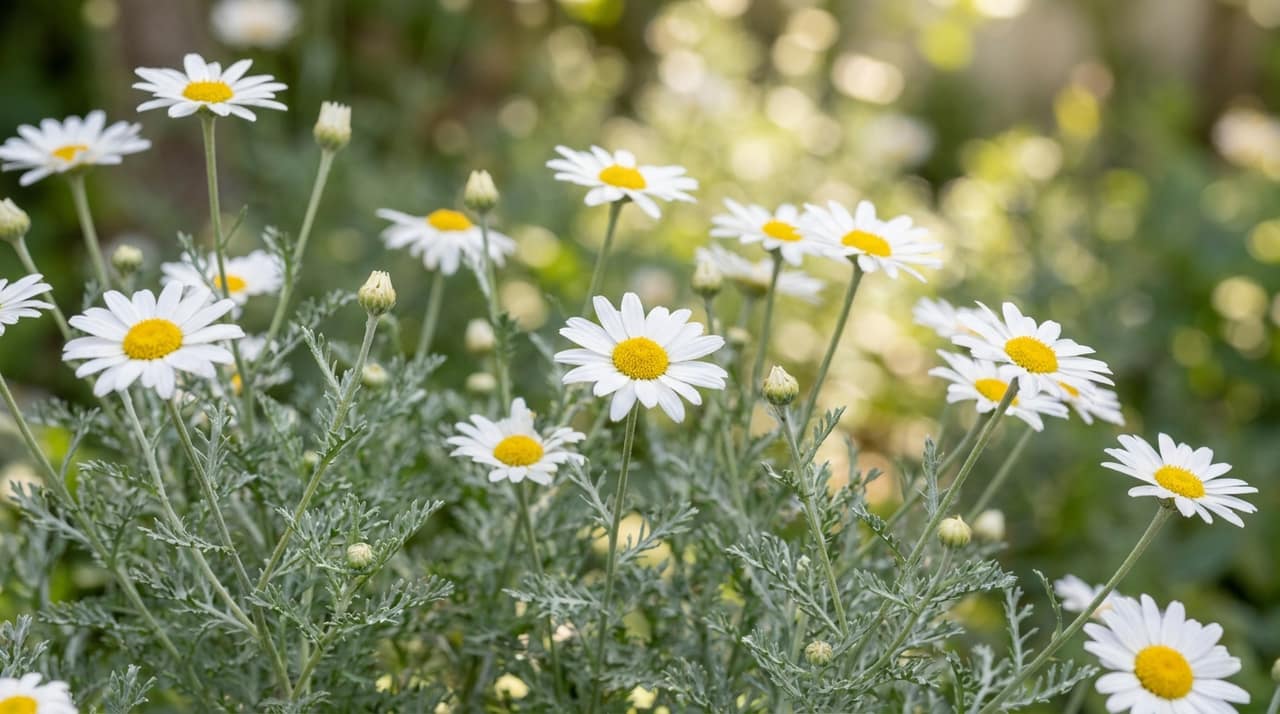
Anthemis punctata subsp. cupaniana is a charming ground-hugging perennial prized for its silvery-green foliage and delicate white daisy flowers. This Sicilian native creates a softly textured carpet ideal for rock gardens, alpine troughs, and Mediterranean borders. Its long flowering season and drought tolerance make it a favourite with gardeners seeking low-maintenance, architectural planting.
Growing conditions
This subspecies demands full sun to perform at its best, requiring at least six to eight hours of uninterrupted sunlight daily. Without adequate light, growth becomes leggy and flowering diminishes significantly. Position it where it receives morning sun to dry off any dew and reduce fungal risk.
Well-drained, gritty soil is essential; heavy clay will cause root rot and shortened lifespan. This plant actually thrives in poor, infertile conditions, mimicking its natural Alpine and Mediterranean limestone habitat. Aim for a neutral to slightly alkaline pH, though it tolerates most soils provided drainage is excellent.
Hardy throughout the British Isles and northern Europe, Anthemis punctata subsp. cupaniana tolerates temperatures to −15 °C with ease. In waterlogged winters, drainage becomes more critical than temperature; good air circulation and raised planting prevent crown rot in damp climates.
How to plant Anthemis
Plant in spring once the soil is workable, or in early autumn to establish a strong root system before winter. Spring planting gives best results in colder regions, whilst autumn suits milder southern gardens.
Space plants 40–50 cm apart to allow room for their spreading habit and air circulation
Plant with the crown level with the soil surface—burying it encourages rot
Incorporate grit or coarse sand into heavy soils at a 1:3 ratio to improve drainage
Water gently after planting and keep moist for the first two to three weeks until established
Divide congested plants every three to four years in spring by carefully teasing apart rooted sections
Care through the seasons
Spring: Begin watering as new silvery foliage emerges; no feeding is needed as poor soil actually enhances flower quality. Remove any winter-damaged material and deadhead early flowers to encourage a second flush. Divide overcrowded clumps in late March when growth restarts.
Summer: Water sparingly once established—this plant is drought-tolerant and resents wet conditions. Deadhead regularly to extend the flowering season into early autumn. In very dry spells, a deep watering once weekly sustains flowering; otherwise, rely on natural rainfall.
Autumn: Continue deadheading until frost threatens to keep the plant compact and tidy. Cut back hard in October or November, leaving just 5 cm of stubble to protect the crown during cold months. No mulching is needed; this encourages rot in the dormant season.
Winter: The plant dies back to a basal rosette and requires no intervention. In areas with severe, wet winters, improve drainage around the crown and ensure good air movement to prevent fungal issues.
Best varieties to grow
The subspecies itself is the standard offering, though a few named selections and similar relatives merit consideration.
Anthemis punctata subsp. cupaniana — The species type; compact and generous with white flowers, perfectly suited to alpine troughs and rock gardens.
Anthemis nobilis ‘Treneague’ — A non-flowering chamomile excellent for fragrant ground cover, though less showy than cupaniana.
Anthemis tinctoria — Taller cousin with yellow daisy flowers and coarser foliage; ideal for borders but less tidy than cupaniana.
Chamaemelum nobile — Roman chamomile; more herbaceous and lower-growing than cupaniana, valued for its apple-scented foliage and tea use.
Pests, diseases and common problems
Root rot: Yellowing foliage and collapse indicate waterlogging or poor drainage. Ensure gritty soil, raise the planting height, and avoid mulching around the crown; standing water is the primary culprit.
Powdery mildew: Fine white coating appears on leaves in humid, poorly ventilated spots. Improve air circulation, thin congested growth, and spray affected foliage with sulphur fungicide in early morning.
Rust: Orange pustules on leaf undersides signal a fungal infection favoured by damp autumns. Remove infected leaves promptly, avoid overhead watering, and ensure good drainage to prevent spread.
Slugs and snails: Young foliage may be nibbled in spring, especially in wet seasons. Remove debris around the base, encourage ground beetles and toads, and handpick slugs at dusk if damage is severe.
Poor flowering: Inadequate light, overfeeding, or overly moist soil suppresses blooms. Relocate to a sunnier spot, avoid fertiliser, and ensure drainage is excellent; lean conditions actually trigger better flowering.