Lysimachia nummularia: growing guide, care tips and best varieties
·
0
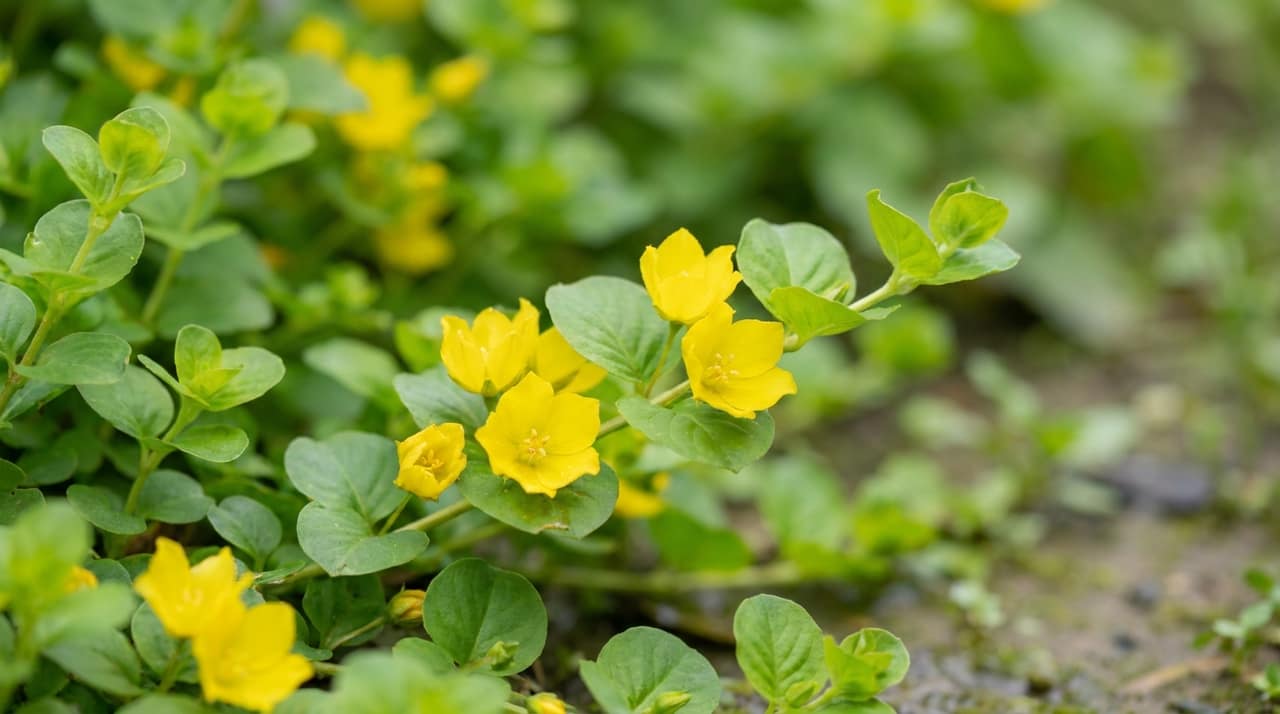
Lysimachia nummularia, commonly known as creeping jenny, is a low-growing herbaceous perennial prized for its cascading trails of bright lime-green foliage and cheerful yellow flowers. This vigorous groundcover thrives in damp spots where other plants struggle, making it an excellent choice for bog gardens, pond edges and shaded woodland borders. Its distinctive coin-shaped leaves and long, wiry stems create a cottage-garden charm that softens hard landscaping and container edges.
Growing conditions
Creeping jenny performs best in partial shade, though it tolerates full shade and even partial sun if kept consistently moist. In hot gardens or full sun positions, the foliage may scorch and bleach; afternoon shade is especially valuable in southern regions. Dappled light beneath trees replicates its natural woodland habitat and preserves the rich green colour.
This plant excels in moist to wet soil and actually prefers poor drainage where other perennials would rot. It is indifferent to pH and grows happily in clay, silty or boggy conditions. Rich, well-amended soil is unnecessary and may encourage excessive vegetative growth at the expense of flowers.
Creeping jenny is fully hardy throughout the UK and northern Europe, surviving temperatures to −15 °C with ease. It is equally at home in mild maritime regions and cold inland gardens, requiring no winter protection or special hardiness considerations.
How to plant Lysimachia
Plant during spring or early autumn when the soil is moist and the plant can establish roots before dormancy or summer heat. Container-grown specimens can be planted year-round provided they are watered well during the growing season.
Space plants 30–45 cm apart if establishing a dense groundcover; wider spacing suits spillover effects in containers or hanging baskets
Set the crown at soil level, neither buried nor proud of the surface; stems root as they spread, anchoring the plant naturally
Amend heavy clay with organic matter only sparingly; the plant thrives where drainage is poor and other species fail
Water thoroughly after planting to settle the soil, then maintain consistent moisture during the establishment phase
Divide mature clumps in spring or autumn by simply pulling apart the rooted stem sections and replanting; this is easier than seed sowing
Care through the seasons
Spring: Tidy away any winter-browned stems and dead foliage as fresh growth emerges. Apply a light mulch of garden compost to suppress weeds and retain moisture, but keep it clear of the crown. No feeding is necessary; the plant prefers modest nutrient levels.
Summer: Ensure consistent soil moisture, particularly in containers and fast-draining positions. Pinch back trailing stems if you wish to encourage bushier growth, or allow them to cascade freely for maximum visual impact. Watch for early signs of powdery mildew in humid conditions and improve air circulation by thinning dense patches.
Autumn: Divide established plants to rejuvenate tired clumps or to increase stock for propagation. Cut back leggy or diseased stems after flowering to tidy the plant and promote compact re-growth. Reduce watering slightly if winter rains are reliable, but maintain moisture in containers.
Winter: Creeping jenny dies down in harsh climates or very cold winters, returning from the roots in spring. In mild regions, it retains some evergreen character. No protection is needed; the plant is entirely self-sufficient.
Best varieties to grow
Several named selections offer subtle variations in foliage colour and habit.
Lysimachia nummularia (species form) — The standard green-leaved type with bright yellow flowers; vigorous and widely available
‘Aurea’ — Luminous golden-yellow foliage that brightens shaded corners; slower-growing and less vigorous than the species, requiring more careful placement to avoid sunscald
‘Golden Loosestrife’ — A similar golden selection with reliable colour retention in partial shade; excellent for container spillover
‘Bash’ — A compact cultivar with deeper green leaves and upright stems; less invasive and neater in formal settings
Pests, diseases and common problems
Powdery mildew: White, dusty coating appears on leaves in humid summers, particularly in dense growth. Thin congested stems to improve airflow and spray with sulphur-based fungicide or a bicarbonate solution (1 tablespoon baking soda, 1 tablespoon horticultural oil per litre of water) every ten days until clear.
Slugs and snails: Soft stems attract molluscs, especially in damp spring weather. Encourage ground beetles and thrushes by leaving undisturbed mulch; hand-pick molluscs at dusk or set beer traps in vulnerable areas.
Chlorosis (yellowing leaves): Iron deficiency appears in severely alkaline soils, though rare because the plant tolerates poor conditions. Apply chelated iron as a foliar spray or rake back mulch to improve air circulation and reduce waterlogging stress.
Excessive vegetative growth: Overly rich soil or high-nitrogen fertiliser encourages sprawling foliage at the expense of flowers. Allow the plant to grow in modest, unamended soil and resist the urge to feed; thinning in mid-summer also improves flowering.