Geranium sanguineum: growing guide, care tips and best varieties
·
0
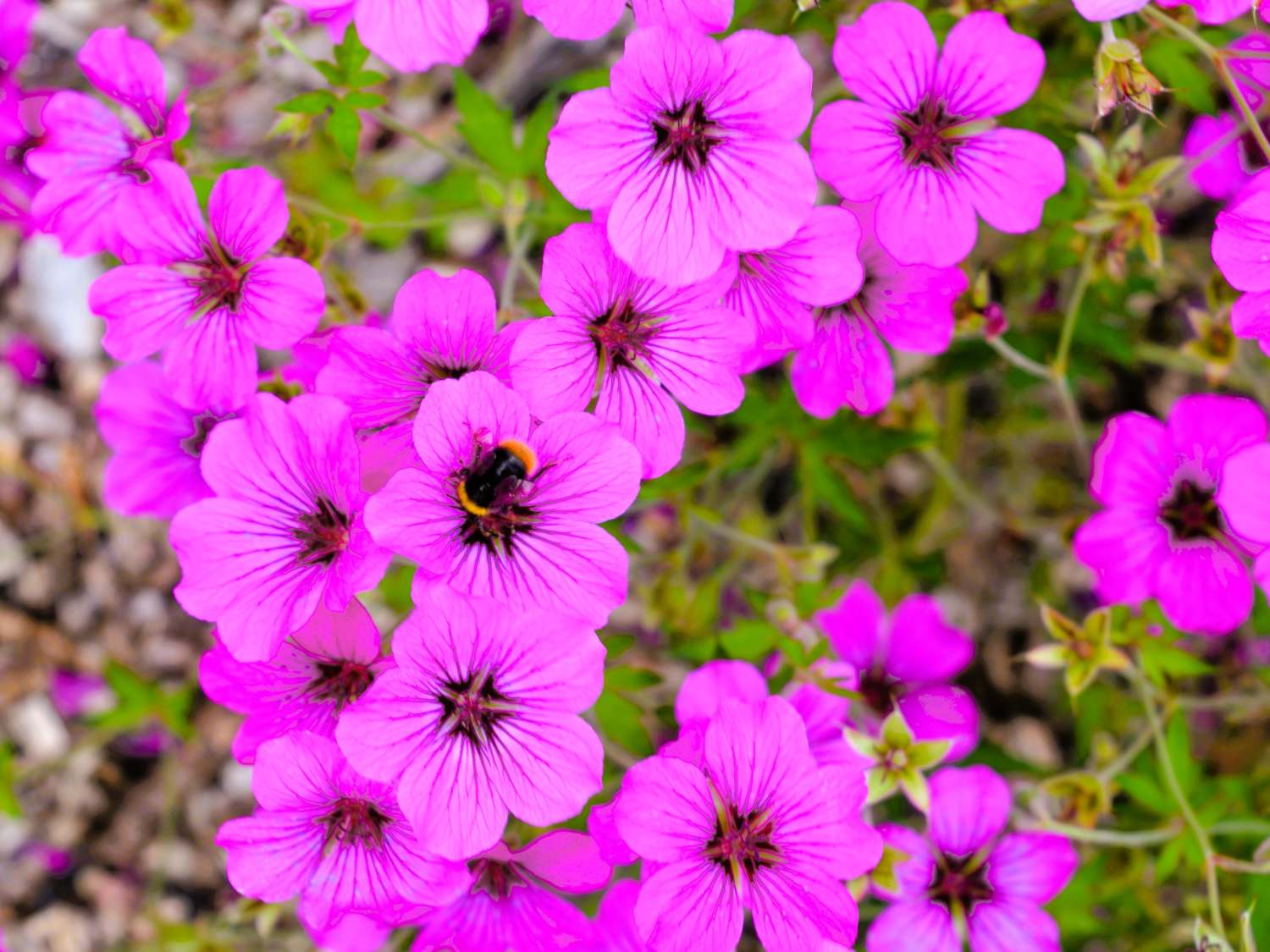
Geranium sanguineum, commonly known as Bloody Cranesbill, is a low-growing perennial prized for its vibrant magenta-pink flowers and finely cut foliage. This hardy, sun-loving plant is invaluable in cottage gardens, rock gardens, and as groundcover, blooming prolifically from late spring through summer. Its distinctive deeply lobed leaves turn rich russet tones in autumn, adding year-round visual interest.
Growing conditions
Geranium sanguineum thrives in full sun to partial shade, producing the most abundant flowers in bright conditions. In hot climates, afternoon shade helps protect blooms from scorching and extends the flowering season.
This robust perennial is remarkably undemanding regarding soil type, tolerating poor, sandy, chalky, and even clay soils provided drainage is adequate. It prefers neutral to slightly alkaline pH but adapts well across a range; avoid wet, waterlogged conditions which encourage root rot.
The plant is fully hardy throughout the British Isles and northern Europe, requiring no winter protection. It performs excellently in coastal gardens and windy sites, making it ideal for challenging locations where many perennials struggle.
How to plant Geranium
Plant Geranium sanguineum in autumn or early spring when soil is moist and workable. Autumn planting allows roots to establish before the growing season begins, resulting in stronger plants.
Space plants 45–60 cm apart to allow for mature spread and air circulation
Plant with the crown at soil level—do not bury the base of the plant
Enrich poor soils with garden compost or well-rotted manure to improve structure and drainage
Water in thoroughly after planting and maintain moisture during the first growing season
Divide established plants in spring or autumn every three to four years to rejuvenate clumps and create new plants
Care through the seasons
Spring: As new growth emerges, apply a balanced granular feed or scatter compost around the plant base. Remove any winter-damaged foliage once frost risk passes. Deadhead faded flowers regularly to encourage continuous blooming throughout the season.
Summer: Water during prolonged dry spells, though established plants are drought-tolerant once roots are deep. Deadhead spent flowers weekly to maintain vigour and extend flowering. If plants become leggy or overgrown, trim back lightly to promote bushier growth.
Autumn: As foliage colours beautifully, allow some flowers to set seed for self-sowing if desired. Cut back hard to ground level in late autumn once frost has blackened the foliage, or leave stems standing for winter structure. Divide congested clumps in early autumn, replanting vigorous outer sections.
Winter: The plant is dormant and requires no intervention. No mulch or protection is necessary; in fact, heavy mulch may encourage rot in winter wet.
Best varieties to grow
Several cultivars and related forms offer subtle variations in colour and habit.
Geranium sanguineum var. striatum (syn. lancastriense) — A delicate form with pale pink flowers delicately veined in deeper red, more refined than the species.
Geranium sanguineum ‘Max Frei’ — Compact and vigorous with intense magenta flowers and excellent disease resistance; RHS AGM.
Geranium sanguineum ‘Shepherd’s Warning’ — Dwarf cultivar reaching only 20 cm, ideal for rock gardens and containers.
Geranium sanguineum ‘Vision Pink’ — Pale pink flowers with deeper veining, more subtle colouring for coordinated planting schemes.
Pests, diseases and common problems
Powdery mildew: White coating on leaves occurs during warm, humid summers. Improve air circulation by thinning growth, and spray affected plants with sulphur dust or fungicidal soap if necessary.
Geranium sawfly larvae: Leaves become skeletonised with transparent patches. Remove infested foliage promptly and encourage natural predators; severe infestations may require neem oil application.
Root rot: Sudden wilting and yellowing indicate waterlogged soil. Improve drainage, avoid overwatering, and ensure crown is not buried too deeply in heavy clay soils.
Poor flowering: Lack of blooms results from insufficient light or excessive nitrogen feeding. Relocate to sunnier positions and apply potassium-rich fertiliser instead of balanced feeds.
“`
🌿 Nature & Garden Newsletter
Gardening tips, recipes & seasonal advice, twice a week.