Abelia mosanensis: expert tips for growing this fragrant shrub
0
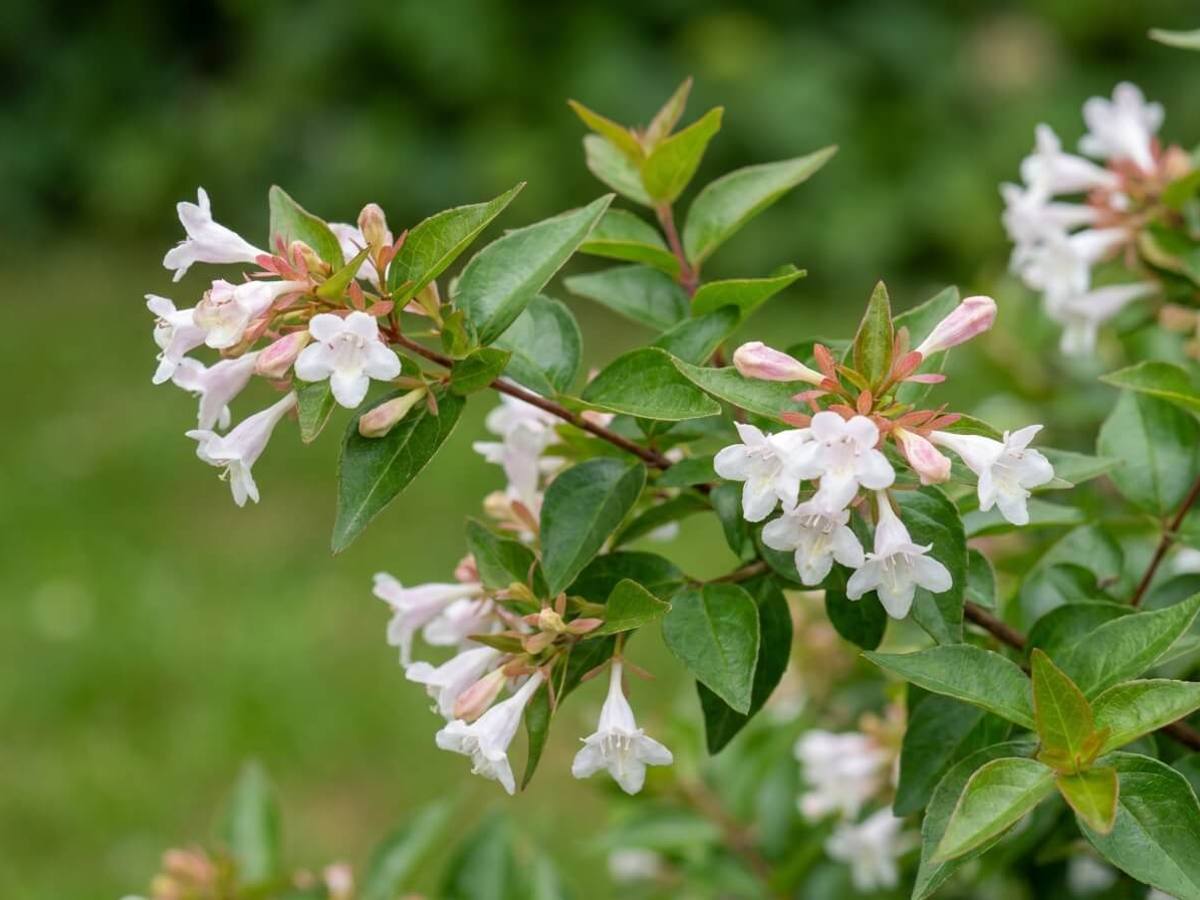
Few deciduous shrubs match the sheer carrying power of the scent produced by Abelia mosanensis, whose clusters of blush-pink tubular flowers perfume the garden in late spring with a sweetness somewhere between daphne and lilac. It makes a superb informal specimen beside a path, seat or doorway, following its flowers with glossy foliage that turns fiery orange-red in autumn. Most remarkably for an abelia, it is genuinely cold-hardy, shrugging off temperatures that would kill the familiar glossy abelias.
Growing conditions
Give fragrant abelia as much sun as you can. Full sun produces the densest habit, the heaviest flowering and the best autumn colour, whilst plants in more than about three hours of shade become leggy and flower sparsely. A sheltered position near a wall, terrace or gateway concentrates the fragrance where you will actually enjoy it.
Almost any reasonably fertile, free-draining soil suits it, including clay loams and chalk, provided water does not sit around the roots in winter. A pH between 6.0 and 7.5 is ideal, though it is not fussy. Heavy, compacted ground should be improved with grit and well-rotted organic matter before planting.
This is the hardiest abelia in general cultivation, reliably surviving hard continental winters and cold, exposed gardens where Abelia × grandiflora is cut to the ground. In very mild maritime areas it performs well but autumn colour tends to be less intense.
How to plant Abelia
Autumn and early spring are the best planting times, when the soil is warm but rainfall is reliable, allowing roots to establish before flowering or summer heat. Container-grown plants can go in at any frost-free time if you can water consistently.
Space plants 1.5–1.8 m apart as specimens, or 1.2 m apart for an informal flowering screen, since the arching stems need room to show their shape.
Plant so the top of the rootball sits level with the surrounding soil — never bury the crown, which invites rot.
Fork over an area two to three times the width of the rootball and mix in a couple of spadefuls of garden compost or leaf mould.
Water in with at least 10 litres, then mulch 5–7 cm deep with bark or compost, keeping the mulch clear of the stem bases.
Propagate from softwood or semi-ripe cuttings taken from late June to August; 10 cm tip cuttings in gritty compost root readily in a covered propagator.
Abelia mosanensis growing in a naturalistic garden border
Care through the seasons
Spring: Scatter a balanced general fertiliser or a mulch of compost around the drip line as buds swell in March. Resist all temptation to tidy the shrub with secateurs — the flower buds are already sitting on last year’s wood. Watch for aphids clustering on the soft new shoot tips and wash them off with a jet of water.
Summer: Prune immediately after flowering finishes, usually in June, removing spent flowering shoots and up to one fifth of the oldest stems at the base to keep the plant open and youthful. Water newly planted specimens deeply once a week in dry spells for their first two summers; established plants are notably drought-tolerant. Shoots produced after this pruning will carry the following spring’s flowers.
Autumn: Enjoy the orange, bronze and burgundy leaf colour, which is at its best on plants in sun and slightly lean soil. Top up mulch after leaf fall, and plant or move specimens whilst the soil is still warm. No cutting back is needed at this point in the year.
Winter: The bare, honey-brown stems with their persistent reddish calyces are quietly attractive and need no protection in the open ground. Container plants should be moved to a sheltered spot, as roots in pots are far more vulnerable to freezing than those in soil.
Best varieties to grow
Named selections are few, so the straight species is still the mainstay — but these are worth seeking out.
Abelia mosanensis (species) — the benchmark: upright to arching, 2 m tall, with the strongest fragrance and dependable autumn colour.
Abelia mosanensis ‘Bridal Bouquet’ — a more compact, denser selection at around 1.2–1.5 m, better suited to smaller gardens and large containers.
Abelia mosanensis ‘Fragrant Abelia’ — a trade name applied to selected seedlings with particularly heavy flowering; buy in bloom to judge scent for yourself.
Zabelia triflora — a close Himalayan relative with narrower leaves and equally powerful scent, useful where a taller, more open shrub is wanted.
Pests, diseases and common problems
Aphids: Distorted, sticky young shoots in spring and early summer. Dislodge with water, encourage ladybirds and hoverflies, and avoid high-nitrogen feeds that force soft growth.
Powdery mildew: A greyish-white bloom on leaves in hot, dry summers, especially on congested or dry-at-the-root plants. Thin out crowded stems after flowering to improve airflow and mulch to conserve soil moisture.
Root rot and winter dieback: Yellowing leaves and collapsing stems where drainage is poor. Plant on a slight mound in heavy soil, and never leave pots standing in trays of water over winter.
🌿 Nature & Garden Newsletter
Gardening tips, recipes & seasonal advice, twice a week.