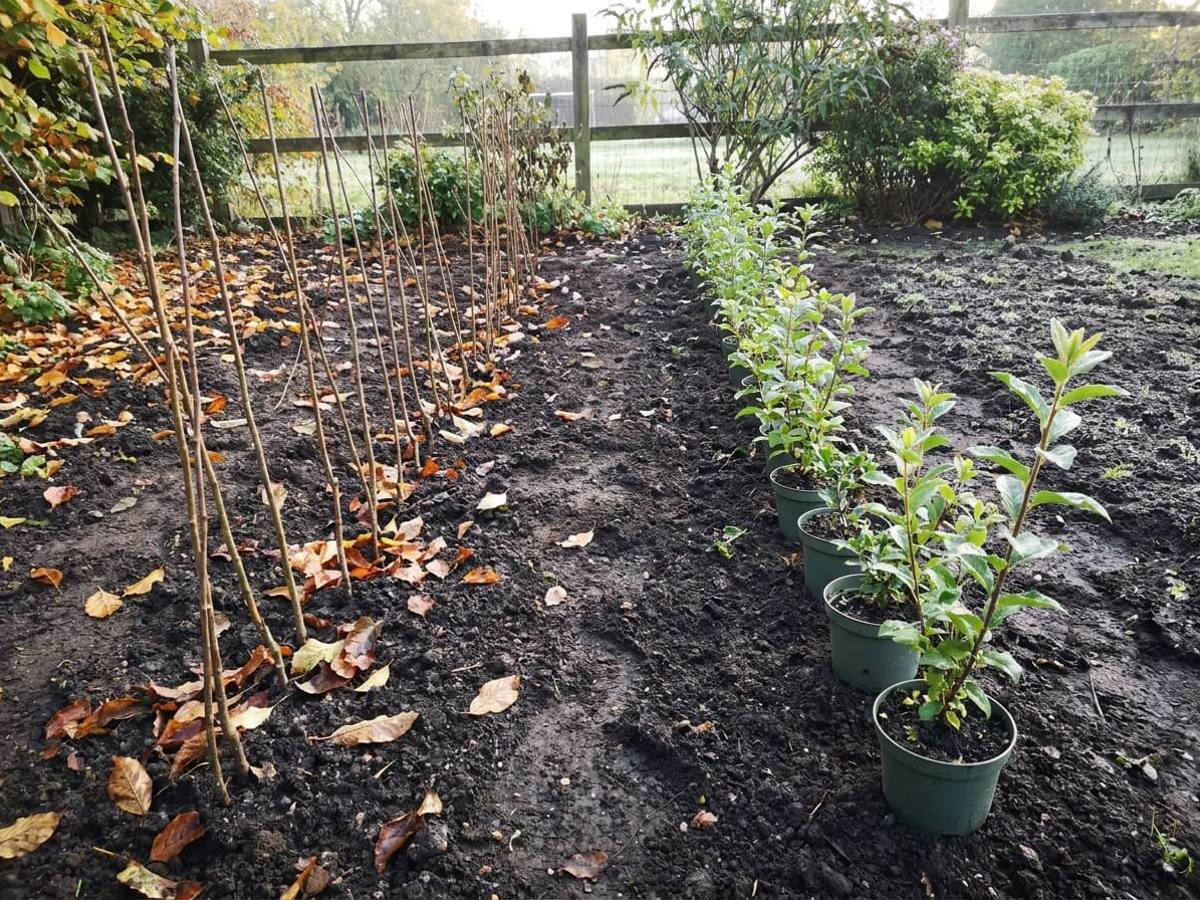
Autumn-planted hedging vs spring planting: which establishes stronger?
0
As September arrives and soil temperatures begin their slow descent, gardeners across the UK and US face a critical decision: plant hedging now, or wait until spring? New research comparing autumn and spring establishment of beech, hawthorn, and holly reveals a clear winner for root development and winter survival. If you’re planning a boundary or screen, this timing choice could determine success or disappointment within twelve months.
Autumn planting captures a window spring gardeners miss
September and October mark the ideal moment for establishing hedging across the UK and US. Soil remains warm enough to encourage active root growth, yet air temperatures are cool enough to slow top-growth, allowing the plant to invest energy underground. This underground race matters far more than most gardeners realise.
Why root establishment before winter creates stronger hedges
When beech, hawthorn, or holly are planted in autumn, their roots anchor into warming soil and continue to extend throughout autumn and early winter, even whilst the aerial parts rest. By the time spring arrives, these plants have already established themselves. Spring-planted hedging, by contrast, must simultaneously cope with new establishment and the sudden demands of leaf production, often leaving roots shallow and vulnerable to drought stress through the following summer.
Research comparing survival rates shows autumn-planted hedging achieves 85-92 per cent establishment by the following autumn, whilst spring-planted stock typically reaches only 75-80 per cent. Winter dieback also differs notably: autumn plantings experience minimal losses, whilst spring-planted hedging often suffers 10-15 per cent casualty rates from late frosts or early drought.
Prepare your hedging line in September: practical steps
Success depends on preparation rather than luck.
Clear and measure your site, removing perennial weeds and compacted soil at least two weeks before planting to allow settlement.
Amend your planting line with compost or well-rotted manure, working it into the top 30 centimetres to improve water retention and soil structure.
Source bare-root stock from specialist suppliers rather than container-grown hedging, as bare-root plants establish faster when planted in autumn.
Soak bare-root plants for two hours before planting, then firm soil around them and water thoroughly, creating a dish-shaped depression to catch rainfall.
Monitor progress through winter and into spring
Autumn-planted hedging should show new growth by mid-spring, with visible leaf emergence within 8-12 weeks of planting. Watch for signs of stress such as wilting or browning during late winter if soil freezes hard, and water during any prolonged dry spell (below 15 millimetres of rain weekly). By early summer, your autumn-planted hedges will have established enough to tolerate the first full growing season with confidence.
🌿 Nature & Garden Newsletter
Gardening tips, recipes & seasonal advice, twice a week.
🌿 Nature & Garden Newsletter
Gardening tips, recipes & seasonal advice, twice a week.
🌿
Get our gardening tips, recipes and seasonal advice
Subscribe to Nature & Garden Newsletter — twice a week, no ads.