Sometimes, it’s better not to prune than to prune wrong. Before going crazy with your hand pruner in the garden, learn why to prune and the do’s and don’ts of pruning.
Read also:
It has several goals: guide the growth of the shrub or tree, give it a harmonious bearing or shape, stimulating the blooming and removing diseased or dead branches. It must also bring light to the heart of the plant “like a bowl” to increase exposure to sun and reduce stagnating air that makes the plant prone to diseases. Lastly, it has the goal of removing weak branches that would not hold under the weight of snow.
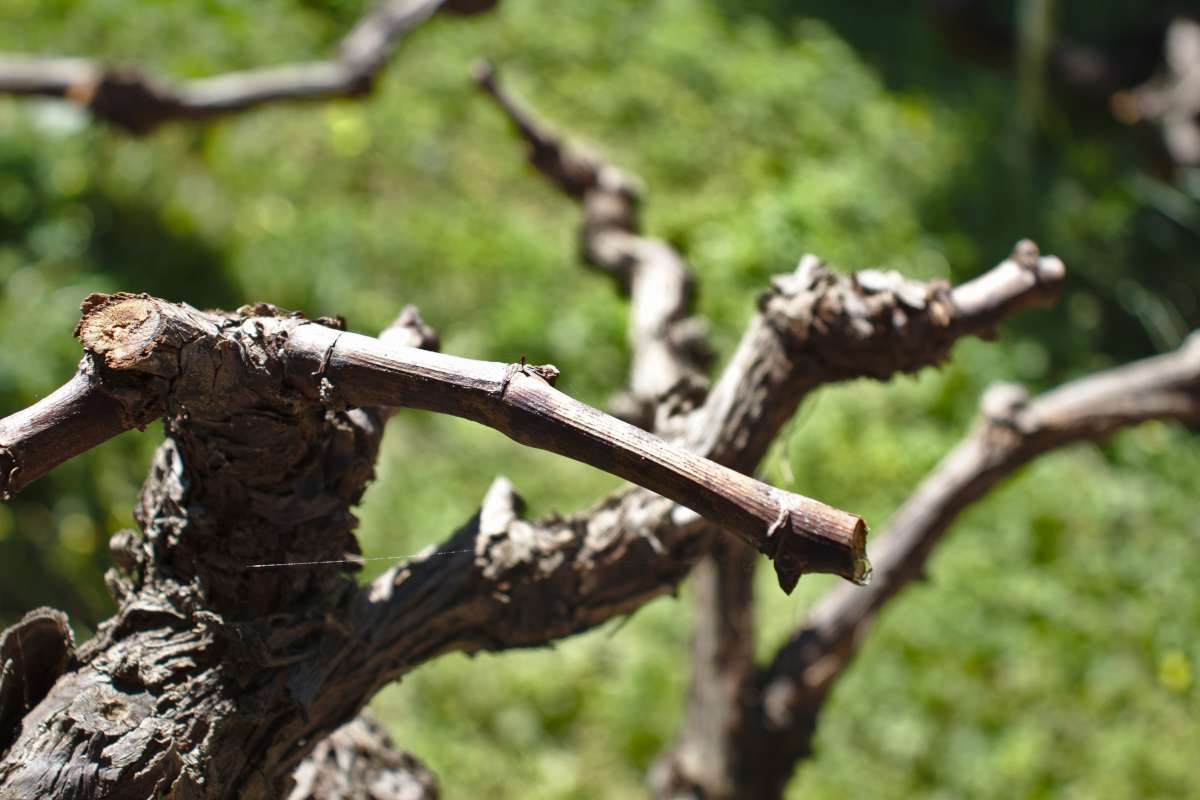
It all depends on the blooming. If flowers appear in spring, you’ll wait for the end of the blooming to prune (otherwise, you’ll be removing the future flowers). However, it they appear later in summer, you can prune in the fall and even in spring, because cut flower buds will have time to regenerate.
What about trees or shrubs that don’t produce flowers of ornamental value? Prune your deciduous plants in fall or early spring, and conifers at the end of spring.
Of course, this seems a bit too simple… Let’s add all the special cases now! The following trees needn’t be pruned: fir, albizia, birch, camellia, catalpa, cedar, davidia, spruce, ginkgo, beech, sweetgum, magnolia, mahonia, walnut, pine, tulip tree…
The right moment to prune depends almost entirely on when, and whether, the plant flowers. Find your plant in the table below before picking up the pruner.
| Type of plant | When to prune | Why then |
|---|---|---|
| Spring-flowering trees and shrubs | Once flowering has finished, in late spring | Pruning earlier removes the flower buds already formed |
| Summer-flowering trees and shrubs | Mid-autumn, or early spring | Cut flower buds have time to regenerate before flowering |
| Deciduous plants without ornamental flowers | Mid-autumn or early spring | No bloom to protect, so pruning follows the dormant season |
| Conifers | Late spring | Cut at the close of spring rather than with the deciduous plants |
| Fir, birch, camellia, magnolia, walnut, ginkgo and others | No pruning needed at all | These trees simply don’t require the cut |
When in doubt, remember that it is sometimes better not to prune than to prune wrong.
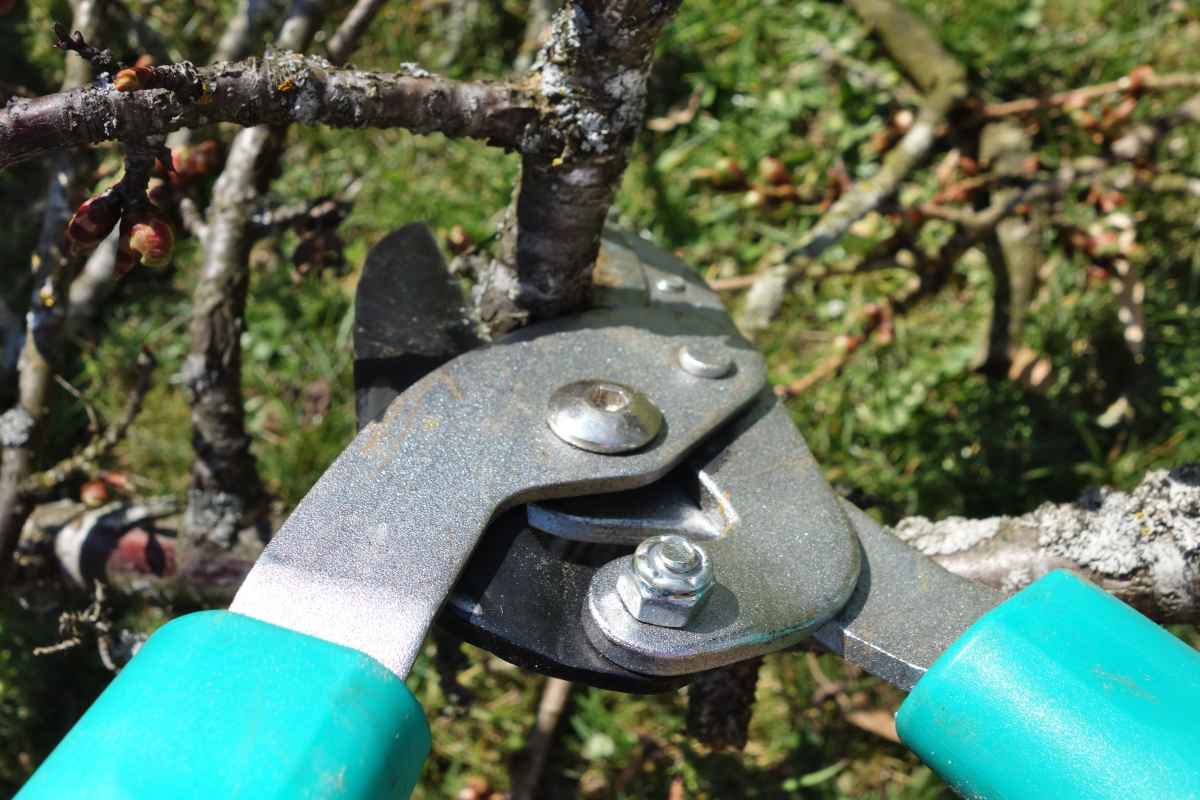
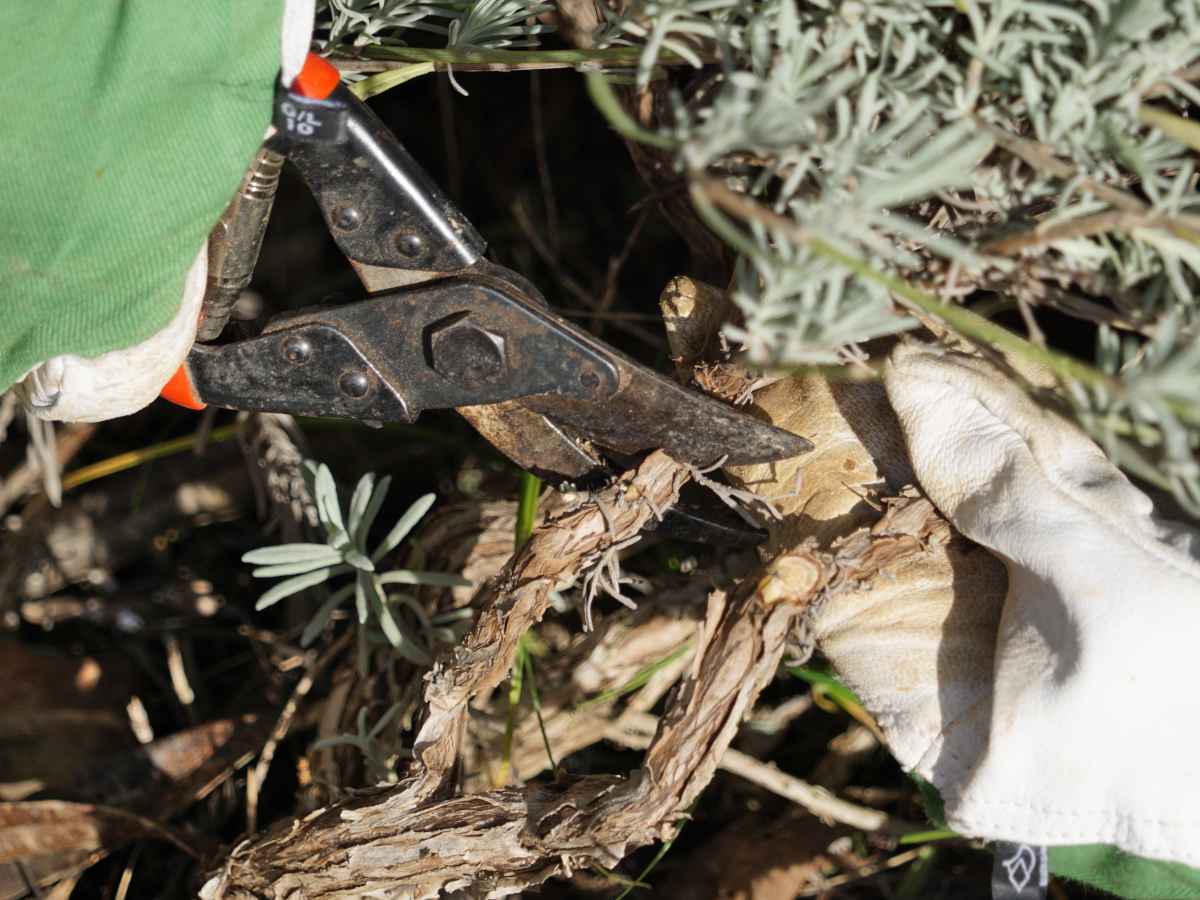
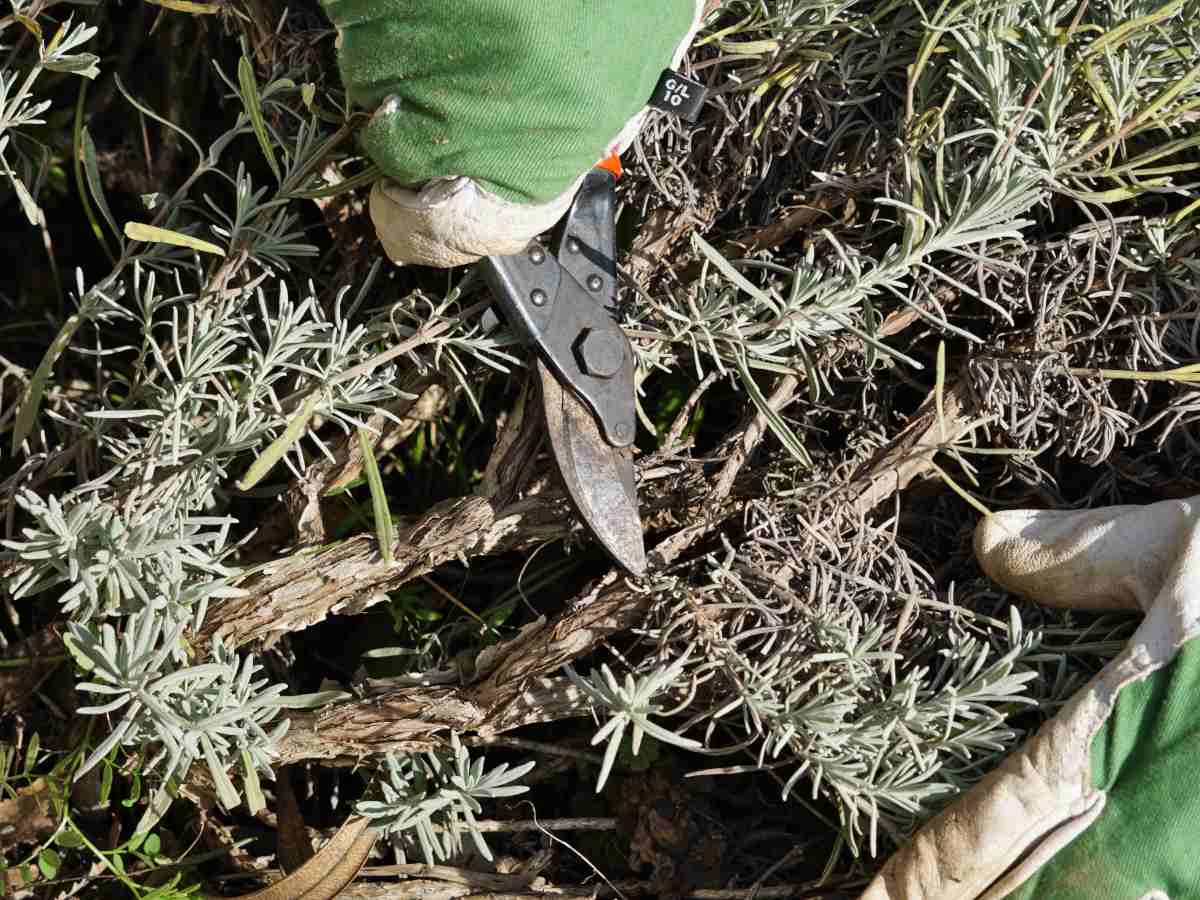
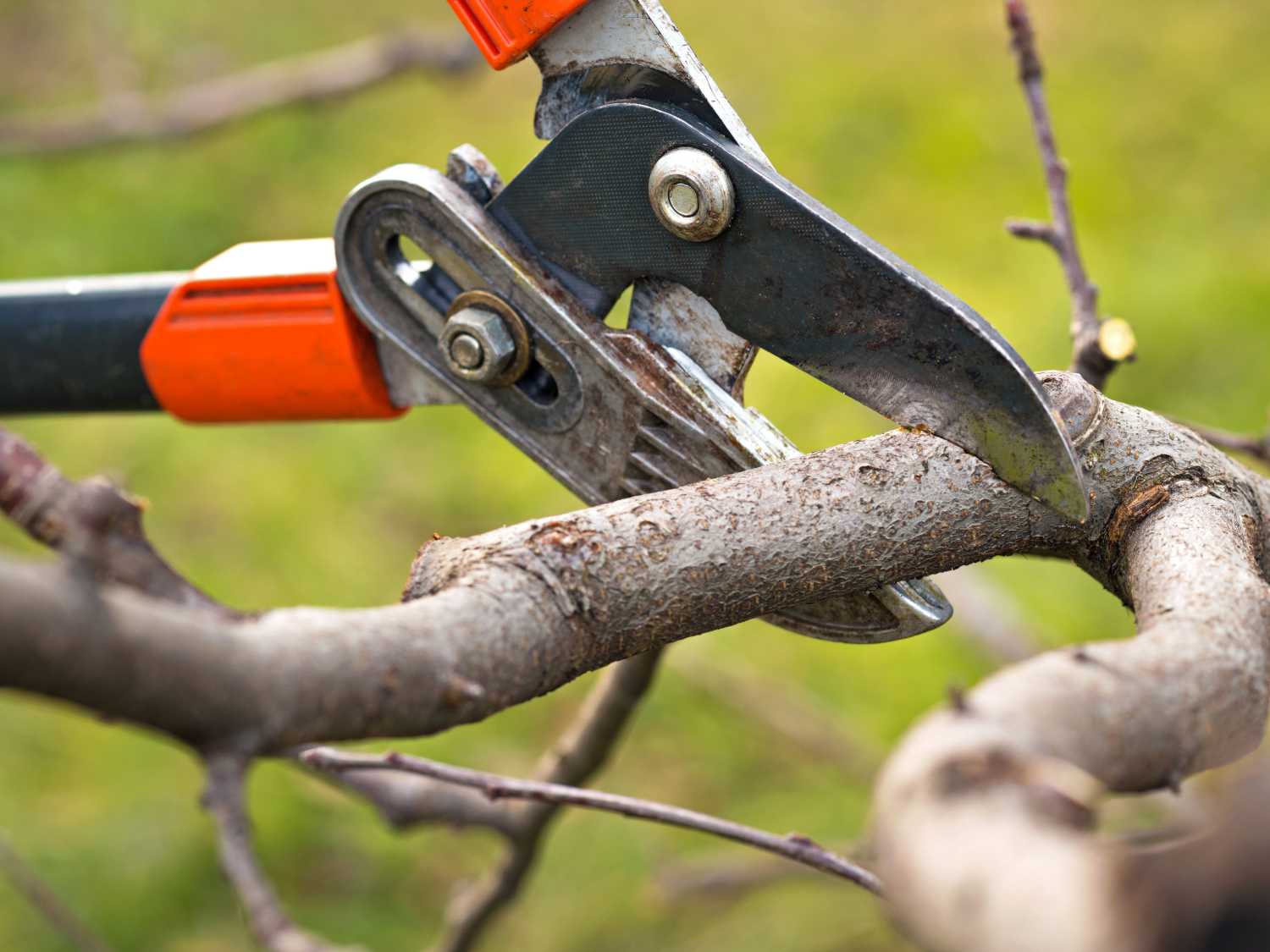
To get a straight, clean cut that will heal fast, hold the hand pruner with the blade against the tree and the anvil on the side of the branch that will be cut.
Disinfect your tools properly after each cut or at least after each plant, to avoid spreading bacteria and fungus spores. For larger branches, use two-hand lopers.
Also, spread wound healing pruning paste (pine tar) on the cut wounds to shut out diseases.
Pierrick Le Jardinier