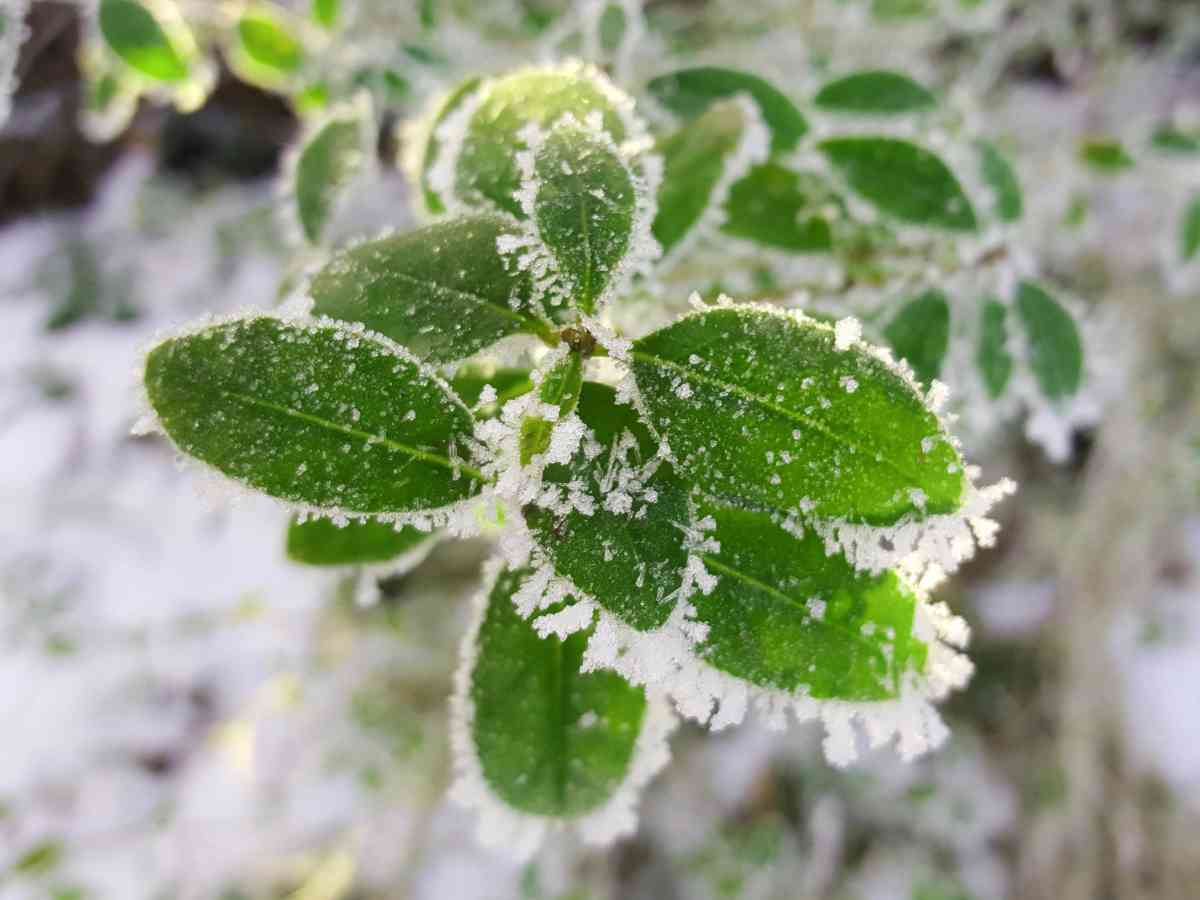
Brrr, winter is just along the corner, bringing along those cold temperatures and foul weather. Not all plants can cope when the outdoors gets colder than freezing. Luckily, there are quite a few cold-resistant plants for the garden.
Discover our selection!
What is a hardy plant?
A label’s figure is the coldest temperature survived
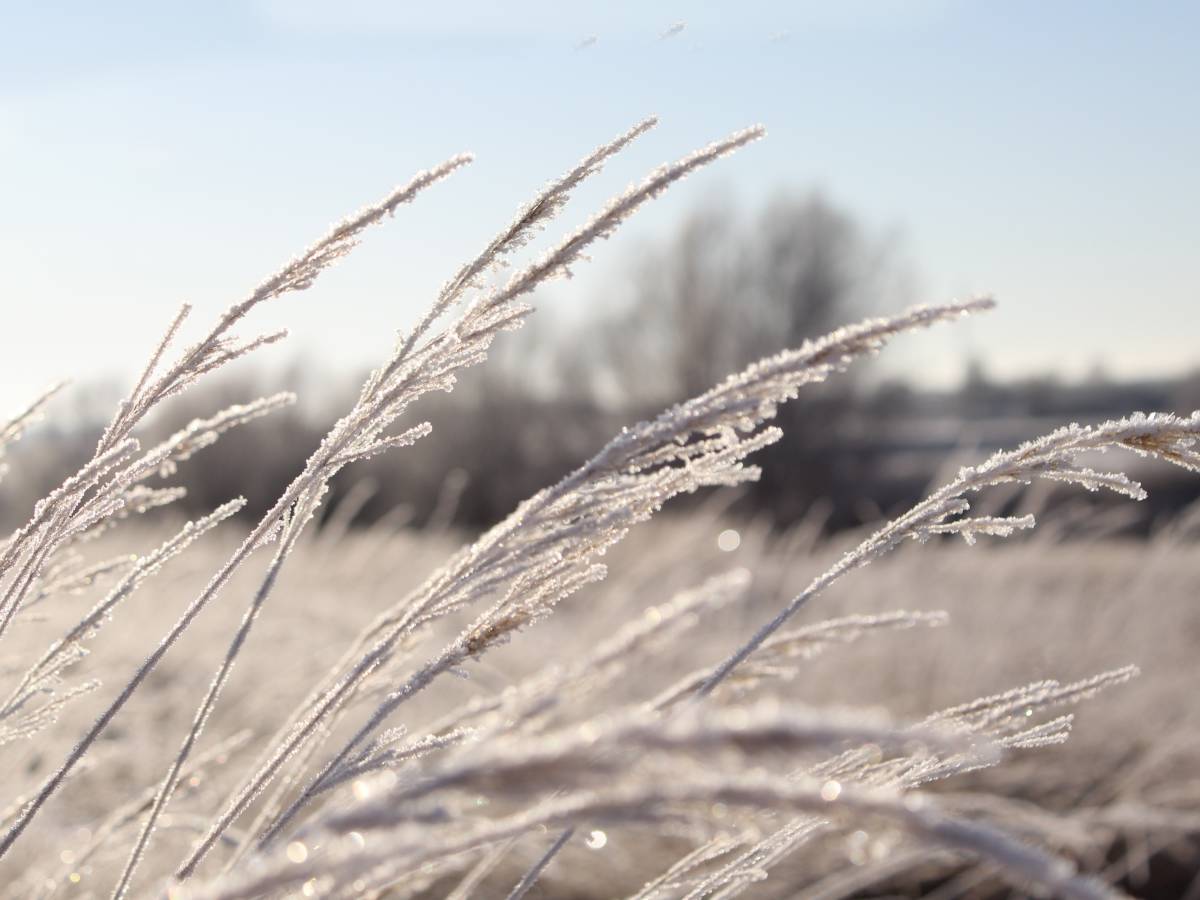
In garden stores or online, you’ll often see “hardiness” mentioned on labels and plant descriptions. For instance, for Stipa (shown at right/above, with frost), you’ll read: “Hardiness: -4°F or -20°C”.
This is the coldest possible temperature that a plant will survive.
Note, however, that it isn’t the same as what a thermometer outside would show: it’s more a notion of what the plant itself feels.
Indeed, if the temperature outside is 23°F or -5°C, but that the air is moist and it’s windy, then to the plant it feels closer to 0°F or nearly -20°C.
This also works the other way around: a potted plant near a sun-splashed wall will feel that the temperature is warmer than the thermometer shows.
Admittedly, this is a fuzzy notion, not very clear-cut. As a result, you have to try and understand what the situation is like in different spots of your own garden.
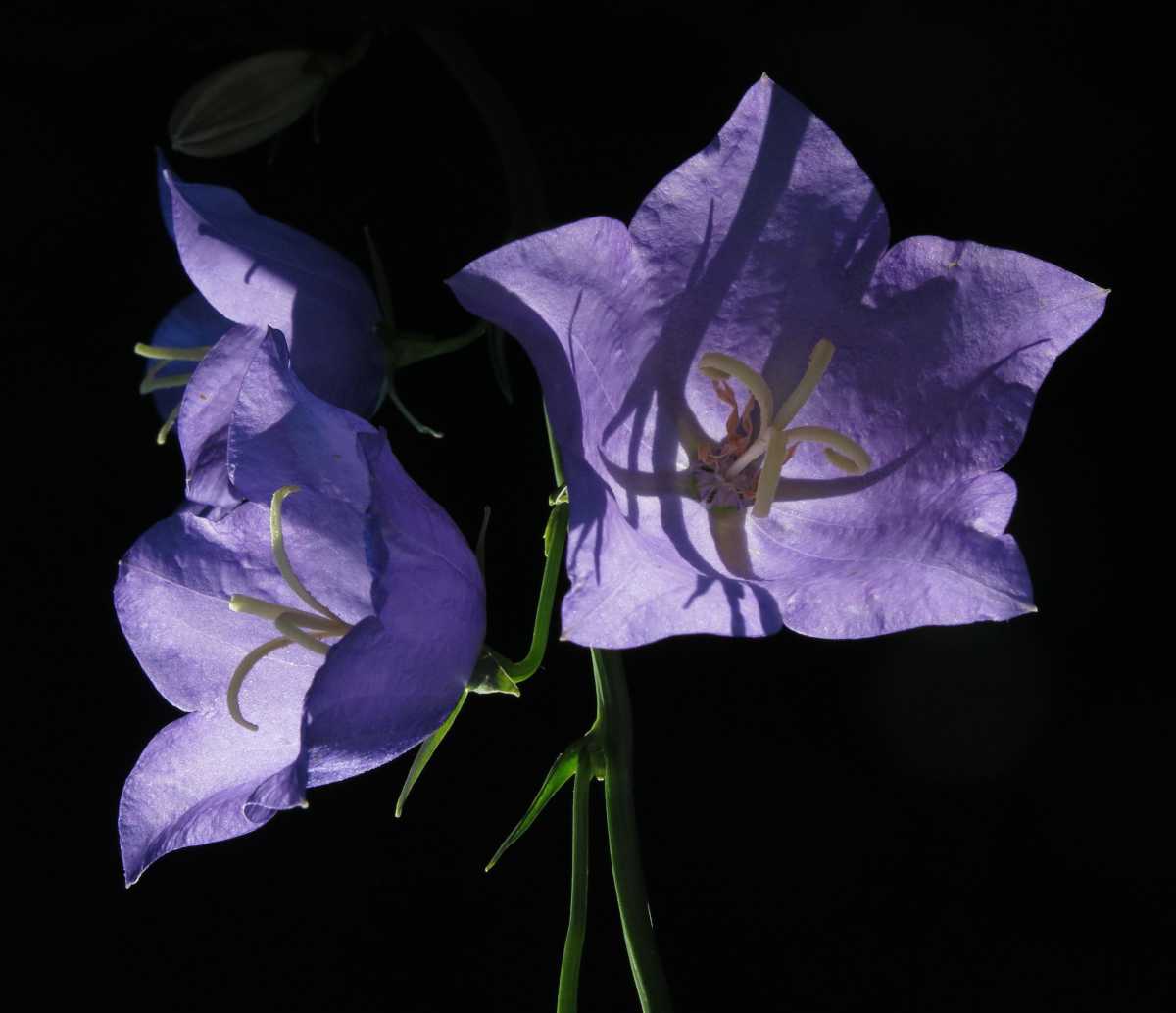
Carpathian harebell: deep bells with a white centre
If your soil is waterlogged and heavy during winter, that temps have dropped to 23°F (-5°C) and that a particular flower bed is in the shade, you’ll have to choose plants that can cope with far colder than 23°F (-5°C).
If, however, your soil drains well, that the growing bed is sheltered from wind, and it’s in full sun, then you can simply match the hardiness rating of the plant with outside temperatures.
The nine hardy plants at a glance
Nine shrubs, perennials and climbers that shrug off hard frost. Each line gives the hardiness figure, the flowering season and the position the plant needs, so you can pick before reading further.
The nine hardy plants at a glance
Plant
Type
Hardiness
Flowering
Position
Boxwood (Buxus sempervirens)
Shrub
-4°F (-20°C)
Grown for foliage
Sun, part sun, shade
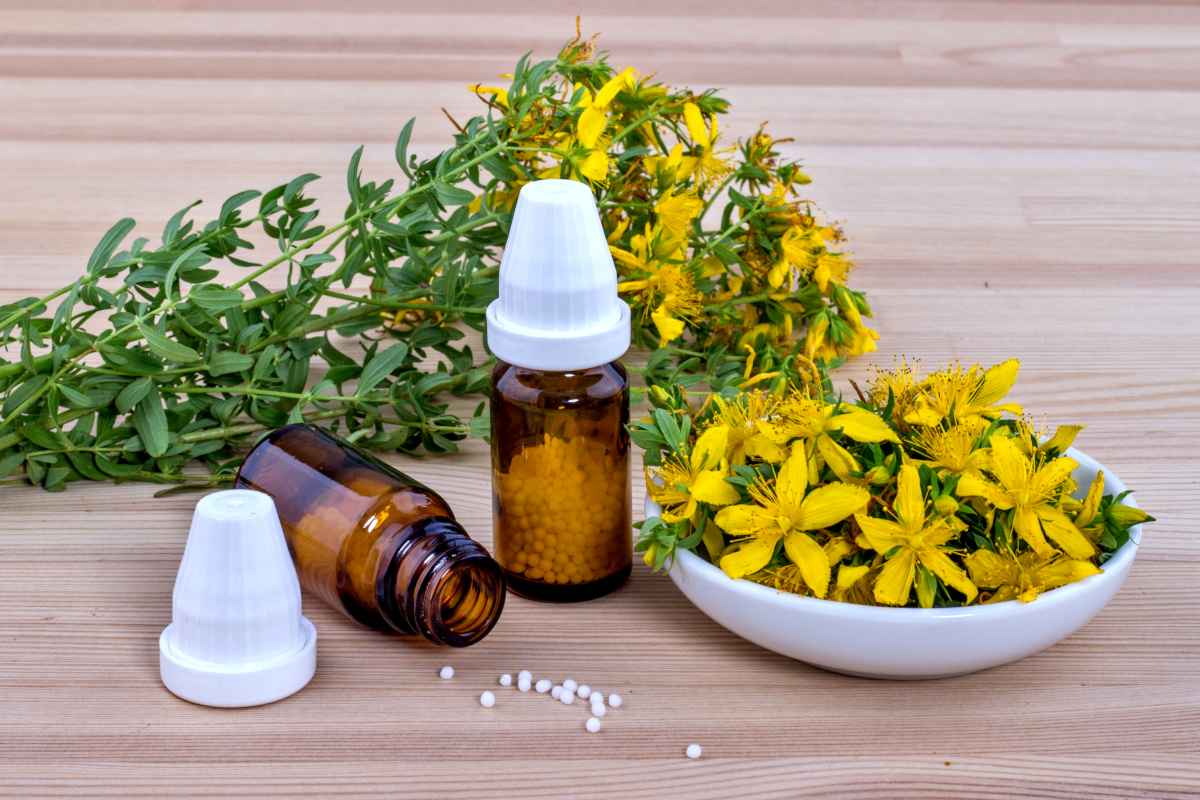
Saint John’s wort ‘Hidcote’
Shrub
5°F (-15°C)
Early to midsummer, again early to mid-autumn
Sun, part sun
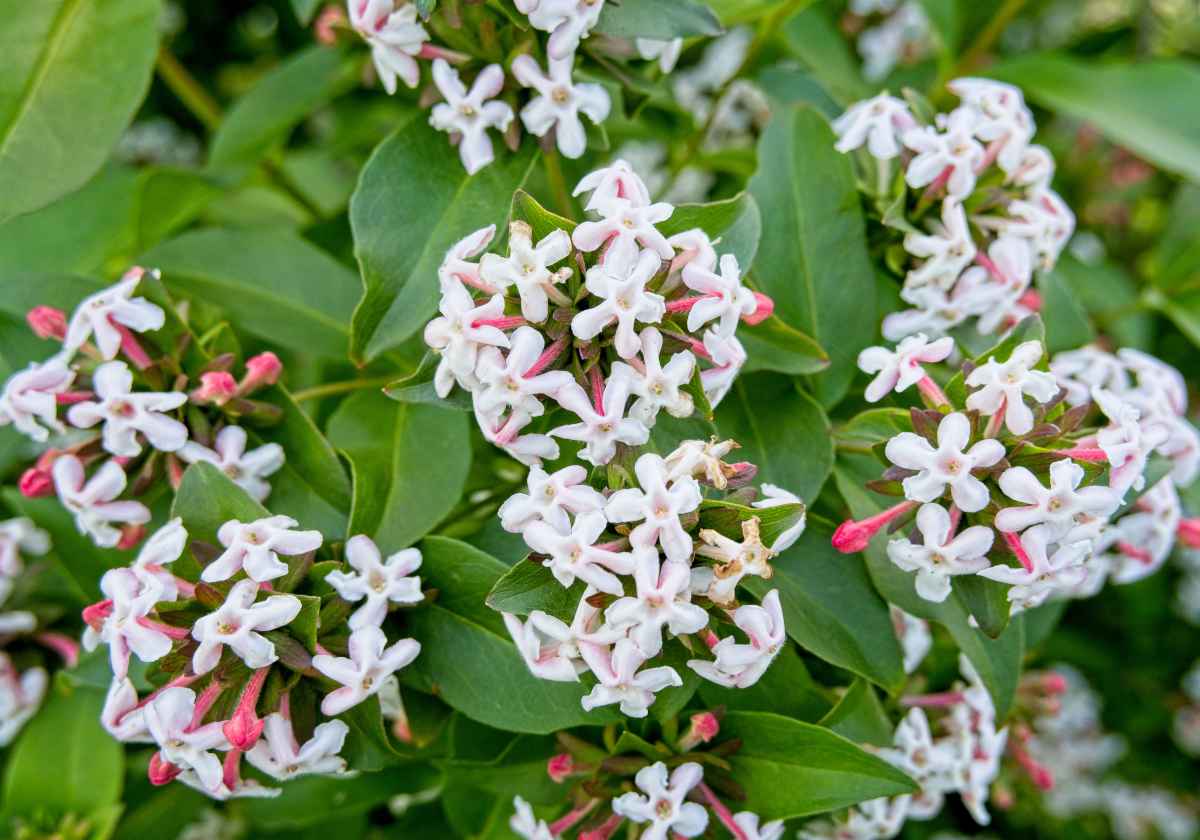
Abelia mosanensis ‘Monia’
Shrub
Lower than 5°F (-15°C)
Mid-spring to early summer
Sun, part sun
Carpathian harebell (Campanula carpatica)
Perennial
-4°F (-20°C)
Early to late summer
Sun, part sun
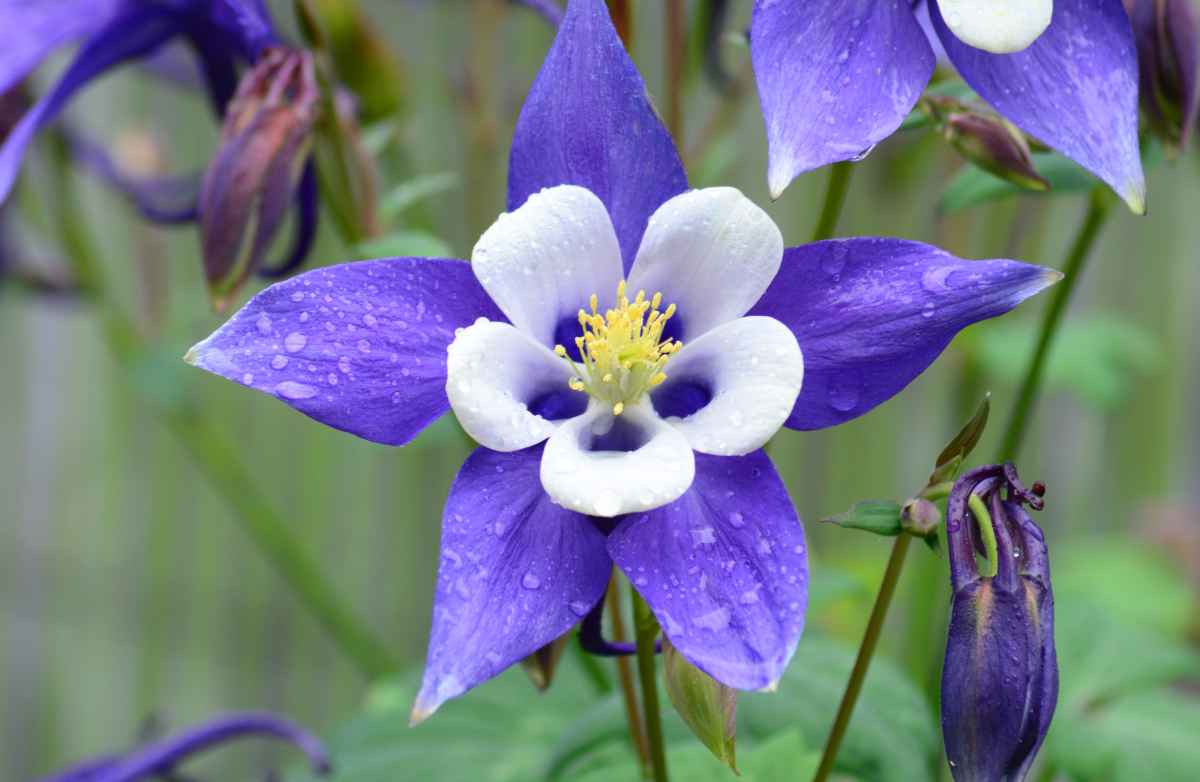
Columbine ‘Blue Star’
Perennial
-4°F (-20°C)
Mid-spring to early summer
Sun, part sun
Rudbeckia triloba
Perennial
5°F (-15°C)
Midsummer to mid-autumn
Full sun
Wisteria chinensis
Vine
5°F (-15°C)
Mid to late spring
Sun, part sun
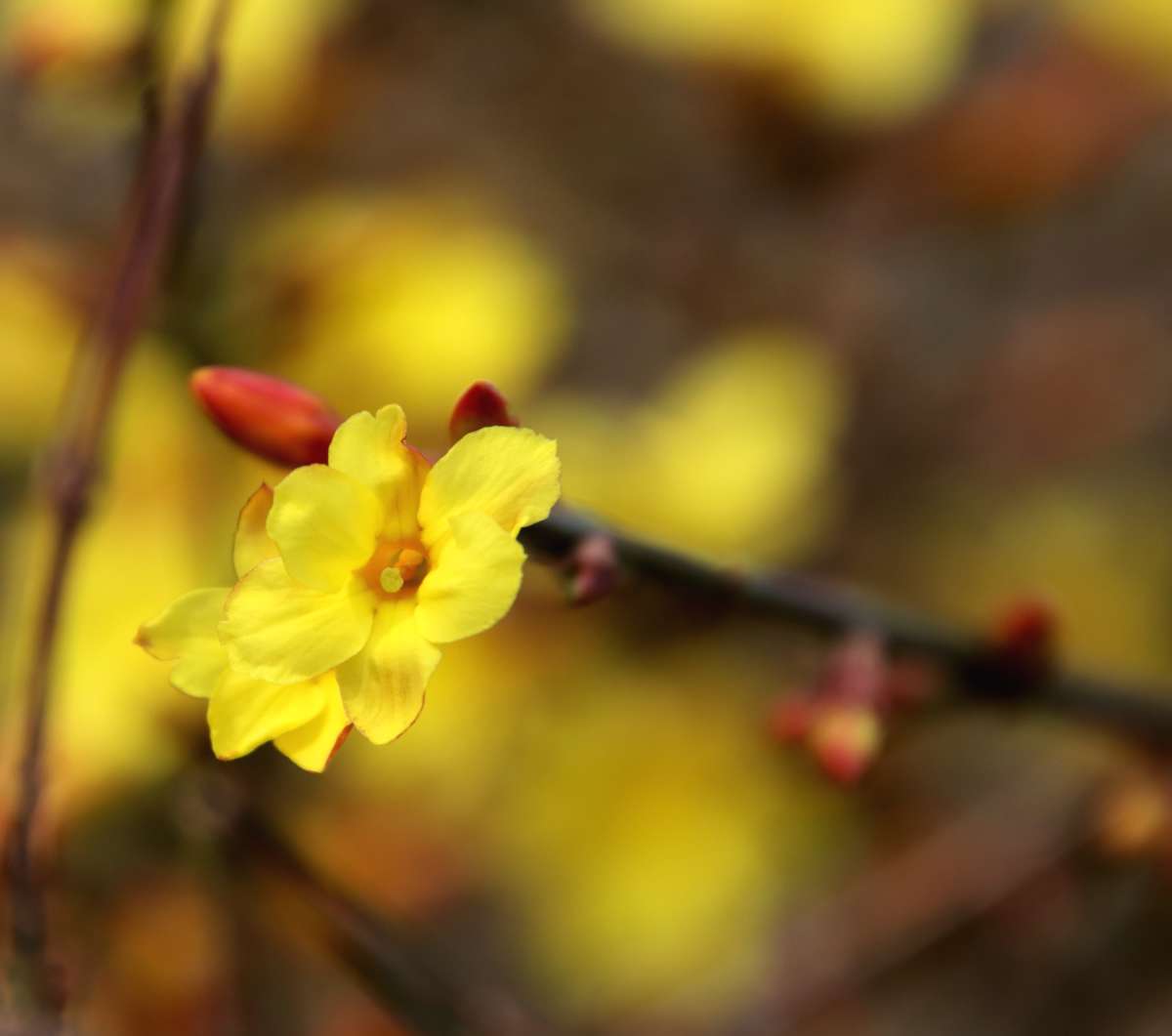
Winter jasmine (Jasminum nudiflorum)
Vine
5°F (-15°C)
Early winter to early spring
Full sun
Climbing hydrangea ‘Flying Saucer’
Vine
Lower than 5°F (-15°C)
Early summer
Part shade, shade
Read these figures against the wettest, most exposed corner of your own garden, not against the thermometer alone.
Appeal: wide, foamy white flower umbels that cover the deciduous green serrated foliage.
Exposure: part shade, shade
Soil: deep, soft and fertile
Cherry on the top? Ideal for shaded areas!
Image credits (edits Gaspard Lorthiois):
CC BY-SA 2.0: F. D. Richards
Pixabay: Bryan Hanson, DatWuschel, Zhu Bing, Gernot, ТатьянаК
Written by Gaspard Lorthiois | Loves helping out, especially when it comes to growing things. Worked in herbal medicine, runs a farm, and dabbles in tech. Master's degree and engineer.