Few late-summer shrubs match the airy elegance of Vitex agnus-castus, whose slender spires of lavender-blue flowers rise above aromatic, hand-shaped grey-green foliage from July onwards. Known as the chaste tree, it is a Mediterranean native that thrives on heat, sun and neglect, making it invaluable in gravel gardens and dry borders. Crush a leaf and you will find a distinctive peppery, sage-like scent that few other hardy shrubs offer.
Growing conditions
Give Vitex the sunniest, warmest spot you have — a south- or west-facing wall, a sun-baked gravel bed or the hot end of a border. It needs a good ripening of the wood in late summer to flower reliably the following year. In shade or cool, sunless positions it grows leggy and flowers sparsely, if at all.
Drainage matters more than fertility. Light, sandy, stony or chalky soils suit it perfectly, and it copes happily with pH from neutral to strongly alkaline. Heavy, wet clay is the one condition it will not forgive: cold, waterlogged winter soil kills far more plants than frost does.
In mild coastal and southern gardens it behaves as a dependable shrub; further north or inland it may be cut back by hard frosts and regrow from the base, rather like a Buddleja. It is notably tolerant of salt spray, drought and urban pollution.
How to plant Vitex
Plant in late spring, once the soil has genuinely warmed and all danger of hard frost has passed. Autumn planting is possible in mild regions, but spring gives the root system a full season to establish before facing cold, damp weather.
Spacing: allow 2.5–3 m between plants and from neighbouring shrubs, as mature specimens spread as wide as they are tall.
Depth: set the root ball so its surface sits level with the surrounding soil — never bury the stem base, which invites rot.
Soil preparation: on heavier ground, dig in generous grit or coarse sand and plant on a slight mound to lift the crown above winter wet.
Watering in: soak thoroughly at planting, then water weekly through the first summer only; thereafter it needs little to no irrigation.
Propagation: take semi-ripe cuttings 10–12 cm long in July or August, root them in a gritty mix, and overwinter them frost-free.
Vitex agnus-castus growing in a naturalistic garden border
Care through the seasons
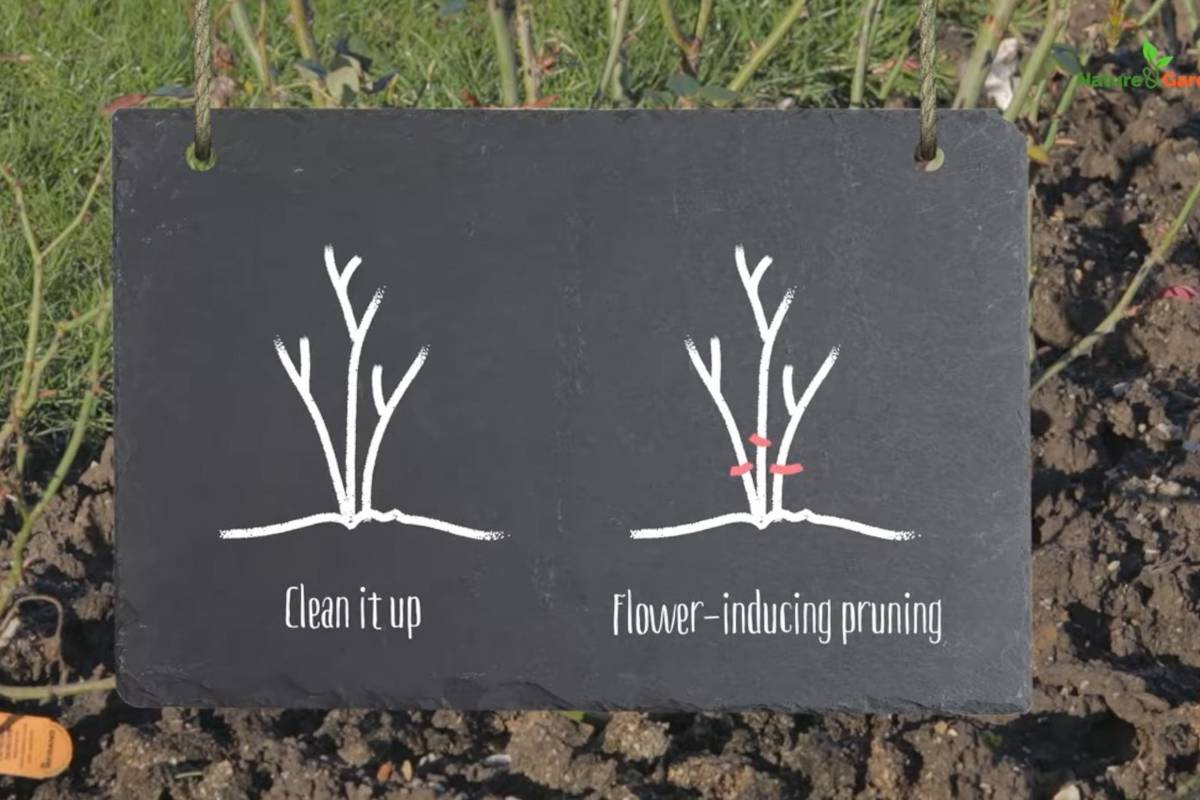
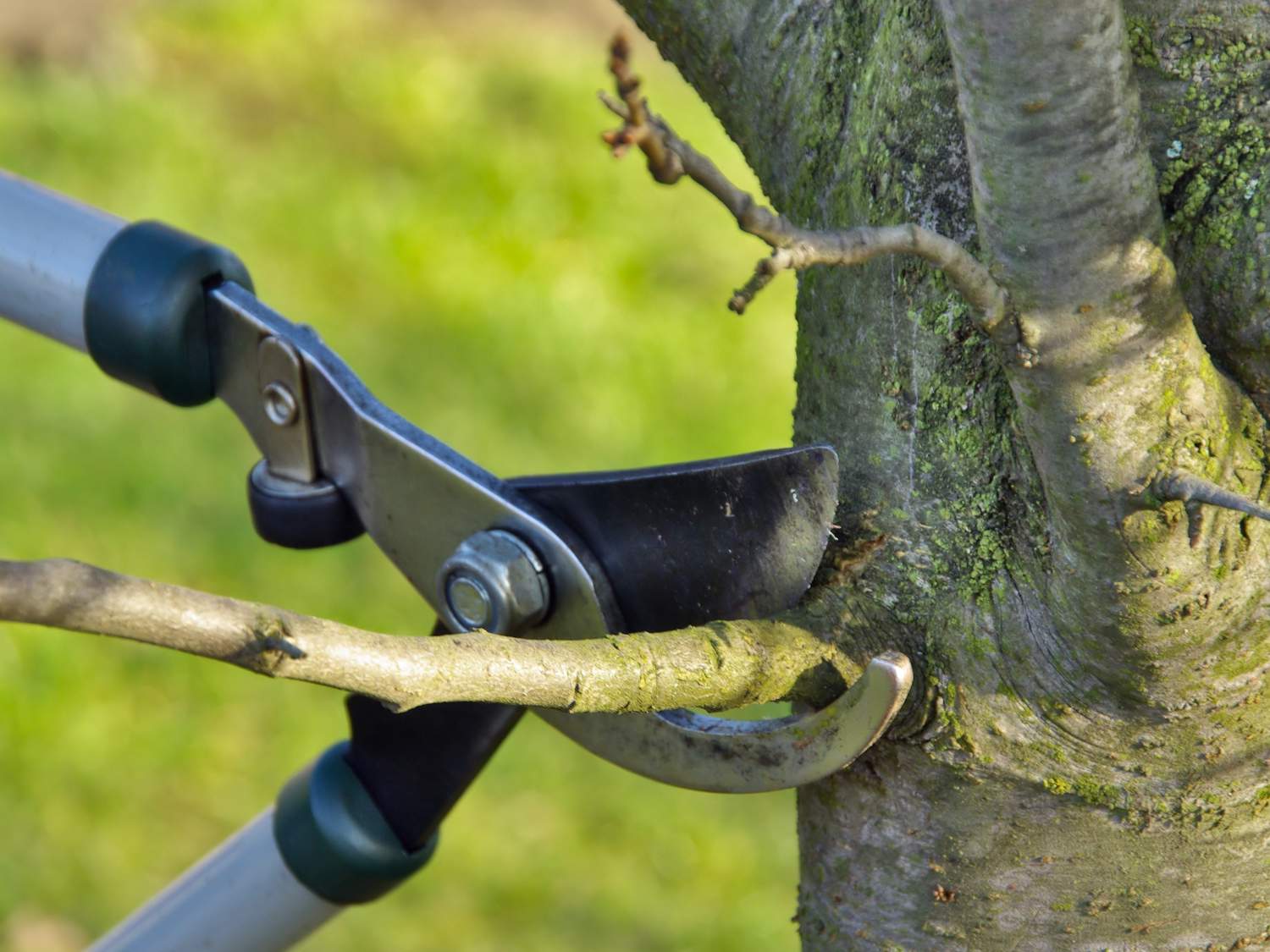
Spring: Prune hard in March or early April — Vitex flowers on the current season’s wood, so cutting stems back to a low framework of 30–60 cm produces vigorous shoots and larger flower spikes. Be patient, as it is among the last shrubs to break bud, often waiting until May. Avoid rich feeding; a light scattering of general fertiliser is ample.
Summer: Established plants shrug off drought and rarely need watering, though container specimens will want a weekly soak. Deadhead the first flush of spent spikes in August to encourage a secondary crop of flowers into September. Resist the urge to feed with nitrogen, which produces soft growth at the expense of blooms.
Autumn: Leave the framework intact — autumn pruning stimulates tender growth that frost will damage. Apply a dry mulch of gravel, bark or leaf mould around the base in cold districts to insulate the roots. Collect ripe berries in October if you wish to sow seed, which germinates best after a period of cold stratification.
Winter: The shrub is fully deciduous and looks little more than a bundle of grey twigs, which is entirely normal. In gardens colder than −12 °C, wrap the base with fleece or straw and expect some dieback of the upper stems.
Best varieties to grow
Named cultivars differ mainly in flower colour, hardiness and ultimate size.
‘Silver Spire’ — an elegant white-flowered form with pale, silvery foliage, superb for cooling a hot colour scheme.
‘Latifolia’ — broader leaves and the best hardiness of the group, holding an RHS Award of Garden Merit and ideal for cooler gardens.
‘Delta Blues’ — a compact selection reaching around 1.5–2 m, with deep violet-blue spikes; excellent in smaller plots and large pots.
‘Rosea’ (also sold as ‘Pink Pinnacle’) — soft pink flower spires that combine beautifully with silver-leaved companions such as artemisia.
Pests, diseases and common problems
Root rot and winter losses: yellowing leaves, failure to shoot in spring and blackened roots point to waterlogging. Improve drainage with grit, plant on a raised mound and never mulch wet soil with heavy organic matter.
Leaf spot: brown or black blotches appear in damp, still summers, particularly on crowded plants. Thin the framework at spring pruning to improve airflow, and remove and bin affected leaves rather than composting them.
Scale insects: small brown limpet-like bumps on stems, accompanied by sticky honeydew and sooty mould. Wipe off small infestations with a cloth dipped in soapy water, or spray with organic winter plant oil while dormant.