Physostegia virginiana: expert tips and planting advice
0
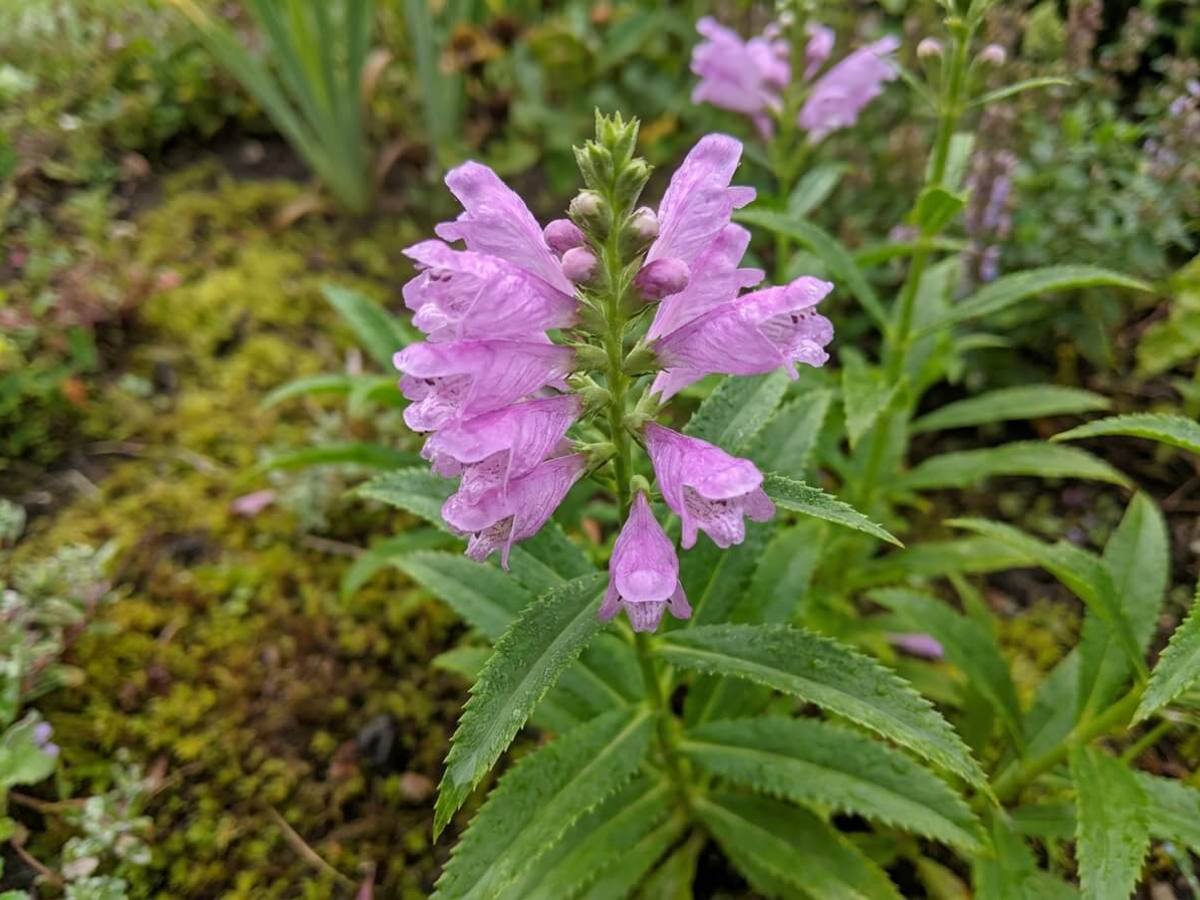
Physostegia virginiana, better known as the obedient plant, sends up neat spires of tubular pink, lilac or white flowers from midsummer until the first frosts, just as many borders begin to tire. Its stiff, square stems and glossy toothed leaves make it a reliable vertical accent in prairie-style plantings and damp borders alike. The common name comes from a genuine botanical quirk: nudge an individual flower sideways on its spike and it stays exactly where you put it.
Growing conditions
Obedient plant flowers most freely and stands most upright in full sun, ideally with at least six hours of direct light. It copes with light dappled shade, particularly in hot continental climates, but stems grown in shade stretch and lean. Shelter from strong wind helps keep the tall spires intact.
The ideal soil is fertile, humus-rich and reliably moist — this is a plant of North American damp meadows and streamsides. It performs well on clay and tolerates seasonal wetness, though it dislikes soil that stays saturated all winter. A pH between 5.5 and 7.0 suits it, and it is unfussy about mildly alkaline ground provided moisture is steady.
Hardiness is rarely an issue: the rhizomes survive hard winters and the plant is reliable across most of Britain, northern Europe and cold-winter North America. In hot, dry regions, give it afternoon shade and mulch generously to prevent leaf scorch.
How to plant Physostegia
Plant in spring, once the soil begins to warm, so the rhizomes establish through a full growing season. Autumn planting also works well on free-draining ground in milder areas.
Spacing: allow 45–60 cm between plants — they knit together quickly and crowding encourages flopping and mildew.
Depth: set the crown level with the surrounding soil; burying it deeply can cause rot in heavy ground.
Soil preparation: fork in garden compost or well-rotted manure to hold moisture, but avoid very rich feeding, which produces soft, lax stems.
Watering in: soak thoroughly after planting and keep the soil evenly damp for the first season, especially during dry spells.
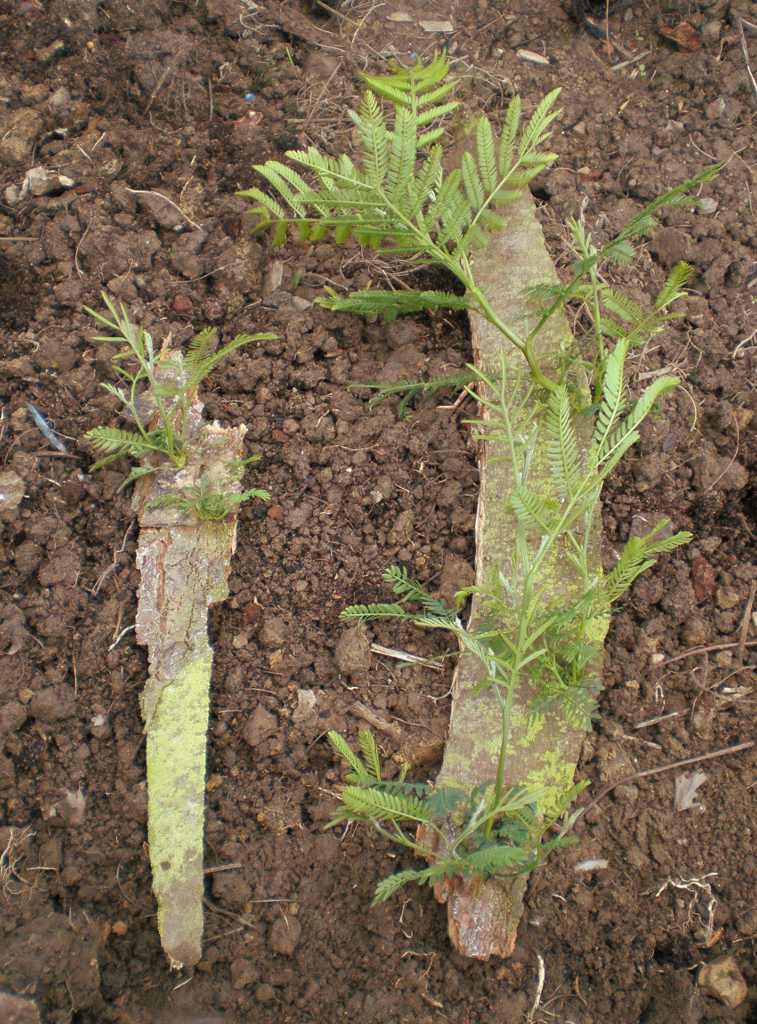
Propagation: lift and divide clumps every two to three years in early spring; each piece of rhizome with a shoot and roots will grow away readily. Basal cuttings taken in late spring root in two to three weeks.
Physostegia virginiana growing in a naturalistic garden border
Care through the seasons
Spring: New shoots appear from mid-spring — protect them from slugs at this stage. Apply a light mulch of compost, and lift and split congested or over-enthusiastic clumps. Pinching the stems back by a third in late May produces shorter, bushier, self-supporting plants.
Summer: Water deeply in dry weather; drought stress causes lower leaves to yellow and drop, and shortens the flowering season. Remove faded spikes to encourage side shoots and a second flush. Push a spade vertically around the clump in midsummer to sever any wandering rhizomes.
Autumn: Flowering continues well into October in mild seasons, so delay cutting back until the stems blacken. Leave the seed heads standing for winter structure and birds if you prefer, or tidy them away. Autumn is a good moment to divide on light soils, and to mulch new plantings.
Winter: The plant dies back completely and needs no protection; the rhizomes are exceptionally cold-tolerant. Avoid heavy winter mulches on cold, wet clay, which can encourage crown rot.
Best varieties to grow
Choose your cultivar according to how much room you can spare — some run far more freely than others.
‘Vivid’ — compact at around 50–60 cm with intense magenta-pink flowers; holder of the RHS Award of Garden Merit and among the latest to bloom.
‘Miss Manners’ — a clump-forming white selection that stays put rather than running, making it the best choice for small or mixed borders.
‘Summer Snow’ — pure white spikes on 90 cm stems, slightly less vigorous than the pink forms and excellent for cutting.
‘Variegata’ — grey-green leaves edged in creamy white with rose-pink flowers; the foliage earns its place long before flowering begins.
Pests, diseases and common problems
Slugs and snails: they shred the tender emerging shoots in spring. Clear leaf litter from around the crown, water in the morning, and use wool pellets or nocturnal hand-picking after rain.
Powdery mildew: a white bloom on leaves in hot, dry late summer, worst on crowded or dry-rooted plants. Improve air flow by thinning stems, mulch to conserve soil moisture, and remove affected foliage.
Flopping stems: tall growth collapses after rain, usually where soil is over-rich or light too low. Pinch stems in late spring, avoid nitrogen-rich feeds, and grow through link stakes or among sturdy neighbours such as grasses.
Invasive spread: rhizomes colonise moist, rich ground quickly. Plant in a bottomless container sunk into the border, or edge the clump annually with a spade in midsummer.
🌿 Nature & Garden Newsletter
Gardening tips, recipes & seasonal advice, twice a week.