London Pride: Your Complete Guide to Growing Saxifraga umbrosa
·
0
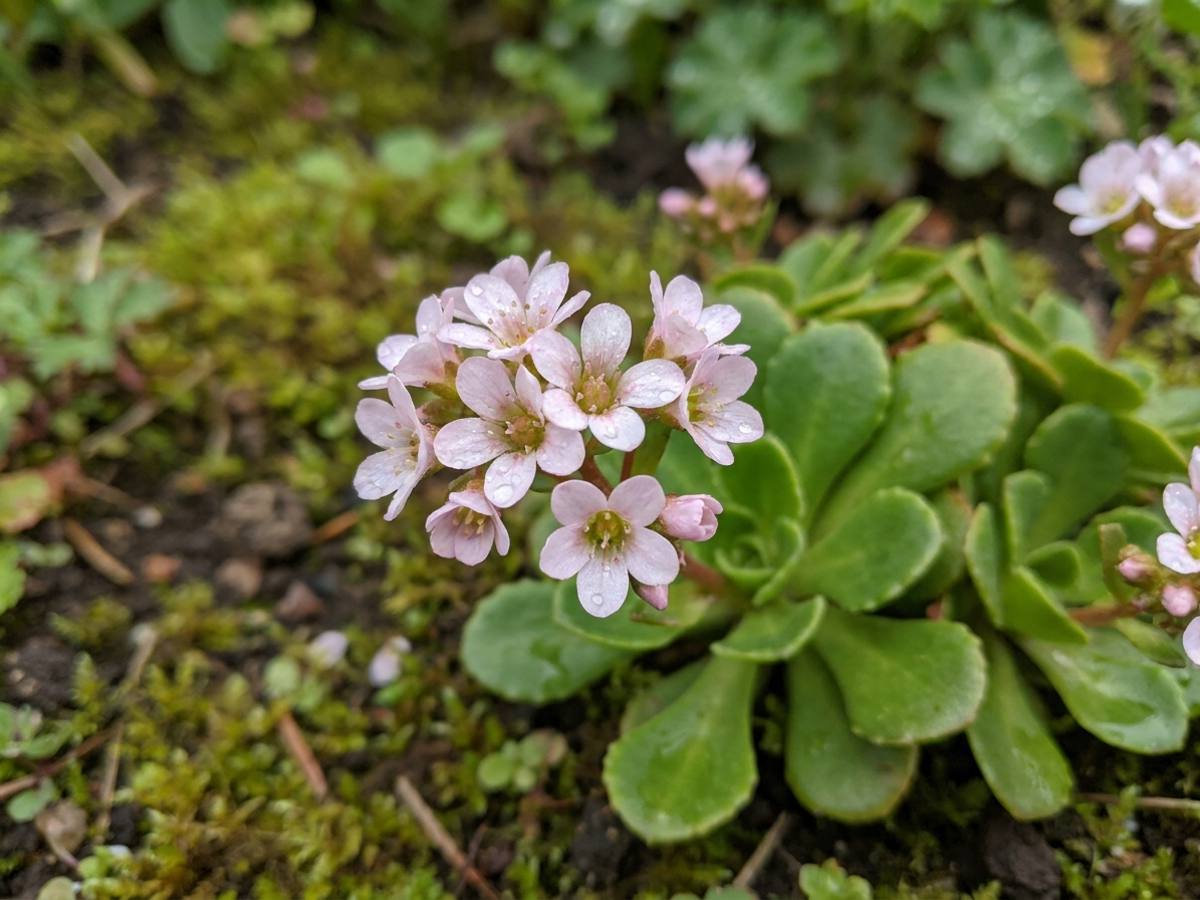
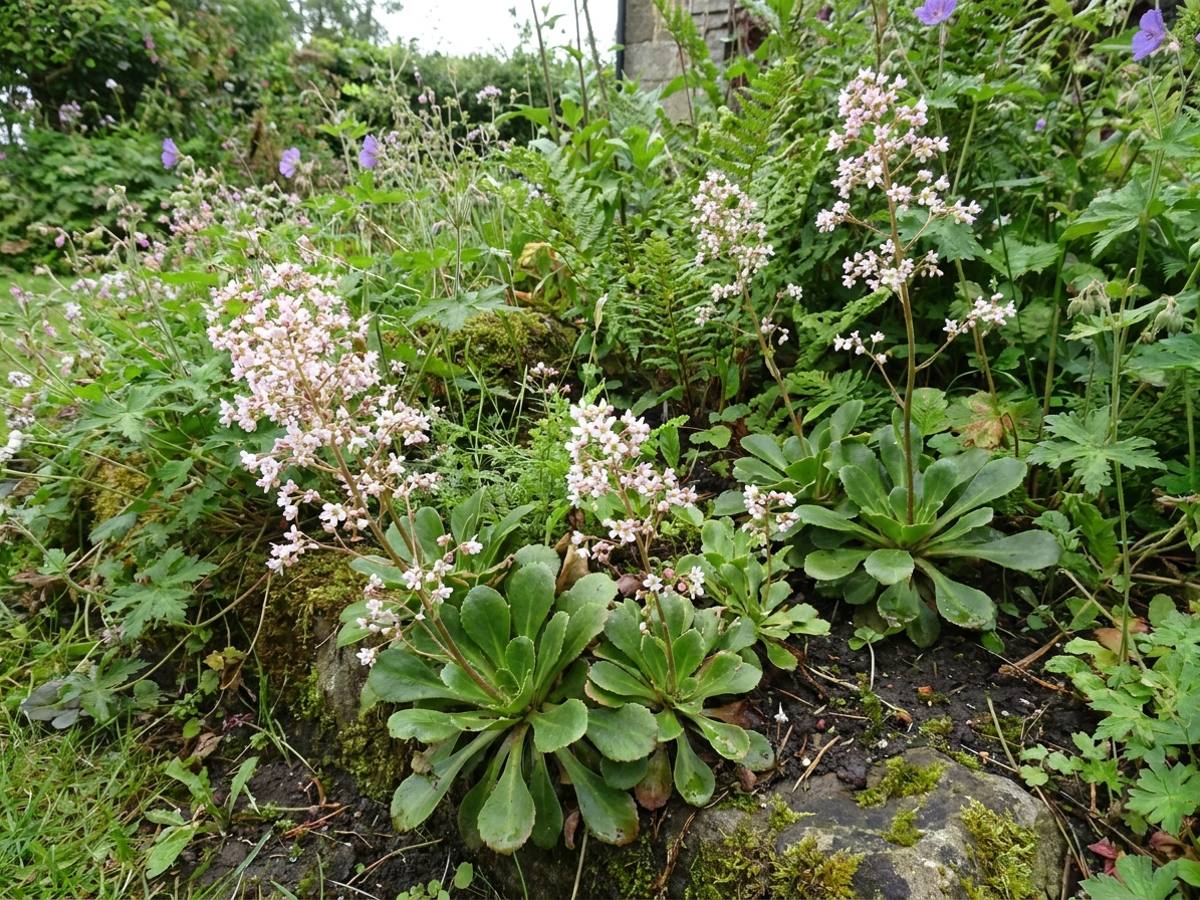
Saxifraga umbrosa, commonly known as London Pride or St Patrick’s Cabbage, is a charming evergreen perennial prized for its delicate pink flowers and attractive rosettes of fleshy foliage. It brings year-round structure and spring colour to rock gardens, alpine troughs, and shaded borders. This tough, low-maintenance plant is particularly valued for its ability to thrive in challenging spots where many others struggle.
Growing conditions
London Pride performs best in partial shade but will tolerate full shade, making it ideal for north-facing borders and shaded woodland edges. It also grows reasonably well in dappled sunlight beneath trees, though flowering may be less prolific in deep shade. Avoid hot, sunny positions in the south of England, where the foliage can bleach or scorch during intense summer heat.
This saxifrage demands well-drained, gritty soil and will not tolerate waterlogged conditions. It prefers neutral to slightly acidic soil but is remarkably tolerant of poor, sandy, or gravelly substrates. Good drainage is far more important than soil fertility; many gardeners successfully grow it in rocky, inhospitable spots where other perennials fail.
London Pride is fully hardy throughout the British Isles and northern Europe, surviving temperatures well below −15 °C. It requires no special winter protection and actually dislikes excessive heat and humidity in warm, southern gardens.
How to plant Saxifraga
Plant during spring (March to May) or early autumn (August to September) when the soil is moist but not waterlogged. These cooler periods allow the plant to establish roots before the stress of summer heat or winter frost.
Space plants 30–45 cm apart to allow room for mature spread and air circulation
Plant with the crown (where leaves meet roots) at soil level; do not bury the rosette or it may rot
Amend heavy clay with grit or coarse sand to improve drainage; add no compost or fertiliser
Water gently after planting to settle the soil, then allow the surface to dry between waterings
Divide established clumps every 3–4 years in spring, pulling away young rosettes with roots attached
Care through the seasons
Spring: Remove any dead or damaged foliage as new growth emerges in March and April. Apply a light, gritty mulch (not bark chips) around the rosettes to maintain drainage and suppress weeds. Do not feed; London Pride thrives in poor soil and excessive nutrients encourage soft, disease-prone growth.
Summer: Water established plants only during prolonged dry spells; overwatering is the primary cause of failure. In hot regions, afternoon shade and good air flow help prevent the foliage from burning. Deadhead spent flower spikes to encourage neat growth, though this is not essential.
Autumn: Divide congested clumps in late August or early September while the soil is still warm and moist. Cut back untidy foliage once the first hard frosts arrive, but leave the evergreen rosette intact for winter interest. A light topdressing of grit improves drainage during winter wet spells.
Winter: London Pride is dormant but remains evergreen, requiring no protection. In exceptionally wet winters, waterlogging may kill plants on heavy soils; ensure drainage trenches are clear.
Best varieties to grow
Several named selections offer subtle variations in foliage colour and flower intensity.
Saxifraga umbrosa — The species type, with pale pink flowers and fresh green rosettes; reliable and vigorous.
‘Variegata’ — Striking cream and green variegated foliage with pink flowers; slower growing but highly ornamental.
‘Aureipunctata’ — Leaves flecked with gold; adds extra colour interest in shaded areas.
‘Carmen’ — Deep pink flowers and purple-tinged foliage; more compact than the species.
Pests, diseases and common problems
Crown rot: Soft, collapsing rosettes caused by wet soil or buried crowns. Remove affected plants and improve drainage immediately; replant only in gritty, free-draining compost.
Vine weevil larvae: Wilting plants and notched leaf edges indicate underground feeding. Drench the soil with neem oil in late summer, or introduce parasitic nematodes as a biological control.
Aphids: Clusters of small insects on new flower buds in spring. Spray with organic insecticidal soap or encourage beneficial insects by planting nectar-rich neighbours nearby.
Mildew: Fine white coating on foliage in humid conditions. Improve air circulation by removing neighbouring plants; spray with sulphur dust if severe.
🌿 Nature & Garden Newsletter
Gardening tips, recipes & seasonal advice, twice a week.