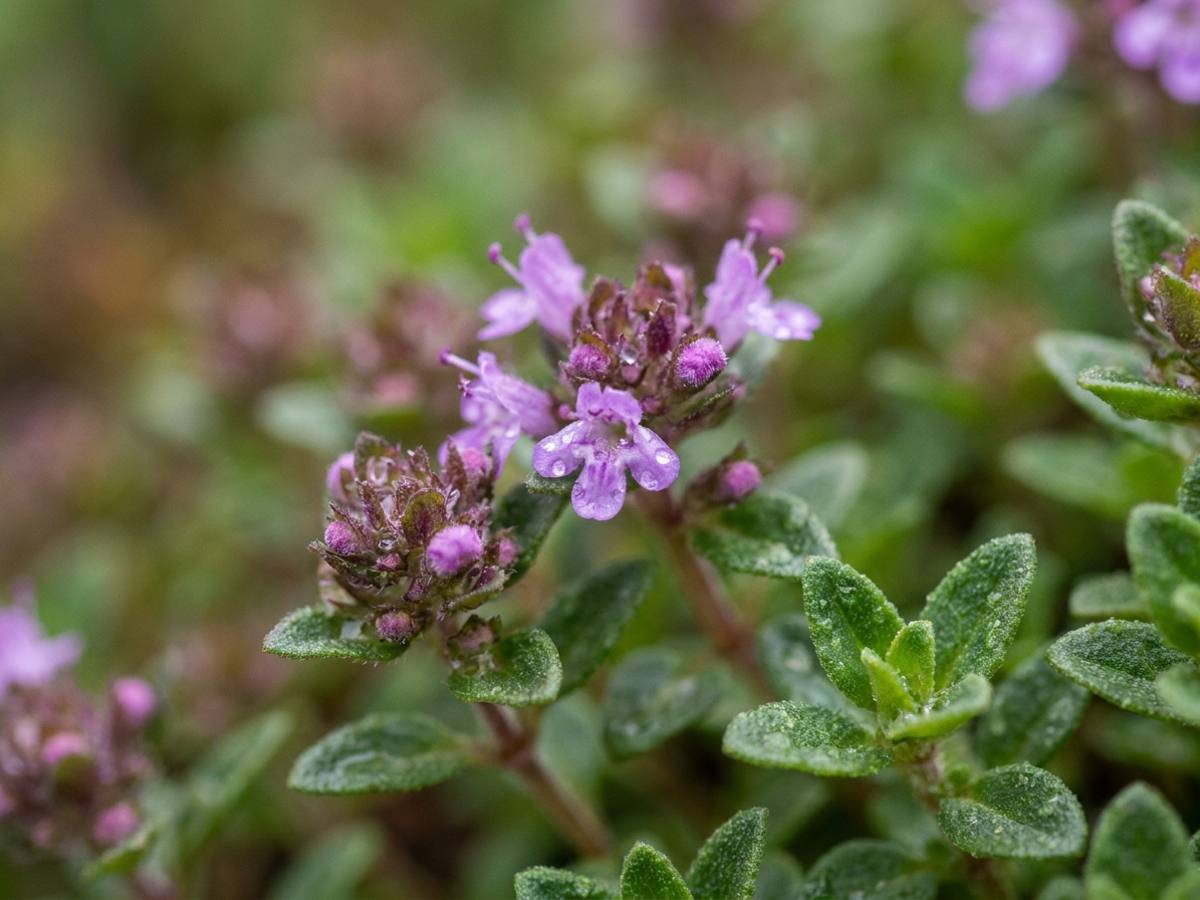
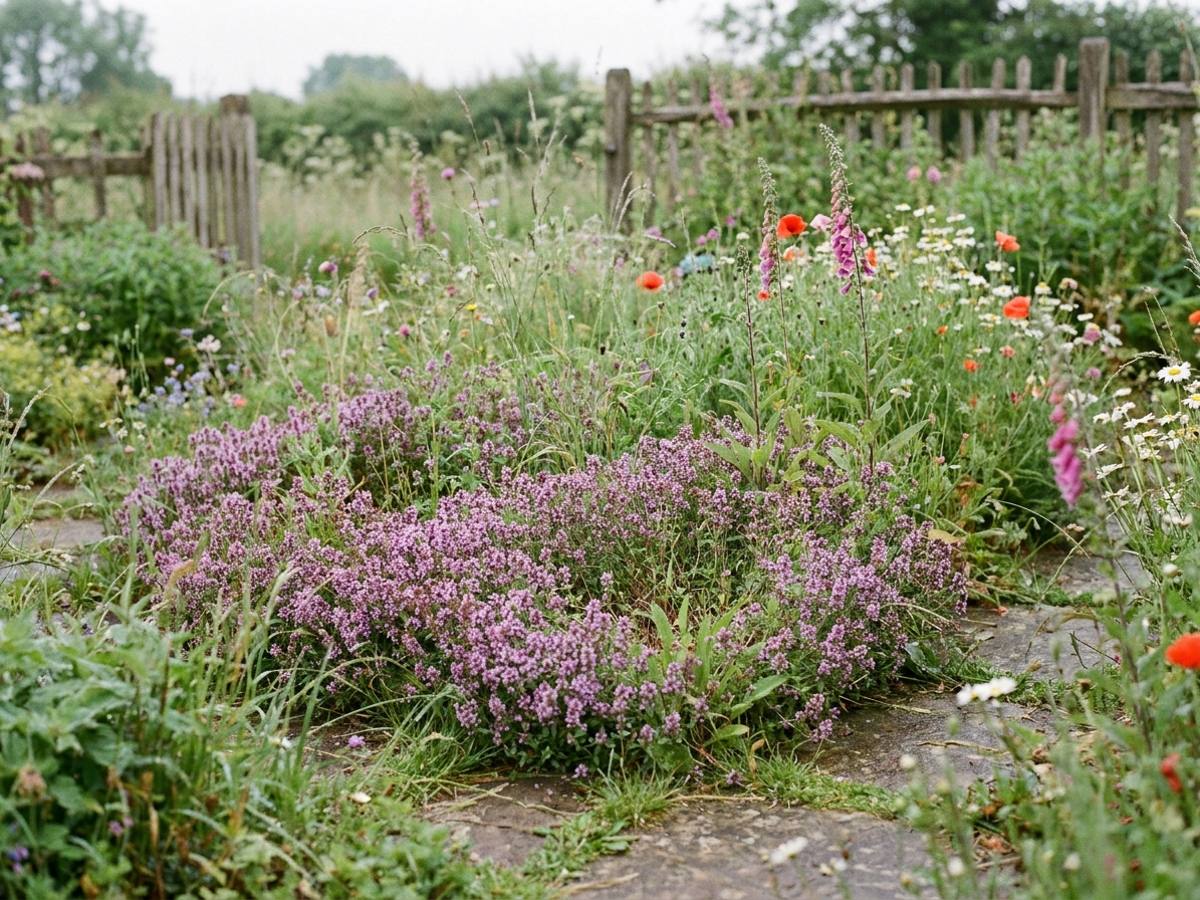
Thymus serpyllum, commonly known as Creeping Thyme, is a low-growing, spreading perennial that hugs the ground with delicate, aromatic foliage and tiny flowers in pink, purple, or white. It is prized for softening garden edges, clothing rockeries, and filling the gaps between paving stones with fragrant, nectar-rich blooms. This hardy little herb flowers profusely from late spring through summer and tolerates foot traffic remarkably well.
Creeping Thyme thrives in full sun and will flower most abundantly in at least six hours of direct sunlight daily. In partial shade, growth becomes leggy and flowering diminishes significantly. Position plants where they catch morning sun to dry dew and reduce fungal issues.
This species demands excellent drainage and dislikes heavy, waterlogged clay soils. Sandy, gritty, or chalky soil suits it perfectly; poor fertility is actually an advantage, as rich soil encourages soft, disease-prone growth over flowering. A soil pH of 6.0–8.0 is ideal, and it tolerates slightly alkaline conditions better than acidic ones.
Creeping Thyme is fully hardy across the UK and northern Europe, surviving winter temperatures well below −15 °C. It has no special regional requirements and performs equally well in coastal gardens, provided drainage is excellent and wind exposure is not extreme.
Creeping thyme asks for very little, but the little it asks for falls at particular moments of the year. This table sets out what to do in each season, and the mistake each season punishes.
| Season | Main task | Water and feed | Problem to avoid |
|---|---|---|---|
| Early spring | Cut back winter-damaged or leggy stems by up to half their length | Light low-nitrogen hand-feed in late spring only if soil is poor | Soft, sappy foliage instead of flowers |
| Midsummer | Run a hand or shears over the plant after the main flush to deadhead | Water only during prolonged drought | Root rot from excess moisture |
| Early to mid-autumn | Divide congested clumps and trim straggly stems by a quarter to half | None needed | Slug damage and botrytis under thick mulch |
| Midwinter | Leave the plant alone; it stays evergreen but largely dormant | None needed | Waterlogging in containers or clay soils |
Keep to this rhythm and the mat stays dense and flowery instead of turning woody and bare at the base.
Plant Creeping Thyme from spring (March to May) or autumn (September to October), when soil moisture is reliable and temperatures mild. Container-grown specimens establish quickly and can be planted year-round if watered well.
Spring: Cut back any winter-damaged or leggy stems by up to half their length in March to encourage compact, bushy regrowth. No feeding is needed unless soil is particularly poor; a light hand-feed with balanced, low-nitrogen fertiliser in late April stimulates growth without promoting excessive soft foliage. Remove any winter mulch gradually to allow plants to warm and establish new shoots.
Summer: Water only during prolonged drought (more than two weeks without rain), as Creeping Thyme is drought-tolerant once established and excess moisture invites root rot. Deadhead spent flower heads by running your hand or shears lightly over the plant after the main flush (early July) to tidy appearance and stimulate a light second flowering. Monitor for overcrowding; thin out centre growth if the plant becomes dense and air circulation declines.
Autumn: Divide congested clumps in September or early October while soil is still warm and moist. Cut back any straggly, flowering stems by a quarter to half their length to maintain a compact form and prevent the plant becoming woody and bare at the base. Do not mulch heavily; Creeping Thyme prefers open, well-drained conditions and thick autumn mulch invites slug damage and botrytis.
Winter: Creeping Thyme remains largely dormant but evergreen; no special protection is needed in the UK. During long, wet winters, ensure drainage remains excellent around the plant to prevent waterlogging, particularly in containers or clay soils.
Many named cultivars of Thymus serpyllum offer subtle differences in flower colour, foliage tone, and growth habit.