Waldsteinia ternata: Your Complete Ground Cover Guide
·
0
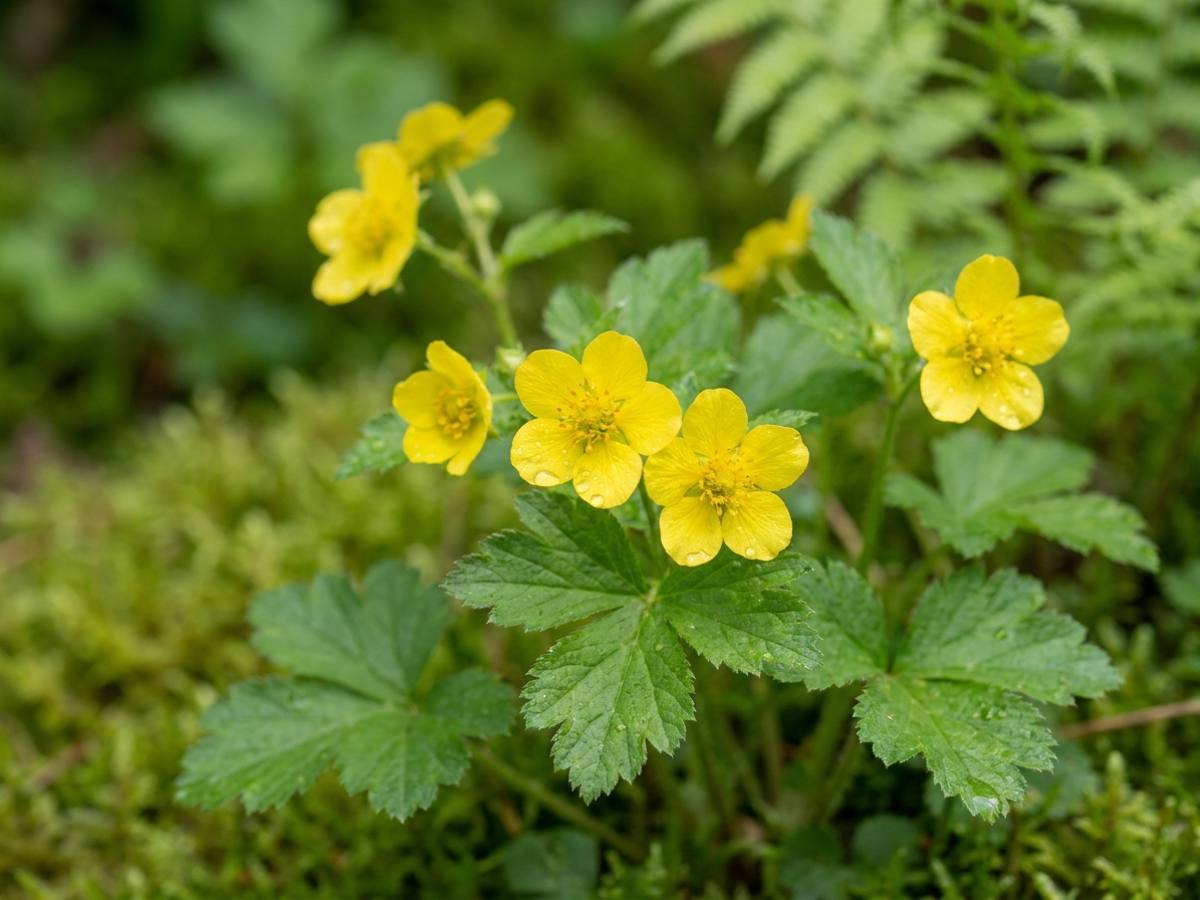
Waldsteinia ternata, commonly known as Barren Strawberry or Siberian Strawberry, is a delightful low-growing ground cover prized for its cheerful yellow flowers and attractive three-lobed foliage. Its dense carpet of evergreen leaves provides year-round structure in borders, woodland gardens, and containers, whilst its bright spring blooms add early colour without the vigour of more aggressive spreaders. This hardy perennial is particularly valued as a ground cover alternative to invasive species, offering ornamental appeal with excellent ground-covering ability.
Growing conditions
Waldsteinia ternata thrives in partial shade to full shade, making it an excellent choice for shaded borders, woodland gardens, and beneath deciduous trees. It tolerates open, sunnier positions but performs most vigorously and maintains better foliage colour when afforded dappled light or afternoon shade during hot summers.
This plant prefers well-drained, humus-rich soil with a slightly acidic to neutral pH between 6.0 and 7.0. Although it is tolerant of poor soils, amending the planting area with leaf mould or garden compost will encourage faster establishment and lusher growth. Avoid waterlogged conditions, which can lead to root rot, particularly in winter.
Waldsteinia ternata is fully hardy throughout the British Isles and northern Europe, tolerating temperatures down to −15 °C without protection. It performs equally well in continental and maritime climates, though in dry regions it benefits from consistent moisture during the growing season.
How to plant Waldsteinia
Spring (March to May) is the ideal time to plant Waldsteinia ternata, allowing the roots to establish well before summer. Autumn planting is possible in milder regions, provided plants have time to settle before winter.
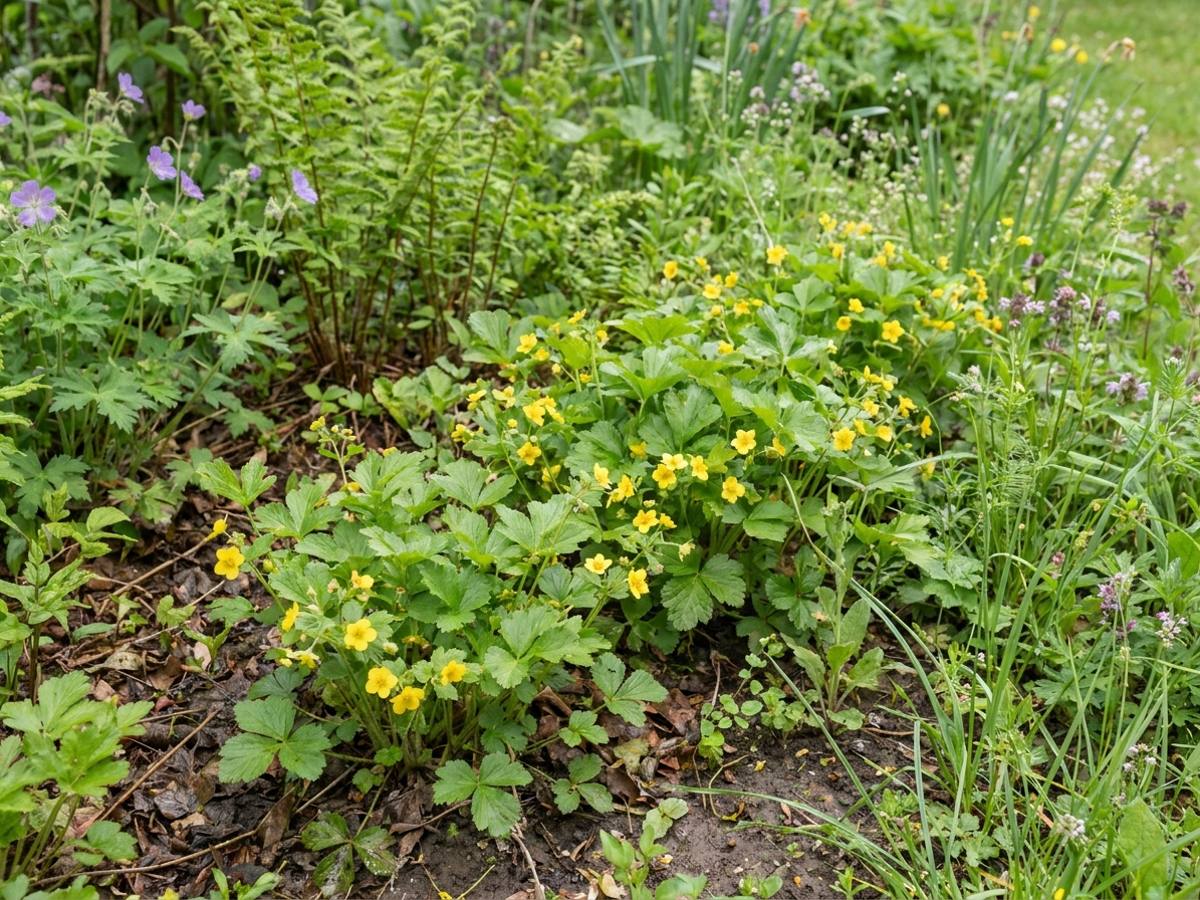
Space plants 30–45 cm apart to encourage rapid coverage; closer spacing accelerates ground coverage within one season.
Plant at the same depth as the nursery pot; ensure the crown sits just above soil level to prevent rotting.
Incorporate 5–7 cm of garden compost or leaf mould into the planting area to improve soil structure and encourage establishment.
Water thoroughly after planting and maintain consistently moist soil for the first 4–6 weeks.
Divide established clumps in spring or autumn; simply pull apart the rooted runners and replant, each section containing at least one growing point.
Runners knit the plants into dense evergreen mats
Waldsteinia care season by season
Waldsteinia ternata asks very little, but the few jobs it does need fall at set points in the year. This table shows what to do, and when, at a glance.
Waldsteinia care season by season
Season
Main task
Feed or mulch
Divide?
Early to mid-spring
Remove dead or frost-damaged foliage; deadhead spent flowers
Balanced slow-release fertiliser as growth starts
Yes — pull apart rooted runners
Summer
Thin back runners straying into neighbours; water until established
None
No — wait until early autumn
Early autumn
Cut back ungainly or sprawling stems
5 cm mulch of leaf mould around the base
Yes — rejuvenates congested patches
Winter
Nothing to do; foliage stays evergreen
None
No
Keep to this rhythm and the plant will largely look after itself once the first year is behind it.
Care through the seasons
Spring: Remove any dead or frost-damaged foliage as new growth emerges. Apply a balanced, slow-release fertiliser (such as a granular rose or perennial feed) in late March to support flowering and leaf development. Deadhead spent flowers regularly to encourage prolonged blooming, though seedheads have ornamental value if left in place.
Summer: Monitor moisture levels during dry spells and water regularly until the plant is well-established (typically 12 months). Waldsteinia spreads via short runners; thin back encroaching stems if they stray into neighbouring plants’ space. Once established, the plant is quite drought-tolerant and requires little intervention.
Autumn: Divide established clumps in early autumn (August to September) to create new plants or rejuvenate congested patches. Cut back any ungainly or sprawling stems to maintain a neat appearance. Apply a 5 cm mulch of leaf mould around the base to suppress weeds and improve soil condition over winter.
Winter:Waldsteinia ternata remains evergreen, maintaining its attractive foliage throughout the coldest months. No winter protection is necessary; the plant will emerge unharmed in spring, even after severe frosts.
Best varieties to grow
The species itself is the most commonly grown form, though a few cultivars offer subtle variations.
Waldsteinia ternata (species) — The standard garden variety, producing bright yellow flowers above rich green, strawberry-like foliage and spreading vigorously to form dense evergreen mats.
Waldsteinia fragarioides — A North American cousin with similar habit but slightly larger flowers and broader leaflets; equally hardy and suitable for British gardens.
Waldsteinia geoides — A lesser-known species with finer, more delicate foliage and pale yellow flowers; prefers moist, humus-rich conditions and is ideal for alpine troughs.
Waldsteinia parviflora — A dwarf variant with smaller leaves and a more compact habit, reaching only 8–10 cm; excellent for edging and rock gardens.
Pests, diseases and common problems
Powdery mildew: A fine white coating on leaves may appear during warm, humid summers. Improve air circulation by thinning congested growth and remove affected foliage; spray with a sulphur-based fungicide if severe.
Slugs and snails: Young foliage can be targeted in spring, particularly in wet seasons. Encourage natural predators such as ground beetles and hedgehogs; hand-pick in the evening or use copper tape around vulnerable plants.
Excessive spreading: If Waldsteinia outgrows its allocated space, runners can be trimmed back or dug out. In contained areas, regular division every 2–3 years keeps it in check without reducing its vigour.
Poor flowering: Sparse blooms usually indicate excessive shade or depleted soil. Move plants to brighter positions or apply a spring feed and mulch with compost to encourage better performance.