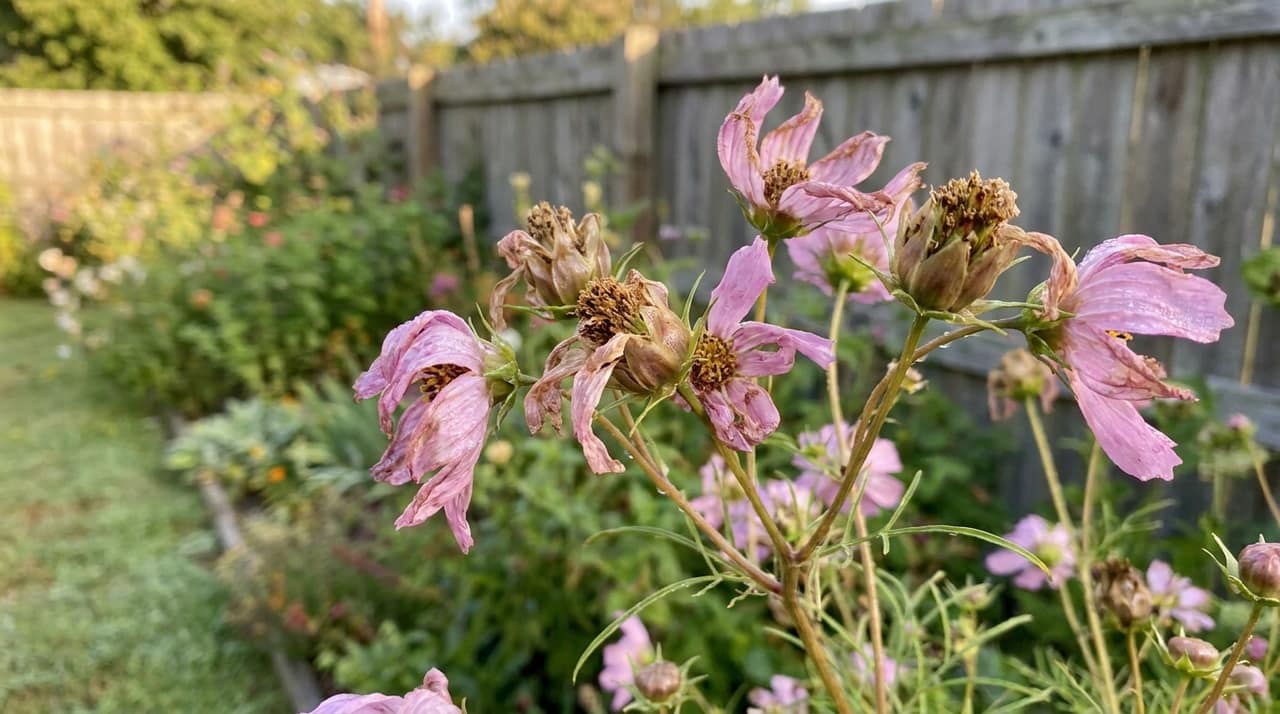
Your deadheading shears are your garden’s worst enemy this month. Whilst July blooms look tired and past their prime, the seed pods forming inside those spent flowers are lifelines for hungry birds and insects heading into autumn. Stop cutting, start resisting, and watch your garden become a wildlife sanctuary when food is scarcest.
July marks the halfway point of the growing season, and gardens across the UK and US are experiencing peak bloom fatigue. Temperatures are climbing, water stress is mounting, and gardeners instinctively reach for their secateurs to tidy things up. But this is precisely when leaving flowers alone matters most: seed production demands energy, and in drought conditions, every spent bloom left standing becomes stored nutrition for the birds and insects that will rely on it in three months’ time.
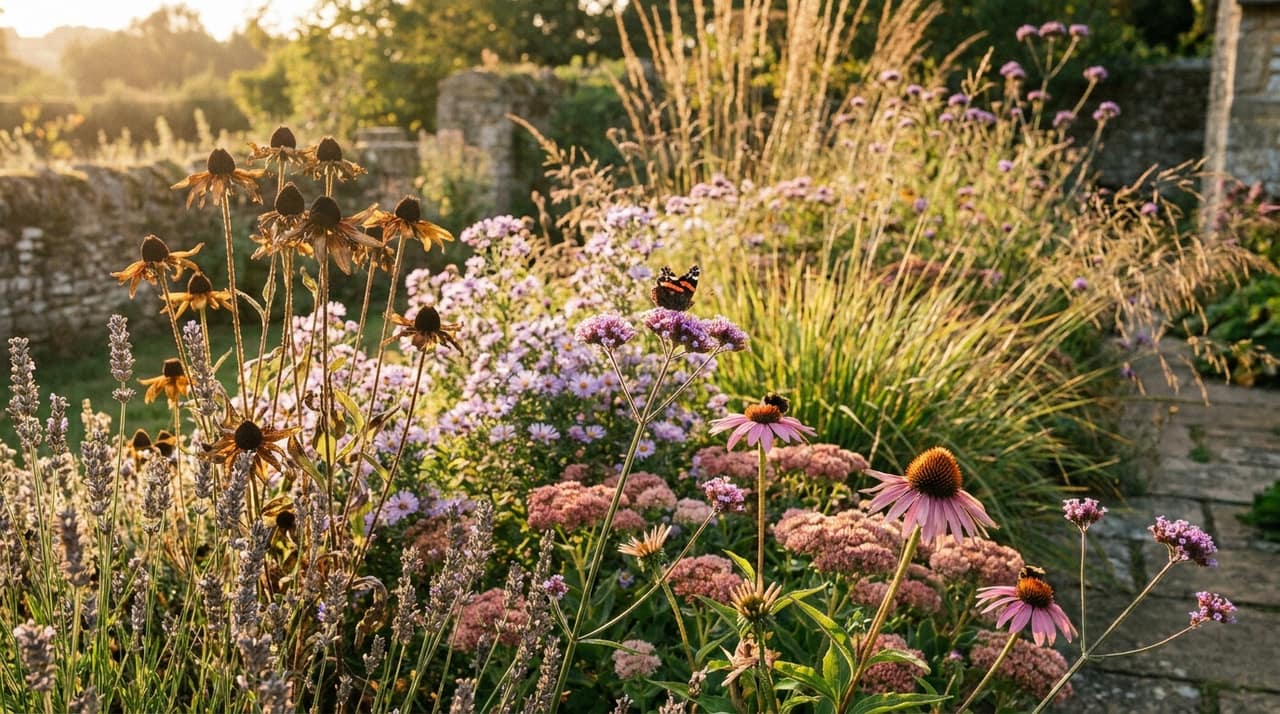
Deadheading is a reflex for many gardeners, drilled into us as the path to continuous flowering. Yet this habit carries a hidden ecological cost. When you remove seed heads from plants like coneflowers, rudbeckia, zinnias, and cosmos, you’re not just stopping future flowers, you’re eliminating the autumn food source that sustains goldfinches, sparrows, and a host of beneficial insects through the lean months ahead. Research from garden wildlife organisations suggests that gardens with mature seed heads can support up to three times more bird visits in autumn than those kept perpetually deadheaded.
The challenge intensifies during drought years, when plants are already stressed. By deadheading aggressively now, you force perennials to expend energy regrowing flowers rather than consolidating reserves below ground for winter survival.
Not every plant asks for the same treatment in midsummer. This table sorts the ornamental seed producers worth leaving standing from the few repeat-flowerers that still earn a light trim.
| Plant | Midsummer action | What the seed heads give |
|---|---|---|
| Coneflowers | Leave untouched | Seed for finches; stripped by mid-autumn |
| Rudbeckia | Leave untouched | Autumn food for seed-eating birds |
| Zinnias and cosmos | Stop deadheading | Seed heads feed birds and beneficial insects |
| Alliums and ornamental grasses | Leave standing | Strong visual appeal plus seed; frosted silhouettes |
| Roses and dahlias | Deadhead lightly and selectively | More flowers rather than seed |
Once the choice is made, the rest of the season is mostly a matter of leaving the shears in the shed.
Change your deadheading strategy with these four principles:
Over August and September, you’ll notice a visible shift in your garden’s character. Seed heads will darken and harden, birds will start visiting more frequently, and you’ll witness firsthand the ecological purpose of what many gardeners see as untidiness. By October, finches will be stripping seeds from your coneflowers whilst frost silhouettes your dried grasses against the morning sun. That’s not neglect, that’s resilience in action.