Sweet Violet Care: Growing Guide for Fragrant Blooms
·
0
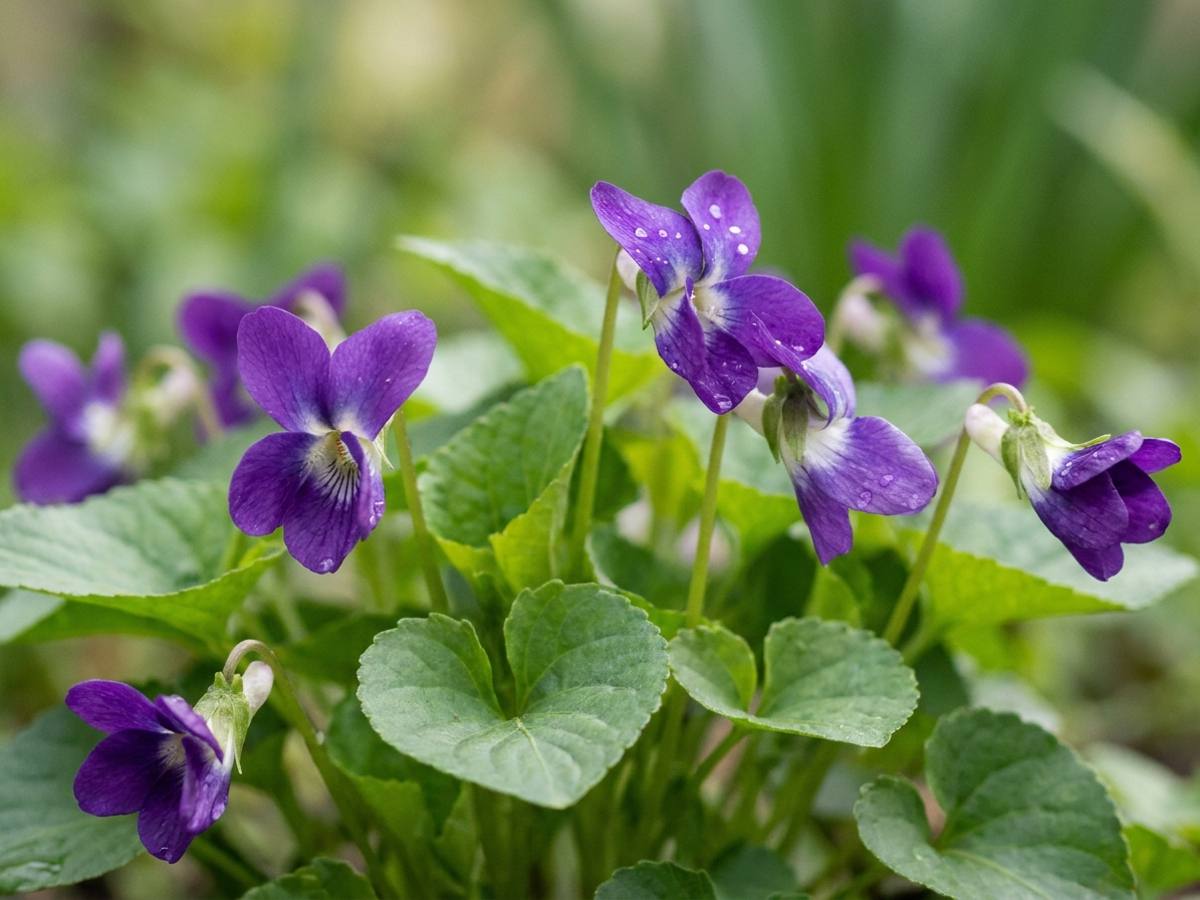
Viola odorata, commonly known as sweet violet, is a delicate herbaceous perennial prized for its intensely fragrant, deep purple flowers that emerge in late winter and early spring. This charming plant is a favourite for shaded borders, woodland gardens, and as a nostalgic cottage garden addition. Its sweet perfume and heart-shaped leaves make it both ornamental and historically significant—these blooms have been treasured for centuries in floristry and perfumery.
Growing conditions
Sweet violet thrives in partial shade to full shade, making it ideal for north-facing borders, woodland edges, and beneath deciduous shrubs and trees. It tolerates dappled sunlight well but may struggle in prolonged direct sun, particularly in hot summers when the foliage can scorch and flowering may diminish.
This plant prefers moist, well-drained soil rich in organic matter, with a slightly acidic to neutral pH of 6.0–7.0. It tolerates most soil types but dislikes waterlogged ground; adding leaf mould or garden compost before planting will improve soil structure and moisture retention.
Sweet violet is fully hardy across the British Isles and northern Europe, tolerating temperatures to −15 °C without protection. In very dry regions, afternoon shade and consistent moisture are essential to prevent the plant from becoming stressed during establishment.
How to plant Viola
The best time to plant sweet violet is in autumn (September to November) or spring (March to April), allowing the plant to establish roots before extreme heat or cold. Autumn planting is preferred, as it mimics the plant’s natural growth cycle and gives a longer establishment period before the first flowering season.
Space plants 30–45 cm apart to allow room for natural spread whilst maintaining good air circulation
Plant so the crown sits level with the soil surface—burying it too deeply can cause rot
Incorporate 5–7 cm of compost or leaf mould into the planting hole to enrich the soil
Water thoroughly after planting and keep the soil consistently moist (not soggy) for the first 4–6 weeks
Propagate established clumps by division in spring or autumn, or collect and sow seed in summer for plants to flower the following year
Care through the seasons
Spring: As new growth appears in March, apply a balanced slow-release fertiliser or a layer of compost around the plant base. Deadhead spent flowers regularly to encourage further blooms and prevent excessive self-seeding, though allowing a few flowers to set seed can naturalise the planting.
Summer: Water regularly during dry spells to keep soil consistently moist, particularly in the first year after planting. The foliage will start to look tired and may develop powdery mildew; improve air circulation by removing any congested growth and ensure the plant has adequate shade during peak heat.
Autumn: Cut back old, tatty foliage in late August or September to tidy the plant and encourage fresh growth. Divide congested clumps at this time if needed, or mulch around the base with 2–3 cm of leaf mould to insulate the roots and add nutrients as it breaks down.
Winter: Sweet violet remains semi-dormant but is not completely dormant; it may produce a few flowers on warm days. No protection is needed in most areas, though in exposed sites a loose mulch of straw or bracken can protect the crown during the hardest frosts.
Best varieties to grow
Several cultivars and seed strains offer variation in colour, size, and vigour for different garden settings.
Viola odorata ‘Semperflorens’ — A prolific selection that flowers from February through to May and beyond, with single deep purple flowers and excellent fragrance; RHS Award of Garden Merit (AGM)
Viola odorata ‘Double Burgundy’ — A rare double-flowered form with rich, dark burgundy flowers and intensely sweet scent, prized by gardeners seeking something unusual
Viola odorata ‘White de Chartreuse’ — Pure white flowers with yellow centres and strong fragrance, offering elegant contrast in shaded corners
Viola odorata ‘Czar’ — A vigorous, robust cultivar with large, deep purple flowers and exceptional hardiness, widely available and reliable for beginners
Pests, diseases and common problems
Powdery mildew: A white, dusty coating appears on foliage in warm, humid summers with poor air circulation. Remove affected leaves and spray with sulphur dust or a bicarbonate of potash solution (1 teaspoon per litre of water); improve ventilation by thinning overcrowded growth.
Leaf spot (fungal): Brown or grey spots develop on leaves, particularly in wet seasons; affected leaves should be removed and disposed of in the bin (not composted). Ensure adequate drainage and avoid wetting foliage when watering; space plants widely for air movement.
Red spider mite: Fine webbing and yellowing foliage indicate an infestation, especially in hot, dry conditions. Spray the undersides of leaves with water to increase humidity, or apply organic miticide spray; improving moisture levels around the plant deters the pest.
Slugs and snails: Young foliage is vulnerable to slug damage in spring, showing ragged holes. Hand-pick slugs at dusk, use beer traps, or lay copper tape around the plant; avoid overwatering, which creates favourable conditions for these pests.
Poor flowering: If flowers are sparse or absent, the plant may lack light or nutrients. Move the plant to a slightly brighter position with dappled shade, or feed with a phosphate-rich fertiliser (tomato food) to encourage blooming in late winter.