Veronica prostrata: expert tips for growing this alpine ground cover
·
0
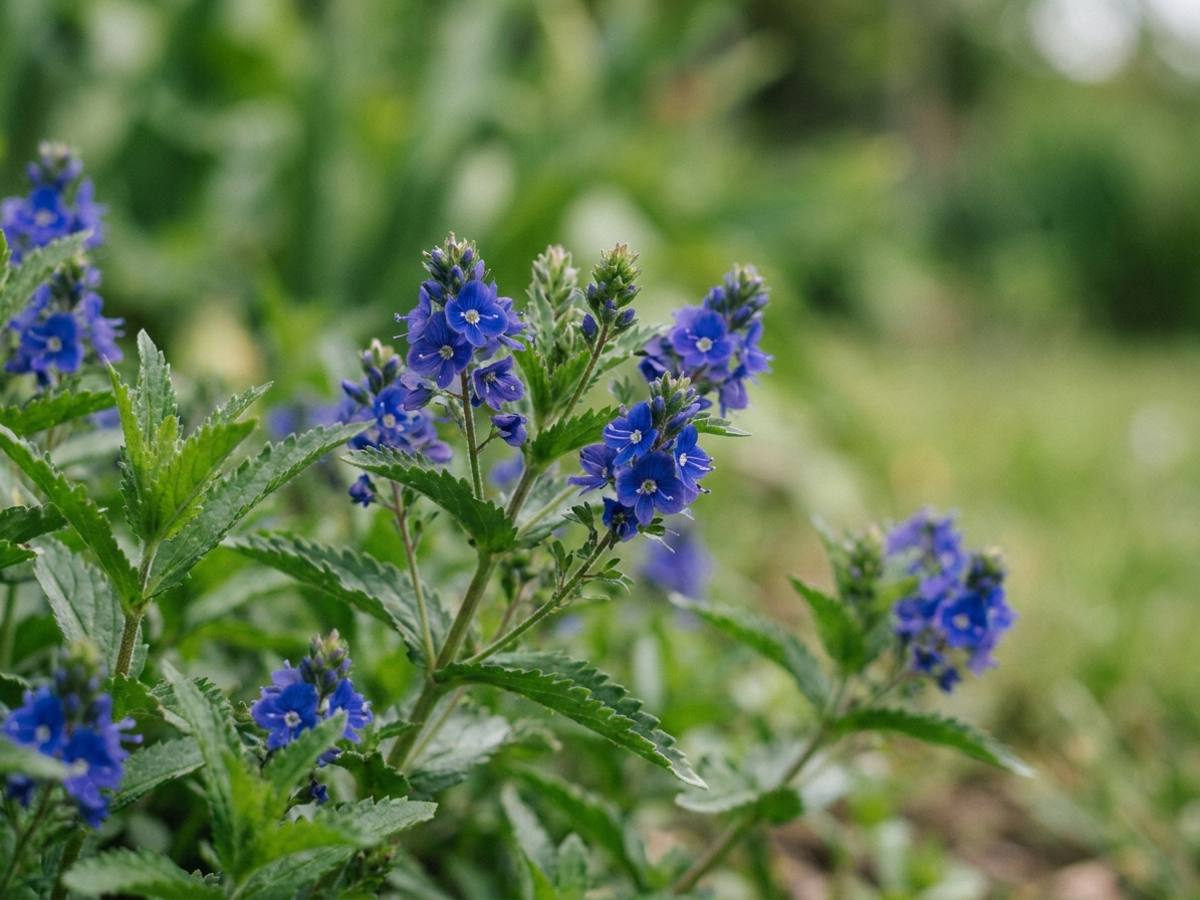
Veronica prostrata, commonly known as prostrate speedwell, is a charming low-growing perennial prized for its vibrant blue or pink flower spikes and carpeting habit. It excels as groundcover in rock gardens, alpine troughs, and sunny borders, where it creates a colourful mound just 10–15 cm tall. This hardy, drought-tolerant plant flowers prolifically from late spring through early summer and requires minimal maintenance once established.
Growing conditions
Veronica prostrata thrives in full sun and requires at least six hours of direct sunlight daily for optimal flowering and compact growth. In partial shade, plants become leggy and produce fewer flowers, making them less effective as groundcover. Whilst it tolerates light afternoon shade in hotter regions, flowering is always best in sunny positions.
This speedwell favours well-drained, gritty soil and actually performs better in poor, sandy or chalky ground than in rich compost. Heavy clay soils must be amended with grit or sharp sand to prevent waterlogging and root rot. A neutral to slightly alkaline pH is ideal, though the plant is reasonably tolerant of slightly acidic conditions.
Fully hardy throughout the UK and northern Europe, Veronica prostrata needs no winter protection in most climates. It tolerates exposed, windy positions without damage and thrives in mountainous regions and coastal gardens where drainage is good.
The conditions that decide success
Prostrate speedwell asks for very little, but it is unforgiving on two points: light and drainage. This table sets out what it needs and what happens when it does not get it.
The conditions that decide success
Condition
What it needs
What happens otherwise
Light
Full sun, at least six hours of direct sunlight a day
Leggy plants with fewer flowers, less effective as groundcover
Soil type
Well-drained, gritty loam or sandy soil, even poor or chalky ground
Rich compost gives softer, less characteristic growth
Drainage
Grit or sharp sand worked into heavy ground
Waterlogging and root rot, the plant’s main killer
Soil pH
Neutral to slightly alkaline
Slightly acidic soil is tolerated reasonably well
Exposure and cold
Hardy to −15 °C, no winter protection needed
Exposed, windy and coastal sites cause no damage where drainage is good
Get sun and drainage right and the rest of the year’s work amounts to a light trim.
How to plant Veronica
Plant young Veronica prostrata in spring once frost risk has passed, or in early autumn for establishment over winter. Spring planting allows plants to develop strong root systems before their first full flowering season.
Space plants 30–45 cm apart to allow room for their spreading habit without overcrowding or creating bare patches
Keep the crown level with soil surface; planting too deep encourages rot and weakens growth
Dig planting holes and amend heavy soil with horticultural grit or coarse sand mixed into the native soil
Water young plants thoroughly after planting and maintain consistent moisture for the first four weeks
Divide established clumps in spring or autumn to create new plants or rejuvenate congested specimens
A colourful mound only 10–15 cm tall, carpeting sunny ground
Care through the seasons
Spring: As new growth emerges, apply a light dressing of balanced organic fertiliser or a slow-release granule formulation around each plant. Remove any dead or damaged stems from winter, and deadhead spent flower spikes once flowering is underway to encourage a second flush of blooms in some years.
Summer: Water only during prolonged dry spells; once established, Veronica prostrata is remarkably drought-tolerant and dislikes excessive moisture. If plants become straggly or spread too vigorously, trim them lightly with shears after flowering to maintain a tidy outline. Ensure soil drainage is excellent, particularly in areas with heavy summer rainfall.
Autumn: Cut back overgrown plants by up to one-third in late autumn to encourage compact, bushy growth the following spring. Divide large clumps if desired, using either spade cuts or careful hand separation; replant divisions immediately and water in well. Apply a thin mulch of grit or gravel around plants if winter rain looks heavy.
Winter: The plant remains mostly evergreen and requires no special protection. In very wet winters, ensure surrounding soil drains freely to prevent waterlogging; poor drainage poses the greatest winter threat.
Best varieties to grow
Several named cultivars offer subtle differences in colour, habit and flowering performance.
Veronica prostrata ‘Rosea’ — A charming pink-flowered selection with the same compact, carpeting habit and drought tolerance as the blue species form.
Veronica prostrata ‘Trehane’ — Bears masses of bright blue flowers and golden-yellow foliage that intensifies in cool weather; an excellent ornamental choice for four-season interest.
Veronica prostrata ‘Mrs Holt’ — Produces pale pink flowers and compact, dense growth, making it ideal for small rock gardens and alpine troughs.
Veronica prostrata ‘Knollfield’ — Noted for its deep blue flowers and exceptionally low, trailing growth habit; excellent for cascading over stone edges.
Pests, diseases and common problems
Powdery mildew: A white coating on foliage occurs in overcrowded plantings with poor air circulation. Thin stems to improve ventilation and spray affected plants with a sulphur-based fungicide or neem oil, repeating weekly if needed.
Root rot: Yellowing foliage and soft stems indicate waterlogged soil, typically from poor drainage or over-watering. Improve drainage by adding grit to heavy soils; avoid planting in depressions where water collects, and allow soil to dry between waterings.
Slugs and snails: These pests occasionally nibble young foliage, particularly on new plantings in damp springs. Encourage predators such as hedgehogs by creating undisturbed habitat nearby, and remove hiding places such as old boards or dense dead leaf litter.
🌿 Nature & Garden Newsletter
Gardening tips, recipes & seasonal advice, twice a week.