Growing Persicaria affinis: care, varieties and garden uses
·
0
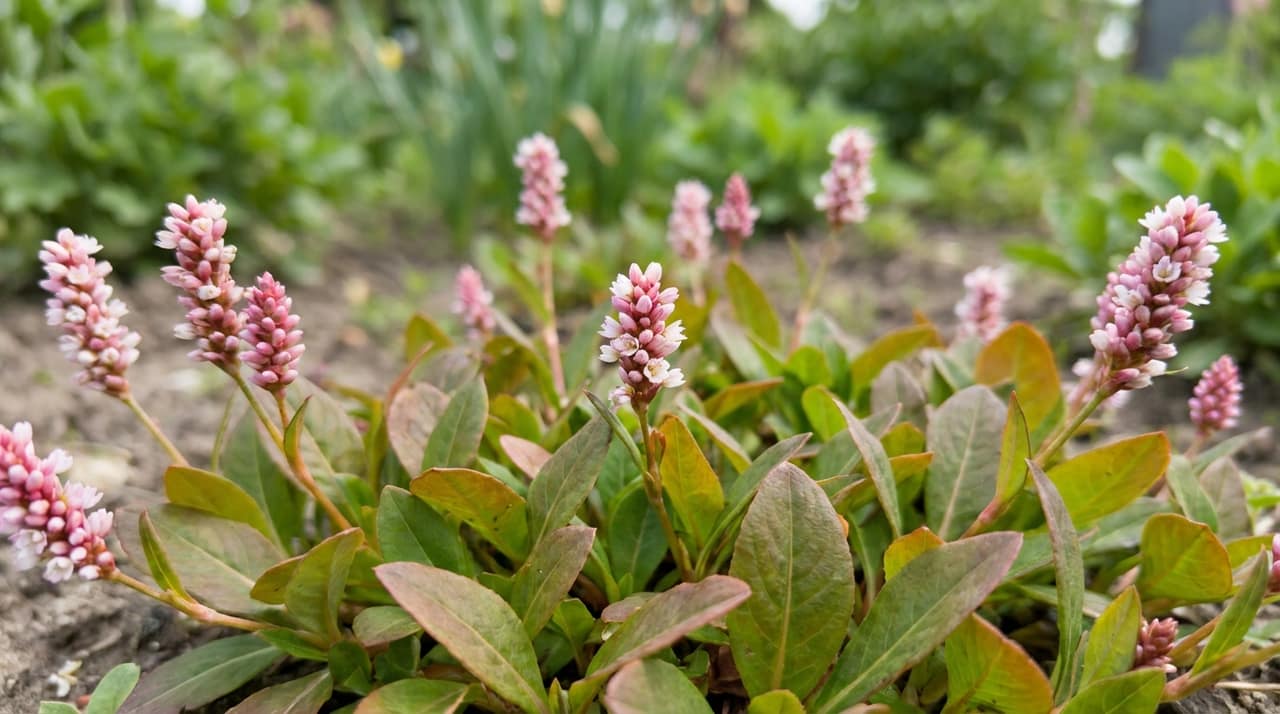
Persicaria affinis, commonly known as Bistorta affinis or Knotweed affinis, is a low-growing herbaceous perennial prized for its vibrant poker-like flower spikes and attractive bronze-tinged foliage. It thrives as ground cover in borders, woodland edges and moist beds, offering year-round visual interest. Its dense, creeping habit and prolific blooms make it an invaluable choice for gardeners seeking a low-maintenance spreading plant.
Growing conditions
Persicaria affinis performs best in full sun to partial shade, though it tolerates deeper shade reasonably well. In cooler climates, morning sun encourages robust flowering and keeps the foliage colouration vibrant. Afternoon shade in warmer regions helps prevent wilting during hot summers.
This perennial favours consistently moist but well-drained soil; waterlogged conditions can lead to root rot, whilst dry soil stunts growth and flowering. It is not fussy about pH but thrives in neutral to slightly acidic loam enriched with organic matter. Heavy clay should be amended with compost or grit to improve drainage.
Persicaria affinis is fully hardy across the UK and northern Europe, surviving winters without protection. It is particularly valuable in cool, damp regions where many tender perennials struggle.
How to plant Persicaria
Plant in spring or early autumn when the soil is warm and moist, allowing roots to establish before extreme weather sets in. Autumn planting gives a head start to spring growth.
Space plants 45–60 cm apart to allow room for creeping spread without crowding neighbours
Plant the crown at soil level; burying it too deeply can promote rot
Work 5–7 cm of well-rotted compost or leaf mould into planting holes to boost drainage and fertility
Water thoroughly after planting and maintain consistent moisture for the first four weeks
Divide established clumps in spring or autumn to rejuvenate old plants or propagate new ones
Care through the seasons
Spring: Remove dead foliage from the previous year as new growth emerges. Apply a light mulch of compost around plants, keeping it clear of the crown to prevent rot. Feed with a balanced organic fertiliser to support flowering.
Summer: Water regularly during dry spells, especially on sandy or chalky soils, to maintain the moist root environment this plant prefers. Deadhead faded flower spikes promptly to encourage a second flush of blooms. Watch for signs of creeping spread beyond intended boundaries and remove runners where necessary.
Autumn: Leave flower heads on the plant for architectural winter interest and to feed overwintering insects. Cut back hard in late autumn or early winter once foliage has been blackened by frost. Divide overgrown clumps this season to maintain vigour and control spread.
Winter: This perennial dies back completely, requiring no protection in the UK. The dormant crown is fully frost-hardy and benefits from a loose mulch of bark or compost to insulate the soil.
Best varieties to grow
Several cultivars offer distinct colour variations and growth habits; all are reliable and low-maintenance.
Persicaria affinis ‘Dimity’ — A compact form with soft pink flowers that deepen to red with age, excellent for smaller spaces
Persicaria affinis ‘Superba’ — Vigorous with long, deep red flower spikes and bronze-tinged foliage; an Award of Garden Merit winner
Persicaria affinis ‘Donald Lowndes’ — A renowned cultivar bearing pale pink flowers that age to deep rose, with notable autumn foliage colour
Persicaria affinis ‘Darjeeling Red’ — Produces intense crimson spikes from summer through autumn, creating dramatic late-season interest
Pests, diseases and common problems
Slugs and snails: Young growth is occasionally eaten in spring; encourage natural predators such as hedgehogs and ground beetles, or hand-pick pests on damp evenings. Beer traps and copper tape barriers offer organic protection.
Powdery mildew: White fungal coating appears on leaves in hot, dry summers, particularly if air circulation is poor. Improve ventilation, reduce overhead watering and apply sulphur dust or a potassium bicarbonate spray if infection is severe.
Root rot: Prolonged waterlogging causes crown and root collapse, manifesting as wilting despite wet soil. Improve drainage immediately by adding grit and compost; divide and replant in fresh, well-prepared ground if damage is advanced.
Excessive spread: This vigorous spreader can outcompete neighbours if not monitored; remove unwanted runners regularly and divide clumps every three to four years to control size.