Origanum vulgare: growing guide, care tips and best varieties
0
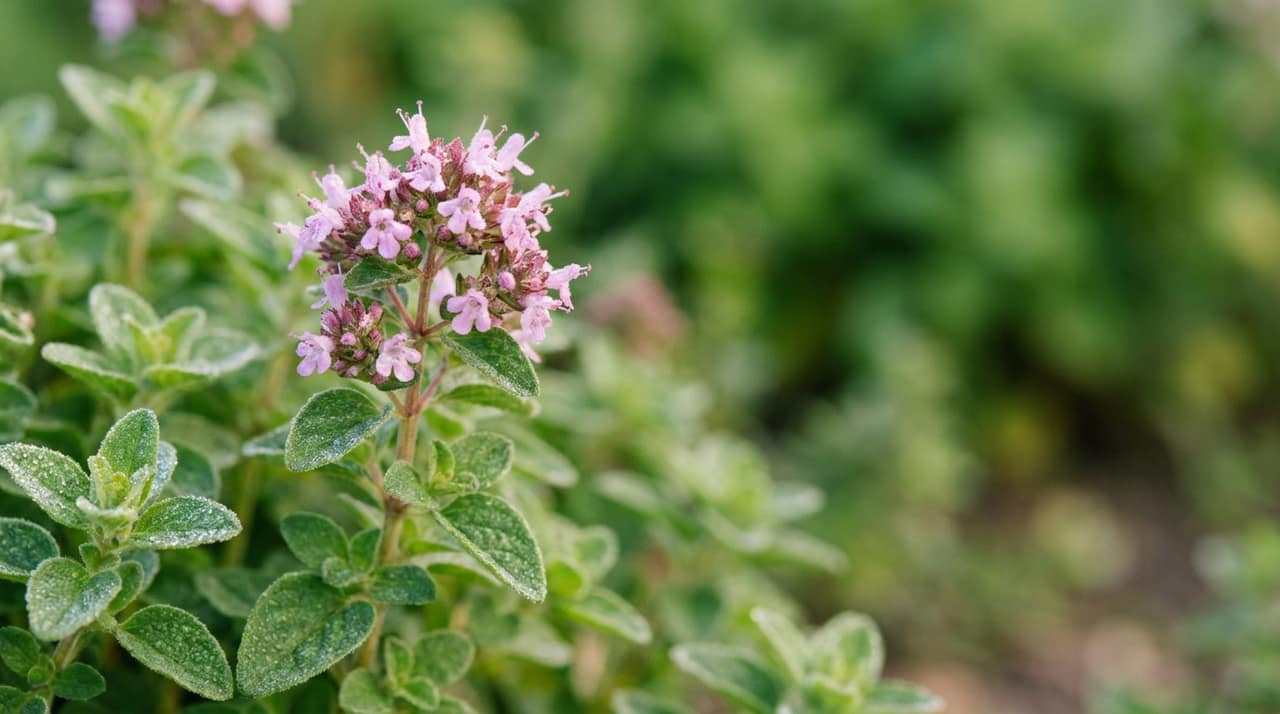
Origanum vulgare, commonly known as oregano or wild marjoram, is a fragrant herbaceous perennial prized for its aromatic leaves and delicate pink or purple flowers. It is an essential Mediterranean herb for the kitchen garden, yet equally valuable as a pollinator-friendly ornamental groundcover. This drought-tolerant plant thrives in the poorest soil and rewards neglect with vigorous growth and reliable harvests.
Growing conditions
Oregano demands full sun to achieve its finest flavour and most prolific flowering. A minimum of six hours of direct sunlight daily is essential; in partial shade, the plant becomes leggy, weak, and loses much of its aromatic potency.
This plant thrives in well-drained, poor to moderately fertile soil and will actually perform better on thin ground than in rich, heavily amended beds. Sandy or gravelly soils, chalk, and even poor clay work well provided drainage is excellent. Oregano tolerates slightly alkaline conditions but is equally happy in neutral to slightly acidic soil.
It is fully hardy throughout the UK and northern Europe, withstanding winter temperatures to −15 °C. In very wet, heavy clay areas, winter drainage becomes the main concern rather than cold.
How to plant Origanum
Plant in spring or early autumn, when soil temperatures encourage root establishment and moisture is naturally adequate. Autumn planting allows the plant to settle before summer heat.
Space plants 45–60 cm apart to allow room for mature spread without crowding neighbours.
Plant with the crown at soil level; bury too deeply and it may rot, especially in damp winters.
Improve drainage in heavy soil by working in grit or coarse sand; oregano resents waterlogging.
Water in gently after planting and keep evenly moist for the first two to three weeks.
Divide established clumps in spring or autumn every three to four years to rejuvenate older plants and increase stock.
Care through the seasons
Spring: Cut back any winter-damaged stems to healthy growth and tidy the plant’s outline. A light feed with general-purpose fertiliser or a sprinkle of balanced granular feed encourages fresh foliage. New growth will appear rapidly as soil warms.
Summer: Water moderately only in prolonged drought; oregano is drought-tolerant once established and prefers dry conditions to wet ones. Deadhead spent flower clusters to encourage further blooming throughout the season. In very fertile gardens, apply light stress by withholding feed to concentrate flavour in the leaves.
Autumn: Harvest leaves for drying or freezing before the first hard frost; oregano flavour is most intense just as plants begin to flower. Cut back to roughly half height after flowering to tidy plants and remove woody stems. Divide overcrowded clumps, replanting vigorous outer sections.
Winter: Oregano remains semi-evergreen in mild winters but dies back significantly in harsh years. No protection is necessary in the UK, although extremely exposed, wet sites may benefit from a light mulch of grit around the base to prevent winter waterlogging.
Best varieties to grow
Many cultivars and subspecies exist, each with subtle differences in flavour, appearance, and hardiness.
Origanum vulgare subsp. hirtum — The Greek oregano, considered the finest culinary form, with a robust peppery flavour and a RHS Award of Garden Merit.
‘Aureum’ — Golden-leaved variant excellent for ornament, especially in spring; paler flowers and milder flavour than green types.
‘Compactum’ — Dense dwarf form reaching only 15–20 cm, ideal for pots and front borders, with deep pink flowers.
‘Polyphant’ — Compact variegated cultivar with cream and green foliage, less vigorous than the species and suitable for containers.
‘Thumbles’ Variety’ — Exceptionally compact, slow-growing form with fine foliage and purple-pink flowers; excellent for alpine troughs and small spaces.
Pests, diseases and common problems
Powdery mildew: A grey-white coating on leaves occurs in hot, dry summers, especially if air circulation is poor. Thin congested plants, avoid overhead watering, and spray infected foliage with sulphur dust or a milk-based fungicide.
Root rot: Waterlogged soil in winter causes the base of the plant to rot and collapse. Improve drainage immediately, remove affected stems, and allow the plant to dry out; in severe cases, propagate from healthy stems and discard the old plant.
Lax, leggy growth: Insufficient light, over-feeding, or excessive moisture causes weak, sprawling stems with sparse foliage. Cut back hard, move the plant to sunnier ground if possible, and reduce watering and feeding.
Spider mites: Tiny red or yellow mites cause a fine webbing and yellowed, stippled leaves in hot, dry conditions. Increase humidity by misting, encourage natural predators, or use a miticide derived from neem oil.