Campanula poscharskyana: growing guide, care tips and best varieties
·
0
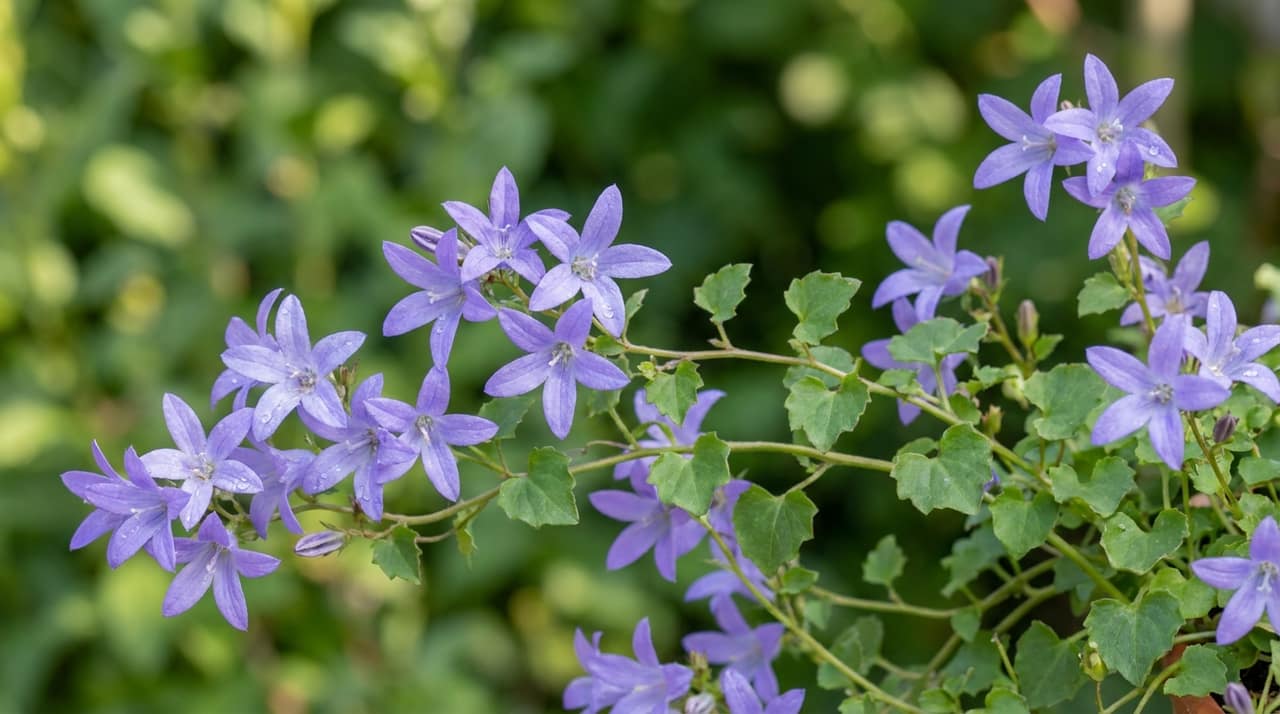
Campanula poscharskyana is a vigorous, low-growing perennial prized for its profusion of delicate, star-shaped lavender-blue flowers that cascade gracefully over rock gardens, walls and borders. This Dalmatian bellflower is especially valued as groundcover and for softening harsh edges on pathways and stone features. Its spreading habit and long flowering season make it a reliable choice for naturalistic planting schemes.
Growing conditions
Campanula poscharskyana thrives in full sun to partial shade, though flowering is most prolific in brighter positions. In very hot climates, afternoon shade helps prevent scorching and extends the flowering period. Avoid heavily shaded sites, where growth becomes leggy and flowering diminishes.
This bellflower prefers well-drained soil and tolerates poor, sandy or gravelly substrates better than rich, waterlogged conditions. A slightly alkaline to neutral pH is ideal, though it adapts to mildly acidic soils. Amend heavy clay with grit or compost before planting to improve drainage and prevent root rot.
Fully hardy throughout the British Isles and northern Europe, Campanula poscharskyana requires no winter protection even in severe climates. It performs equally well in coastal regions and inland gardens, though strong winds may require gentle support in exposed positions.
How to plant Campanula
Plant in spring once the soil is workable, or in early autumn to establish strong root systems before winter. Spring planting gives plants a full season to settle; autumn planting extends the establishment period into the following growing season.
Space plants 45–60 cm apart to accommodate their spreading habit and allow air circulation around developing foliage.
Plant with the crown level with the soil surface; burying the crown encourages rot in wetter climates.
Work grit and compost into the planting hole if your soil is heavy or compacted.
Water in thoroughly after planting and maintain consistent moisture for the first 4–6 weeks.
Propagate established clumps by division in spring or take basal cuttings in early summer to increase stock.
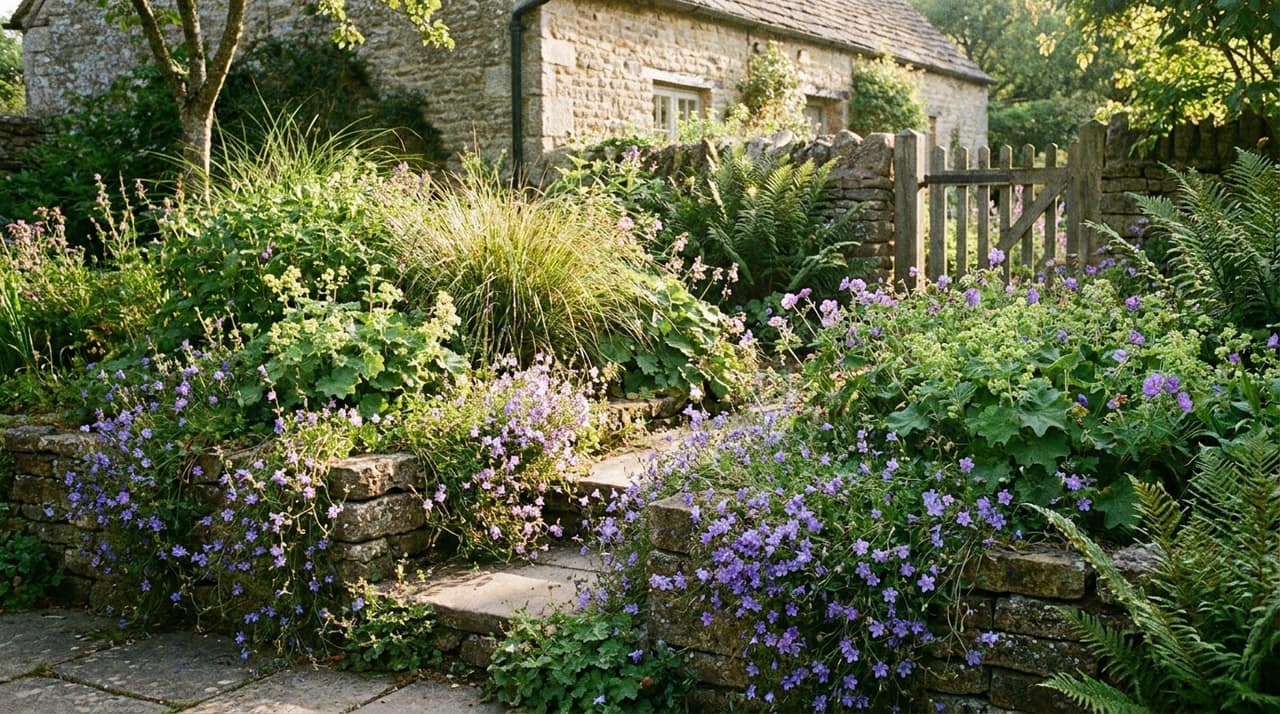
Spills over walls and softens hard path edges
The care year in one table
Dalmatian bellflower asks for very little, but the few jobs it does need are tied to a particular moment in the year. This table sets out what to do and why, season by season.
The care year in one table
Period
Main tasks
Purpose
Early to mid-spring
Clear winter-damaged foliage, trim straggly growth, light balanced feed or compost mulch
Encourages compact, bushy development
Early to late summer
Water in prolonged dry spells, deadhead every two weeks, pull back wayward stems
Maximises flower production and prevents unwanted self-seeding
Mid-autumn
Cut flowering stems back by half, divide congested clumps and discard woody centres
Tidies the plant and reduces winter fungal risk
Early winter to late winter
Leave alone; loose mulch around the crown on clay soils
Guards against frost heave, no other protection needed
Deadheading is the one task that runs right through the flowering season, and it does more for the display than anything else.
Care through the seasons
Spring: Remove any winter-damaged foliage and trim back straggly growth in March to encourage compact, bushy development. Apply a light feed of balanced fertiliser as new growth emerges, or a light mulch of compost around the crown to conserve moisture. Deadhead faded flowers regularly to maintain vigour and extend the flowering season.
Summer: Water during prolonged dry spells, particularly in the first season after planting, aiming for moist but not sodden soil. Monitor spread and gently pull back wayward stems to prevent smothering neighbouring plants, especially in confined spaces. Deadheading every two weeks maximises flower production and prevents unwanted self-seeding.
Autumn: Allow some flowers to remain for ornamental seedheads and wildlife value, though deadhead the majority to preserve plant energy. Cut back the flowering stems by half in October to tidy the plant and reduce winter fungal risk. Divide established clumps if they have become congested, replanting vigorous outer portions and discarding old, woody centres.
Winter:Campanula poscharskyana dies back to a basal rosette in cold climates and remains semi-evergreen in milder regions. No winter protection is necessary, though loose mulch around the crown helps protect from frost heave in clay soils.
Best varieties to grow
The species itself is the most popular form, but a few named cultivars offer subtle variations in colour and habit.
Campanula poscharskyana — The vigorous species type with lavender-blue flowers and spreading habit, ideal for large-scale groundcover and cascading effects.
‘Stella’ — A compact cultivar reaching only 10 cm tall with more densely clustered lavender flowers, better suited to small rock gardens and tight spaces.
‘E.H. Frost’ — A rare white-flowered form offering elegant contrast in shady corners and providing subtle brightness in evening light.
‘Blue Gown’ — A deeper blue selection with slightly larger flowers, adding richer colour depth to border schemes and containers.
Pests, diseases and common problems
Slugs and snails: Young foliage is particularly vulnerable; protect with copper tape, beer traps or organic nematode treatments in spring. Remove debris where pests shelter and encourage natural predators such as ground beetles.
Powdery mildew: A white coating on leaves signals fungal infection in warm, humid conditions with poor air circulation. Thin out overcrowded stems, avoid overhead watering and improve ventilation; severe cases respond to sulphur dust.
Root rot: Waterlogging causes wilting and blackening of the crown and roots, particularly in heavy soils. Improve drainage, avoid mulching directly against the crown and replant affected specimens in fresh, gritty compost.
Poor flowering: Insufficient light, excessive nitrogen or thick leaf litter smothers flower buds. Move plants to brighter positions, feed with potassium-rich fertiliser in summer and remove accumulated mulch in spring.
Excessive spreading: Vigorous growth can overwhelm neighbours in small gardens; remove outer runners or contain plants with permeable barriers sunk into the soil.
“`html
“`
🌿 Nature & Garden Newsletter
Gardening tips, recipes & seasonal advice, twice a week.