Leptinella squalida: growing guide, care tips and best varieties
·
0
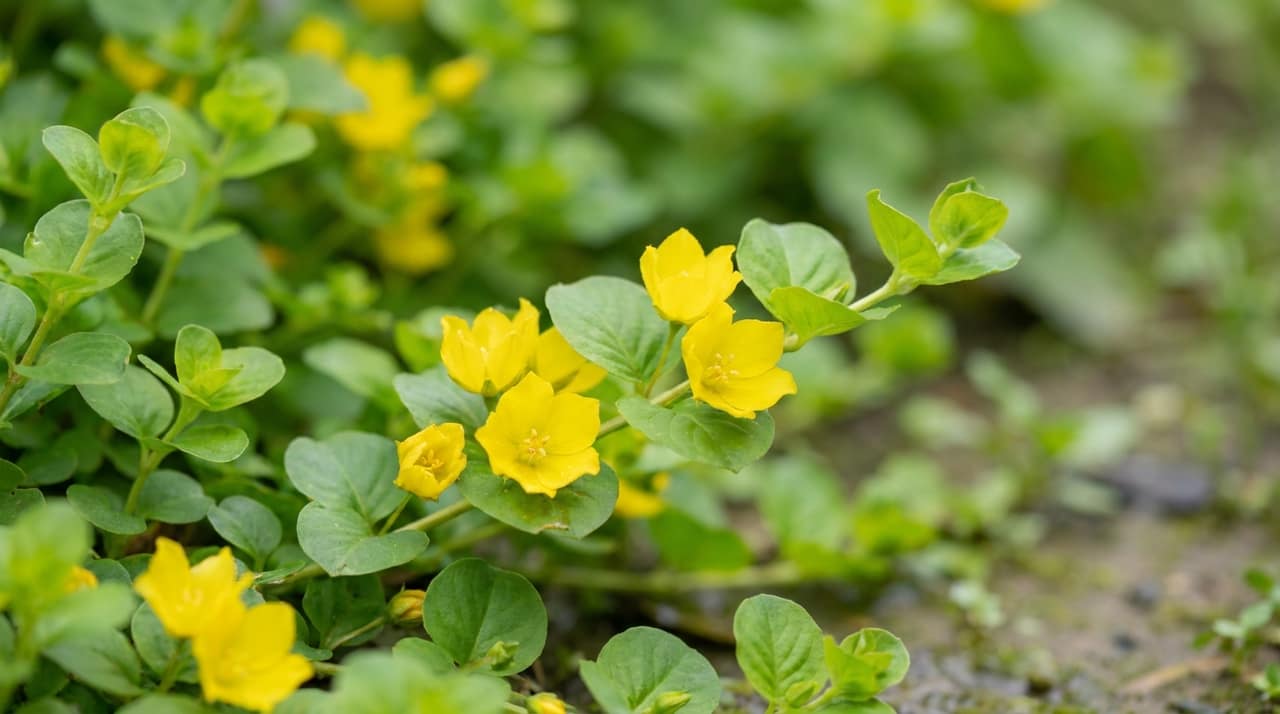
Leptinella squalida, commonly known as New Zealand brass buttons, is a charming low-growing ground cover prized for its finely dissected, ferny foliage and tiny, button-like yellow flowers that appear throughout the growing season. Its delicate appearance belies a tough, spreading habit that makes it invaluable for colonising bare ground, edging pathways, and softening the harsh lines of paving and walls. This diminutive creeping perennial is particularly valued by gardeners seeking a maintenance-light alternative to conventional lawn for small areas or between stepping stones.
Growing conditions
Leptinella squalida thrives in full sun, where flowering is most prolific and foliage colour develops richest. It tolerates partial shade, though growth becomes less dense and flowering diminishes in deeper shade. Afternoon shade is beneficial in very hot climates, protecting delicate foliage from scorching.
This species is remarkably undemanding regarding soil, tolerating poor, compacted, or sandy conditions that would defeat many other ground covers. Well-drained soil is essential—waterlogged ground causes root rot and decline. Brass buttons prefer neutral to slightly acidic soil but adapt well to chalky conditions.
Fully hardy in most of the British Isles, Leptinella squalida survives winter temperatures down to −10 °C with ease. In very cold or exposed northern gardens, it may lose vigour but rarely fails entirely; once established, plants recover robustly come spring.
How to plant Leptinella
Plant in spring or early autumn when soil moisture is reliable and temperatures are mild, allowing good establishment before summer drought or winter cold. Autumn planting is particularly successful in regions with adequate winter rainfall.
Space plants 20–30 cm apart; they spread swiftly and will knit together within a season
Plant with the crown level to the soil surface; bury too deeply and rot may develop
Improve poor, compacted soil with grit and organic matter to aid drainage, though this plant tolerates unamended ground
Water thoroughly after planting, then keep soil consistently moist for the first two to three weeks
Divide or take rooted runners in spring for free new plants, simply pegging runners into adjacent soil until they root
Care through the seasons
Spring: Remove any winter-damaged foliage and carefully tease out any debris trapped amongst the fine leaves. Feed lightly with a balanced general fertiliser in early spring if growth appears weak, though established plants rarely need feeding. Watch for fresh runners beginning to spread across bare ground.
Summer: Water regularly during dry spells, especially in the first year; established plants are drought-tolerant but flower better with moderate moisture. Deadhead spent flower heads if a neater appearance is desired, though this is optional. Check that plants are not smothering neighbouring smaller alpines or choice specimens that prefer space.
Autumn: Cut back any leggy or overgrown stems to encourage denser growth and rejuvenate tired patches. Divide overcrowded clumps and either replant or pot rooted sections to increase your stock. Apply a thin mulch of grit around plants in colder regions to improve drainage through winter.
Winter:Leptinella squalida remains evergreen and requires little intervention during dormancy. In regions with heavy snow or severe frost, a protective frame may benefit marginal specimens, though hardy plants usually need no assistance.
Best varieties to grow
The species itself is the most commonly grown form, though a few named selections offer subtle variations.
Leptinella squalida (the species) — Finely dissected, bright green foliage with abundant tiny yellow flowers; the standard choice for most gardeners
Leptinella squalida ‘Platt’s Black’ — Bronze-tinged, almost blackish foliage in cool weather provides dramatic contrast; flowers less profusely than the species
Leptinella squalida subsp. nana — An ultra-compact form, barely 1 cm tall, ideal for troughs and sink gardens where the type might sprawl too vigorously
Pests, diseases and common problems
Root rot in wet winters: Foliage blackens and plants collapse if drainage is poor; always choose well-drained sites or grow in pots where moisture is controlled. Once rot occurs, save healthy runners and replant in gritty compost elsewhere.
Slugs and snails: Young growth may be nibbled, especially in damp springs; encourage ground beetles by avoiding pesticides, and water in early morning so foliage dries quickly. A beer trap or copper tape around container plants offers organic control.
Powdery mildew: Rare but possible in humid, stagnant air; improve air circulation and avoid wetting foliage overhead. Spray with sulphur dust or a bicarbonate of soda solution at first sign of white coating on leaves.
Leggy, thin growth: Insufficient light or overcrowding causes sparse, pale foliage; cut back hard and improve light exposure, or divide and replant with wider spacing.