Oenothera speciosa: growing guide, care tips and best varieties
·
0
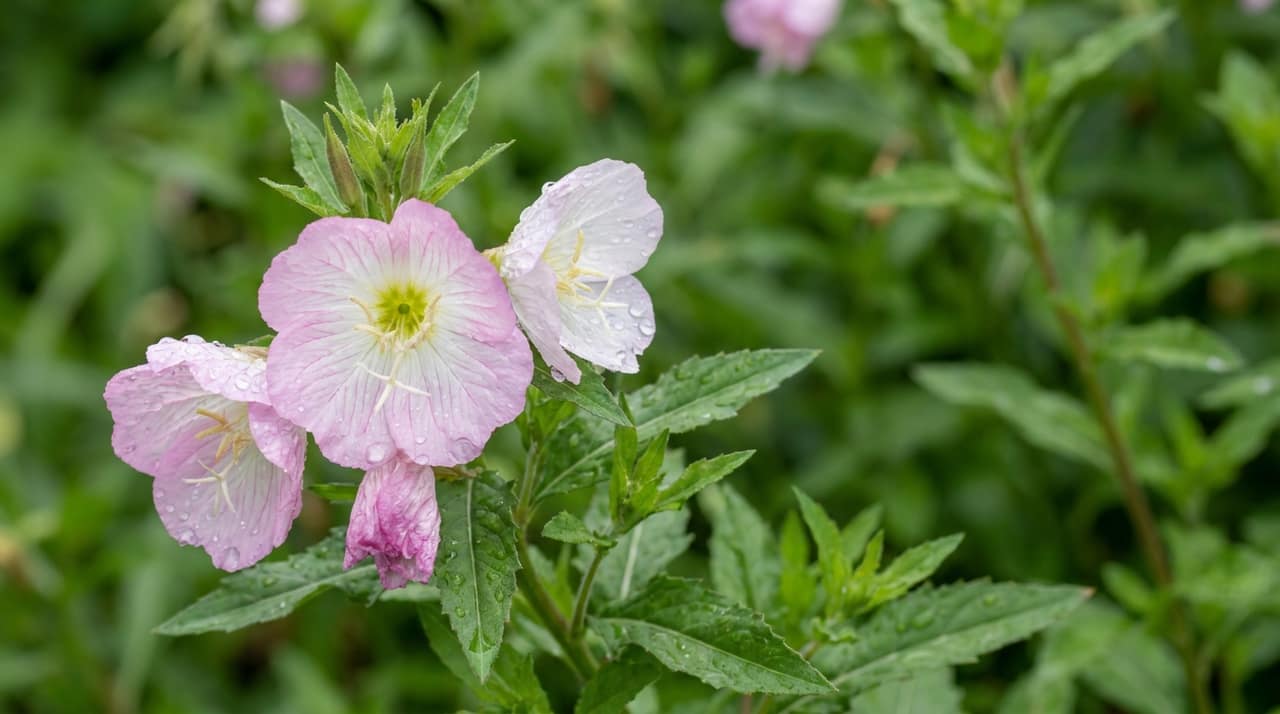
Oenothera speciosa, commonly known as showy evening primrose, is a charming perennial prized for its delicate, pale pink or white flowers that open in the evening. Its low-growing habit and prolific blooming habit make it an excellent choice for cottage gardens, borders, and wildflower meadows. This North American native is remarkably vigorous and unfussy, thriving in poor soil where many ornamentals would struggle.
Growing conditions
Oenothera speciosa performs best in full sun, where it flowers most abundantly and develops its characteristic compact form. In partial shade, particularly in warmer regions, the plant remains healthy but produces fewer blooms and may become slightly lax. Aim for at least six hours of direct sunlight daily for optimal flowering.
This species is not fussy about soil type and actually prefers poor, well-drained conditions over rich, heavily amended beds. Sandy, gravelly, or stony soils are ideal; the plant tolerates slightly alkaline through neutral pH ranges. Heavy clay or waterlogged soils will cause root rot, so good drainage is essential in all cases.
Oenothera speciosa is hardy throughout the UK and most temperate regions, tolerating temperatures well below freezing. It thrives in Mediterranean-type climates and hot, dry summers but requires reliable moisture during establishment. In cooler regions, mulching with grit rather than organic matter helps prevent collar rot during wet winters.
How to plant Oenothera
Plant in spring or early autumn to allow the root system to establish before extreme temperatures arrive. Spring planting gives the best results in colder areas, whilst autumn suits warmer regions where the soil remains warm enough for root development.
Space plants 45–60 cm apart to allow room for lateral spread without overcrowding
Plant the crown at soil level—never bury it, as this encourages rot
Prepare the planting area by working in grit or sand if soil is heavy; avoid rich compost or manure
Water in gently after planting, then allow the soil to dry between waterings during the establishment period
Divide established clumps in spring to propagate or rejuvenate congested plants
Care through the seasons
Spring: As new growth emerges, apply a sparse top-dressing of balanced, low-nitrogen fertiliser if the soil is very poor. Remove any dead or damaged stems from winter damage. Divide congested clumps before new shoots are too tall to handle.
Summer: Once established, Oenothera speciosa requires little watering except during prolonged drought. Deadhead spent flowers regularly to encourage continuous blooming throughout the season. Watch for the plant spreading aggressively into neighbouring borders and remove unwanted shoots promptly to keep it under control.
Autumn: Cut the entire plant back to ground level in late autumn after flowering finishes and before winter frosts arrive. If self-seeding has created overcrowding, remove excess seedlings before they compete for resources. Avoid autumn feeding, which encourages soft growth vulnerable to frost damage.
Winter: The plant dies back completely to its rootstock and requires no maintenance during dormancy. In wet regions, ensure the crown remains clear of decaying leaf litter by applying a mulch of grit rather than bark chips.
Best varieties to grow
Several selected cultivars of Oenothera speciosa offer improved habit or extended flowering.
‘Rosea’ — This deep rose-pink form is more ornamental than the species, with slightly larger flowers and a tidy mounding habit.
‘Childsii’ — A pure white double-flowered variety that offers a crisp, cottage-garden aesthetic and a slightly longer flowering season.
‘Woodside White’ — A compact white-flowered selection with excellent vigour and reliable summer-long flowering from June through August.
‘Pink Petticoats’ — A semi-double pink form with longer-lasting blooms that fade to a deeper hue as they age, creating a two-tone effect.
Pests, diseases and common problems
Root rot: Yellowing foliage and collapse, typically in winter when soil is waterlogged. Improve drainage, ensure the crown is not buried, and avoid applying organic mulch near the base of the plant.
Powdery mildew: A white fungal coating on leaves, particularly if air circulation is poor. Remove affected leaves, improve spacing between plants, and avoid overhead watering in late afternoon.
Excessive spread: The plant self-seeds prolifically and can become invasive in favourable conditions. Deadhead before seed pods mature, or divide congested clumps in spring to manage vigour.
Slugs and snails: Emerging spring shoots can be nibbled, especially in wet weather. Encourage ground beetles and thrushes by avoiding slug pellets; hand-pick pests in early morning.
Poor flowering: Often caused by inadequate light or overly rich soil that favours leafy growth. Relocate to a sunnier spot or reduce nitrogen fertiliser applications.