Acaena microphylla: growing guide, care tips and best varieties
·
0
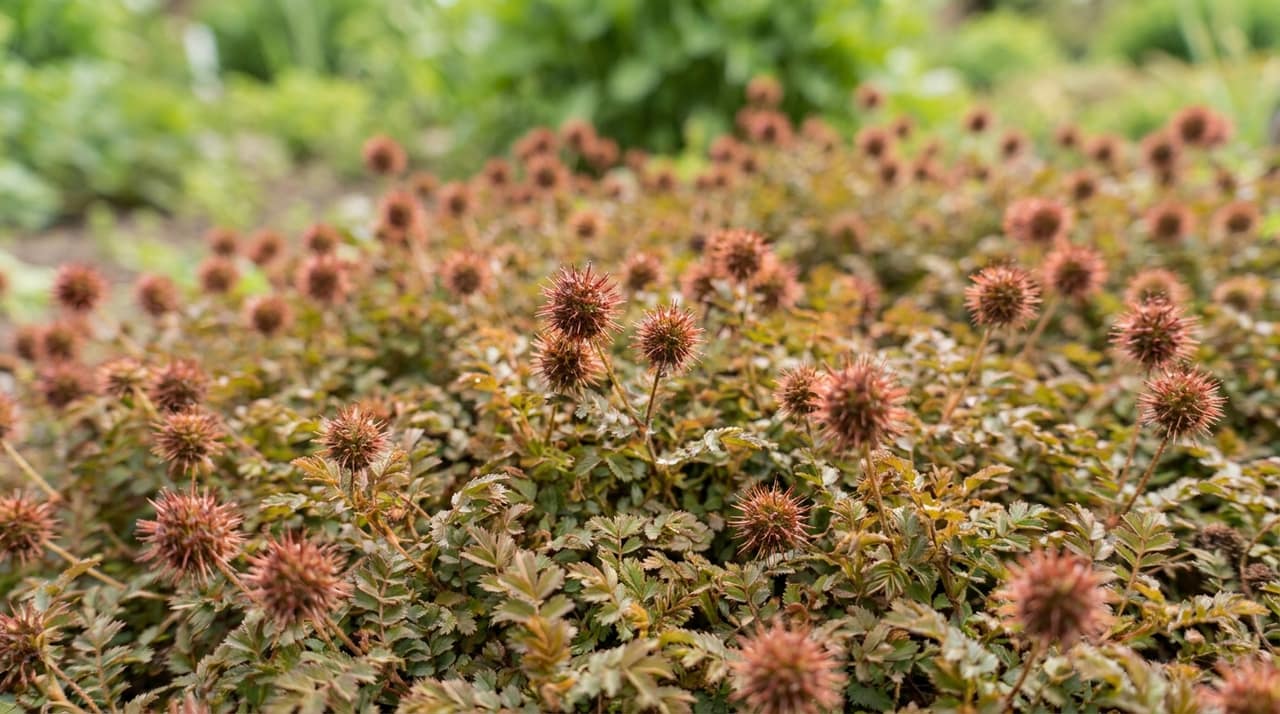
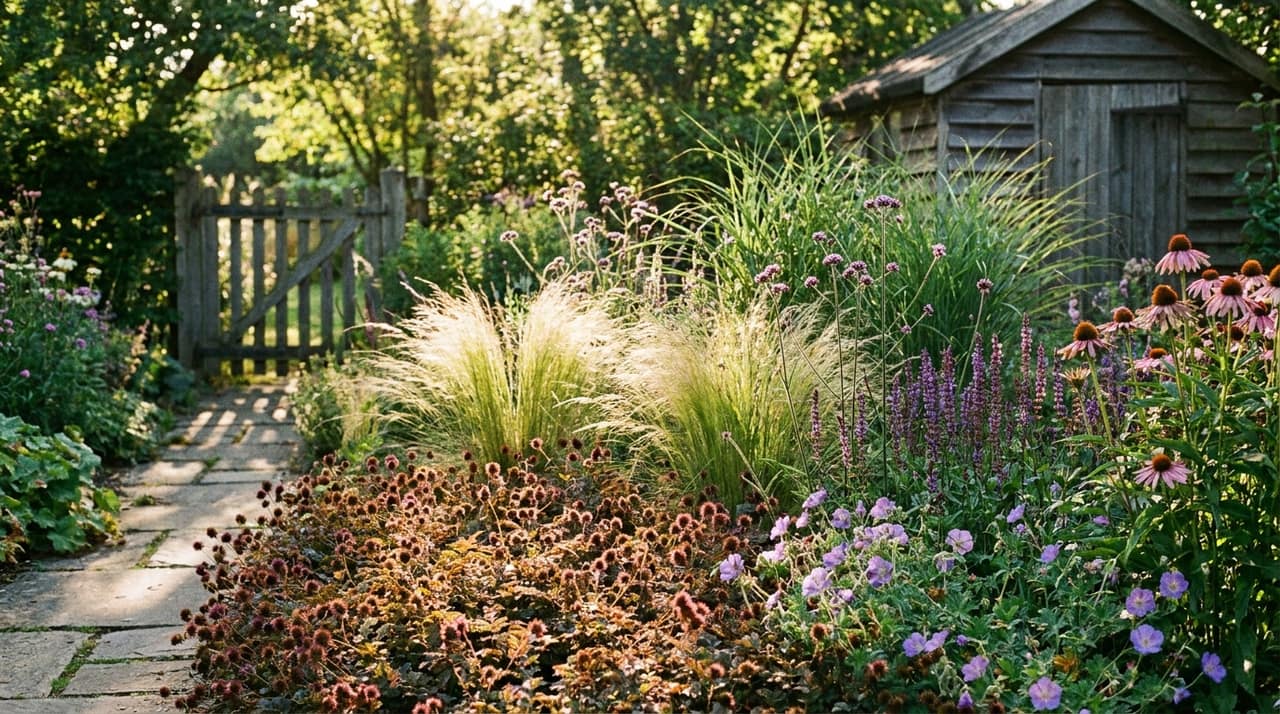
Acaena microphylla is a charming creeping alpine perennial prized for its tiny, finely divided silvery-green foliage and distinctive bronze-red seed heads. It excels in rock gardens, scree beds, and as groundcover between paving, offering year-round architectural interest with minimal fuss. This New Zealand native is particularly valued for its compact habit and ability to create textured carpets in challenging alpine conditions.
Growing conditions
Acaena microphylla thrives in full sun, where it develops its richest bronze-red colouring in the seed heads and foliage. Partial shade is tolerated, though plants may appear less vibrant and grow more laxly in heavy shade. Position it where it receives at least 4–6 hours of direct sunlight daily for best results.
This alpine specialist demands sharp drainage above all else; waterlogged roots will cause swift decline and rot. Sandy, gritty, or rocky soil is ideal—the poorer the fertility, the more compact and colourful the plant becomes. Neutral to slightly alkaline soil suits it well, though it is tolerant of acidic conditions.
Hardy throughout the British Isles and northern Europe down to −15 °C, Acaena microphylla requires no winter protection in most temperate regions. It performs best in cool mountain or upland gardens but adapts well to lowland rockeries provided drainage is excellent.
How to plant Acaena
Plant Acaena microphylla in spring (March to May) when the soil is warming and the risk of hard frost has passed. This timing allows young plants to establish strong roots before summer drought stress.
Space plants 30–45 cm apart to allow room for spreading without immediate competition
Set the crown (where stem meets root) at soil level—never bury it or allow it to sit proud of the ground
Incorporate coarse grit, sand, or perlite into the planting hole to ensure rapid drainage away from the crown
Water in gently after planting, then allow the soil to dry slightly between subsequent waterings during establishment
Divide established clumps in spring or early autumn to propagate new plants or rejuvenate older specimens
Creeping carpets for rock gardens, scree and paving
Care through the seasons
Spring: Clear away any winter-damaged foliage and debris from the crowns once new growth is visible. A light sprinkling of balanced organic fertiliser around plants (avoiding direct contact with foliage) will support strong growth. Watch for frost pockets where late frosts might catch emerging shoots.
Summer: Water sparingly except during prolonged dry spells; established plants are remarkably drought-tolerant. Thin back overly vigorous runners with a hand fork to prevent the plant from smothering smaller alpine neighbours. The distinctive russet seed heads appear during mid-to-late summer—leave them in place for ornamental value.
Autumn: Divide congested plants in early autumn (August to September) using a sharp spade to separate rooted runners, then replant divisions immediately. Mulch lightly with grit around the crowns to improve drainage through winter if your site is prone to waterlogging. Avoid thick organic mulches, which trap moisture and invite rot.
Winter: The foliage may take on deeper bronze or burgundy tones in cold weather—this is normal and attractive. No protective covering is needed in most years; hardy to well below typical UK winter temperatures.
Best varieties to grow
Most garden specimens of Acaena microphylla are the species itself, though several cultivars offer subtle variations in colour and vigour.
‘Copper Carpet’ — Features notably coppery foliage and bold russet seed heads; a favourite for dramatic groundcover displays in alpine sinks and troughs.
‘Purpurea’ — Exhibits deeper purple-bronze tones throughout the growing season, becoming darker in cold weather and full sun.
‘Blue Haze’ — Displays blue-grey-tinted foliage with red seed heads, offering a cooler colour palette for contemporary gardens.
Species Acaena microphylla — The original form with silvery-green foliage and glowing red-bronze burrs; robust and widely available.
Pests, diseases and common problems
Root rot and crown rot: Caused by waterlogging or poor drainage, this appears as blackening at the base of the plant and wilting foliage. Prevent by ensuring excellent drainage and avoiding overhead watering; there is no cure once rot is established.
Rust: Orange-brown pustules may appear on the undersides of leaves in damp summers. Remove affected foliage, improve air circulation by thinning runners, and ensure the site is not overshadowed by neighbours.
Powdery mildew: A fine white coating on leaves can occur in warm, humid conditions with poor air flow. Thin overcrowded growth, avoid wetting foliage, and dust affected areas with sulfur powder if needed.
Slugs and snails: Young growth may be nibbled, especially in damp springs. Encourage ground beetles by providing shelter; apply copper tape around container-grown plants, or use organic slug pellets sparingly.
Over-spreading: In rich soil or shaded conditions, the plant can become invasive and smother smaller alpines. Control by regularly pulling back runners or dividing plants annually.