Flower beds fill out, trees and roses unfurl at spectacular speed, and the lawn is at its greenest because temperatures are ideal and rain plentiful. May is when the whole garden goes in at once — perennials, summer bulbs, container shrubs, vegetables — and catching the first aphids early is what spares the later harvests.
The plant kingdom once again reigns and flowers, trees, shrubs and rose trees unravel at a spectacular speed.
In the vegetable patch, sowing and planting is in full blast for the delicious summer and fall vegetables.
Be it in the garden, on the lawn, terrace or vegetable patch, gardening in May is highly advised to end up with a magnificent garden all summer long…
→ Discover: Moon planting calendar for May

Harden off bedding annuals raised under glass by standing them outside for progressively longer spells over about a week before they go into the ground.
Every part of the garden asks for something different this month. Use the table to see which job matters most where you are working, and which problem to head off while you are there.
| Area | Main job | Watch out for |
|---|---|---|
| Flower beds | Plant perennials, sow annuals and biennials, plant summer bulbs | Deadhead often; cut spring bulb leaves only once they have withered |
| Trees and shrubs | Plant specimens bought in containers or pots | Planting quality decides future growth |
| Roses | Plant container-bought roses, tie climbers to their lattice | Aphids, black spot, and suckers rising from the root |
| Lawn | Sow a lawn from scratch or renovate an older one | Moss creeping in |
| Fruit trees and vines | Plant fruit trees and shrubs, treat and prune grapevines | Codling moth, leaf curl and monilia on stone fruit |
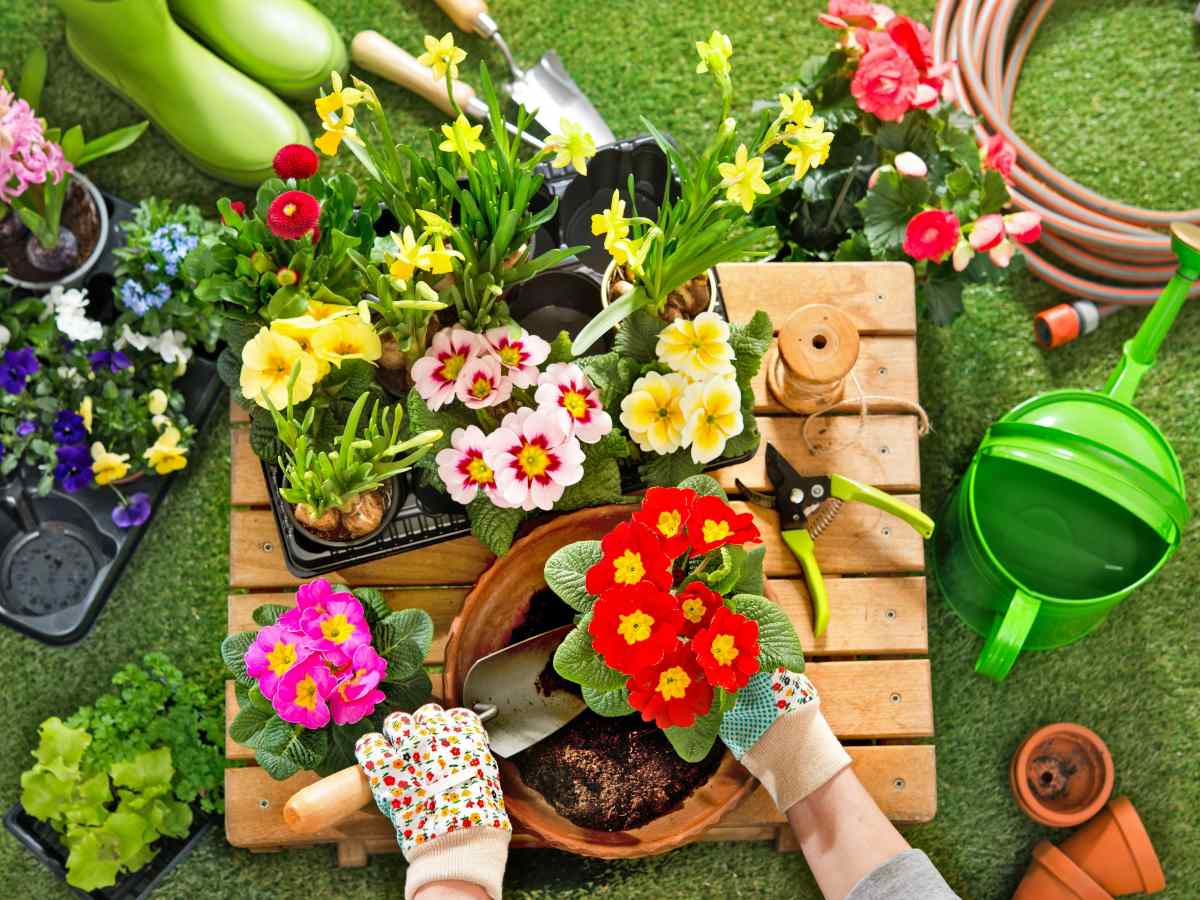
| Terraces and balconies | Prepare garden boxes, add herbs such as basil, parsley and chives | Late frost for geraniums, and planting too tight |
| Vegetable patch | Sow direct: beet, lettuce, carrot, beans, peas, radish, squash and more | First thrips, cabbage moth and aphids of the season |
Work through the areas that apply to you and the rest of the season looks after itself.
Now is the time to plant your trees and shrubs purchased in containers or pots.
Planting is one of the most important stages in the life of plants.
It determines future growth, and must thus be performed according to the best available practices.
Soak the root ball in a bucket of water until air bubbles stop rising, then plant it while still saturated.
Tease apart any roots circling the bottom of the pot before the shrub goes in the hole.
Water newly planted trees and shrubs deeply and less often rather than a daily sprinkle.
These are without contest the most beautiful plants in our gardens.
It requires a lot of care because it is very fragile.
This is the time of the year when it is the greenest, because temperatures are ideal and there is enough rain.
Mow weekly while growth is at its fastest, never taking off more than a third of the blade height in a single pass.
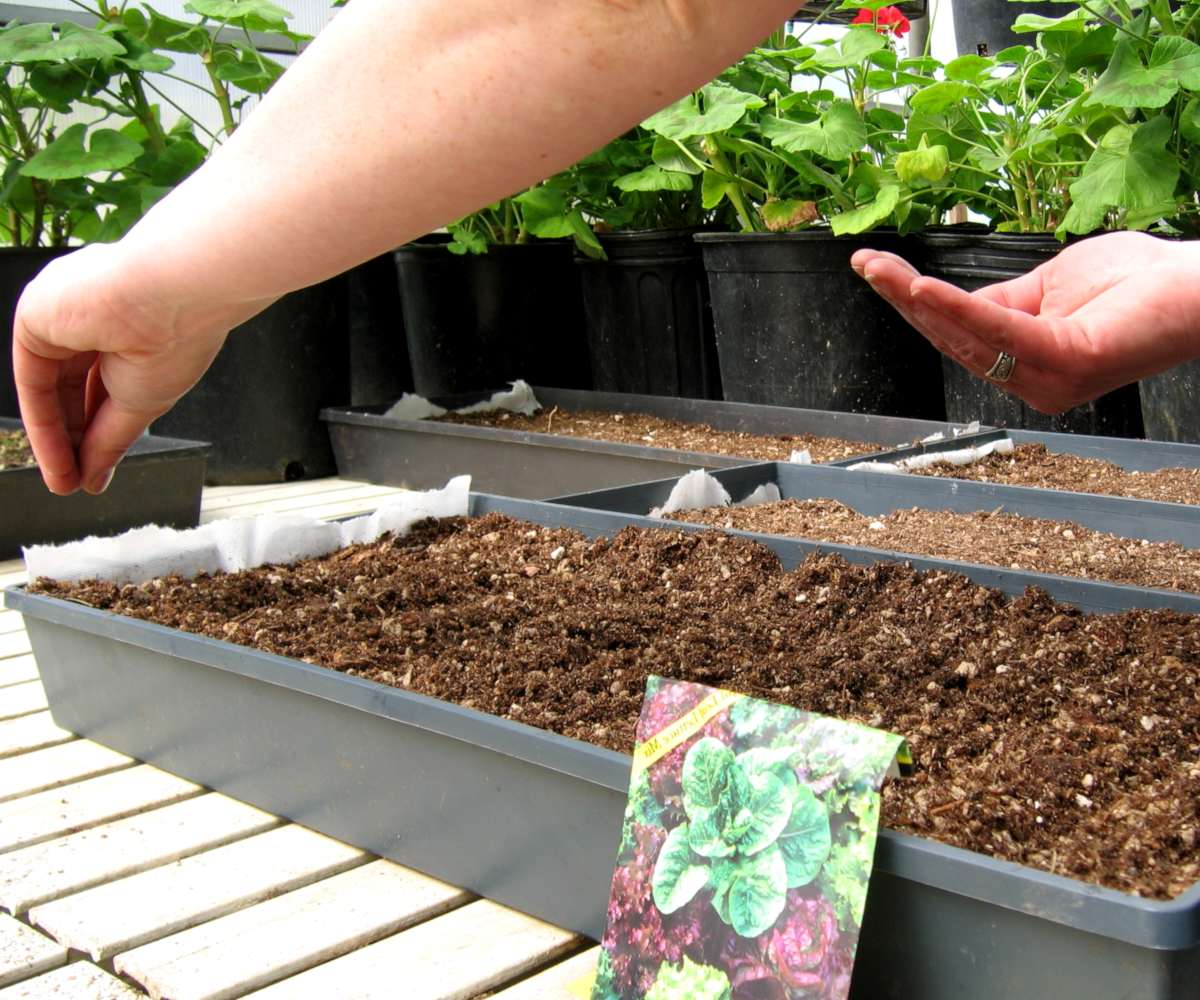
Keep a newly sown seedbed consistently damp until the grass has germinated and established, since drying out at this stage can slow growth or kill some sprouting seeds and young seedlings.
Leave short clippings on the grass to feed it.
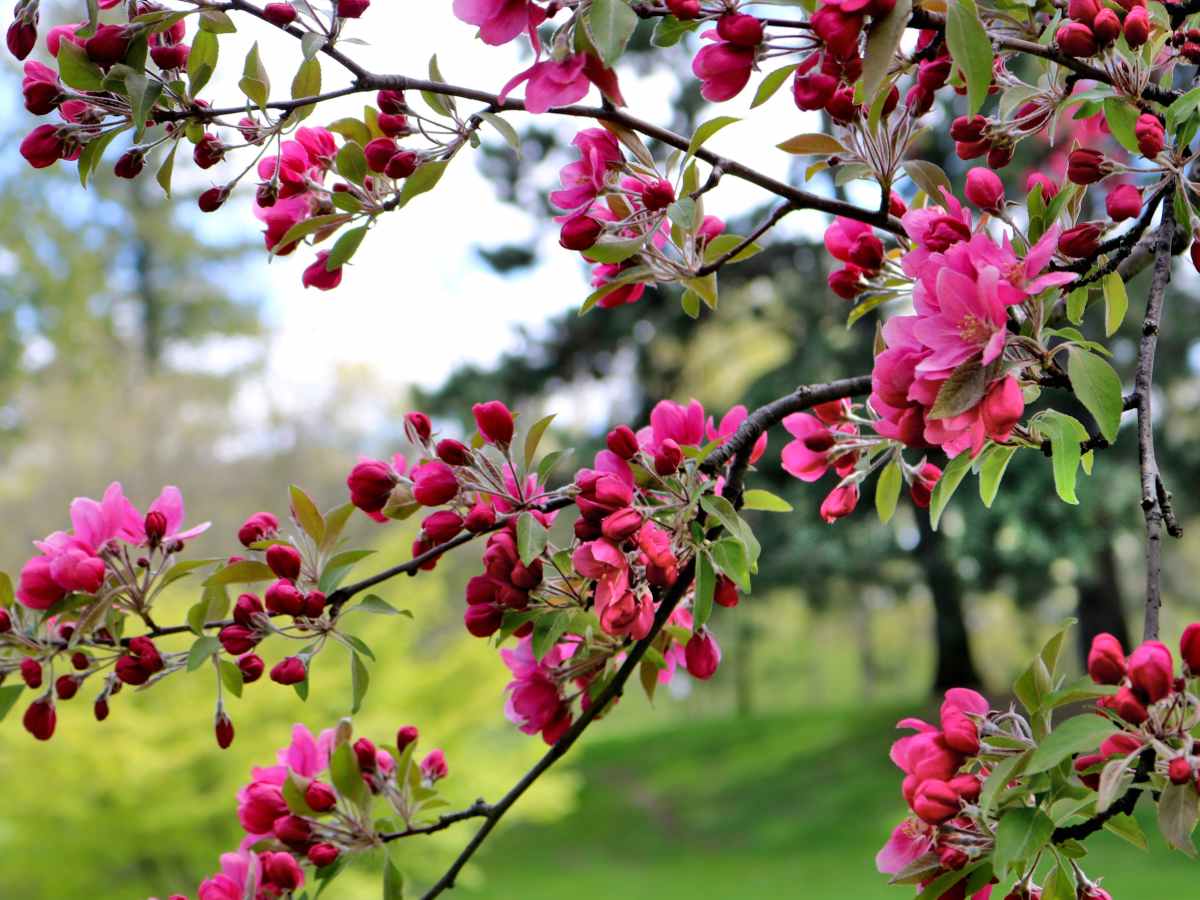
It is still time to plant your fruit trees and shrubs.

Hold off on any insecticide while blossom is still open, and wait until the petals have fallen, so that bees working the orchard are not hit.
The time has come to prepare your garden boxes.
This is an important month in the vegetable patch because it’s when most of the seedlings are sown or transplanted.

You may sow directly in the ground:
Be on the lookout for the first spring pests, too. Sooner or later, you’ll see thrips, cabbage moth, or aphids, and it pays to deal with them as early as you notice them. Indeed, the first generations of the season are the most prolific. Quashing them early on may spare your harvest in the later seasons!
May is the first month where you can truly start spending time outside in the sun. Set up a meditation garden to one side of the garden. Practice meditation or prayer to cultivate your “inner garden”, too!
→ Discover: Moon planting calendar for May
Notice which hours you actually spend sitting in the garden, then place the seat where the sun falls at that time, rather than assuming late afternoon suits everyone.
Skin unused to sunlight burns quickly in spring, so wear a hat and keep the longest sessions for morning or evening.