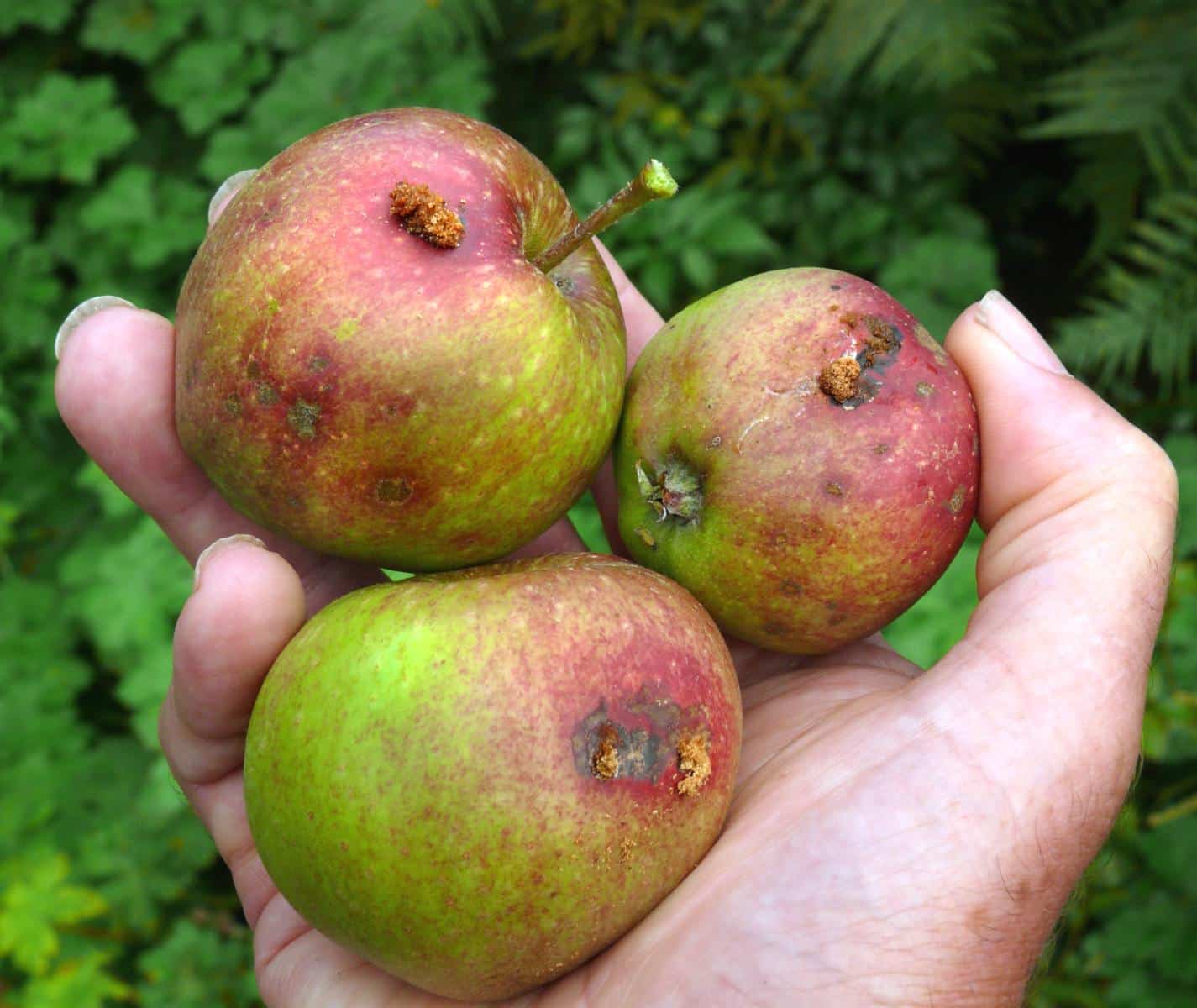
The damage is hidden until the fruit is cut open: a caterpillar tunnelling through the flesh of an apple, pear, plum, nut or chestnut. This is the codling moth, the pest gardeners call the fruit worm, and because it spends almost its whole life inside the fruit, well-timed watchfulness achieves far more than brute force.
It is actually a type of caterpillar that feeds on the fruit’s flesh.
Most often it is found in apples, but also appears in:
The article describes four complementary lines of attack against the fruit worm. Use this table to see what each one does and when it belongs in the season.
Four ways to fight codling moth, compared
Method
When
How it works
Bacillus thuringiensis spray
Late spring, repeated two weeks later
Organic microbe-based insecticide that acts specifically against worms
Pheromone traps
Late spring
Attracts male moths, so fewer females are fertilized
Removes the caterpillars hidden inside the fallen fruits
Combining trapping with well-timed spraying and strict clearing of dropped fruit is what keeps numbers down.
Eliminating codling moth, the fruit worm
Getting rid of this pest isn’t an easy task, because the span of time wherein this caterpillar is not inside a fruit is very short, and difficult to pinpoint.
It seems more relevant to sacrifice a few damaged fruits on the tree, to track the parasite’s developmental stage, without necessarily aiming to eliminate it entirely.
Eliminating it entirely feels practically impossible for the above-mentioned reason, anyway.
How to treat effectively against codling moth larvae
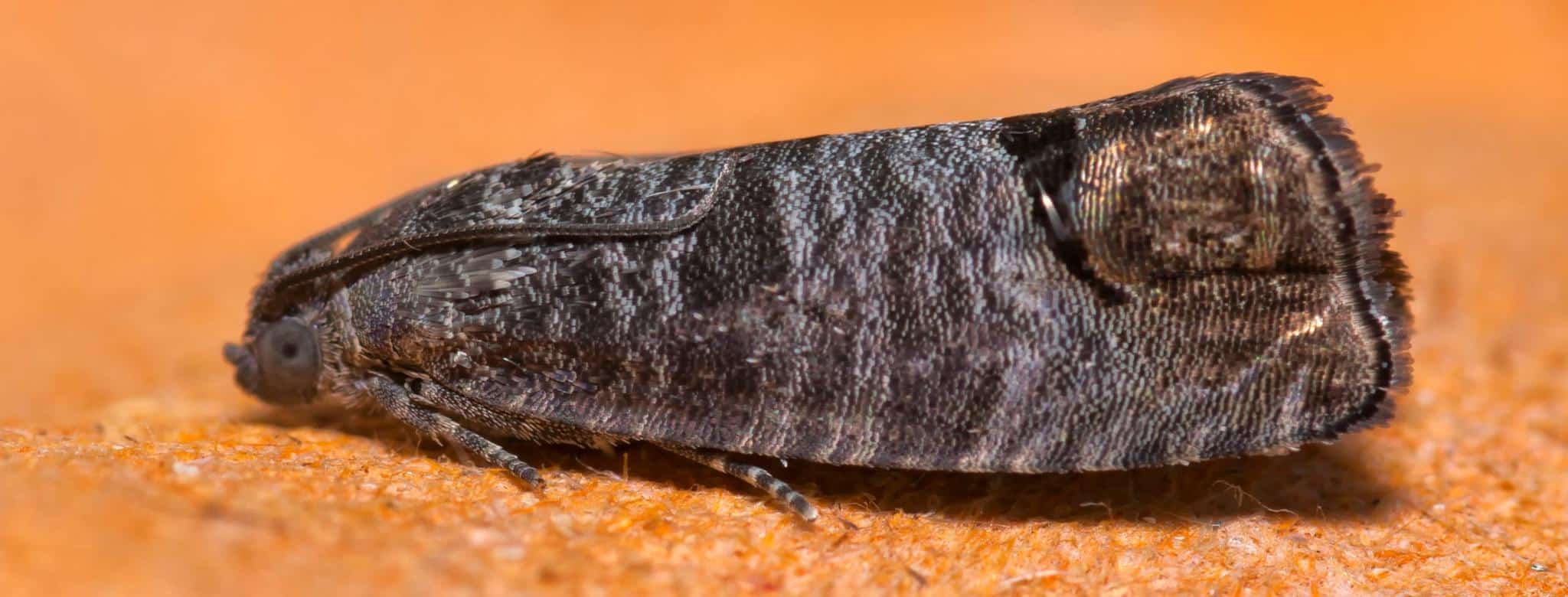
The adult moth; its caterpillar is the fruit worm
Beginning of May, spray an organic insecticide containing Bacillus thuringiensis (organic microbe-based insecticide) which works specifically against worms, and repeat this spraying two weeks later.
During the month of May, place pheromone traps to attract male moths, and reduce female fertilization rates.
Pick fruits up that have fallen before having reached maturity, since they have most often been invaded by codling moth caterpillars.
Sexual confusion is a technique that aims to mimic female hormonal scents with artificial pheromones. It makes it difficult for males to locate the females, which considerably reduces egg-laying.
Written by Gaspard Lorthiois | Loves helping out, especially when it comes to growing things. Worked in herbal medicine, runs a farm, and dabbles in tech. Master's degree and engineer.