Pollen rarely travels far: a few yards at most, carried by bees working steadily along a row, or by a soft brush touched from one squash flower to the next. Improving cross-pollination is simply a matter of shortening that journey, and the reward is a heavier, more reliable harvest.
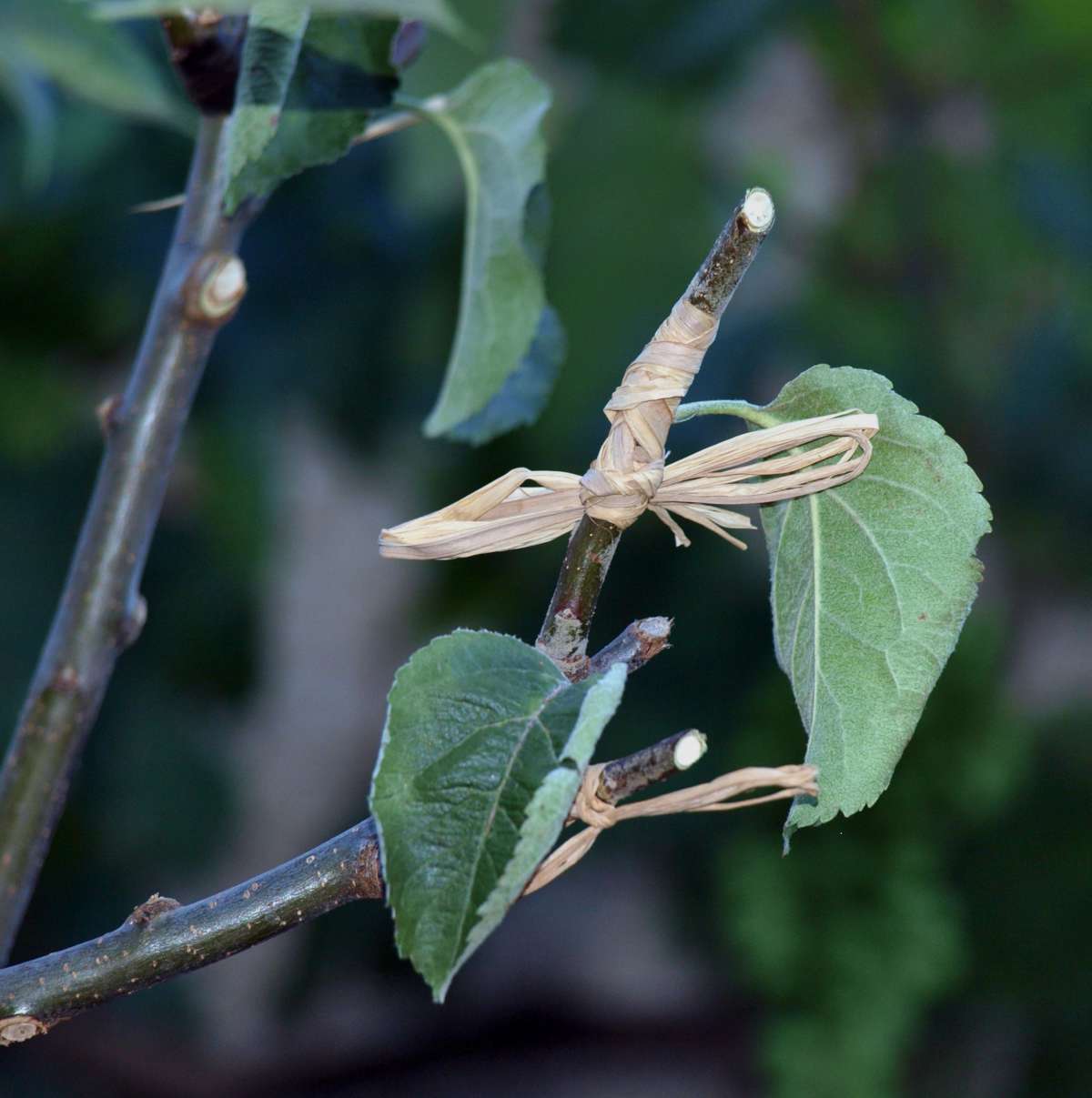
Plant them as close as you can together
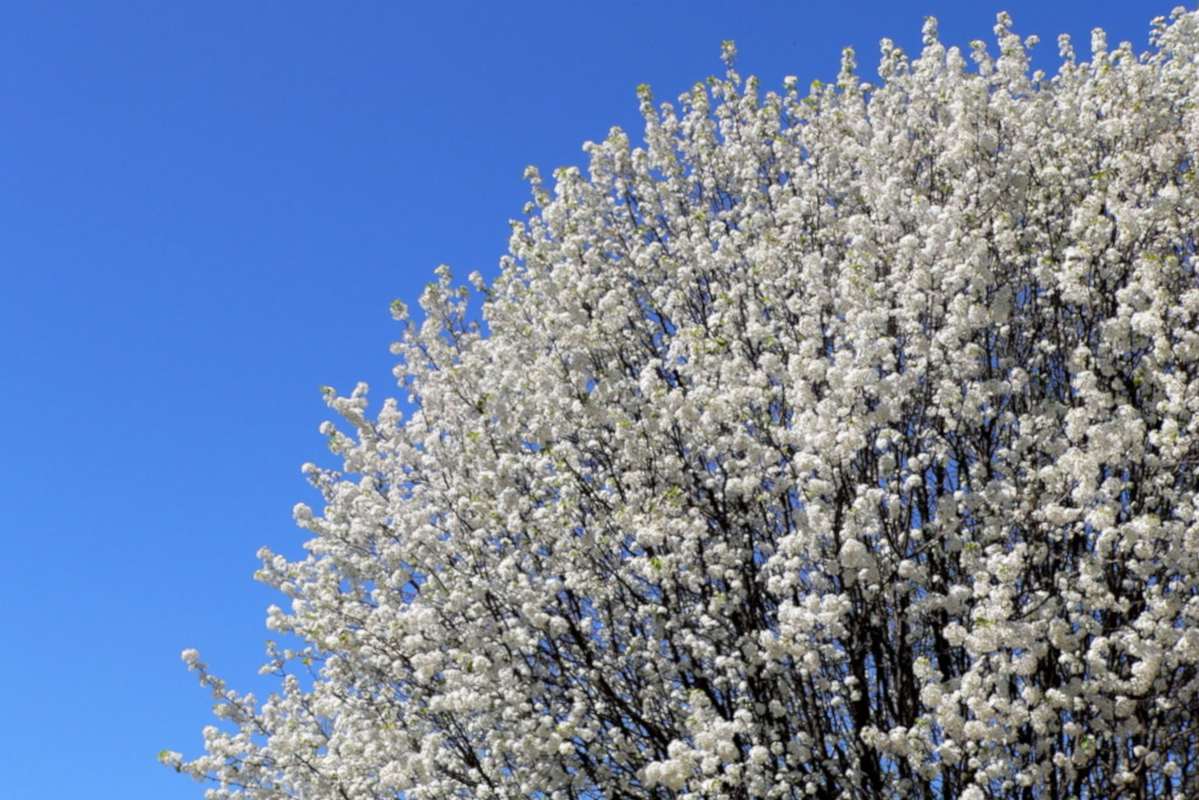
. Usually pollen flows most easily within a few yards or meters. You can even graft two varieties together! In some areas, it’s common to see a single branch of crab-apple grafted onto a normal apple tree for maximum harvest.More inventive solutions will benefit the community at large:
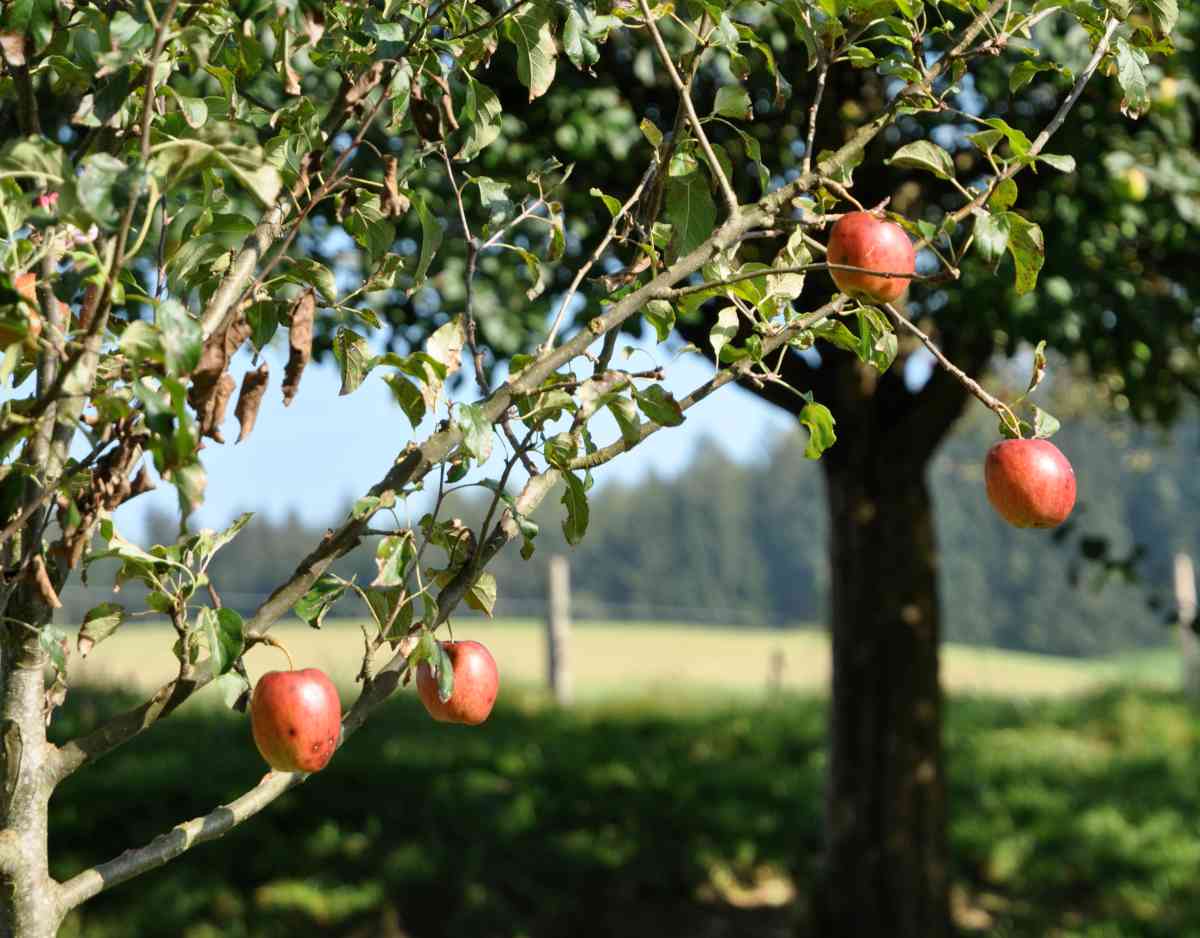
Cross-pollination can be encouraged by the way you plant, by the insects you welcome, by your own hand, or by machine. The table sums up what each approach suits and what it asks of you.
| Method | Best suited to | What it takes | Point to watch |
|---|---|---|---|
| Planting compatible varieties | Gardens and whole neighbourhoods | Two varieties with matching blooming dates, planted close together | Pollen only travels a short distance, and hedges or closed fences get in the way |
| Attracting pollinating insects | Any garden, and larger orchards with rented hives | Insect-friendly planting, protection from chemicals, or a beehive | Site the hive so bees run along the rows rather than across them |
| Hand pollination with a brush | Squash, pumpkin and iris, or just a few plants | A soft painting brush and a chosen father and mother flower | Essential where male and female flowers open at different times |
| Drone pollination | Larger orchards | Drones fitted with containers and nozzles, plus bought pollen | You must purchase the pollen of the variety you want to cross with |
Most gardens do best by combining the first two, keeping the brush for the crops that need it.
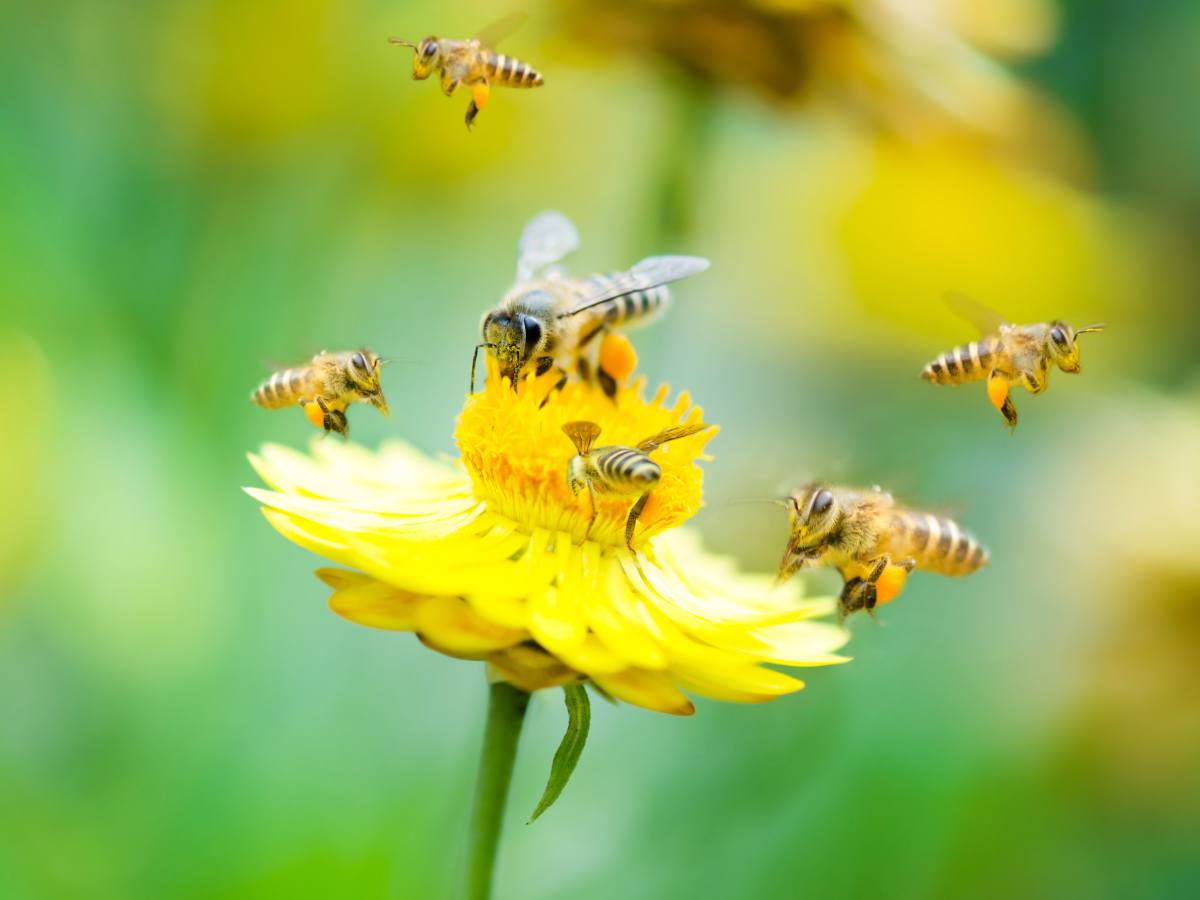
Note that bees love working along rows. Make sure your hive is set for the bees to easily “enter” into rows instead of having to “cross across” them.
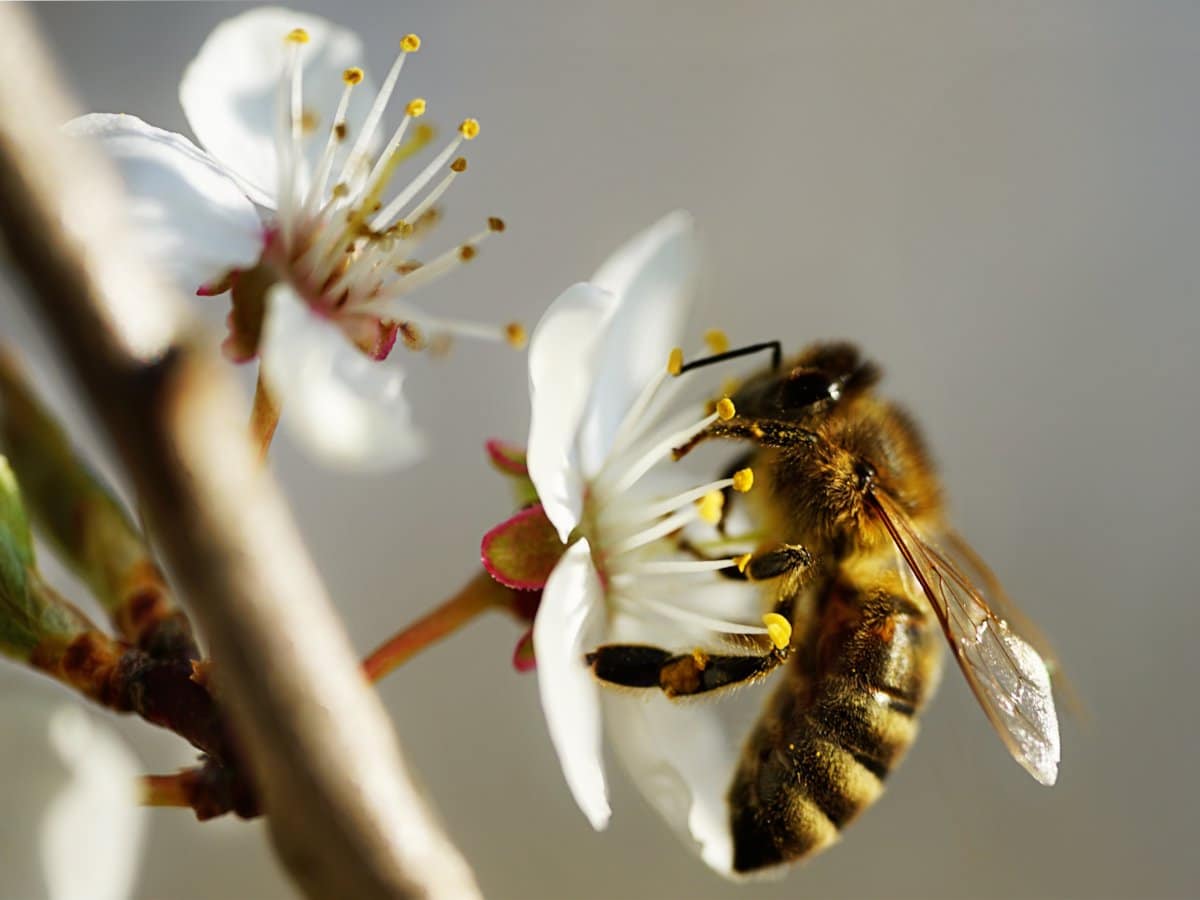
A great many insects are excellent pollinators: hoverfly, bumblebee, honeybee, lacewing, mason bee…
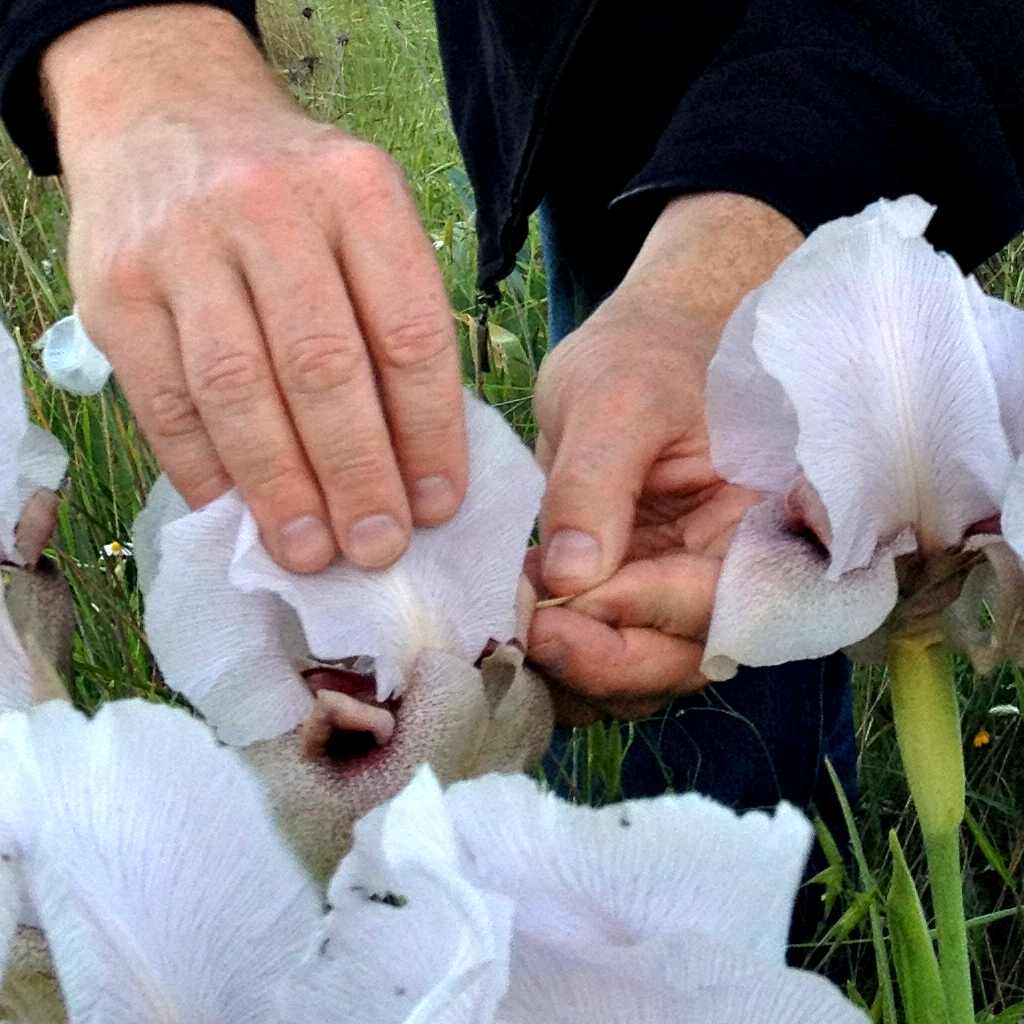
It’s also possible to replicate the work of the wind and insects with a simple soft painting brush.
This is what’s done to get prize vegetables like pumpkin and other vegetables! Male pollen from a massive father plant is used to pollinate the female flower of the mother plant to produce offspring that share the qualities of both.
For other squash, such as butternut or kuri squash, you may want to hand-pollinate flowers as well. Indeed, these gourds tend to have male and female flowers at different times, making self-fertilization difficult. If you’ve only got a few plants, hand pollination is the way to go.
In the vast world of iris, hand pollination is a good way to ensure proper parentage.
Some flowers have exclusive pollinators. When the plant is grown where it isn’t native, hand pollination might be needed if the original insect isn’t there.
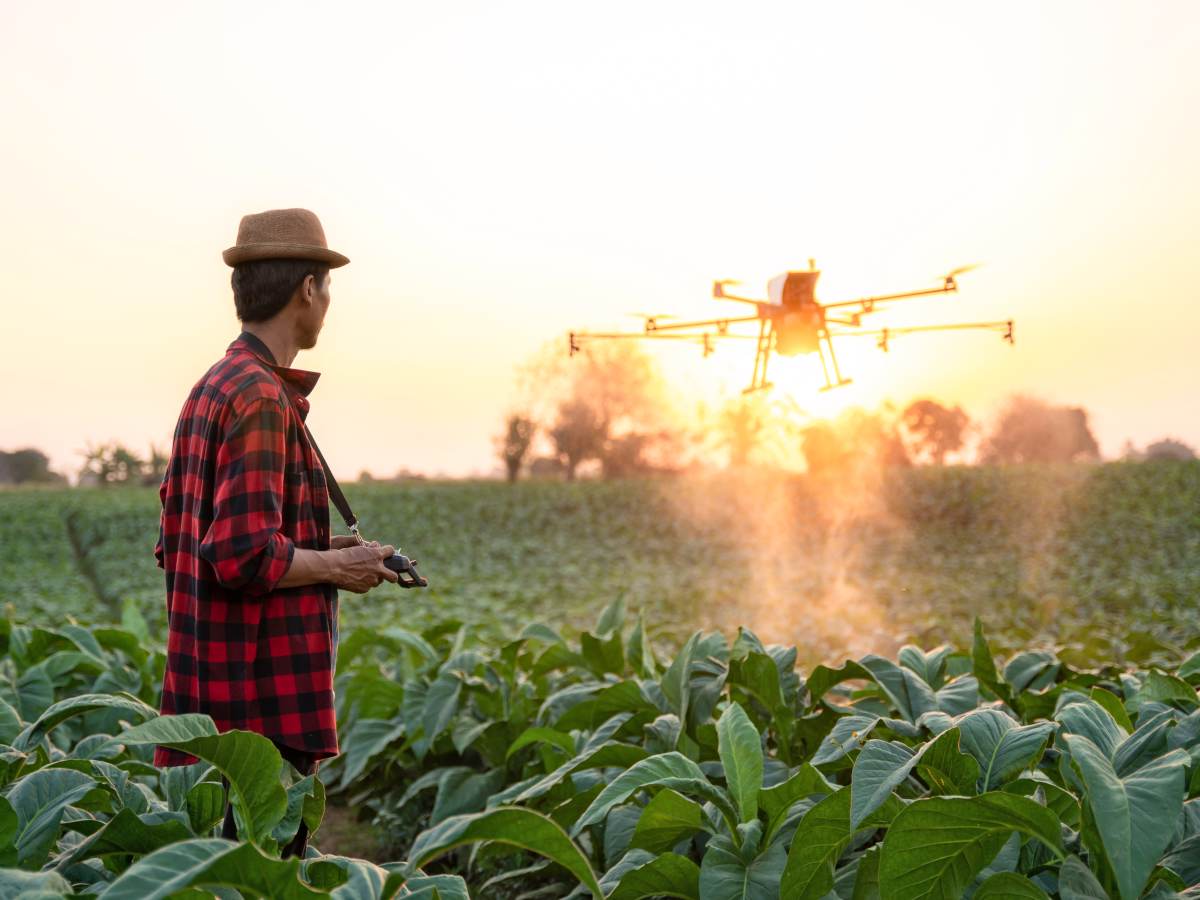
In larger orchards, drones can be used to pollinate trees. Drones equipped with special containers and nozzles spray pollen directly on top of flowering trees. Gravity and wind do the rest.
→ Refresher: what is cross pollination
→ If your goal is the opposite: how to avoid cross-pollination