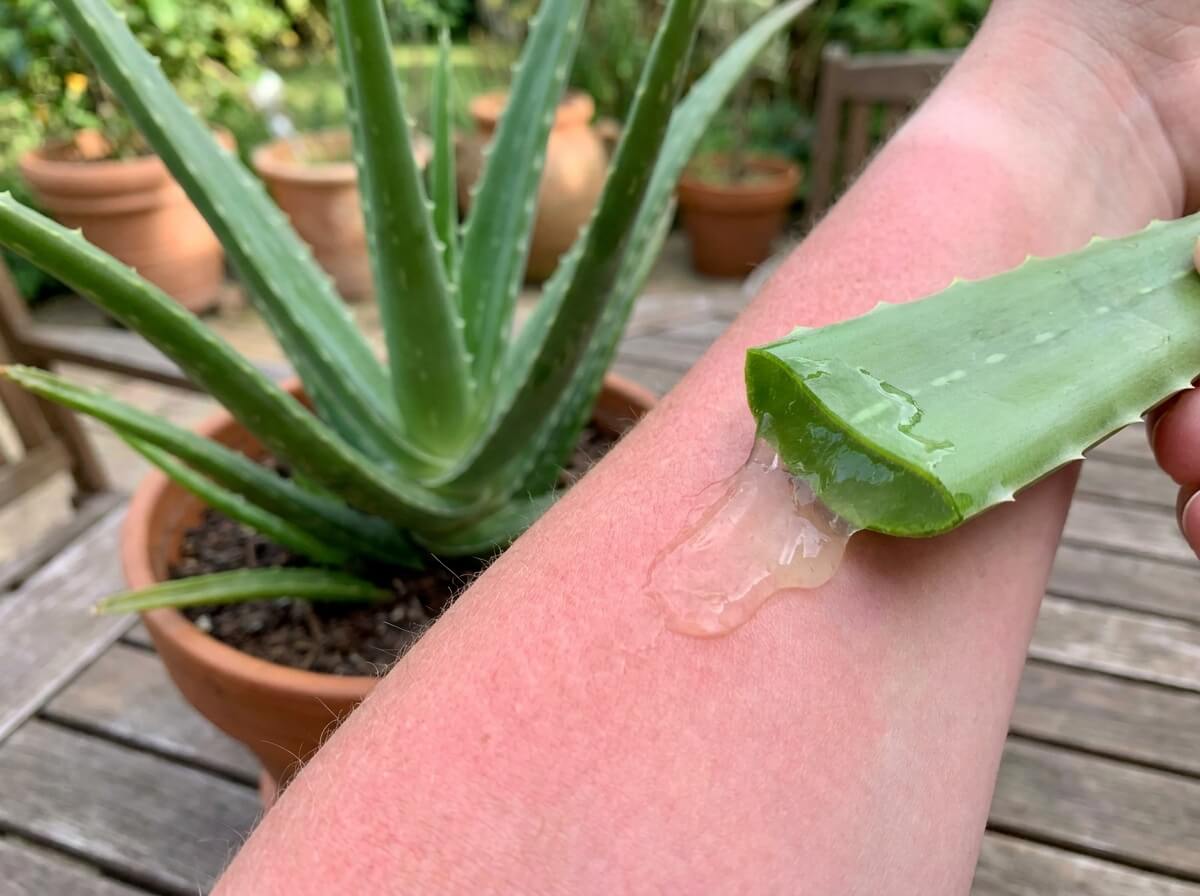
That thick, glassy gel inside an aloe vera leaf is not a folk remedy. It is one of the most studied natural substances in dermatology, and it *does the business* — but only if you use it correctly.
Most people rub the wrong part of the leaf onto already-angry skin and get mediocre results. Do it right, and the redness drops visibly within 30 minutes. Non-negotiable.
Here is *exactly* what *you must do*.
The clear gel inside an aloe leaf contains over 75 active compounds — including acemannan, a polysaccharide with proven anti-inflammatory properties, and compounds that inhibit the prostaglandins responsible for the burning sensation. It is rather a clever combination.
Watery. Faintly grassy in smell when you first cut the leaf open. Proper garden magic.
Research published in the journal Burns found that aloe vera gel accelerated burn healing by an average of 9 days compared to petroleum-based dressings. The active compounds penetrate the skin barrier rapidly, dialling back redness and calming the inflammatory cascade that leaves sunburn throbbing through the night.
*But* here is the part most people skip. Just under the skin of an aloe leaf sits a yellow-orange layer called aloin. It is a natural laxative and a genuine skin irritant. Always scrape off that yellow layer before using the gel on sunburned skin. Applying aloin to broken or inflamed skin can cause a burning reaction that will make the sunburn feel worse. Frankly, it is a dodgy move.
Yes. Dramatically so. This is non-negotiable.
Fresh aloe gel begins losing its most active compounds — particularly the heat-sensitive polysaccharides — within 4 hours of air exposure. Commercial gels compensate with preservatives, stabilisers and thickeners; many products labelled “aloe vera gel” contain as little as 10% actual aloe. The RHS notes aloe vera as one of the most useful plants for a sunny windowsill, and that usefulness becomes properly striking the moment you compare fresh gel to a tube from the pharmacy.
*The thing is,* a quality commercial gel (look for products listing aloe barbadensis leaf juice as the first ingredient, at 99% concentration) does the trick if you do not have a plant. Brands like Lily of the Desert or Seven Minerals are bang on.
*But* nothing beats the real thing used within the hour. Not quite right otherwise.
The method matters more than most people realise. Here is the sequence that actually *does the business*:
The cold gel on hot skin is immediately noticeable — the relief is almost tactile. *And* applying it cold rather than room temperature does wonders for constricting the superficial blood vessels, reducing that uncomfortable throbbing.
Store unused gel in a sealed container in the fridge; it stays effective for up to 48 hours. After that? Cut fresh. No debates.
Aloe tackles first-degree sunburn — redness, heat, tightness — extremely well. *But* some situations require medical attention rather than plant gel.
*So* avoid applying any petroleum-based products — Vaseline, thick creams — over a fresh burn. They trap heat in the skin and properly hinder the body’s natural cooling process. *And* if your garden plants are also wilting in the same heat that burned you, the same intense sun is the culprit for both.
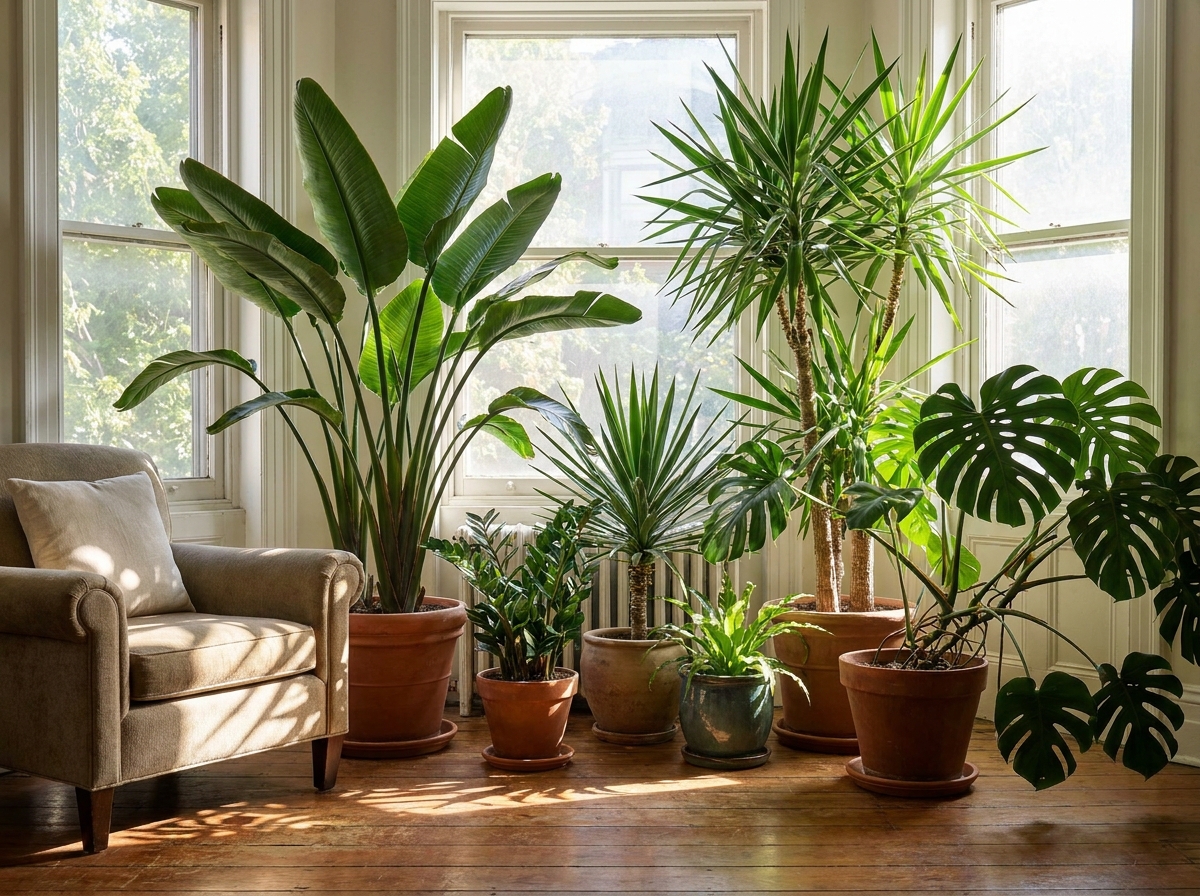
Growing your own aloe is absurdly simple. A terracotta pot, gritty compost, a south-facing windowsill.
Water it once every fortnight. Ignore it entirely between waterings. Then it is sorted.
It will reward you with a leaf every time summer bites back.
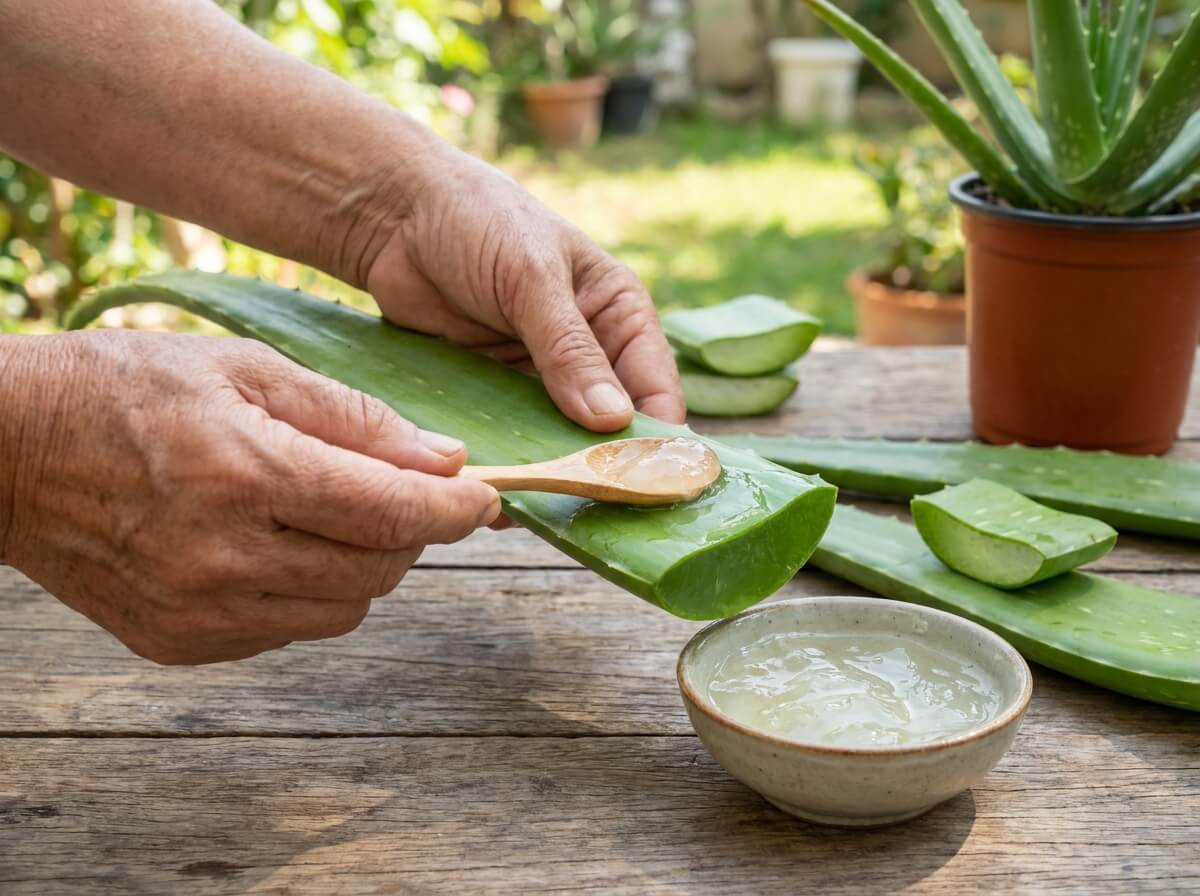
Smart tip: Always drain the cut aloe leaf upright for 10 minutes — this approach removes most of the irritating aloin before you touch the gel.
Cool the skin first with cold (not ice-cold) water for 10 to 20 minutes, then apply the chilled aloe gel. Applying anything before cooling properly risks trapping residual heat in the skin layers.
Twice daily — morning and evening — gives the best results. More frequent application does not accelerate healing and can leave the skin feeling tacky and uncomfortable.
Yes, pure aloe gel is safe for children over 2 years old. Always use the clear inner gel only, with no additives — and patch test on a small area first if the child has sensitive skin.
It significantly reduces peeling by keeping the damaged skin hydrated while it repairs, but it cannot prevent it entirely — peeling, which is the body’s natural shedding of damaged cells, cannot be entirely halted by any topical treatment.