They arrived as cuttings, seeds, and carefully wrapped roots — originating from South African riverbeds, Mexican rainforests, or Caribbean deserts. And now, astonishingly, they are sitting in your living room looking like they belong there. But these plants, which most people deem “easy houseplants,” are actually some of the most dramatic survivors on Earth.
Understand where they come from, and you will understand exactly how to make them extraordinary.
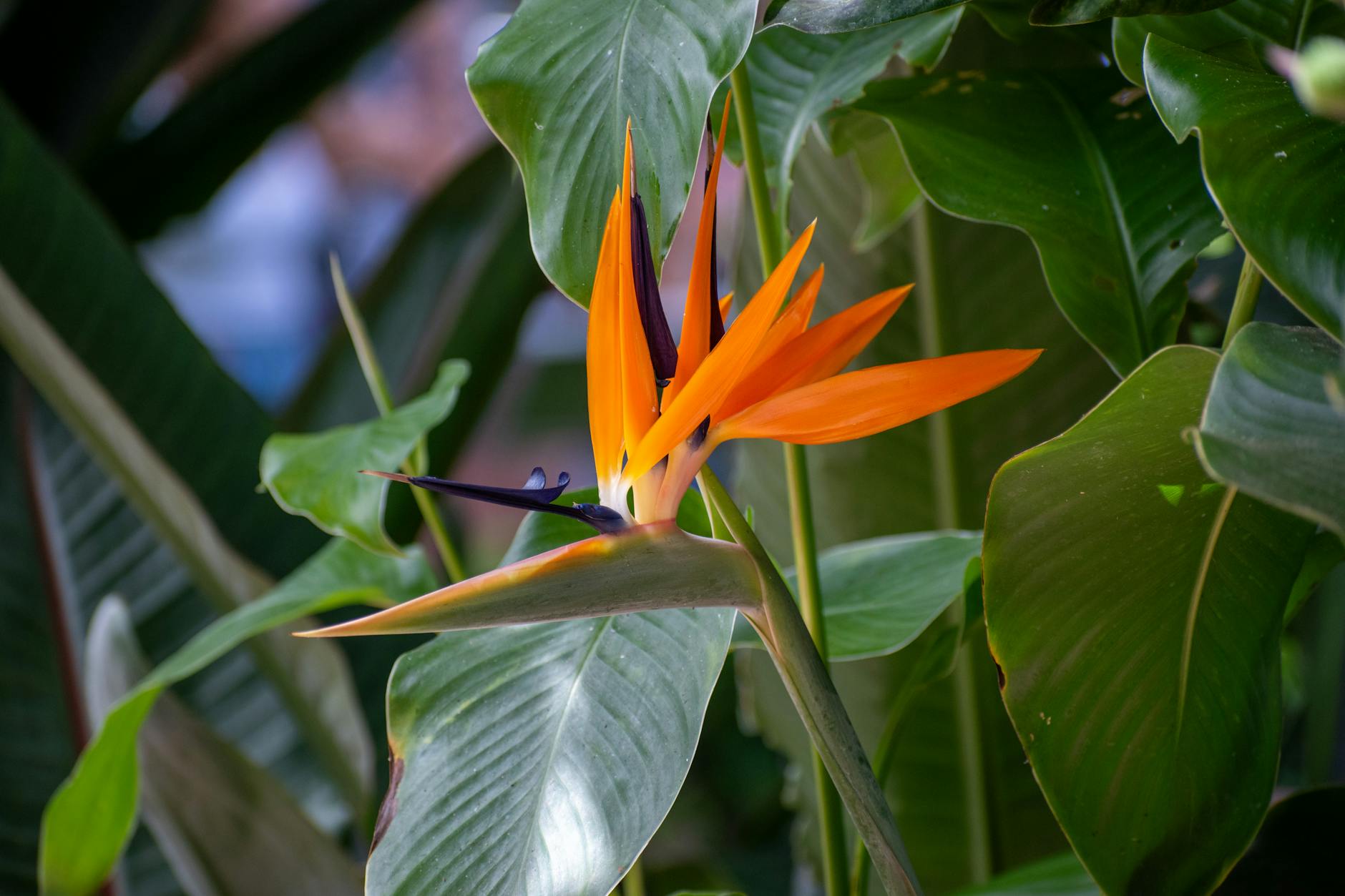
Bird of paradise (Strelitzia reginae) flourishes along the Eastern Cape coast of South Africa, where it withstands months of intense sun and long dry periods between rains. It is not a shade-tolerant plant. Place it in a dim corner and it will technically survive, yes, but it will not thrive. It certainly will not flower. This plant demands a south- or west-facing window with 6 hours of direct light minimum, every single day.
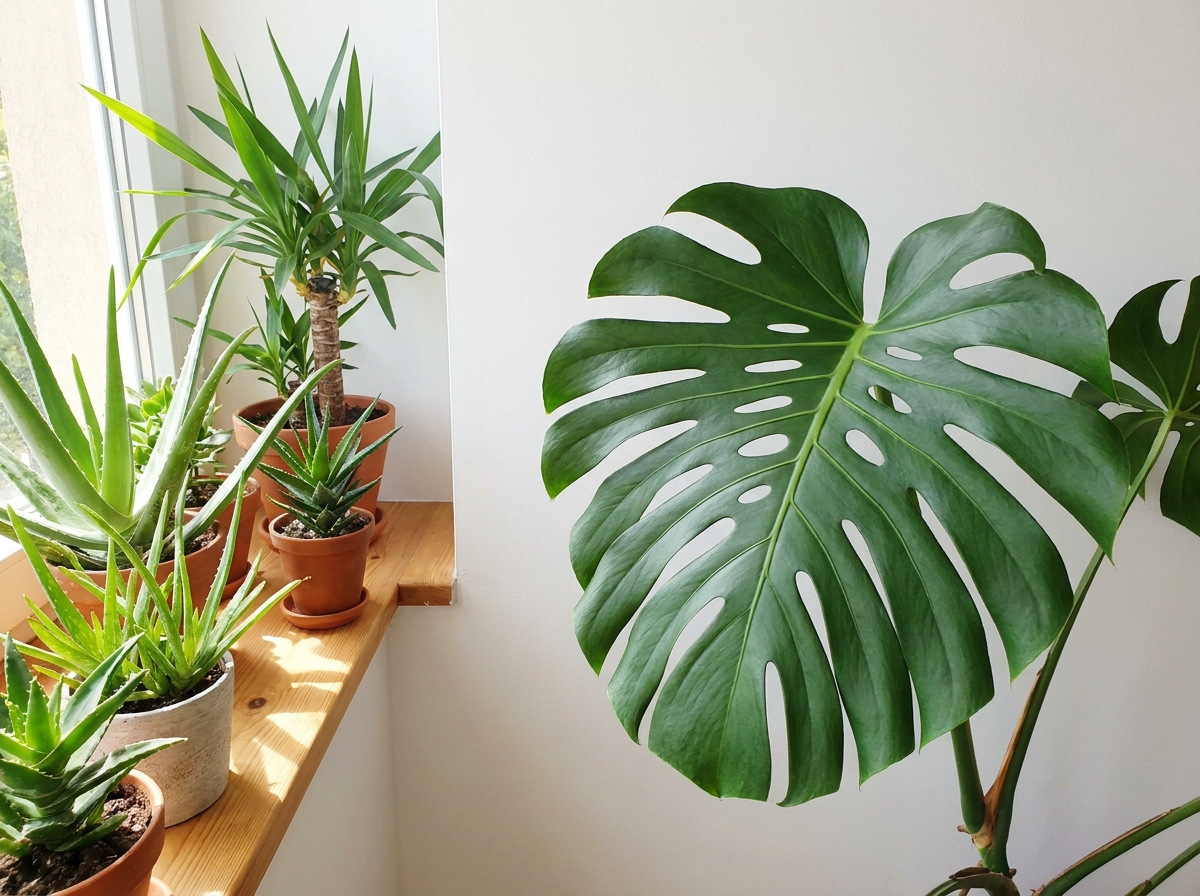
Monstera deliciosa is a Mexican and Central American rainforest climber. Those famous split leaves are not decorative — they evolved so that hurricane-force tropical rain passes through the foliage rather than snapping the stem.
In the wild, a mature monstera climbs 20 metres up a tree trunk. The one in your living room, in contrast, is operating at scarcely 3% of its full potential. Give it a proper moss pole to grip, and you will see it respond dramatically.
Yucca and dracaena are both classic desert and dry-forest plants. The yucca hails from the arid zones of North America and the Caribbean, while dracaena originates in the dry forests of Africa and the Canary Islands. Both species are robustly built to store water in their thick stems. They tolerate considerable neglect.
Neither one forgives being overwatered. Root rot, not drought, is what kills them, without fail.
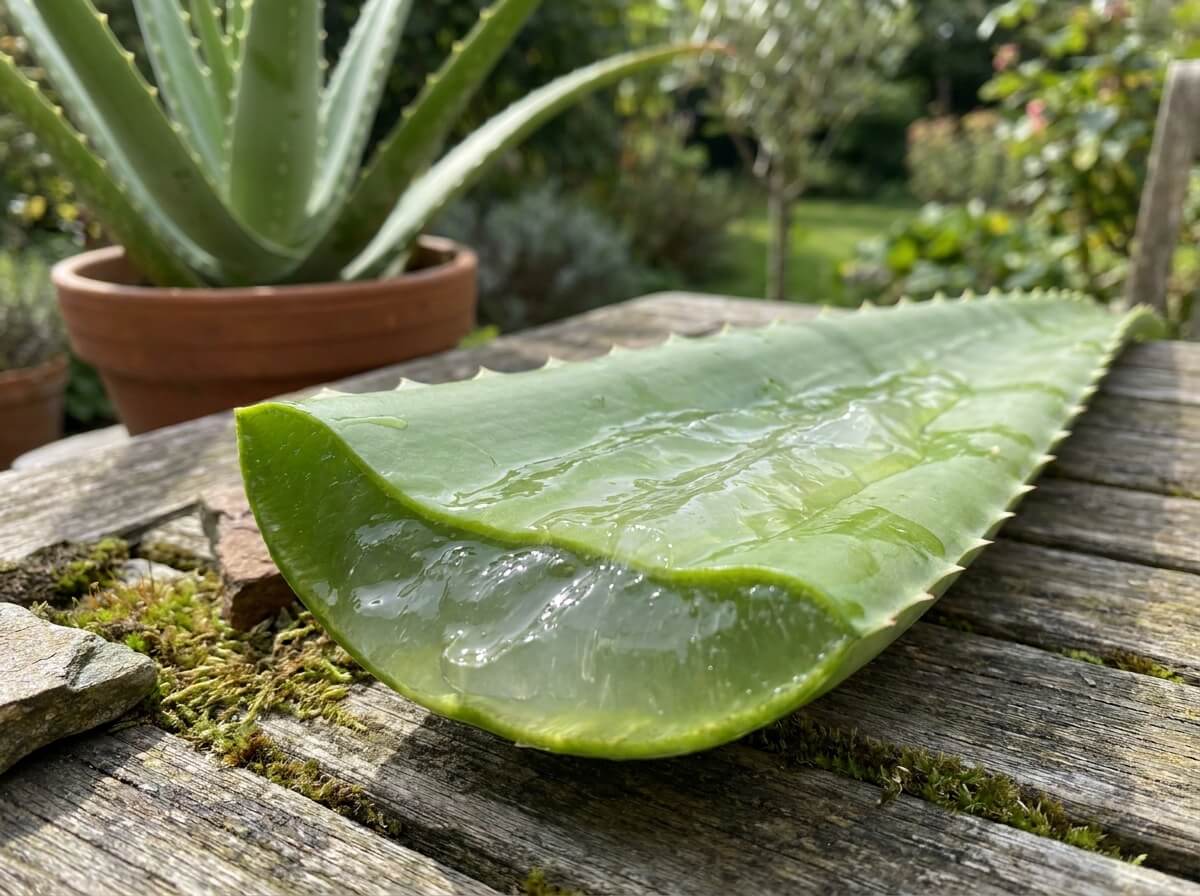
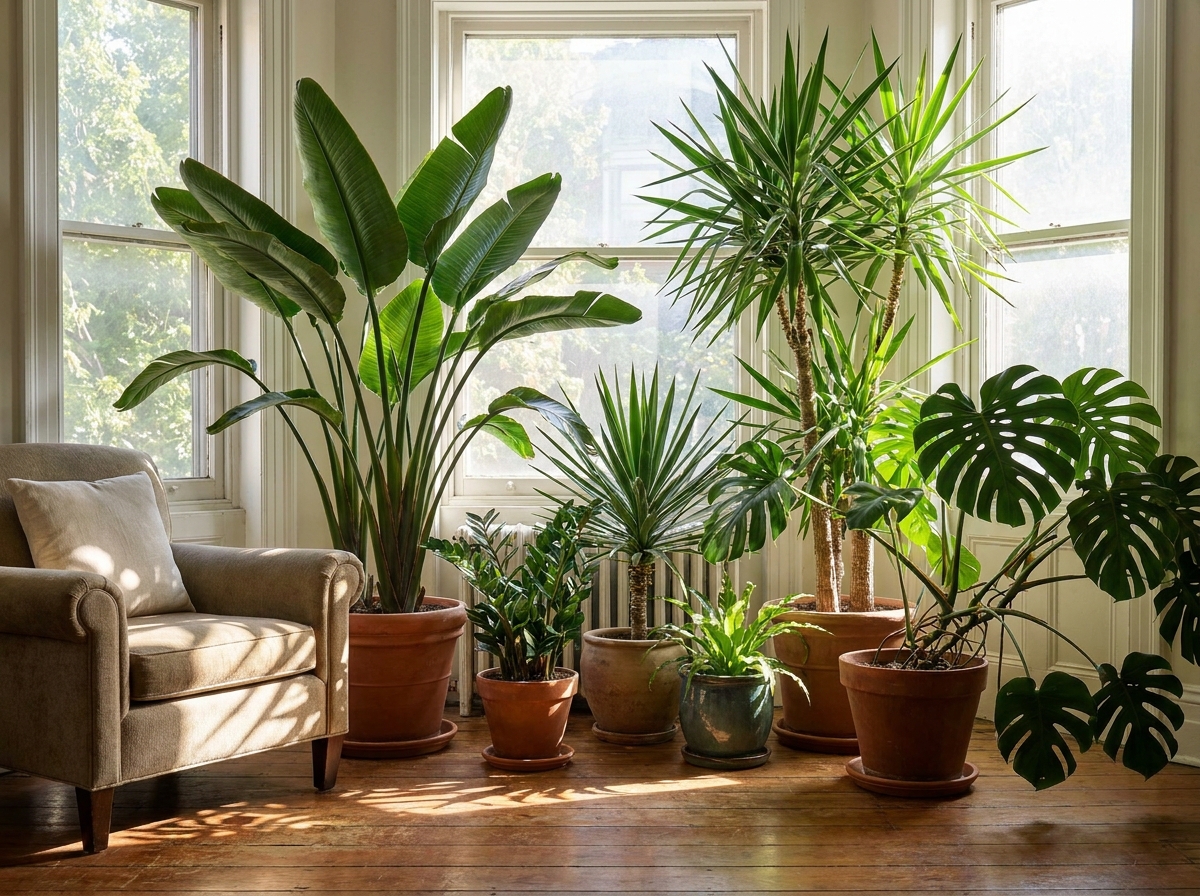
Aloe vera’s origins are disputed — probably the Arabian Peninsula or North Africa — but its function is always clear. Every thick leaf is a dedicated water reservoir, meticulously evolved to survive months without rain. If you are already curious about how these desert and jungle species look as living sculpture, this gallery of statement houseplants reveals their incredible architectural potential. And yes, they are thriving indoors right now.
Light. Always light first. That is the thing.
Not pot size, not fertiliser, not the brand of compost. Not those. Every single plant in this group evolved under intense, unfiltered sun. And the thing is, no amount of properly applied watering compensates for a truly dark room. It is non-negotiable.
And yes — during summer, with El Niño intensifying heat and light levels across much of the Northern Hemisphere right now, these plants are in peak vigorous growth phase. This is your chance to really push them. Get it sorted.
Every overwatering rule you have heard is real, that is a fact. But vague advice like “let it dry out” does not do wonders for your specific plants. Here are actual numbers.
So, if your tropical plant is drying out faster than these intervals suggest, the issue is probably pot size, heat, or root-bound conditions. This breakdown of why potted houseplants dry out too fast in summer points you directly to what to check, making everything plain as day.
Summer is the non-negotiable moment to act. These plants are actively shooting up, and small adjustments now produce visible results within weeks.
Move your bird of paradise outdoors for the summer if overnight temperatures stay above 10°C (50°F). A sheltered, sunny patio does wonders for its growth rate — expect new leaves every 4-6 weeks instead of every 2-3 months.
Bring it back inside before the first dodgy cold night in autumn. Do not mess around.
Give your monstera a moss pole if it does not have one. It is a non-negotiable step. A mature monstera properly gripping a damp moss pole produces leaves 30-40% larger than a plant left to sprawl, without question.
Mist the pole — never the leaves — daily. Keep it moist enough to trigger the aerial roots; this makes all the difference.
Feed your bird of paradise and monstera now. A balanced liquid fertiliser (10-10-10) every 14 days from now through late summer makes a truly tangible difference. But yucca, dracaena, and aloe need feeding only once every 4-6 weeks; they are slow metabolisers by design. Over-fertilising desert species causes more harm than under-feeding, a dodgy thing to do, quite frankly. The RHS houseplant care guides confirm this.
For specific advice on getting a bird of paradise to actually bloom in a container, the timing and root-bound trick matters enormously. This guide on bird of paradise in a pot explores the secret to abundant flowering.
Southern Hemisphere gardeners: this growth advice applies to your December and January. Your plants are resting right now. Hold off on feeding until your spring arrives, and reduce watering by roughly 40% for the winter months.
Smart tip: Repot any of these plants in spring, never summer. Root disturbance during peak growth puts them under severe strain for weeks. Avoid it entirely.
Two reasons, almost always: insufficient light and a pot too large. A bird of paradise flowers only when it is truly root-bound and receiving 6+ hours of direct sun daily. This is a crucial point, do not overlook it.
Resist repotting it until roots are visibly escaping the drainage holes. You are doing yourself a disservice otherwise.
Yes, but always in a sheltered spot with no direct afternoon sun — outdoor monstera leaves scorch quickly above 30°C (86°F). Bring it back inside when nights properly drop below 15°C (59°F).
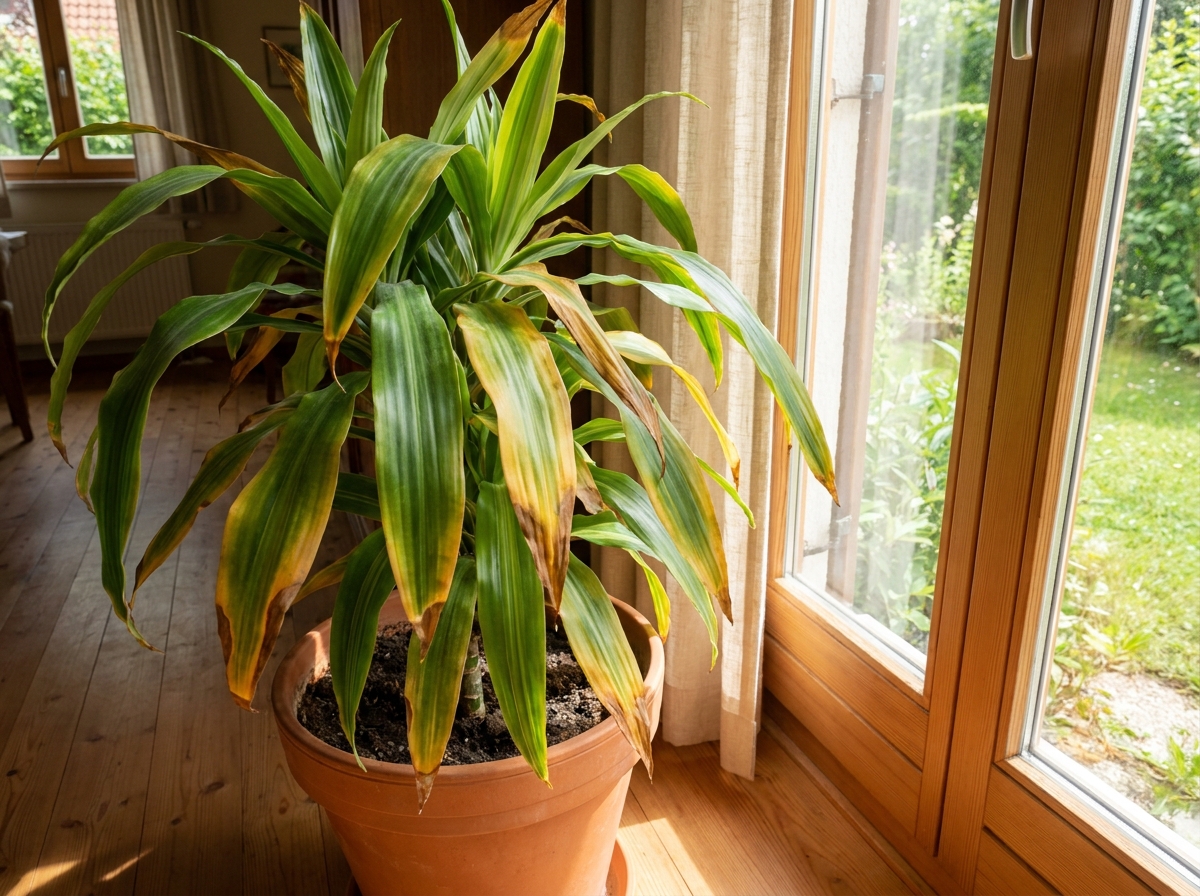
Almost certainly fluoride sensitivity from tap water. Switch to rainwater or filtered water, full stop. The new growth will come in clean, you will see a world of difference. The University of Maryland Extension confirms fluoride toxicity is the leading cause of dracaena tip burn indoors.
The leaves turn translucent, soft, and slightly yellow at the base — and they feel watery rather than firm when you squeeze them. So, stop watering immediately and move the plant to a warmer, brighter spot for a fortnight before watering again. You do not want a total disaster.