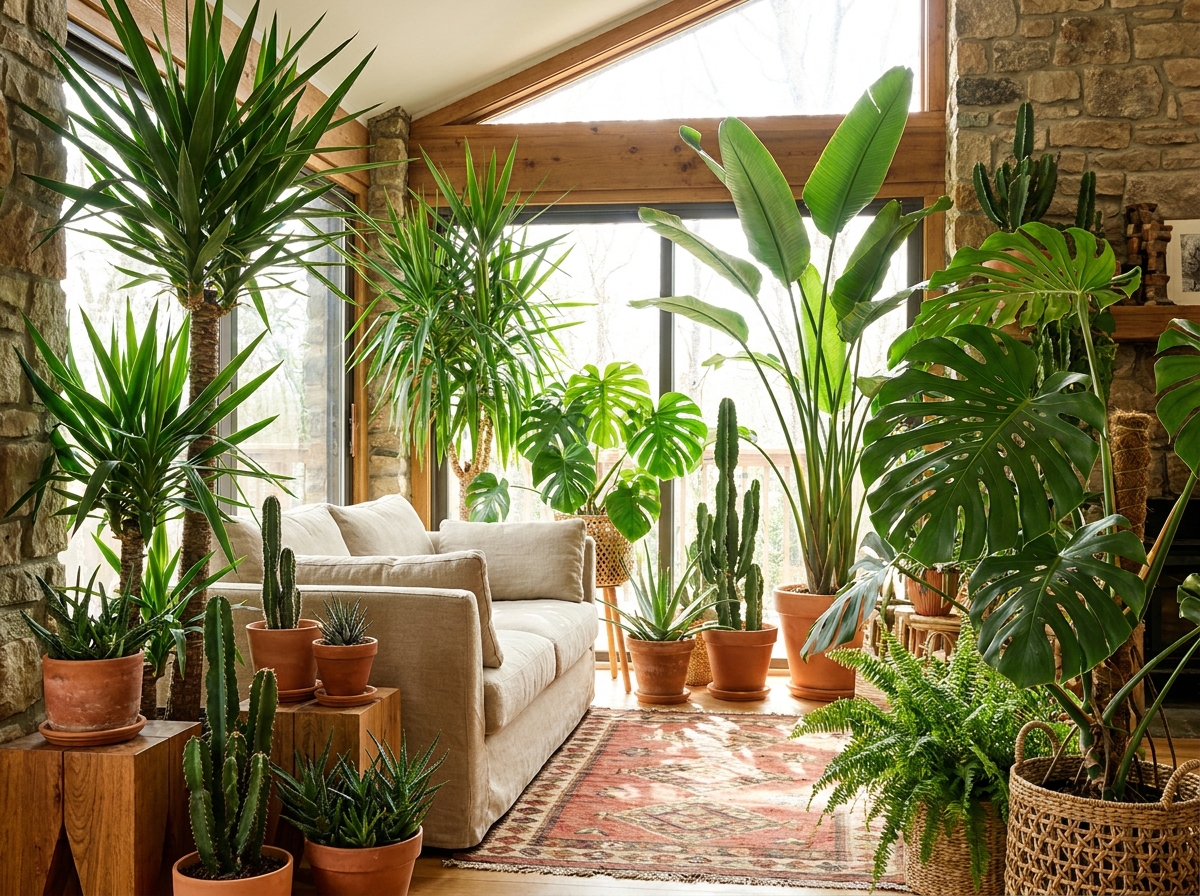
Some plants do not just sit in a corner. They command attention — the kind of presence that makes visitors stop mid-conversation. Yucca, aloe, bird of paradise, dracaena, monstera: these are wild organisms that evolved in scorching deserts and dripping rainforests, shaped by millions of years of extremes. Put them in a pot in your living room and they still carry all of that drama. Here is how to honour it.
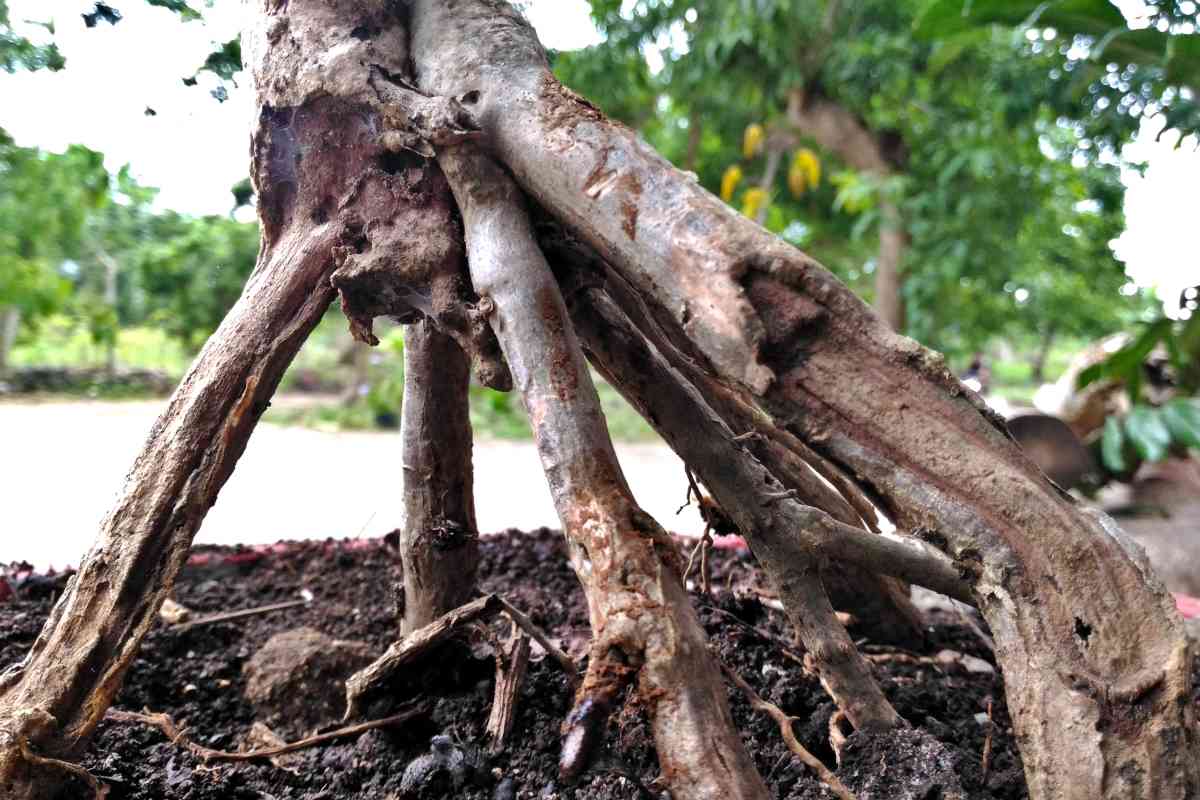
Monstera deliciosa climbs the floors of Mexican and Central American rainforests, using aerial roots to haul itself toward light through a canopy that blocks 90% of the sun. That is why it tolerates shade — not because it prefers it, but because it is a survivor.
Bird of paradise is South African scrubland. Yucca is Mojave Desert, baked and gritty.
Dracaena spans tropical Africa, from arid highlands to humid coastal forests.
Understanding origins changes how you care for them. A yucca does not want your cosy, medium-bright shelf — it craves the harshest south-facing window in the house, the one that soaks up hot glass and full afternoon sun.
But monstera, by contrast, hates direct midday sun on its leaves: they scorch in under 20 minutes on a south-facing sill in summer.
If you want to go deeper on displaying these wild species as dramatic indoor statements, the wild, dramatic plants thriving in homes right now feature covers the styling side in detail.
Not drought. Overwatering kills 80% of these plants before anything else gets the chance.
Yucca roots rot in waterlogged soil within days. Aloe sits in water and its base turns to mush — you will not notice until the whole rosette collapses in your hand.
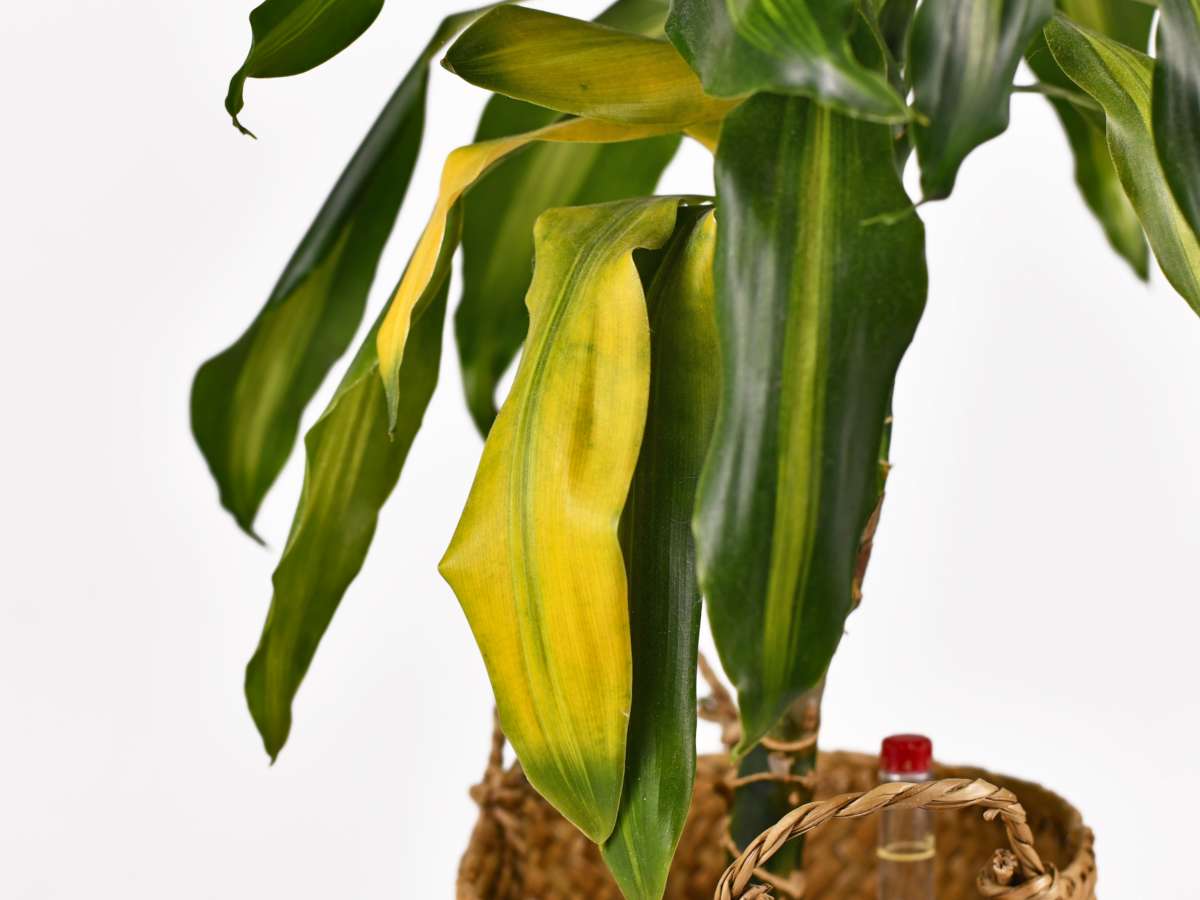
Dracaena crowns hold moisture when misted and develop a soft, faintly sweet-smelling rot that spreads inward invisibly. The smell is the first sign: something faintly fermented, almost like overripe fruit, coming from the soil or the crown.
With El Niño pushing temperatures higher across both hemispheres this year, indoor conditions are in flux. Hotter rooms mean faster soil evaporation — but also faster root stress if the soil dries unevenly.
So check soil temperature, not just surface moisture. A pot sitting on a sun-heated floor can bake roots from below while the top inch still feels cool.
Lift pots off stone or tile floors in summer using a simple saucer and a folded cloth.
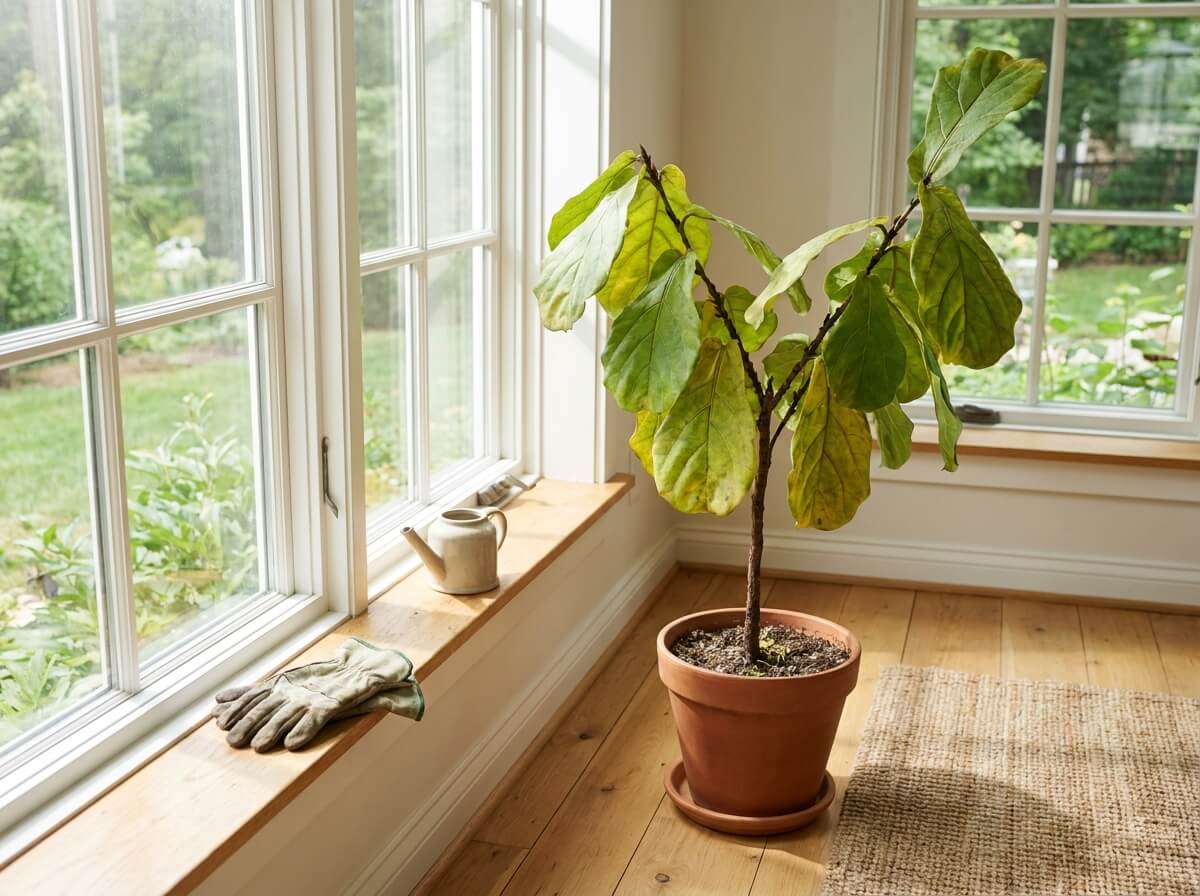
And if your tropical houseplant is already looking stressed right now, the reasons your potted houseplant is drying out too fast this summer will likely explain exactly what is happening.
Summer is peak time for these plants to really shoot up. Seize it.
Yes, repotting a large bird of paradise is awkward and heavy. Worth it. The difference in growth rate over the following 6 weeks is dramatic.
For bird of paradise specifically, the summer trick that finally makes your bird of paradise bloom covers the pot-bound method in specific detail.
There is a difference between a plant that is alive and one that is performing. Watch for these within a fortnight of getting conditions bang on.
According to the Botanic Gardens Conservation International, many of these species face habitat pressure in the wild — growing them properly indoors is, in a small way, a conservation act.
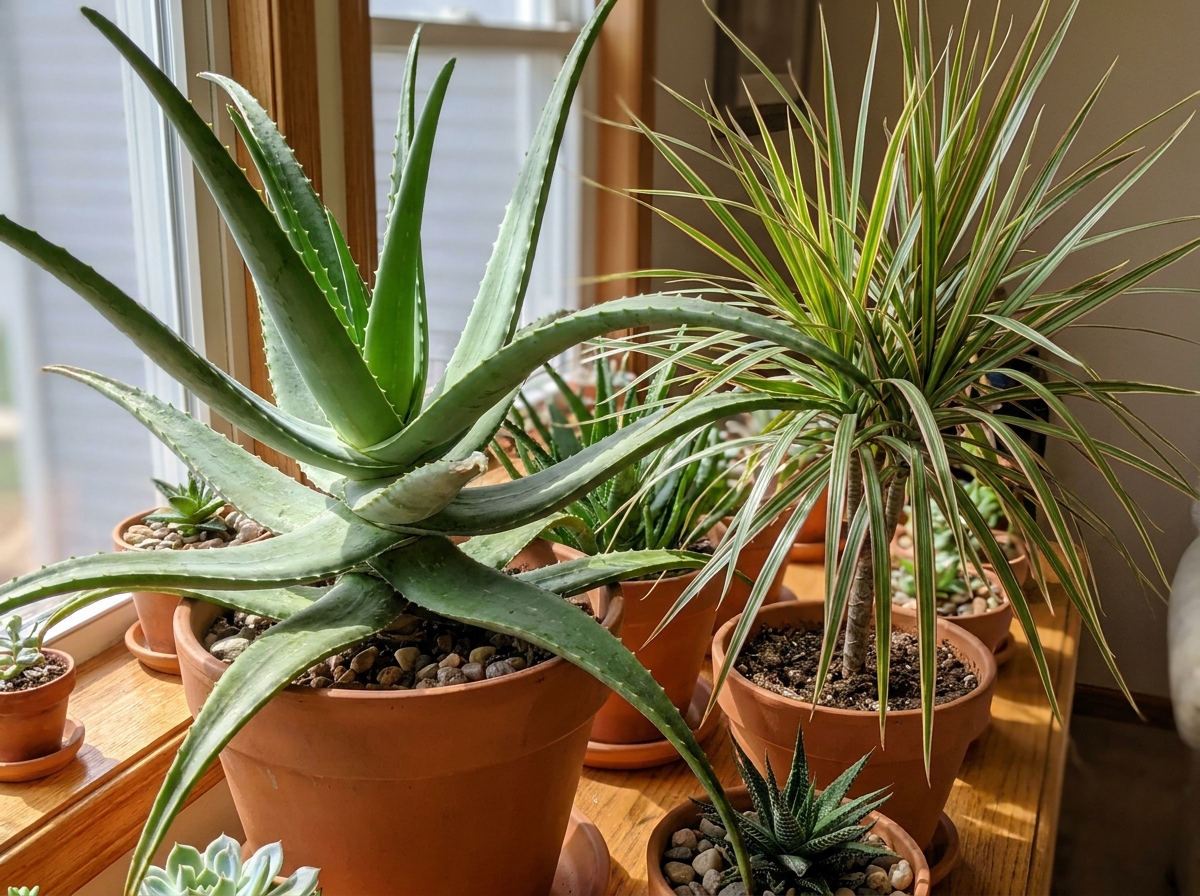
Smart tip: The thing is, when in doubt, underwater — every plant in this group recovers from drought faster than from root rot.
Yes, absolutely — yucca thrives in a sunny outdoor spot from late spring through early autumn in most of the UK and US. Bring it back inside before the first frost, below 5°C.
More light, not less — fenestration (the splits) increases when the plant receives brighter indirect light consistently. Move it closer to an east- or west-facing window and new leaves will split more dramatically.
Once every 10–12 days, deeply — water until it drains from the bottom, then let the soil dry completely before watering again. Never let aloe sit in a saucer of water.
Most of this care advice holds true year-round since these are indoor plants. Southern Hemisphere gardeners: your winter light is lower, so reduce feeding to once a month and hold back on repotting until your spring (September).