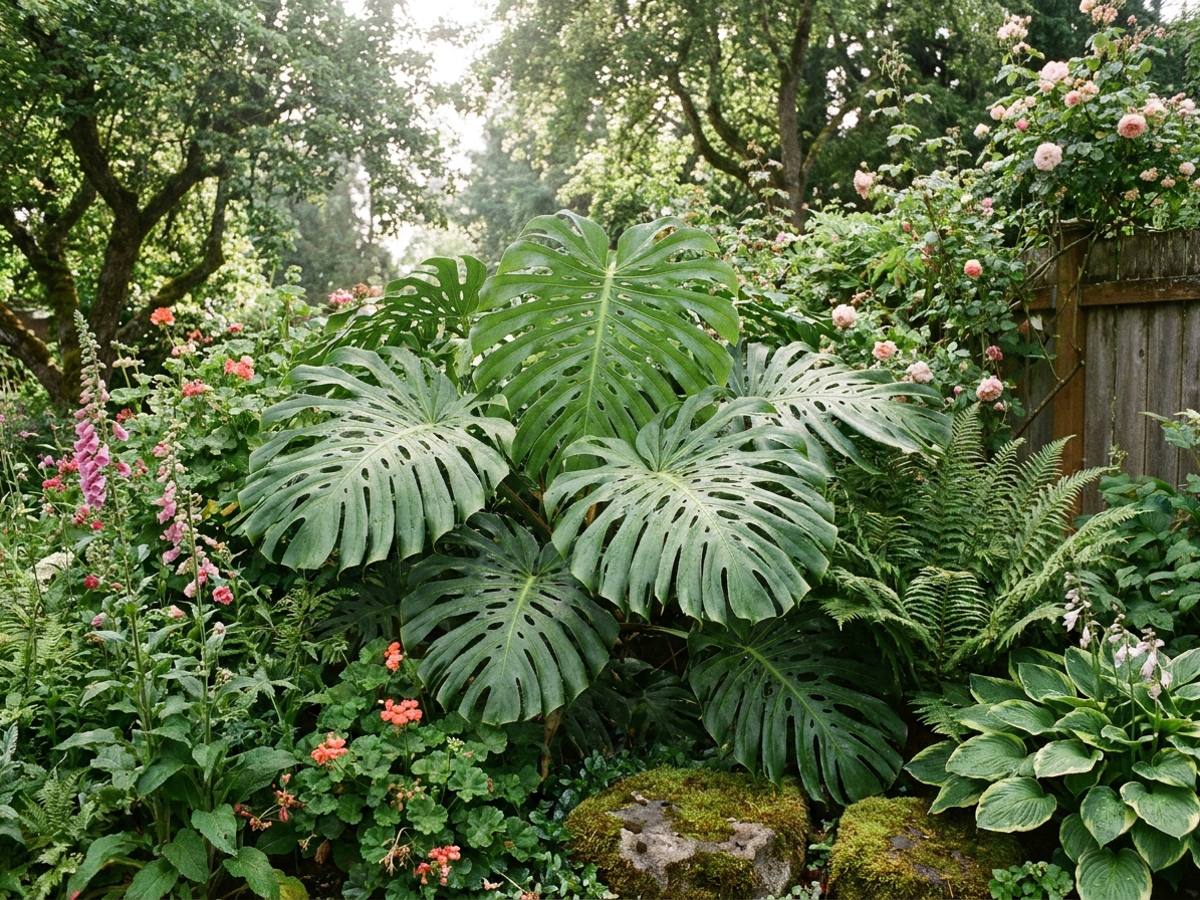
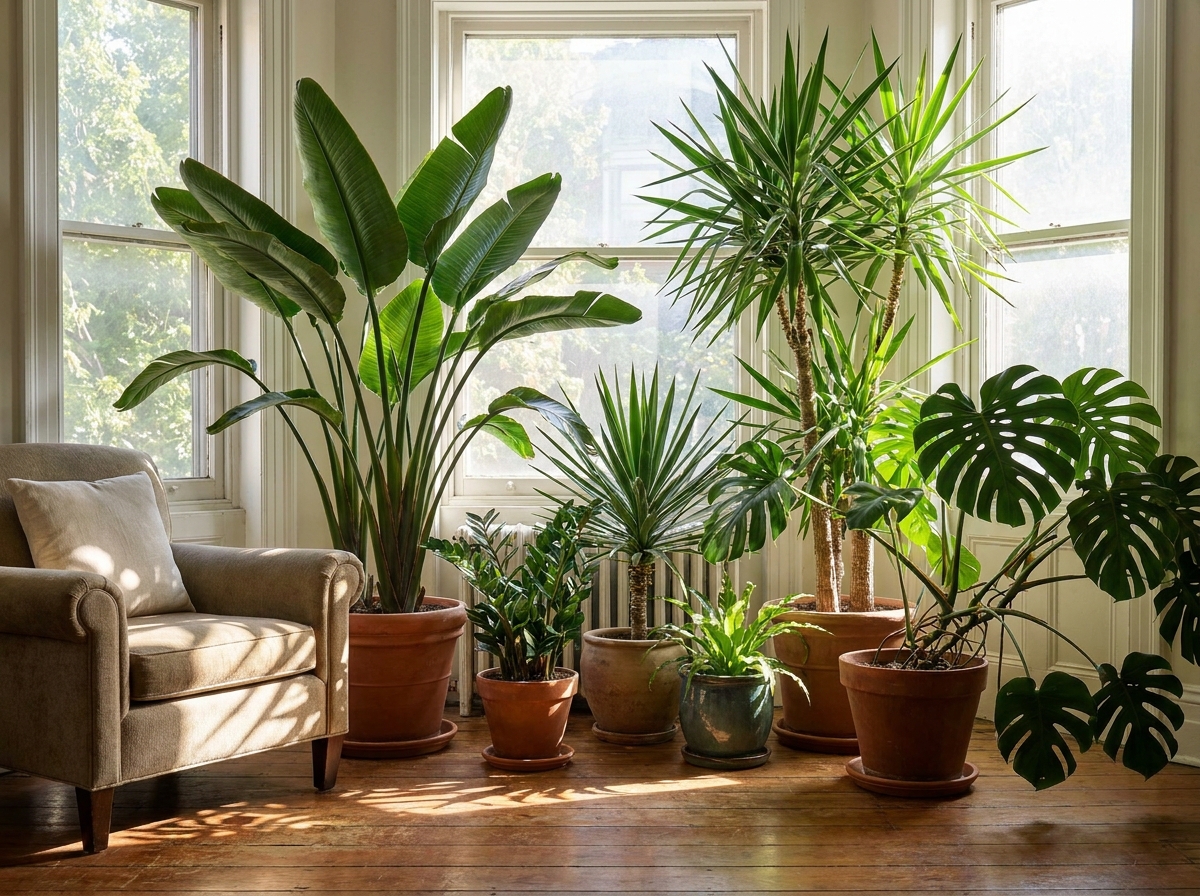
Monstera deliciosa, commonly known as the Swiss cheese plant, is a striking tropical climber prized for its large, deeply lobed and fenestrated leaves that resemble Swiss cheese. It makes an exceptional specimen plant for bright indoor spaces and conservatories, where its architectural foliage creates instant visual impact. This vigorous vine is valued as much for its ornamental leaves as for the occasional edible fruit it produces when mature.
Growing conditions
Monstera deliciosa thrives in bright, indirect light from an east or north-facing window. Direct afternoon sun can scorch the leaves, whilst insufficient light slows growth and reduces fenestration. A spot near a window where dappled light filters through is ideal.
Use a loose, well-draining potting compost enriched with orchid bark or perlite to prevent waterlogging. The plant prefers slightly acidic to neutral soil with good aeration around the root system. Ensure the pot has drainage holes to prevent root rot, the most common problem with this species.
This tropical plant requires consistently warm conditions and will suffer if exposed to temperatures below 10 °C. In the UK, it must be grown indoors or in a heated greenhouse; it cannot tolerate frost outdoors. Keep it away from cold draughts and sudden temperature fluctuations.
How to plant Monstera
Plant or repot Monstera deliciosa in spring when new growth is emerging, which allows the plant to establish quickly in fresh compost. Repotting every 18–24 months stimulates vigorous growth and prevents the plant becoming too pot-bound.
Space multiple plants at least 60–90 cm apart to allow for their sprawling growth habit
Plant with the aerial rootlets intact; do not bury the crown or nodes, as this encourages rot
Fill a pot 2–3 sizes larger than the previous one with aerated potting mix, leaving 5 cm headspace
Water thoroughly after planting to settle the compost, then allow the surface to dry between waterings
Propagate from stem cuttings (5–10 cm long with at least one aerial root or node) in spring; root in water or moist moss within 4–6 weeks
In the UK this tender climber must live indoors
Monstera care season by season at a glance
Watering, feeding and the main job to do all shift as the year turns. This table sets the four seasons side by side so you can see what your plant needs right now.
Monstera care season by season at a glance
Season
Watering
Feeding
Key task
Early to late spring
Let the compost surface dry between waterings
Every two weeks, balanced feed at half strength
Repot outgrown plants; guide aerial roots to a moss pole
Early to late summer
Every 7–10 days; evenly moist but never waterlogged
Continue regular feeding
Mist fortnightly and provide a moss pole or trellis to climb
Early to late autumn
Reduce frequency; let the surface dry slightly
Fortnightly until mid-autumn, then stop
Wipe leaves monthly with a damp cloth
Early winter to late winter
Sparingly, only when the surface is dry to the touch
None until spring
Hold above 10 °C and away from draughts
The pattern is simple: generous in the warm half of the year, restrained in the cold half.
Care through the seasons
Spring: Feed every two weeks with a balanced houseplant fertiliser diluted to half strength, as new growth accelerates. Inspect the plant for pest damage and inspect aerial roots; gently direct them towards a moss pole or support structure. Repot plants that have outgrown their containers.
Summer: Water regularly so the compost remains evenly moist but never waterlogged, typically every 7–10 days depending on temperature and humidity. Mist the leaves fortnightly with water to increase humidity and reduce dust, which improves photosynthesis. Provide a sturdy moss pole or trellis for the plant to climb against, as vertical growth is more attractive than trailing.
Autumn: Gradually reduce watering frequency as growth slows and daylight decreases; allow the compost surface to dry slightly between waterings. Feed fortnightly until mid-autumn, then cease feeding until spring. Wipe leaves monthly with a damp cloth to remove dust and maintain their striking appearance.
Winter: Maintain a minimum temperature of 10 °C and avoid draughts from radiators or windows. Water sparingly—only when the compost surface is dry to the touch—as the plant’s metabolic rate is much slower in winter.
Best varieties to grow
Several cultivars offer subtle variations on the classic form.
Monstera deliciosa ‘Borsigiana’ — A more compact cultivar with slightly smaller leaves and neater branching, ideal for smaller spaces and containers
Monstera deliciosa ‘Variegata’ — Features striking white or pale yellow variegated patches on leaves, though it grows more slowly and requires very bright light to maintain variegation
Monstera deliciosa ‘Albo-Borsigiana’ — A smaller-leaved sport with white variegation that is easier to care for than standard variegated forms
Monstera deliciosa var. liebmannii — A wild form with more densely lobed leaves and a compact habit, occasionally available from specialist growers
Pests, diseases and common problems
Spider mites: Leaves become speckled with pale patches and develop fine webbing underneath; increase humidity by misting and spraying the undersides of leaves with neem oil every 10–14 days until resolved
Mealybugs: Appear as white cottony clusters on stems and leaf joints, weakening the plant; remove manually with a damp cloth or cotton wool dipped in methylated spirits, then monitor closely for reinfestation
Root rot: Stems become soft, mushy and black, caused by overwatering or poor drainage; repot immediately into fresh, dry compost, trim away blackened roots with sterile secateurs, and reduce watering frequency significantly
Leaf yellowing: Usually indicates overwatering or poor light; move the plant to a brighter location, allow the compost to dry more thoroughly between waterings, and check that the pot has adequate drainage holes
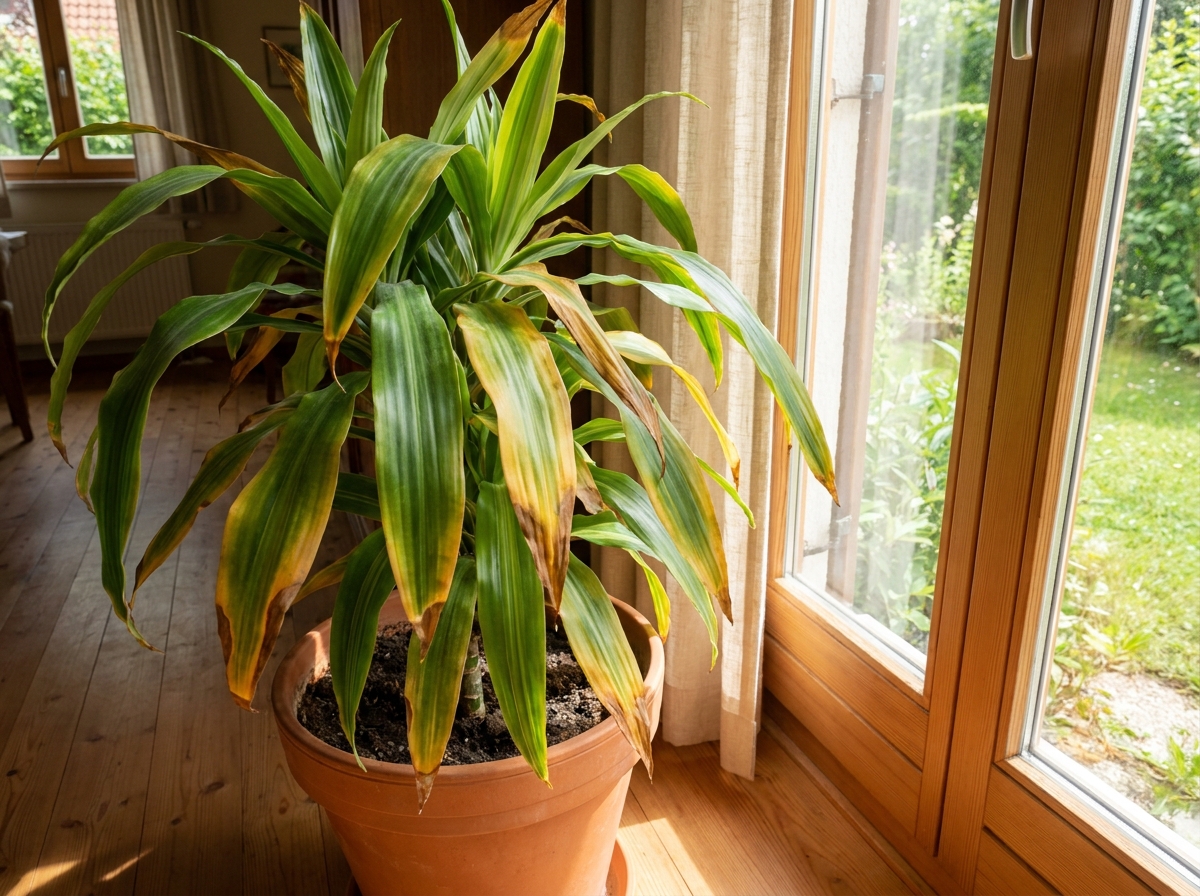
Brown leaf tips: Low humidity or mineral salts in tap water cause browning; mist the foliage regularly, use rainwater or filtered water, and maintain temperatures above 15 °C
Lack of fenestration: Juvenile plants have solid leaves; fenestration develops naturally as the plant matures and light exposure improves, typically after 12–18 months of vigorous growth in bright conditions