When a brutal July heatwave arrives, most vegetable gardeners go into damage-control mode — shading the courgettes, emergency-watering the tomatoes, watching the lettuce bolt in real time. But on the same patio, a handful of herbs are doing something completely different. They are thriving. Understanding which herbs peak under pressure — and which ones silently struggle — changes everything about how you cultivate and use them.
Mediterranean herbs evolved on sun-baked, rocky hillsides with thin soil and almost no rain. Rosemary, thyme, oregano, sage, and marjoram spent thousands of years adapting to exactly the conditions that wilt everything else in your garden.
And, when temperatures climb above 25°C and the soil dries out between waterings, these plants respond by pushing more aromatic oil into their leaves — a defence mechanism that makes them taste extraordinary.
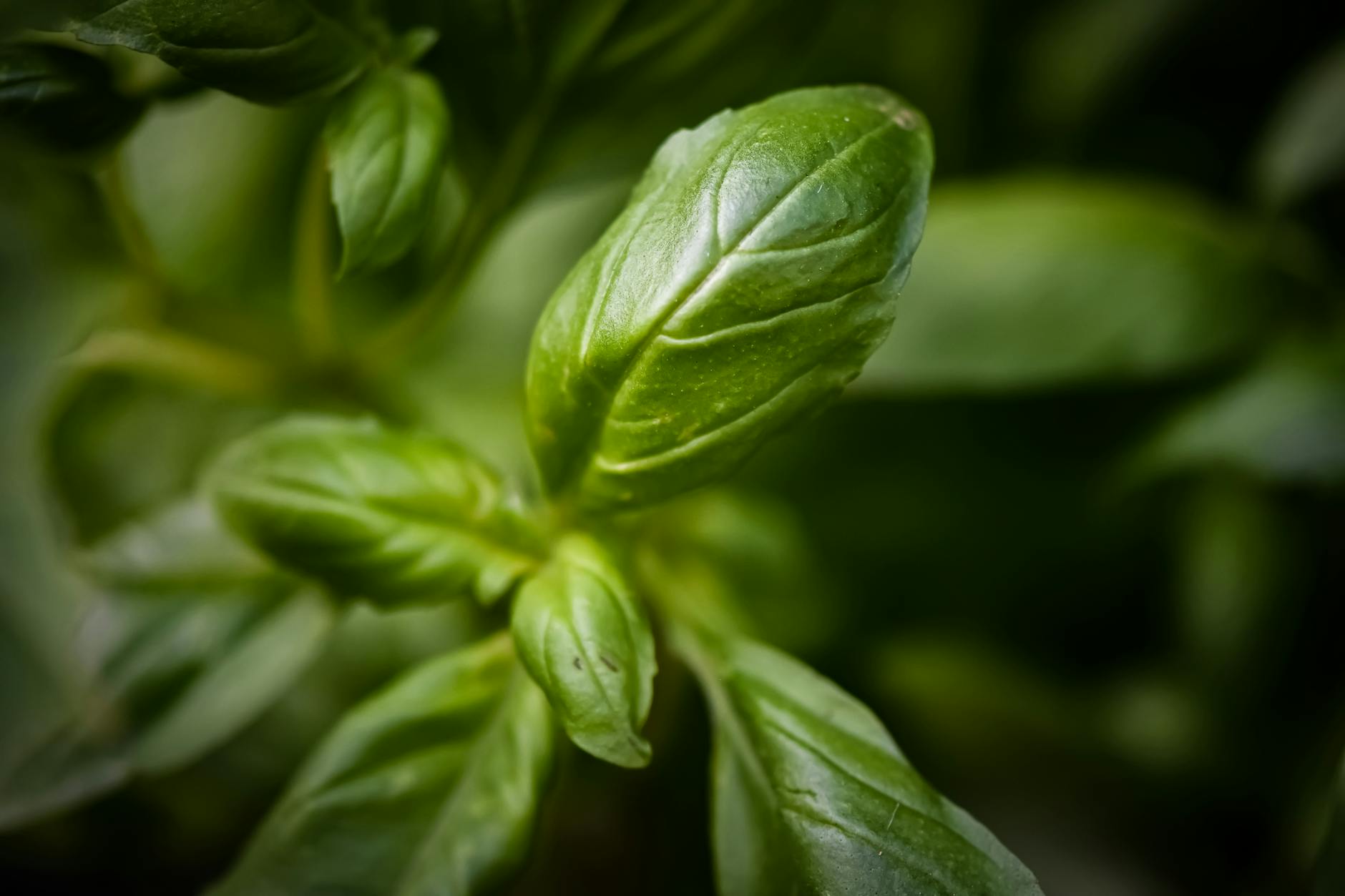
Basil is slightly different. It is tropical, not Mediterranean, but it still loves heat. Peak flavour in basil occurs between 27°C and 32°C. Below 15°C, the leaves turn black overnight. Above 35°C with no airflow, it starts to bolt. But that sweet spot — a warm, still, bright July afternoon — produces basil so fragrant you can smell it from a metre away without touching a single leaf.
The herbs that genuinely struggle in peak summer heat are the ones most people treat the same way: parsley, chervil, coriander (cilantro), and mint. All bolt, bolt, bolt the moment temperatures spike.
Overwatering. That is it.
That is the mistake.
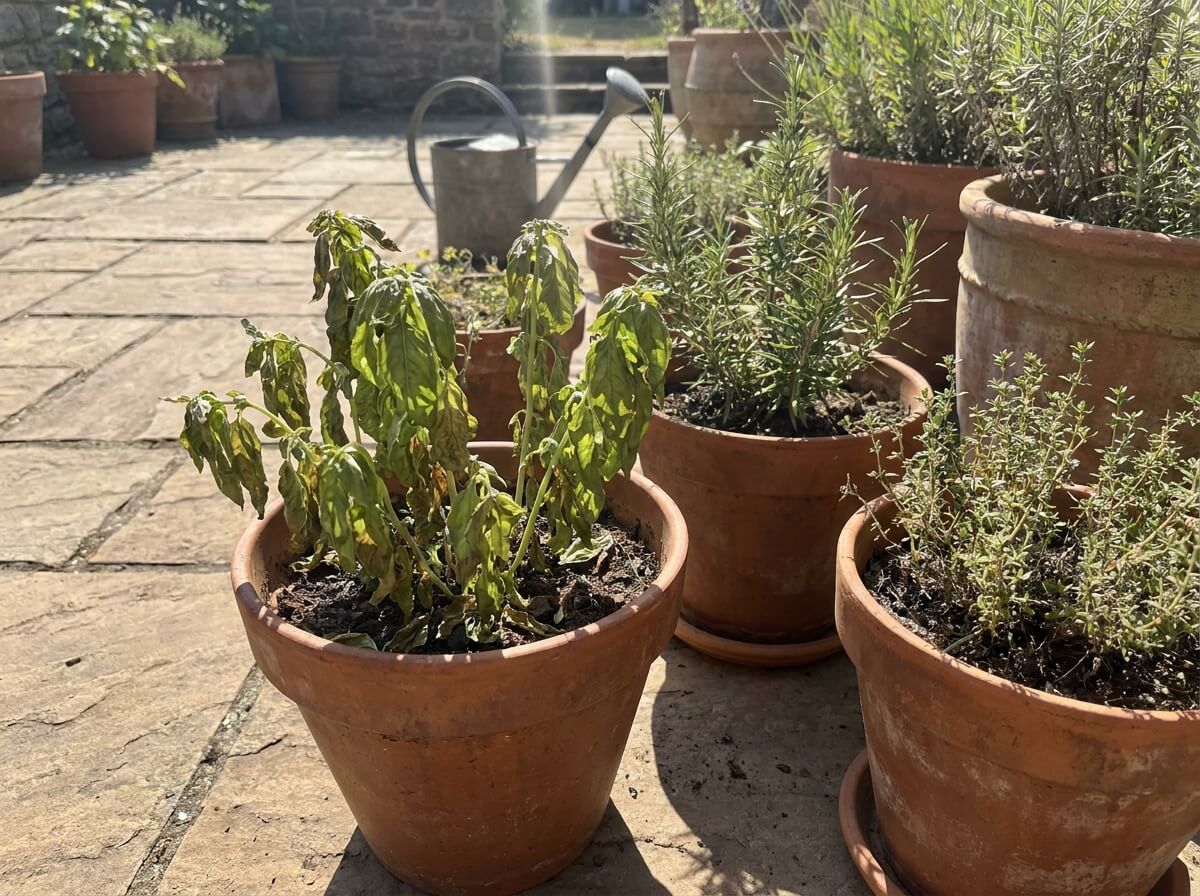
Gardeners see wilting and reach for the watering can — but with rosemary, thyme, and oregano in pots, wilting in afternoon heat is often perfectly normal and self-correcting by evening. Watering these herbs daily in summer actively kills them by keeping roots wet, inviting root rot in pots that cannot drain fast enough.
For Mediterranean herbs in terracotta pots, water deeply once every 4–5 days in a heatwave. Let the top 3–4cm of compost properly dry out before watering again.
So, use your finger, not the calendar. If the soil still feels cool and damp 4cm down, step away from the watering can. That is the proper way.
Basil is the exception — it needs water every 2 days in proper heat, preferably at the base, never on the leaves. If you are struggling with vegetables in the heat too, the approach to keeping tomatoes productive through a brutal heatwave uses a similar logic: deep, infrequent watering beats light daily sprinkles every time.
Harvest before 10am. Always.
In the early morning, volatile aromatic oils sit at their highest concentration in the leaves — they have not evaporated yet in the heat of the day. Snip rosemary and thyme sprigs at that hour and the scent is almost piercingly sharp.
Cut the same plant at 3pm and the oils have already been driven off by heat and sun. You are getting a weaker, less aromatic result from the same plant.
With basil specifically, pinch the growing tips every 5–7 days rather than pulling off whole stems. Pull off any flower buds the moment they appear — a flowering basil plant ceases production of new leaves, and flavour drops fast.
Yes, it is fiddly. Worth it.
For gardeners interested in keeping a productive patio kitchen garden going beyond herbs, succession planting in the kitchen garden is the logical next step to ensure a perpetual harvest.
Pot material matters more than most gardeners realise. Terracotta breathes, wicking away excess moisture from the root zone — exactly what Mediterranean herbs need.
Plastic pots hold water longer, which suits basil but risks killing thyme or rosemary in a prolonged heatwave.
The thing is, pot size matters too. A 30cm terracotta pot holds enough soil volume to buffer temperature swings without overheating the roots. Anything smaller than 20cm will superheat in direct afternoon sun and cook the roots regardless of what you are cultivating. Group pots together — clustering five pots creates a slightly cooler, more humid microclimate around the root zone without sacrificing the sun the plants need above.
According to RHS cultivation guidance on herbs, good drainage and a gritty, free-draining compost mixed with around 20% horticultural grit is the single most non-negotiable setup detail for Mediterranean herbs in pots — more than feeding, more than watering frequency.
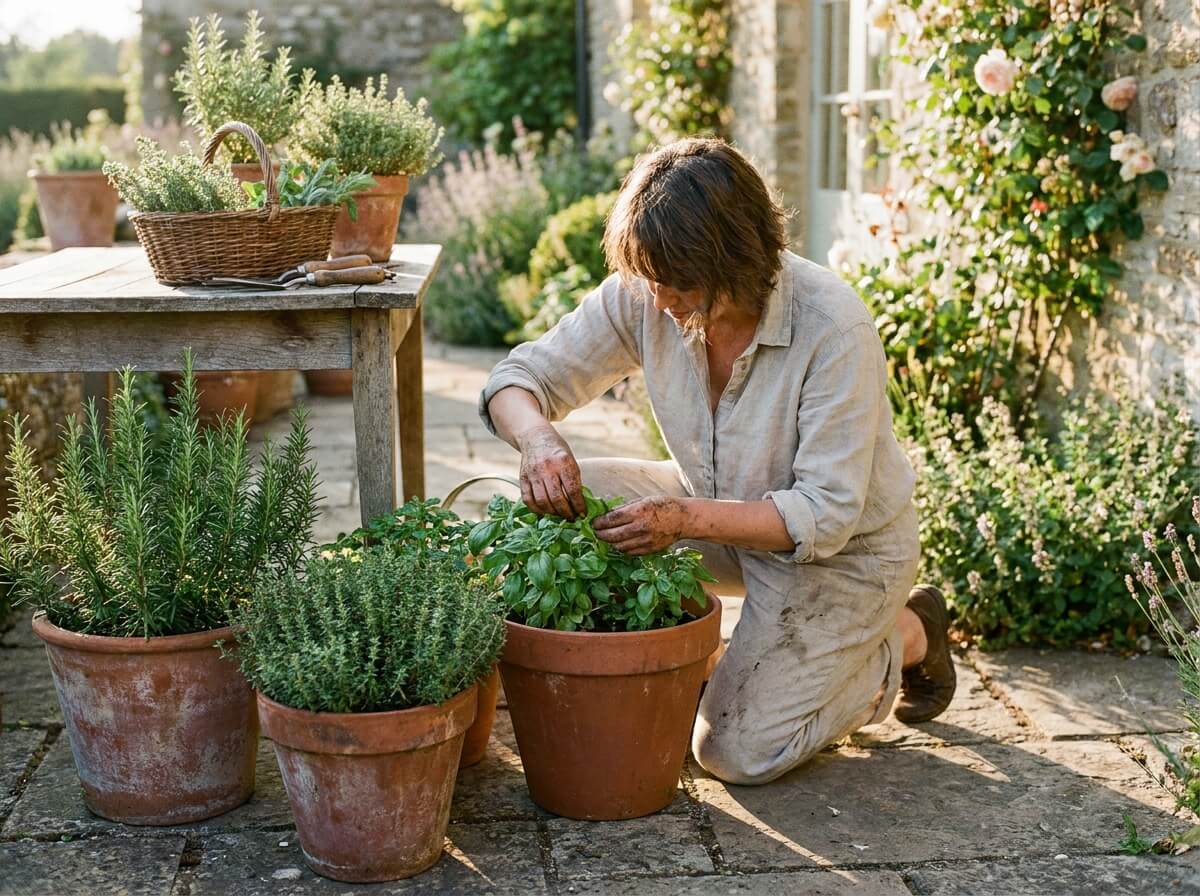
Smart tip: Harvest all heat-loving herbs before 10am — that is when aromatic oil content peaks in the leaves.
No. Rosemary needs dry roots and infrequent water; basil needs consistent moisture every 2 days.
They want opposite conditions and will fight each other in a shared pot.
Woody thyme is old thyme. Cut it back by half in early summer to force new soft growth, or replace it — thyme typically peaks in years 2–3 and declines sharply after year 5.
Hold off on nitrogen-heavy feeds in peak heat — they push soft, sappy growth that wilts woefully. A half-strength liquid seaweed feed once a fortnight is plenty through July and August.
Afternoon wilting in basil is often heat stress, not drought — the plant temporarily closes its stomata to conserve moisture. Water in the morning, move the pot to a spot with afternoon shade, and check that the pot has drainage holes properly clear of blockage.