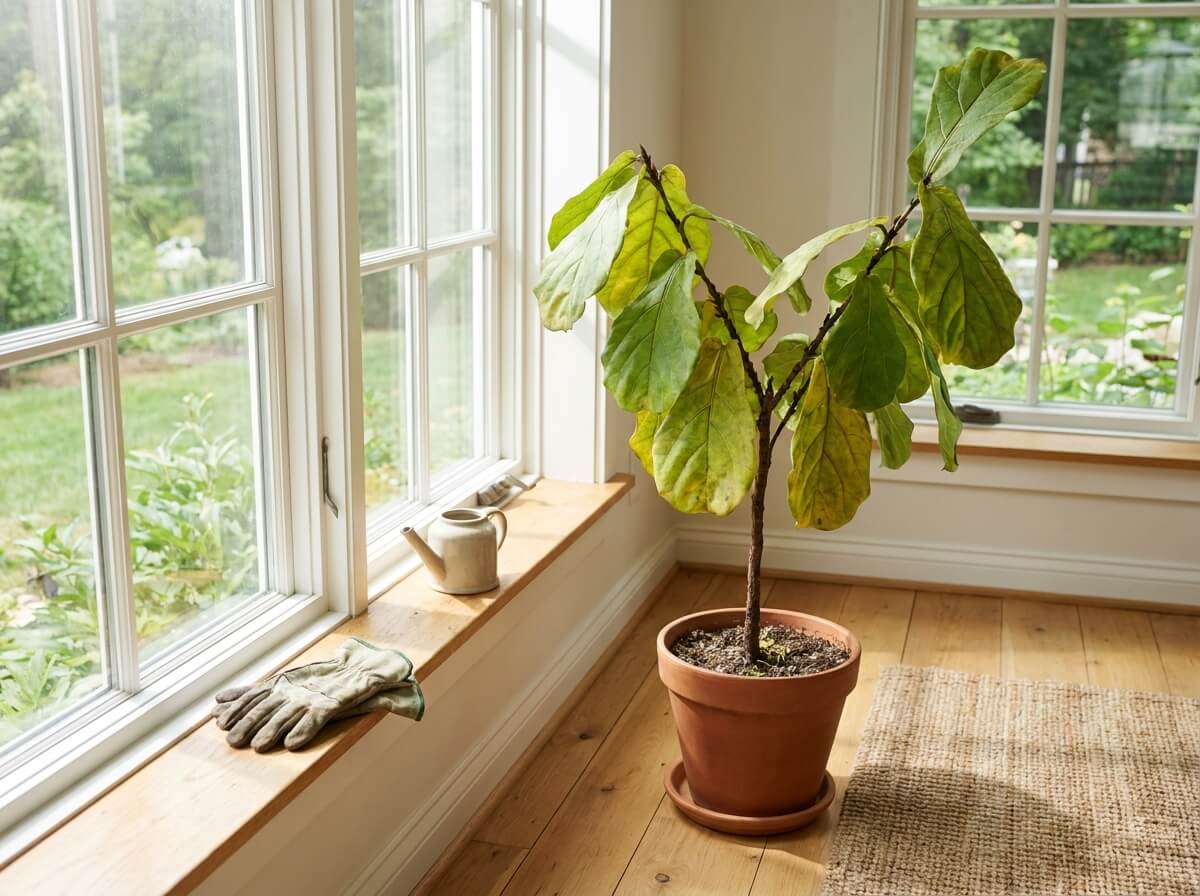
Summer is supposed to be a houseplant’s fastest season. Longer days, warmer rooms, more light — the conditions are right. So when your plant sits there week after week with zero new leaves, zero new stems, nothing, something is actively blocking it. The cause is almost never light or water. It is usually one of three invisible issues, and the fix takes less than 20 minutes once you know what you are looking for.
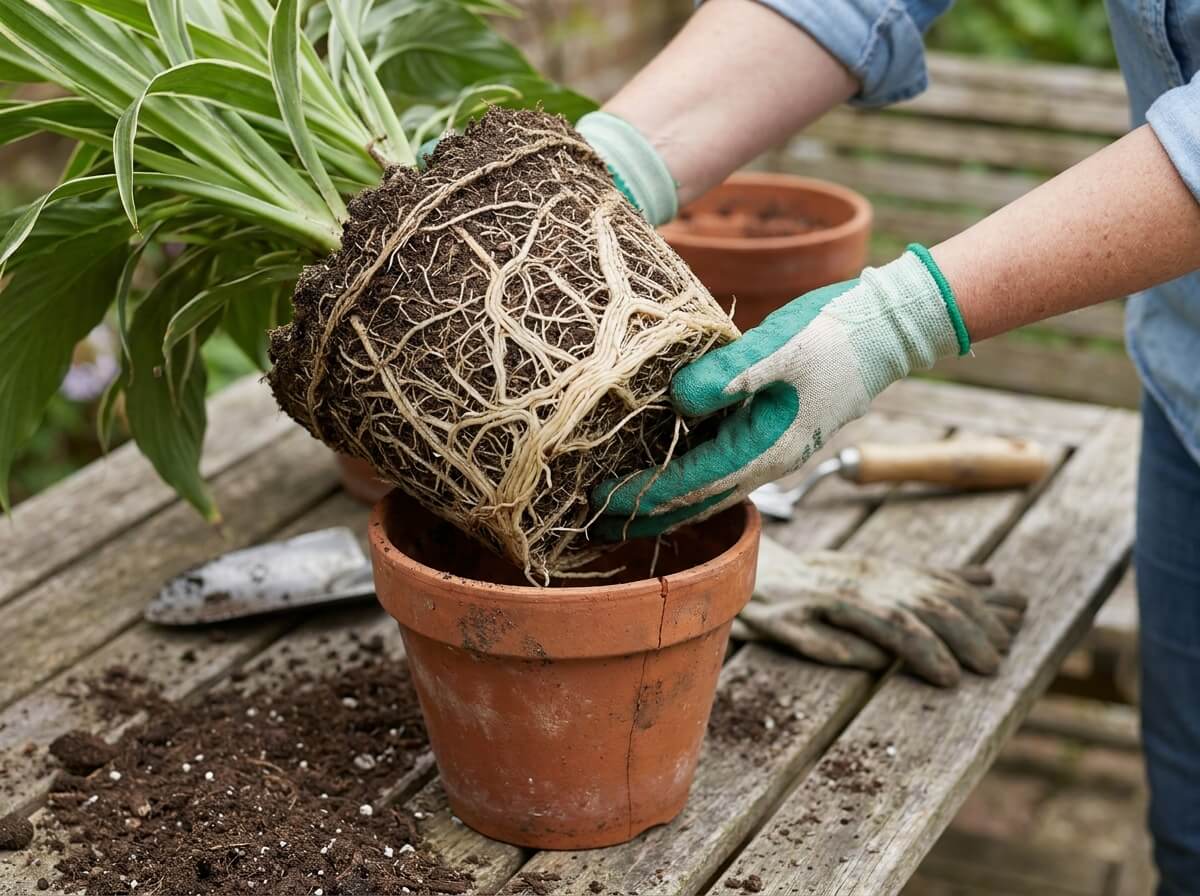
The most common culprit is a root-bound pot. Slide your plant out — if the roots are circling the base in tight coils, pressing against every wall, or pushing out of the drainage hole, the plant has simply run out of room.
No new root growth means no new shoot growth. The plant is not lazy.
It is trapped.
The second cause is fertiliser salt build-up. A white crusty residue on the surface of your potting mix is not decorative.
It is a warning sign that mineral salts have accumulated to the point where they are burning root tips at the cellular level, making it physically impossible for the plant to take up nutrients even when they are present. And if you have not fed your plant at all this season, a genuine nutrient deficiency — especially nitrogen — will flatline summer growth just as effectively.
The third is temperature stress. A pot sitting directly on a sun-baked windowsill can reach soil temperatures above 35°C. At that point, root enzymes stop functioning properly. The plant looks fine from above. Below the surface, it is effectively shut down. You are noticing this pattern, yes? Then the article on your houseplant suffocating in the heat offers more detail on hidden thermal damage.
A stalled plant is not a dead plant. But inaction has a cost.
A root-bound plant left untouched will eventually start dropping older leaves to compensate — the plant cannibalises itself. Fertiliser salt build-up worsens with every watering cycle. The root damage becomes structural, not temporary. Repotting most houseplants every one to two years is, frankly, a non-negotiable step to avoid long-term decline.
The summer window matters. Most tropical houseplants have a proper growth season running roughly 14 weeks.
Miss it by doing nothing in the first half, and you have lost half the year’s potential. That is not recoverable until next summer.
Start with the root check. Pull off the plant from its pot.
If roots are circling densely or the root ball holds the exact shape of the container with no loose soil visible, repot immediately into a pot 4–5cm wider — not larger, or you risk waterlogging. Yes, it is fiddly. Absolutely worth it. Use fresh peat-free multipurpose compost mixed with 20% perlite for drainage.
If the root ball looks healthy but growth has stalled, suspect salt build-up. So, flush the pot thoroughly: water deeply three times in a row, letting it drain completely each time.
This action does wonders for leaching accumulated salts out through the drainage hole. Then begin a fortnightly liquid feed — a balanced NPK fertiliser at half the stated dose works better than full-strength doses every month.
The thing is, repotting mid-summer feels counterintuitive. Do it anyway. Most healthy plants push out a new leaf within 10 to 14 days of being given root space.
The timing is bang on when the conditions are right.
A plant that is stalled often shows secondary signals most people misread. Yellowing lower leaves are usually written off as normal ageing.
And combined with zero new growth, they point to root suffocation or nitrogen deficiency. Pale, washed-out new growth (when it does appear) suggests the plant is getting light but can not process it — a classic sign of nutrient lockout from salt build-up rather than lack of fertiliser.
Watch also for stems that look healthy but feel soft at the base when pressed gently. That texture — slightly spongy, almost waterlogged — is not quite right. It means root rot has already begun below the soil line. University of Maryland Extension’s houseplant troubleshooting guide identifies root rot as the leading cause of indoor plant issues, and it almost always starts invisibly before you see any leaf symptoms.
If your plant produces exotic or sculptural foliage and you are not sure whether the growth pause is an issue or a natural rest cycle, the article on desert and jungle plants thriving indoors breaks down which species genuinely do go dormant in summer — and which ones should not.
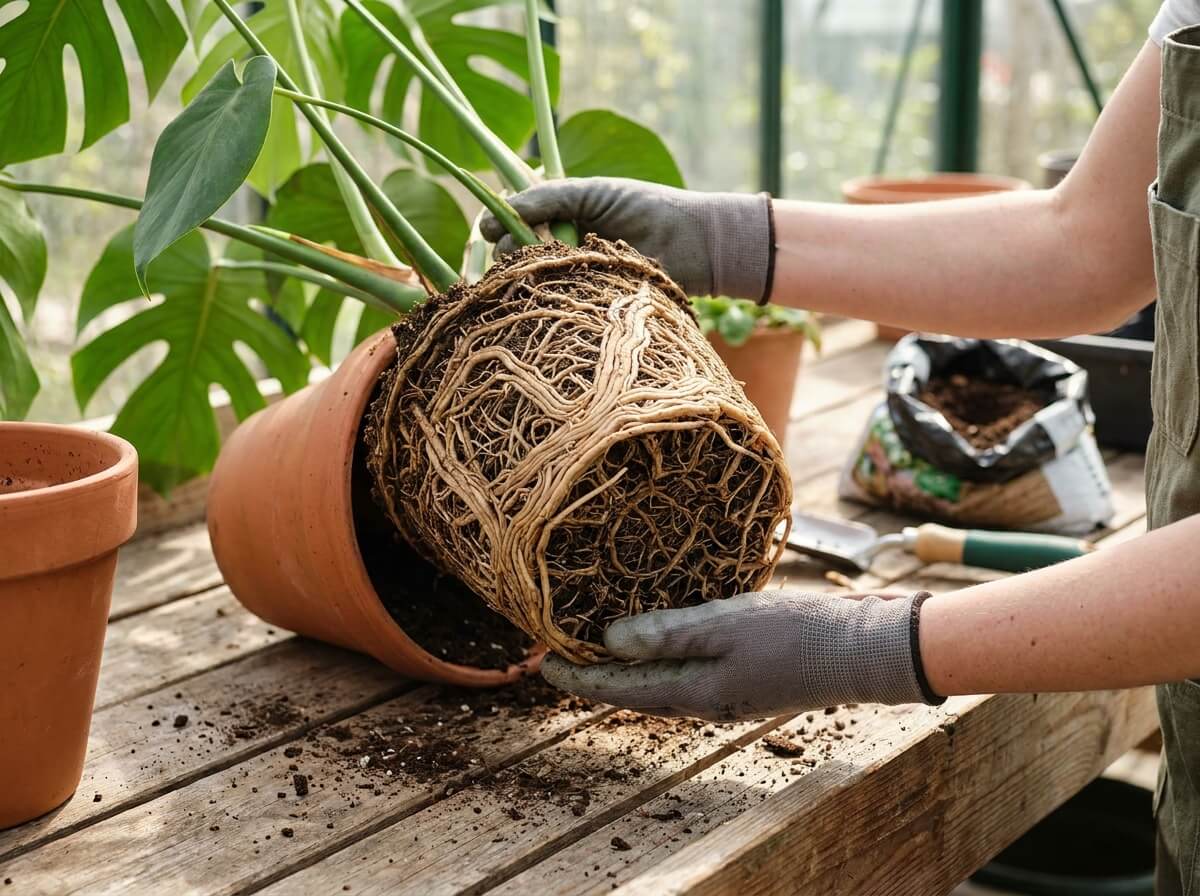
Smart tip: Slide your plant out of its pot every summer — 60 seconds of checking saves a season of stalled growth.
Remove it from the pot and look at the base — if roots are circling tightly or the root mass holds the exact pot shape with almost no visible soil, it is root-bound and needs a larger container immediately.
Only after ruling out root issues first. Feeding a root-bound or root-rotted plant accelerates damage rather than fixing it — address the roots, then resume feeding with a half-strength liquid fertiliser fortnightly.
Yes, if the root system is still healthy. Repot, flush the soil, and resume feeding — most plants show new growth within two weeks once the blockage is removed.
Absolutely — summer is actually the best time to repot most tropical houseplants because the warmth speeds root establishment. Avoid repotting only if the plant is already severely stressed or wilting badly.