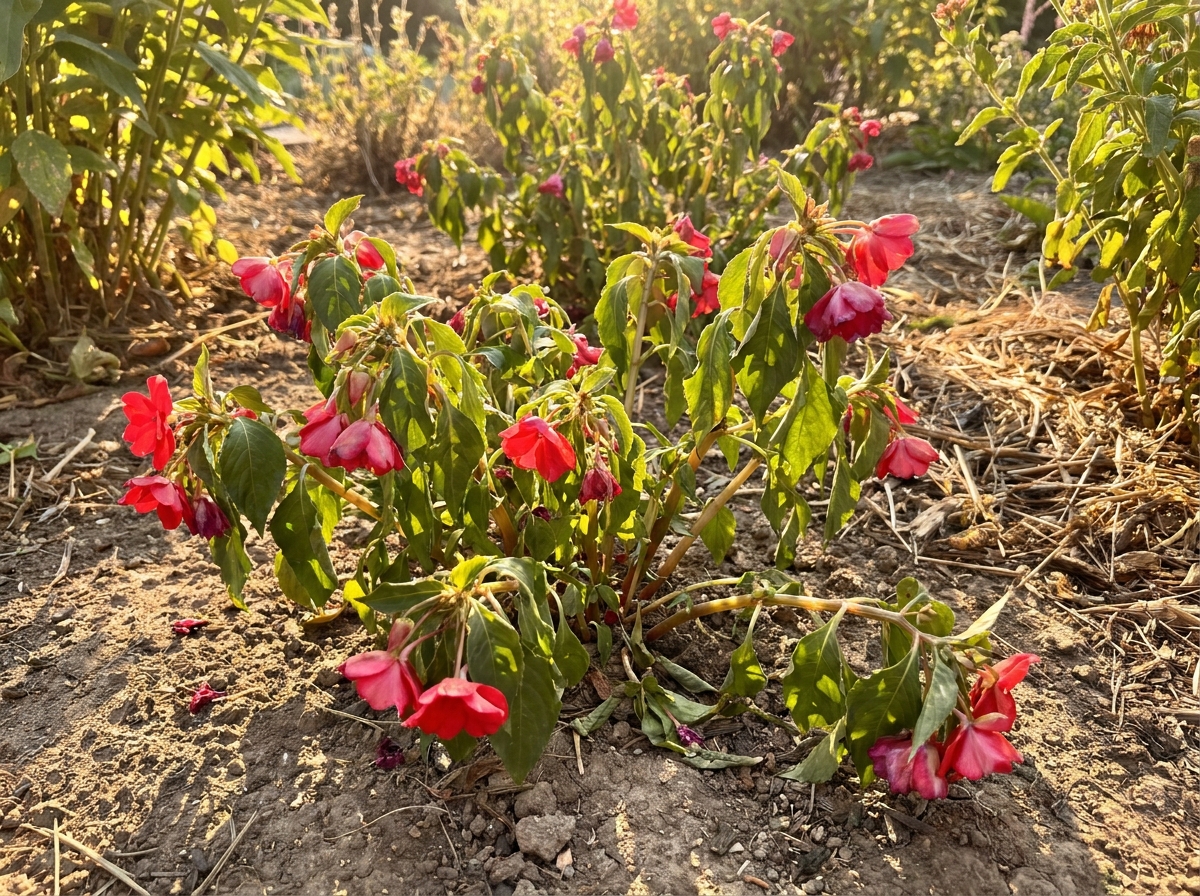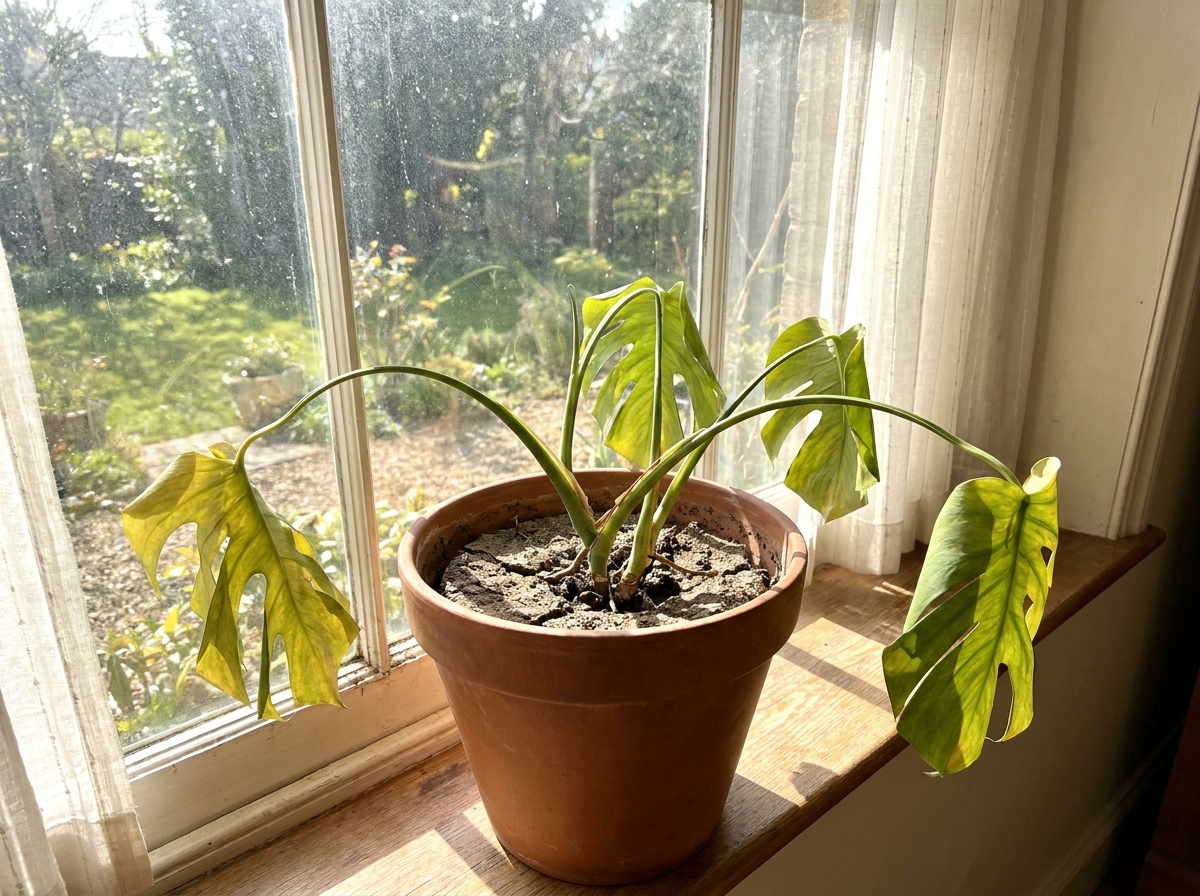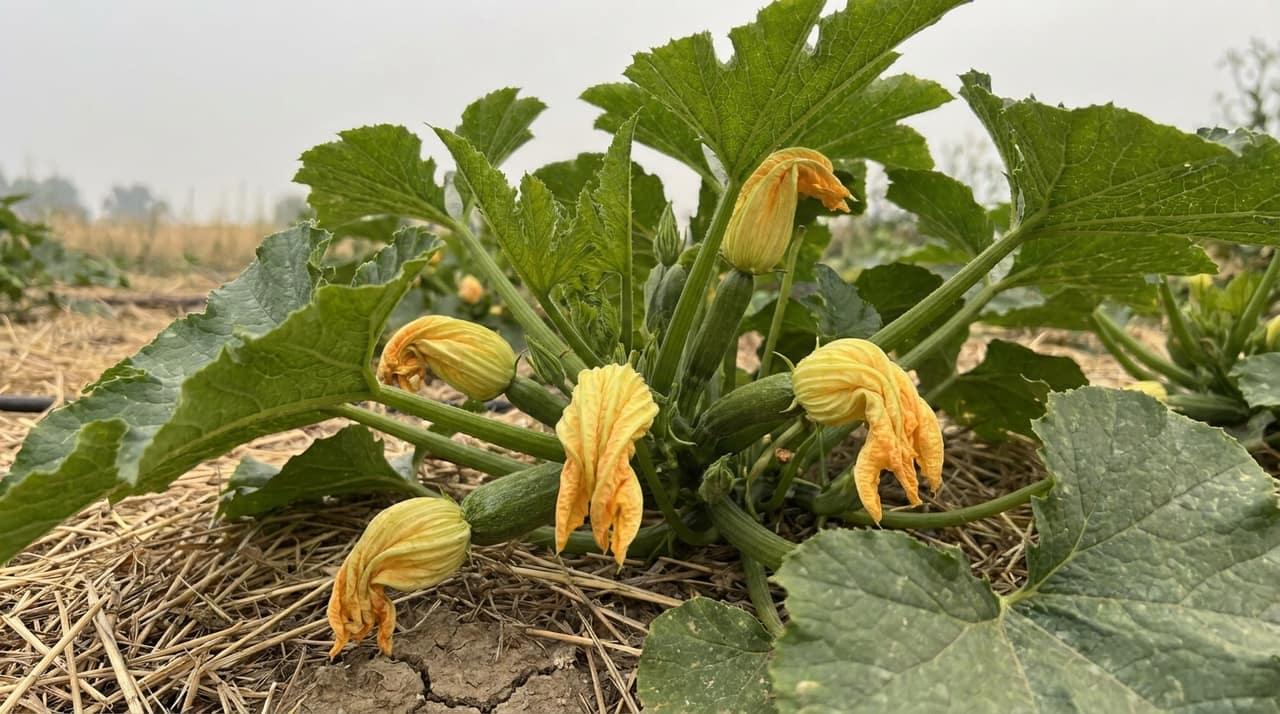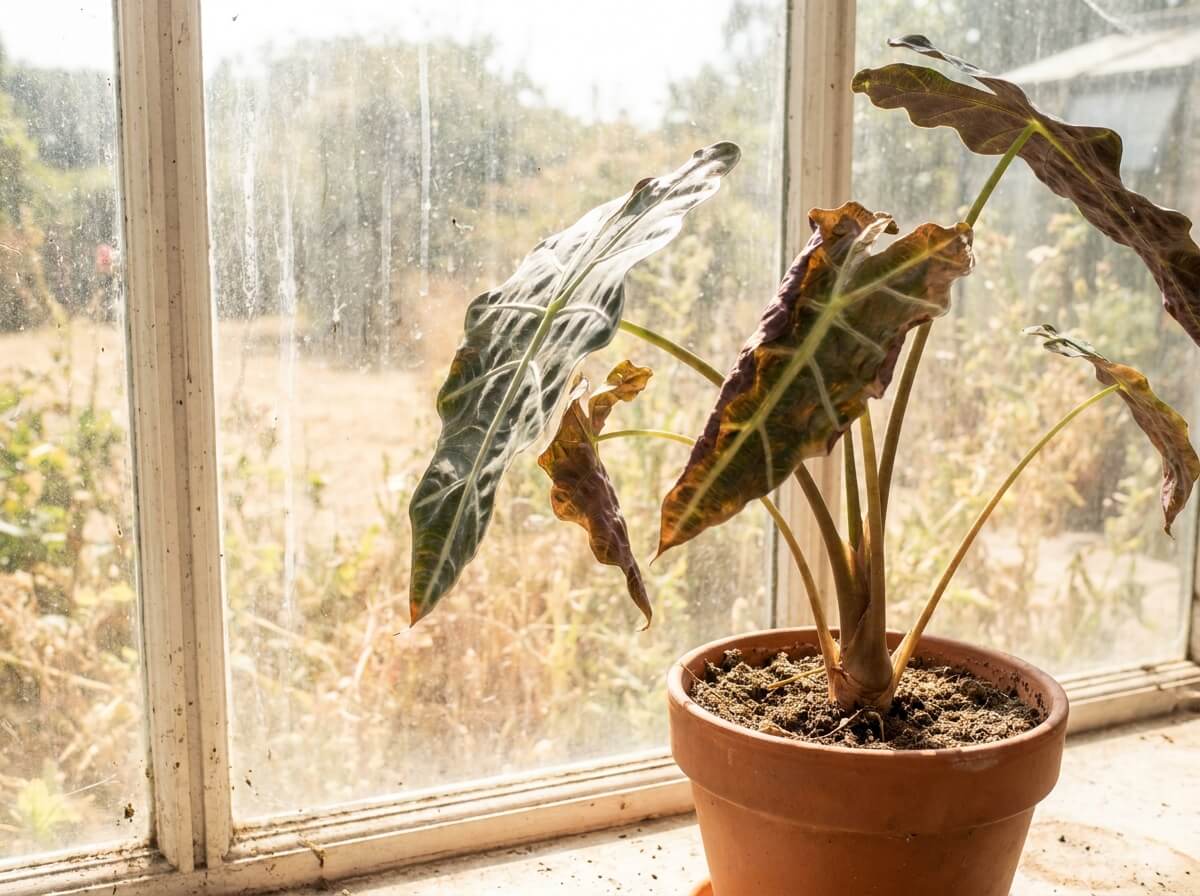
Your houseplant looked fine this morning. By mid-afternoon, it is sagging — leaves drooping, stem gone soft. So you water it. And tomorrow it looks worse. The issue is not drought. In summer, especially during heatwaves, tropical houseplants trigger a full internal shutdown. This shutdown mimics drought stress. But it responds catastrophically to extra water. Here is what is actually happening. Discover exactly what to fix today.
Tropical plants breathe through tiny pores called stomata on the underside of their leaves. When temperatures push past 30°C (86°F), those pores clamp shut.
The plant stops transpiring. Water cannot move up through the stem. Turgor pressure plummets. And the whole plant goes limp — even if the root zone is perfectly moist.
Glass makes it brutal. A south-facing or west-facing windowsill can reach surface temperatures of 45°C on a clear summer day. This is true even when your thermostat indicates 24°C.
The plant is not in your living room anymore, functionally. It is sitting in a solar oven.
And radiant heat scorches faster than air heat. The leaf closest to the glass heats up unevenly. The stomates on that side close first. Wilting commences from one direction — this is a tell-tale sign of heat stress, not thirst.
Two days of heat shutdown causes stress. Two weeks causes real damage.
When a plant cannot photosynthesise or transpire properly for extended periods, it starts cannibalising its own tissue. Older leaves yellow and drop first. Then newer growth goes pale, becomes distorted, or simply stops. For plants like exotic tropicals grown indoors, this kind of accumulated stress across a full summer can set them back by months. This will stunt their proper development.
The thing is, overwatering a heat-stressed plant turns a recoverable situation into a dead one. Roots sitting in wet, warm, airless soil will rot within 72 hours. That is quick work.
The plant was stressed. It becomes unsaveable.
Move the plant back from the glass — at least 50 to 80cm. Not this evening. This is non-negotiable. Now. That single action drops the effective temperature the plant is experiencing by 8 to 12°C in most rooms. You will see the leaves recover tension within 24 to 48 hours if heat stress was the cause.
Check the soil before you do anything else with water. Push a finger 5cm into the compost.
If it is damp, leave it. Water only in the early morning. Apply it deeply — 15 to 20 minutes slow-soaking at the base. Then let the top 3cm dry out completely before watering again. Get it properly sorted.
Yes, it is fiddly to keep repositioning plants as the sun moves. Worth it. The difference between a plant that thrives and one that quietly dies all summer comes down to those 60 centimetres. This is bang on advice.
Wilting is the obvious one. But heat stress speaks in subtler ways before it reaches that point. Catching it early means a 10-second fix instead of a month of recovery. Proper vigilance is key.
Watch for edges. Leaf tips turning crispy and brown — not yellow, crispy — while the rest of the leaf looks unblemished is a classic early sign of heat scorch. The RHS reveals that sun scorch manifests as bleached or papery patches, usually on the side of the plant facing the glass.
Any one of these, on its own, is a reason to check the plant’s position before you touch the watering can. According to University of Maryland Extension, most houseplant issues diagnosed as watering issues are actually light or temperature placement issues.
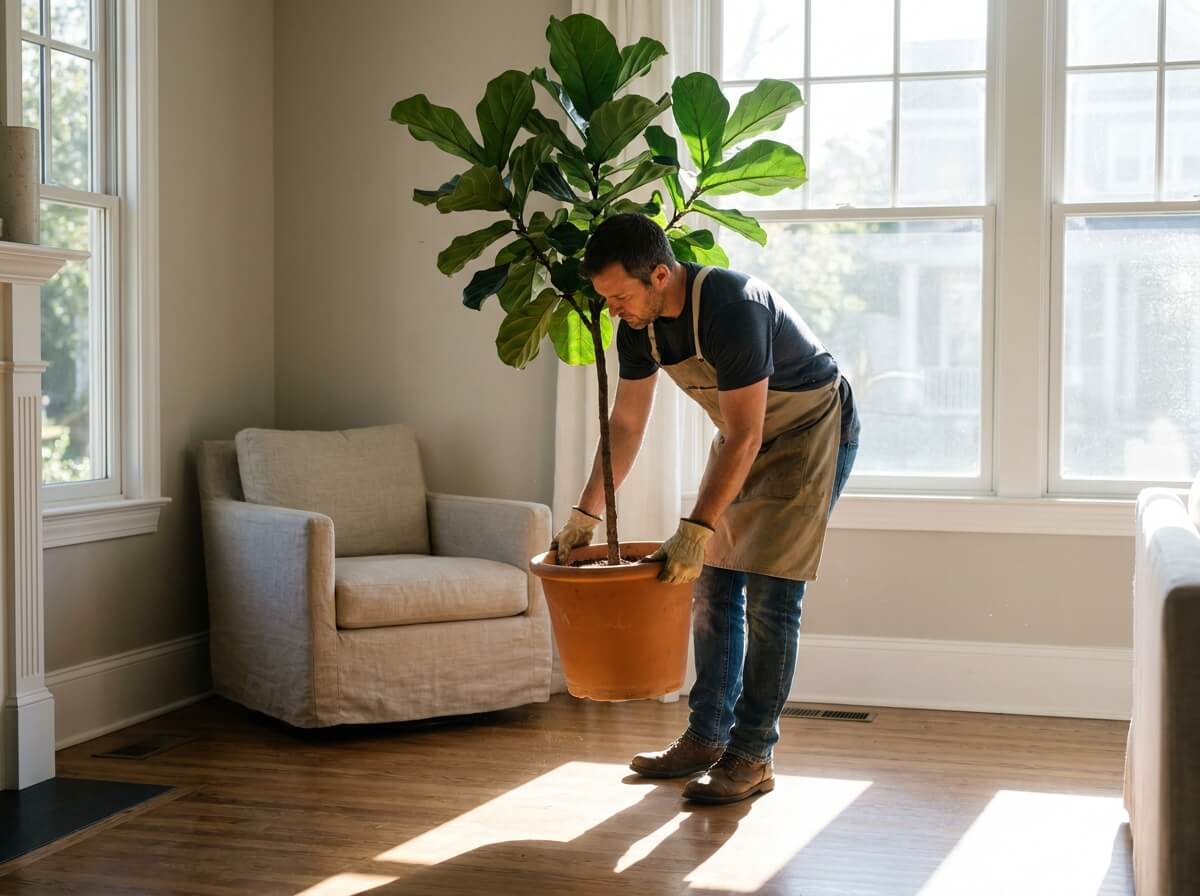
Smart tip: Before watering a wilting houseplant in summer, touch the soil — damp soil means move the pot, not add water.
Push a finger 5cm into the soil. If it is damp and the plant is still wilting, it is heat stress.
If the soil is bone dry and pulling from the pot sides, then water — but move the plant first.
Yes, in most cases, if you catch it within a few days. Move it to a cooler, brighter-indirect spot, stop watering until soil is partially dry, and most plants restore normal leaf tension within 48 hours.
Peace lilies, pothos, ferns, calatheas, and philodendrons are the most vulnerable — all originate in shaded forest floors and have no tolerance for direct radiant heat. Cacti and succulents are the exception; they can take it.
Only if you acclimate them gradually over 10 to 14 days — sudden full outdoor sun after months indoors causes instant scorch. Start with morning sun only, maximum 2 hours, and increase slowly.