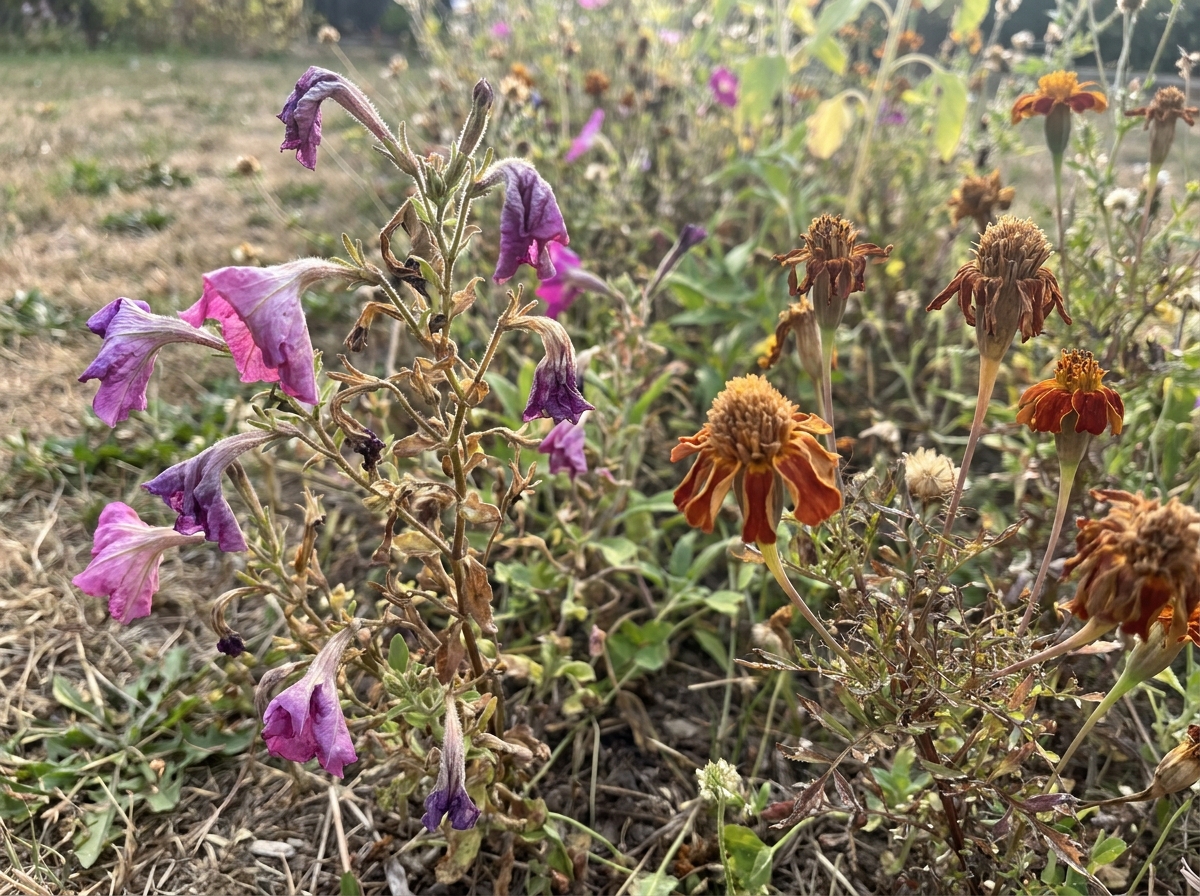
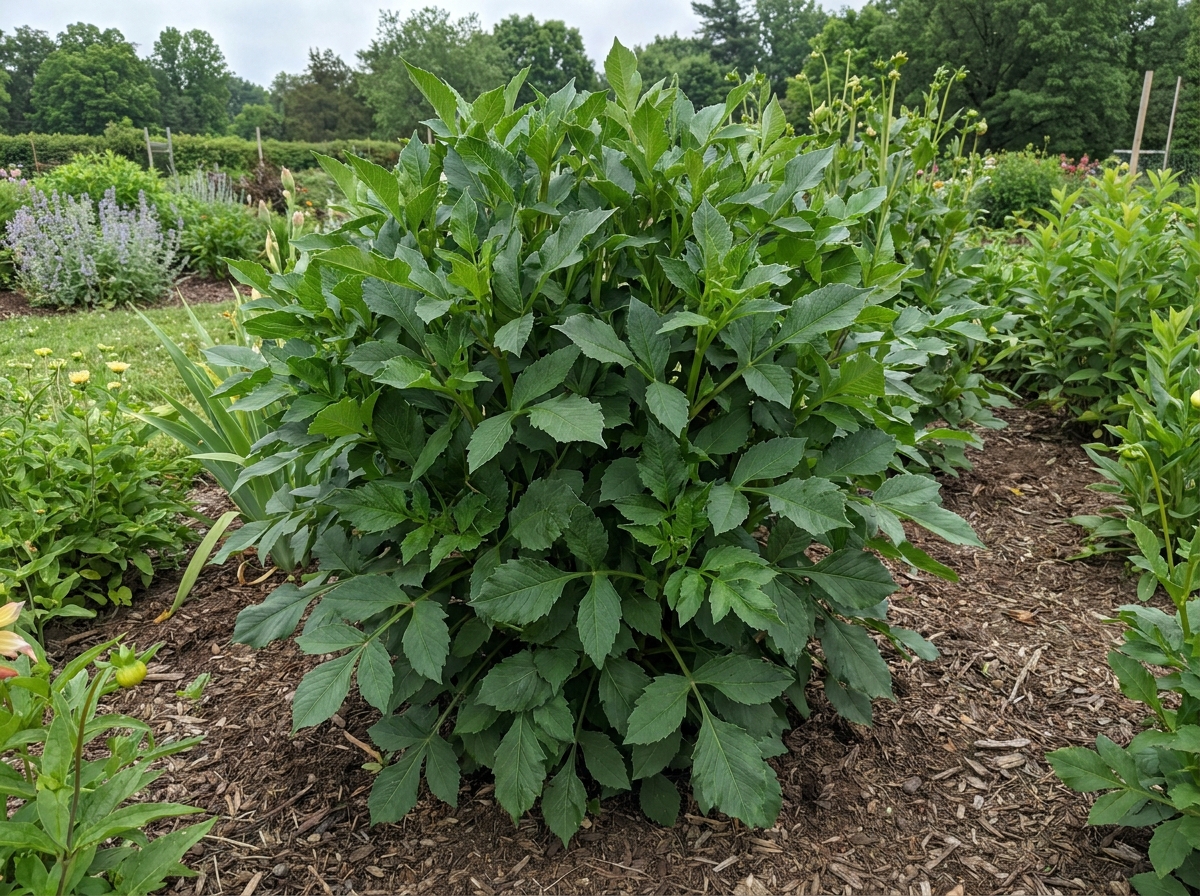
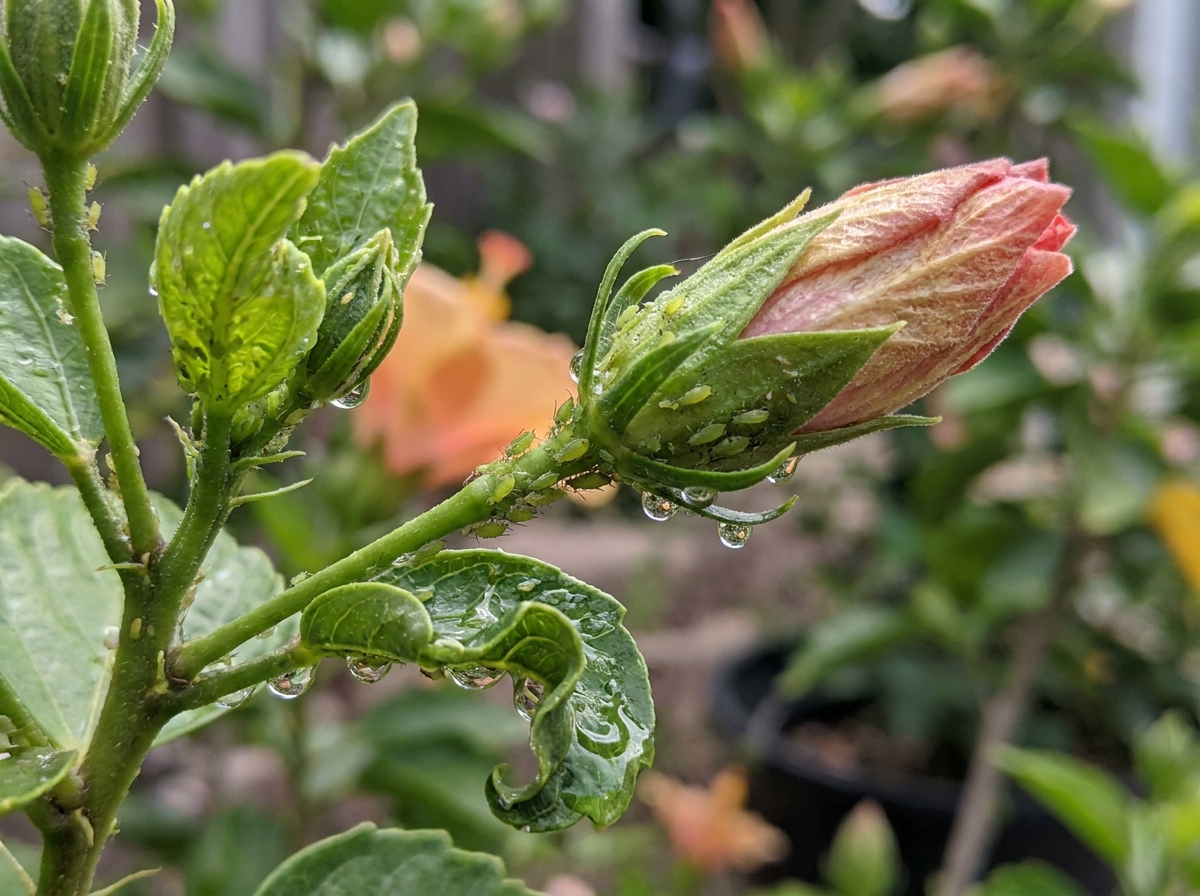
Your hydrangea was perfect a fortnight ago — great big flower heads, just coming into colour — and now the edges are brown, papery, almost burnt-looking. Nothing’s died, but nothing looks right either. A proper faff, really.
Here’s the honest answer: summer heat’s almost certainly stressing your plant. Most gardeners misread the specific way it does entirely. The fix takes about four minutes.
The word everyone reaches for’s “sunburn.” And yes, that can happen — hydrangeas sitting in full afternoon sun with no shelter will scorch. But in my experience, the brown edges you’re seeing right now are more often transpiration stress: the plant’s losing water through its enormous flower heads faster than the roots can replace it.
Hydrangea blooms, they’re basically giant structures. Modified sepals, thin, papery things, with properly little internal water storage. On a warm day above about 22°C, they start desiccating before the soil even has time to dry out.
The leaves look fine. The stems look fine. That’s the deceptive bit.
Just the flowers look destroyed. That’s the real tell.
I lost an entire ‘Annabelle’ display this way back in the second week of a Somerset heatwave. In my walled garden, I almost abandoned hydrangeas entirely that summer. I thought I was watering correctly, gave the soil a decent soak every other day, completely ignored the fact that the flower heads themselves were acting like little sponges evaporating water I wasn’t accounting for.
No. But don’t do nothing either.
The plant itself, it’s almost certainly fine. Hydrangeas are remarkably decent at surviving short-term stress — they’ll drop a flower head before they drop a leaf, before they drop a stem.
That’s the order. So if it’s only the blooms that look dreadful, you haven’t killed anything yet.
The real risk, it’s two things running together at once:
And if you’ve also been watching your summer blooms fade faster than usual this season, that wider picture, it’s worth understanding — what summer heat’s doing to your blooms explains the pattern across multiple plants.
Right, first: water deeply, at the base, in the morning — not in the afternoon when it’s evaporating before it even reaches the roots, not in the evening when wet crowns invite mildew. Deeply, I mean at least 10 litres per established plant, slowly, letting it sink rather than just running off.
Twice a week minimum in any stretch above 20°C.
And second thing, this’s the one people skip, it truly is:
Look, I know the misting thing sounds fussy. Just do it for three days and see what happens.
I genuinely don’t know why it makes such a visible difference so fast, but it does.
If the leaves are also yellowing between the veins but the veins themselves stay green, that’s lime-induced chlorosis — properly common on chalky soils like mine — and it needs an ericaceous feed. Not more water.
Wilting that bounces back by evening, it’s normal heat stress. But wilting that doesn’t recover by the following morning, that’s a root problem, possibly waterlogging or rot. And it needs non-negotiable, immediate investigation of the soil moisture 10cm down.
Back in the Vendée, my grandmother grew mophead hydrangeas against a stone wall. It stayed damp all day, you see, and she never lost a bloom to heat in thirty years. That retained moisture around the root zone, it did wonders for them, really.
Stone. Damp.
Shade from noon onward. Simple.

Smart tip: Water deeply at the base every 3–4 days rather than lightly every day — shallow watering keeps roots near the surface where they dry out fastest.
No — once a flower head’s browned and dried, it won’t green up again. Pull it off cleanly just above the next leaf node and let the plant redirect its energy.
Afternoon wilt in heat above 22°C, it’s normal and doesn’t signal root damage. If it’s still wilted the next morning before temperatures rise, that’s when you properly need to start worrying.
No. Never feed a heat-stressed plant. Seriously. Fertiliser pushes growth, which just increases water demand at exactly the wrong moment.
Wait until temperatures drop below 20°C for three consecutive days before feeding.
Significantly more. A large potted hydrangea in summer may need watering every single day, up to 5 litres. Because pots, they heat up and dry out in ways garden soil simply doesn’t, do they?