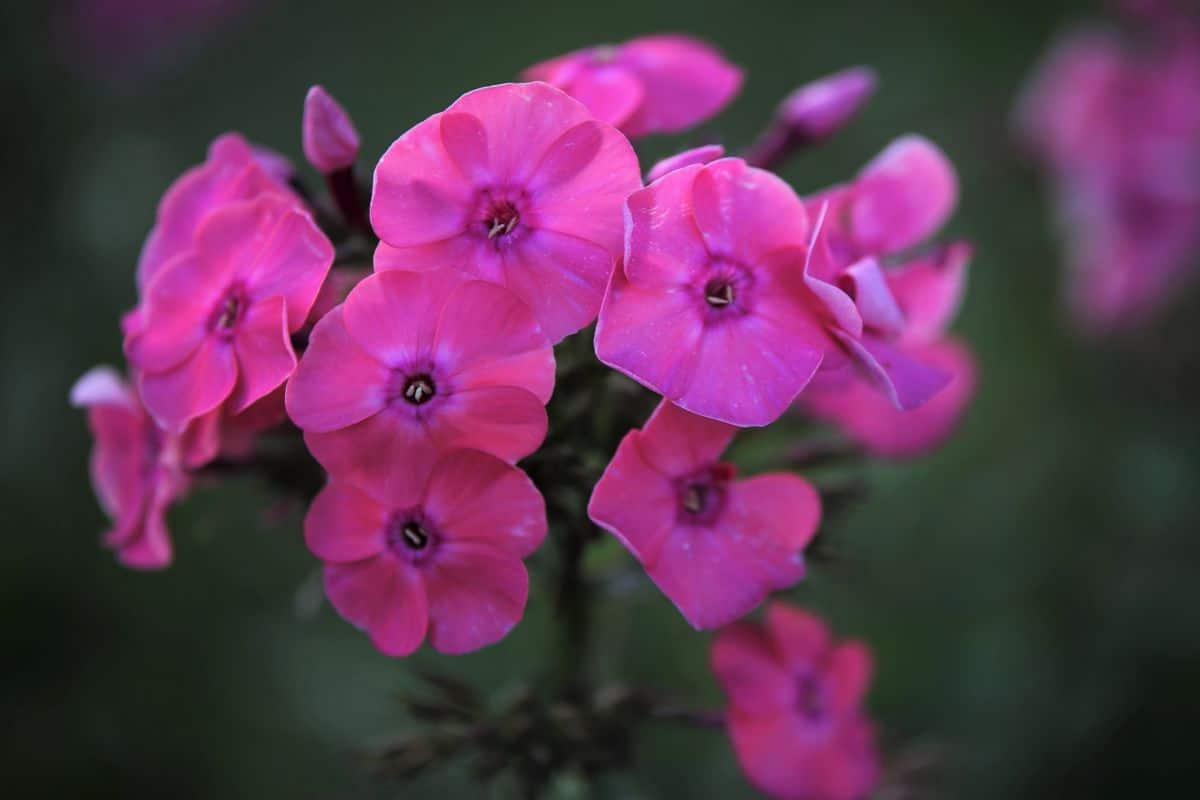
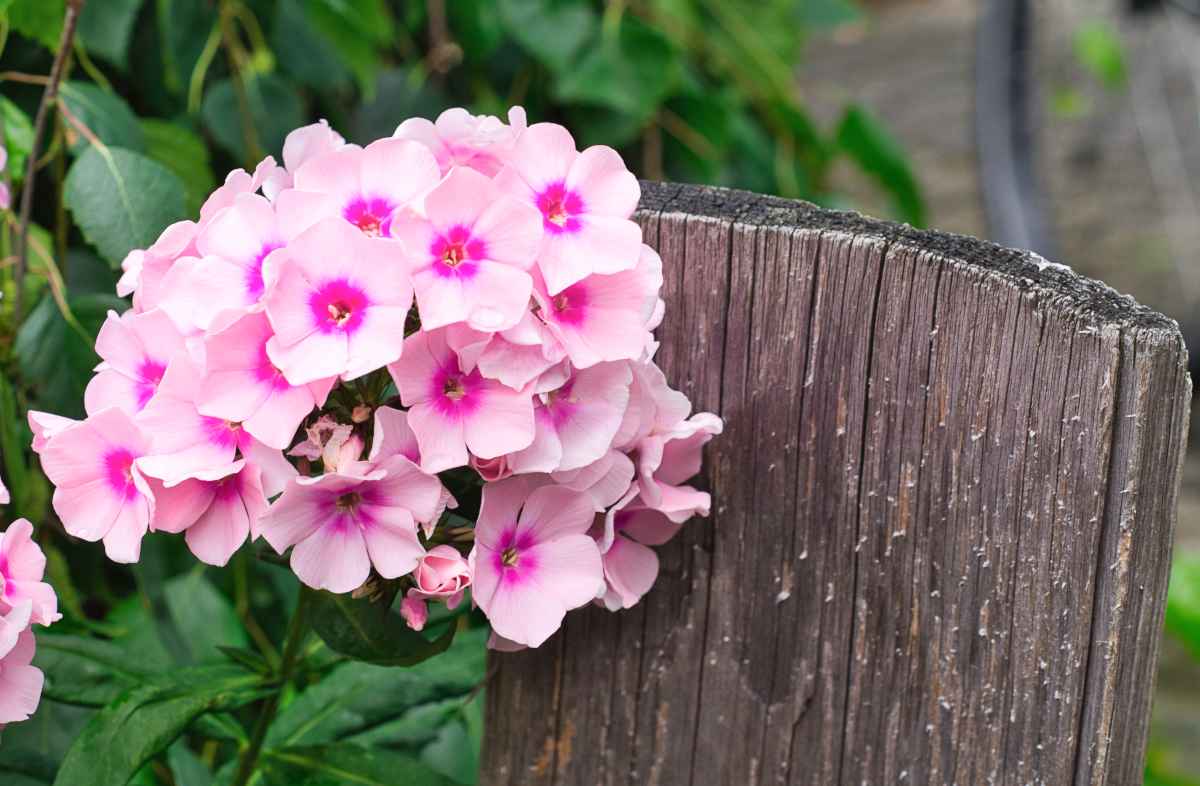
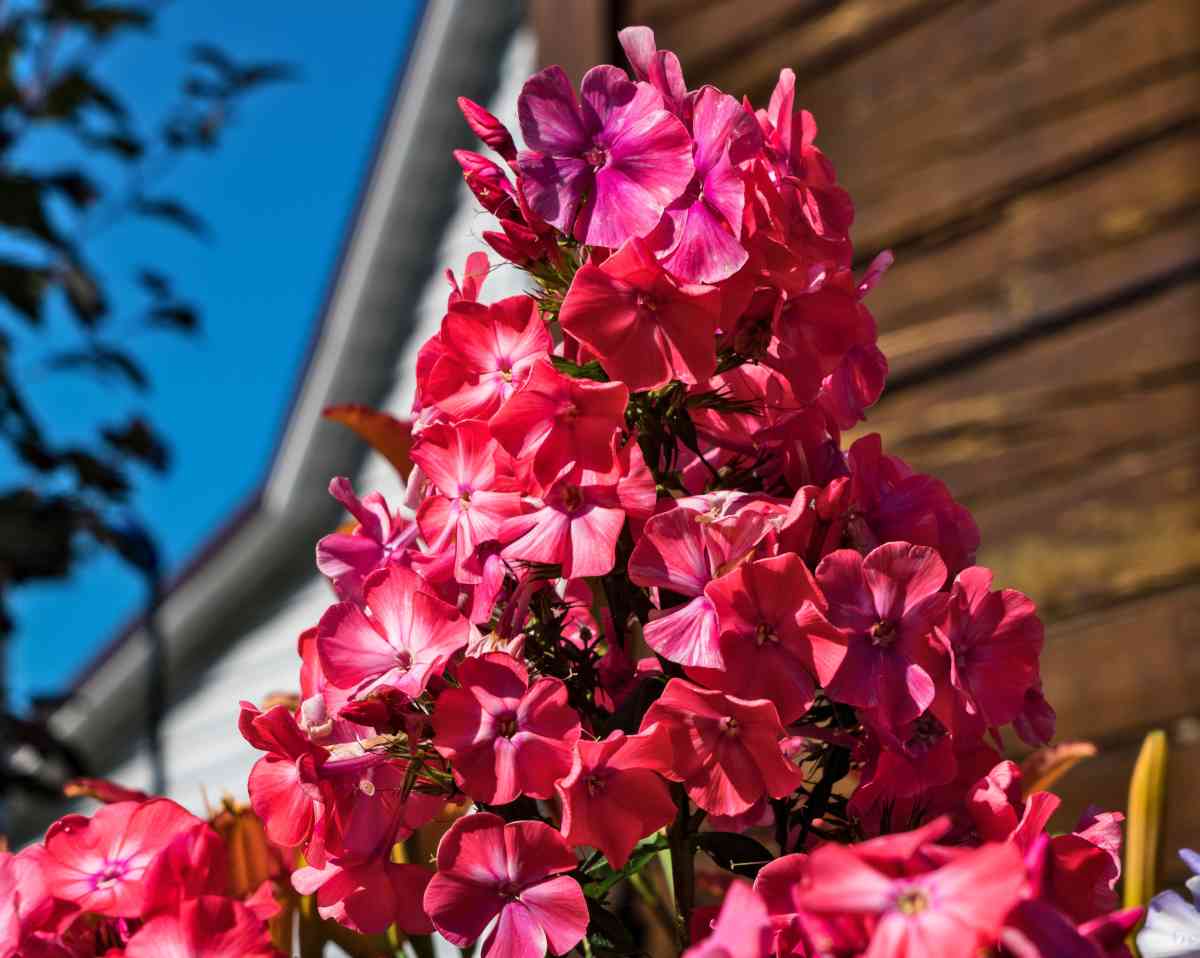
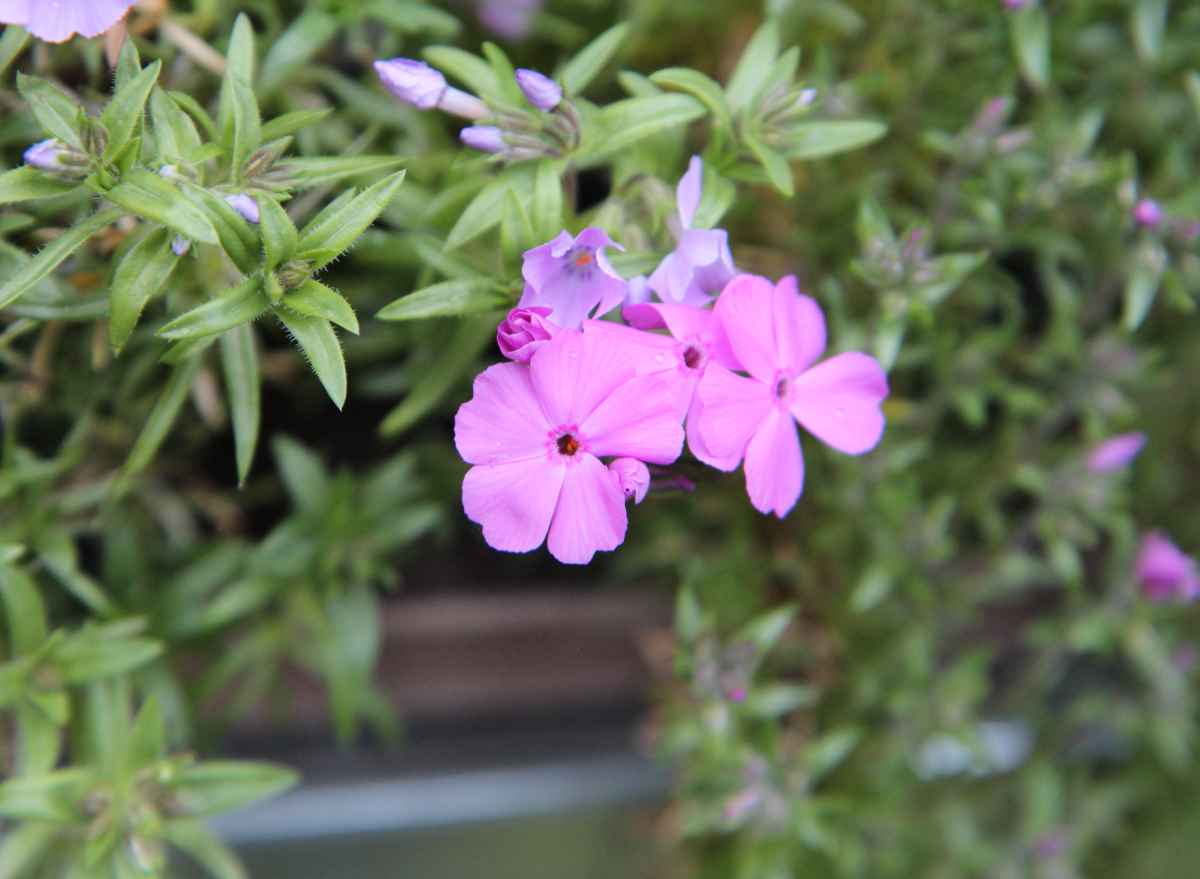
Phlox is one of the most generous flowering plants for summer gardens. Depending on the species, it can form a colorful ground cover, a compact edging plant or a tall perennial covered with rounded flower clusters. Easy to grow and available in many shades of pink, purple, white, red and blue, phlox brings long-lasting color to borders, rock gardens, containers and cottage-style planting schemes.
Did you know?
The name Phlox comes from the Greek word for “flame”, a reference to the bright flower colors of many species.
Some phlox varieties are low, creeping ground covers, while others can grow more than 3 feet (1 m) tall.
Tall garden phlox is especially valuable to bees, butterflies and other pollinators during summer.
Phlox at a glance
Name
Phlox
Family
Polemoniaceae
Type
annual or perennial flowering plant
Height
8 inches to 3 feet (20 cm to 1 m), depending on the species
Exposure
full sun to light shade
Soil
fertile, humus-rich and well-drained
Foliage
deciduous or semi-evergreen
Flowering
mid-spring to mid-autumn, depending on the variety
Annual and perennial phlox are both easy to grow. The main differences concern their size, flowering season and use in the garden. Annual varieties are ideal for pots and seasonal borders, while perennial phlox returns year after year.
Planting phlox
Phlox grows best in fertile, humus-rich soil that remains slightly cool during the growing season without becoming waterlogged. Most varieties flower more generously in full sun, although some tolerate light afternoon shade, particularly in hot climates.
Compost-improved, free-draining soil gives the most generous flowering
Plant phlox in fertile soil with good drainage and plenty of light
Choose a sunny or lightly shaded position.
Improve poor soil with mature compost before planting.
Avoid sites that remain waterlogged during winter.
Space plants sufficiently to allow air to circulate around the foliage.
Water thoroughly immediately after planting.
Sowing annual phlox
Annual phlox, especially Phlox drummondii, is easy to sow and flowers quickly. It is well suited to beds, window boxes and mixed summer containers.
Use direct sowing in spring once the risk of severe frost has passed.
Sow in finely prepared soil and cover the seeds lightly.
Keep the surface slightly moist until germination.
Thin seedlings to approximately 8 inches (20 cm) apart once they have developed several true leaves.
In colder regions, seeds can also be started under cover a few weeks earlier and transplanted after the last frost.
Planting perennial phlox
Perennial phlox can be planted in spring or fall. Spring is ideal for summer-flowering varieties, while fall suits creeping phlox and other spring-flowering types, provided the soil is not excessively wet.
Mix garden soil with good-quality planting compost.
Space compact varieties 8 to 12 inches (20–30 cm) apart.
Allow 18 to 24 inches (45–60 cm) between tall garden phlox plants.
Keep the crown level with the soil surface.
Water regularly during the first growing season.
Growing phlox in pots
Many phlox varieties perform well in containers. Annual phlox and compact creeping cultivars are particularly suitable, but taller perennial forms can also be grown in a large, stable pot.
Annual and compact creeping types suit pots best
Compact phlox varieties are ideal for pots and window boxes
Choose a pot with generous drainage holes.
Use multipurpose compost enriched with a little garden compost.
Terracotta pots remain cool but dry quickly and require more frequent watering.
Plastic or glazed pots retain moisture longer during hot weather.
Place the container in a sunny position and remove faded flowers regularly.
Propagating perennial phlox
Perennial phlox is easily propagated by division. This method rejuvenates older clumps and produces new plants identical to the parent.
Divide the clump in fall after flowering or in early spring before strong growth begins.
Lift the plant carefully and separate healthy outer sections with roots and shoots.
Discard the woody or weakened center of an old clump.
Replant divisions immediately and water well.
Which phlox for which spot?
The four phlox most often sold behave very differently in the garden, from flat carpets to waist-high border clumps. Use this table to match a species to the place you have in mind before you buy.
Which phlox for which spot?
Species
Type
Habit
Best garden use
Phlox paniculata
Perennial
Tall, upright clumps with large flower clusters
Summer borders; stems may need discreet staking in exposed gardens
Phlox subulata
Perennial
Low, spreading carpet
Rock gardens and ground cover over walls and slopes
Phlox divaricata
Perennial
Low woodland type
Partially shaded beds with humus-rich soil
Phlox drummondii
Annual
Compact, thinned to about 8 inches (20 cm) apart
Beds, window boxes and mixed summer containers
Named cultivars such as ‘Orange Perfection’, ‘Amethyst’ and ‘Graf Zeppelin’ widen the colour range within the tall border types.
Pruning and caring for phlox
Phlox is generally easy to care for. The main tasks are watering during dry spells, removing faded flowers and maintaining good air circulation to reduce disease.
Deadheading keeps fresh buds coming all season
Remove faded flowers to extend the blooming period
Watering phlox
Water newly planted phlox regularly until it is established.
During hot or dry weather, water deeply at soil level.
Avoid repeatedly wetting the foliage, as this encourages powdery mildew.
Container-grown phlox needs more frequent watering than plants in the ground.
A light organic mulch helps retain soil moisture, but keep it away from the stems to improve air circulation.
Feeding and deadheading
Add mature compost around perennial phlox in early spring.
Use a balanced flowering-plant fertilizer if the soil is poor.
Remove faded flower clusters regularly to encourage fresh buds.
Avoid high-nitrogen fertilizer, which produces leafy growth and fewer flowers.
Annual phlox care
The best-known annual species is Phlox drummondii. It thrives in full sun and rich, well-drained soil.
Water regularly during drought.
Remove faded flowers to maintain continuous blooming.
Feed container plants every two or three weeks with diluted flowering-plant fertilizer.
Perennial phlox care
Tall perennial phlox benefits from fertile soil and consistent moisture. In exposed gardens, tall stems may require discreet staking before the flower heads become heavy.
Choose a sunny position with some airflow.
Divide crowded clumps every three to four years.
Remove weak stems in spring to reduce congestion.
Cut back selected stems by one-third in late spring to stagger flowering and produce shorter, sturdier growth.
Phlox care in winter
After the first frosts, perennial phlox foliage may turn black or collapse. Cut dead stems down close to ground level and remove diseased leaves from the garden.
Protect newly planted clumps with a light layer of dead leaves or compost.
Avoid thick, wet mulch on poorly drained soil.
Annual phlox can be removed after flowering because it does not return the following year.
Phlox varieties and garden uses
The genus Phlox includes more than 60 species, ranging from low carpets to tall border perennials.
The genus spans low carpets to tall border perennials
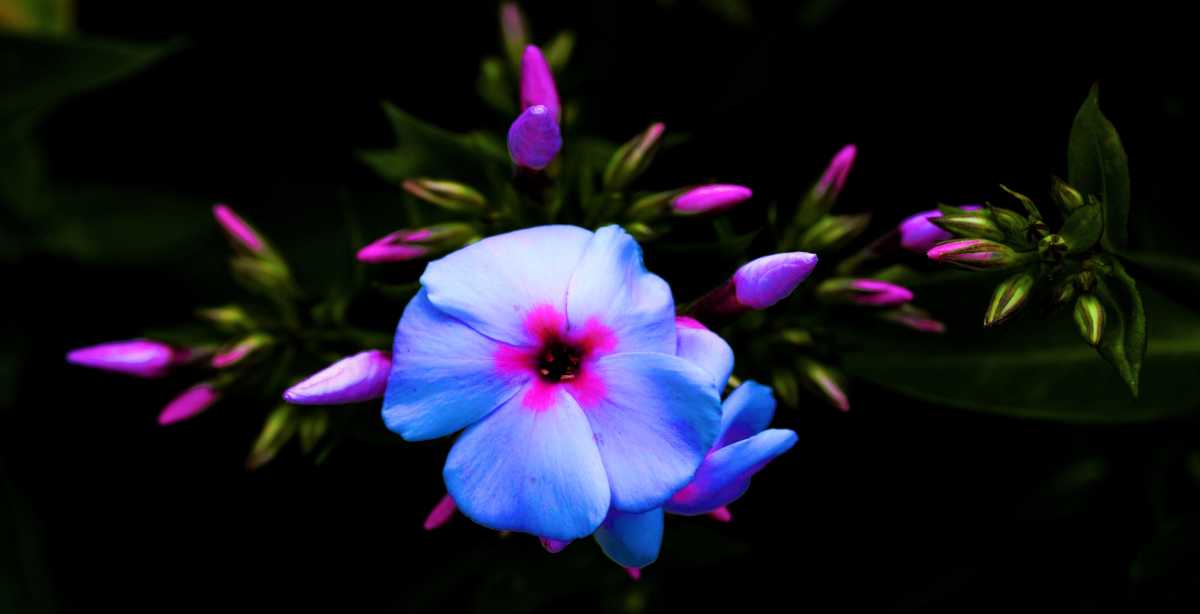
Phlox comes in a wide range of colors, heights and growth habits
Phlox paniculata – tall garden phlox with large summer flower clusters.
Phlox subulata – creeping moss phlox, ideal for rock gardens and ground cover.
Phlox divaricata – woodland phlox for light shade and humus-rich soil.
Phlox drummondii – colorful annual phlox for borders and containers.
‘Orange Perfection’ – vivid orange-red flowers.
‘Amethyst’ – purple summer blooms.
‘Graf Zeppelin’ – white flowers with contrasting pink-red centers.
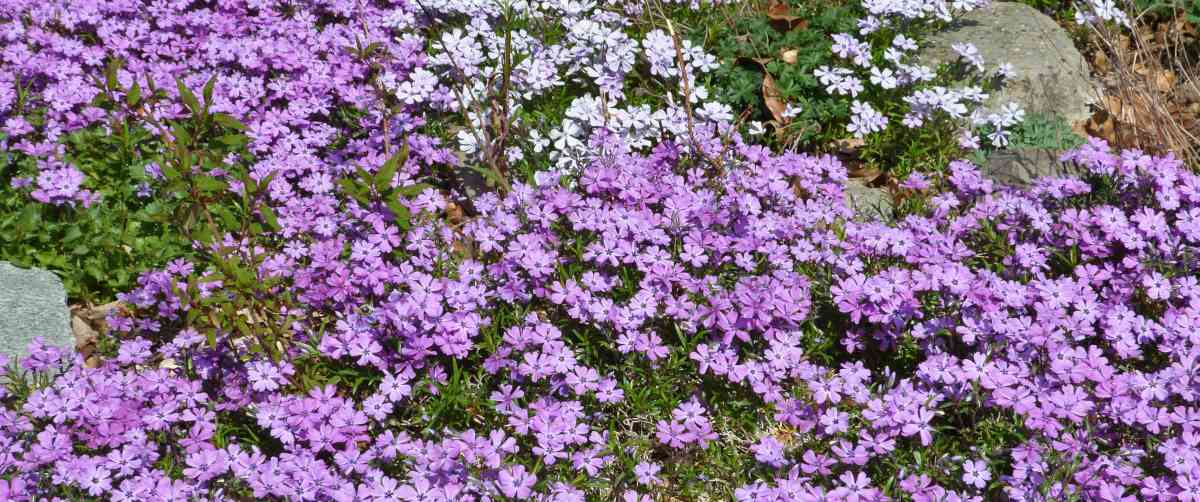
Creeping phlox carpets rock gardens, walls and slopes
Creeping phlox forms a dense carpet over walls, slopes and rock gardens
Phlox adapts to many garden styles. Tall flower clusters resemble those of hydrangea, while individual blooms recall plumbago or carnation. Creeping types form colorful mats similar to rose moss.
Diseases and pests that affect phlox
Phlox is generally robust, but a few problems may occur, especially when plants are crowded or grown in humid conditions.
Powdery mildew: A white, powdery coating develops on the leaves during warm, humid weather. Improve airflow, water at soil level and avoid crowding. Learn more about powdery mildew and its treatment.
Slugs and snails: These pests feed on tender young leaves and shoots, particularly in spring. Remove hiding places and protect new growth where necessary.
Spider mites: Hot, dry conditions may cause pale, speckled foliage. Increase humidity around container plants and rinse leaves carefully.
Stem weakness: Excess nitrogen, poor light or overcrowding can cause tall stems to lean or collapse.
Poor flowering: Too much shade, drought or exhausted soil may reduce the number of flowers.
Smart tip about phlox
To encourage strong growth the following spring, spread a thin layer of mature compost around perennial phlox in late fall. This protects the root area, improves soil structure and releases nutrients gradually without encouraging weak, overly leafy growth.
Written by Gaspard Lorthiois | Loves helping out, especially when it comes to growing things. Worked in herbal medicine, runs a farm, and dabbles in tech. Master's degree and engineer.