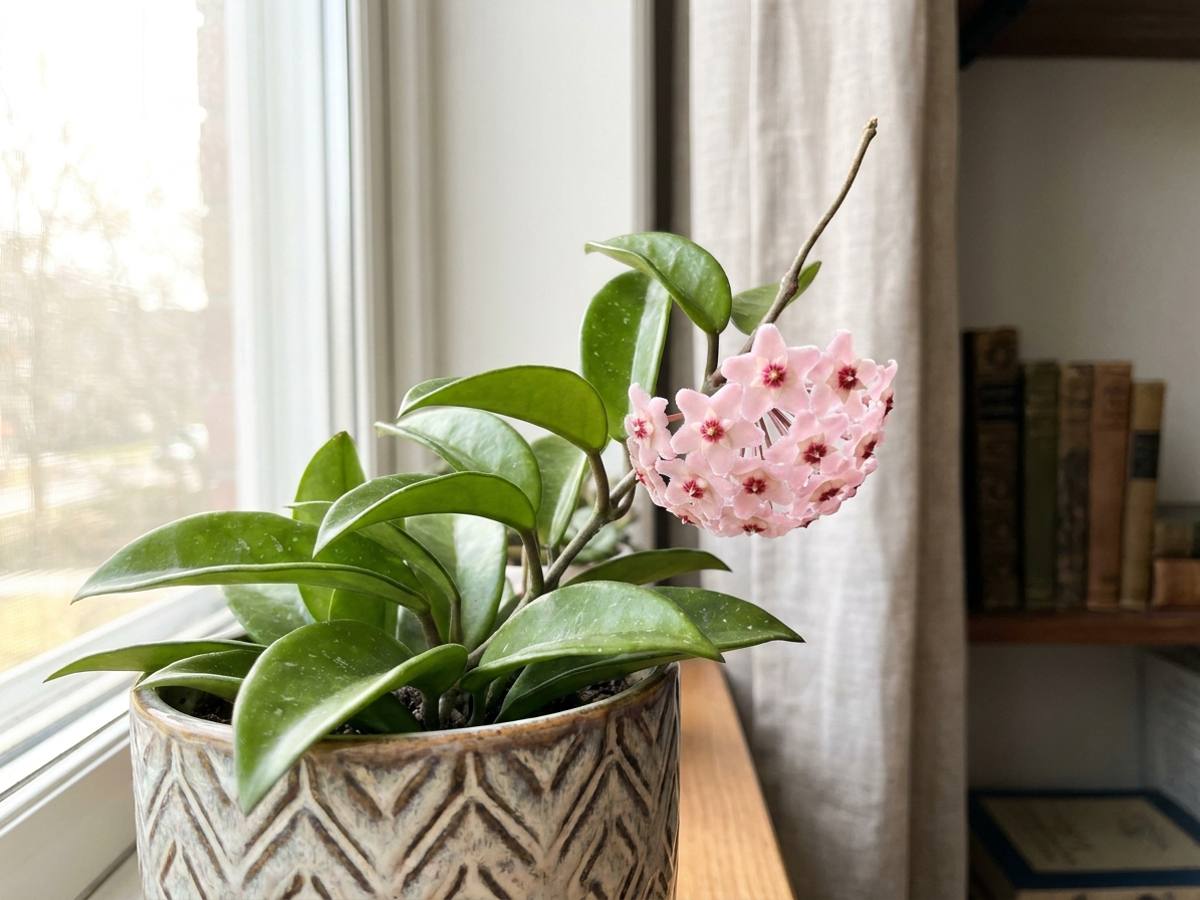
Hoya carnosa, commonly known as the wax plant or porcelain flower, is a charming tropical climber prized for its glossy, waxy foliage and exquisite, star-shaped flower clusters that emit a sweet fragrance in the evening. Its elegant appearance and low-maintenance nature make it an ideal choice for indoor gardeners and those cultivating sheltered outdoor spaces in milder climates. This evergreen climber is particularly valued for its ability to reward patient growers with abundant blooms when conditions are just right.
Hoya carnosa thrives in bright, indirect light where it receives several hours of filtered sunshine daily. Whilst it tolerates partial shade, flowers are more prolific in brighter locations; however, avoid direct scorching afternoon sun, which can scorch the delicate leaves.
This plant prefers well-drained, fertile compost with a slightly acidic pH of 6.0–6.5. Amend heavy soils with orchid bark, perlite, or coconut coir to improve drainage, as waterlogging quickly leads to root rot. A soil-based compost mixed with additional grit works well for container specimens.
Hoya carnosa is frost-sensitive and must be protected below 10 °C; it is best grown indoors or in a heated greenhouse in the UK. In warmer regions (southern England, USDA zones 10–12), it may be cultivated outdoors against a sheltered, south-facing wall or trellis with winter protection in particularly cold years.
Plant or pot up Hoya carnosa in spring when new growth emerges, allowing the plant to establish before the dormant winter period. Container-grown specimens can be repotted every two to three years or when roots emerge from drainage holes.

Wax plants swing between active growth and a cool, dry rest, and almost every failure comes from watering one season as if it were another. The table sets out what each period asks for before the detail that follows.
| Season | Watering | Feeding | Key task |
|---|---|---|---|
| Early to late spring | Begin regular watering as new growth appears | Fortnightly balanced liquid or high-potassium feed | Inspect stem bases for winter rot and check for pests; pot up and take cuttings |
| Early to late summer | Consistently moist but never waterlogged; ease off above 25 °C | Continue feeding, tailing off at the end of the season | Bright filtered light and humidity around the foliage by misting or grouping |
| Early to late autumn | Taper watering as growth slows | Stopped from late summer | Leave faded flower clusters in place for next year’s blooms |
| Early winter to late winter | Sparingly, letting the compost dry out somewhat between applications | None | Keep cool at 10–15 °C; overwatering now is the main cause of failure |
When in doubt during the dormant period, err on the side of underwatering.
Spring: Begin regular watering as new growth emerges, and feed fortnightly with a balanced, diluted liquid fertiliser or a high-potassium formula to encourage flowering. Check for signs of pests and inspect the base of stems for any rot that may have developed during winter dormancy.
Summer: Keep compost consistently moist but never waterlogged; reduce watering if temperatures exceed 25 °C, as the plant may enter a brief rest. Provide bright, filtered light and maintain humidity around the foliage by misting or grouping plants together; this also encourages the delightful evening fragrance of the flowers.
Autumn: Reduce feeding by late summer and taper watering as growth slows in preparation for winter. Leave faded flower clusters in place—new blooms often emerge from the same flower stalks in subsequent years, so premature removal risks losing future flowers.
Winter: Maintain the plant in a cool location (10–15 °C) and water sparingly, allowing the compost to dry out somewhat between applications. Overwatering in winter is the primary cause of failure; err on the side of underwatering during the dormant period.
Several cultivars and varieties offer subtle variations in foliage and flowering characteristics.