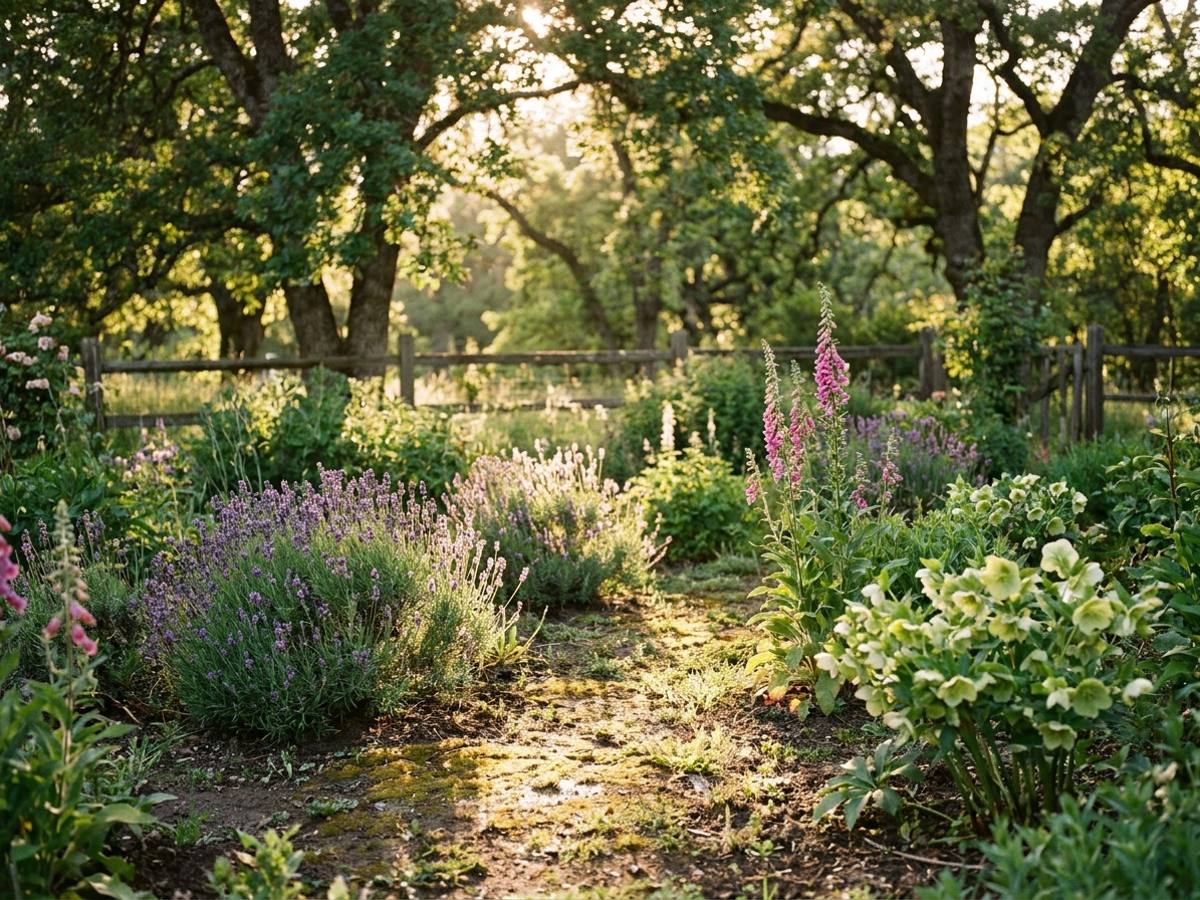
As UK and US summers intensify, the ‘six hours of direct sun’ rule is quietly failing thousands of gardeners. Whilst heat waves scorch exposed borders, partial-shade lovers like hydrangeas and foxgloves are thriving in the wings. This July, it’s time to abandon rigid dogma and plant smarter for the climate we actually have.
Right now, across both the UK and US, gardeners are watching their supposedly sun-loving perennials wilt despite morning watering. July’s intensity has shifted the game. In the south-east of England and across the American Midwest, thermometers are climbing earlier and staying higher than even five years ago, transforming the midday garden into a hostile environment.
The ‘six hours minimum’ mantra originated in cooler climates and assumes consistent, temperate conditions. In reality, light quality, intensity and timing matter far more than the raw number. A flower receiving four hours of dappled morning sun and afternoon shelter may flourish whilst another receiving six hours of scorching afternoon heat shrivels by August.
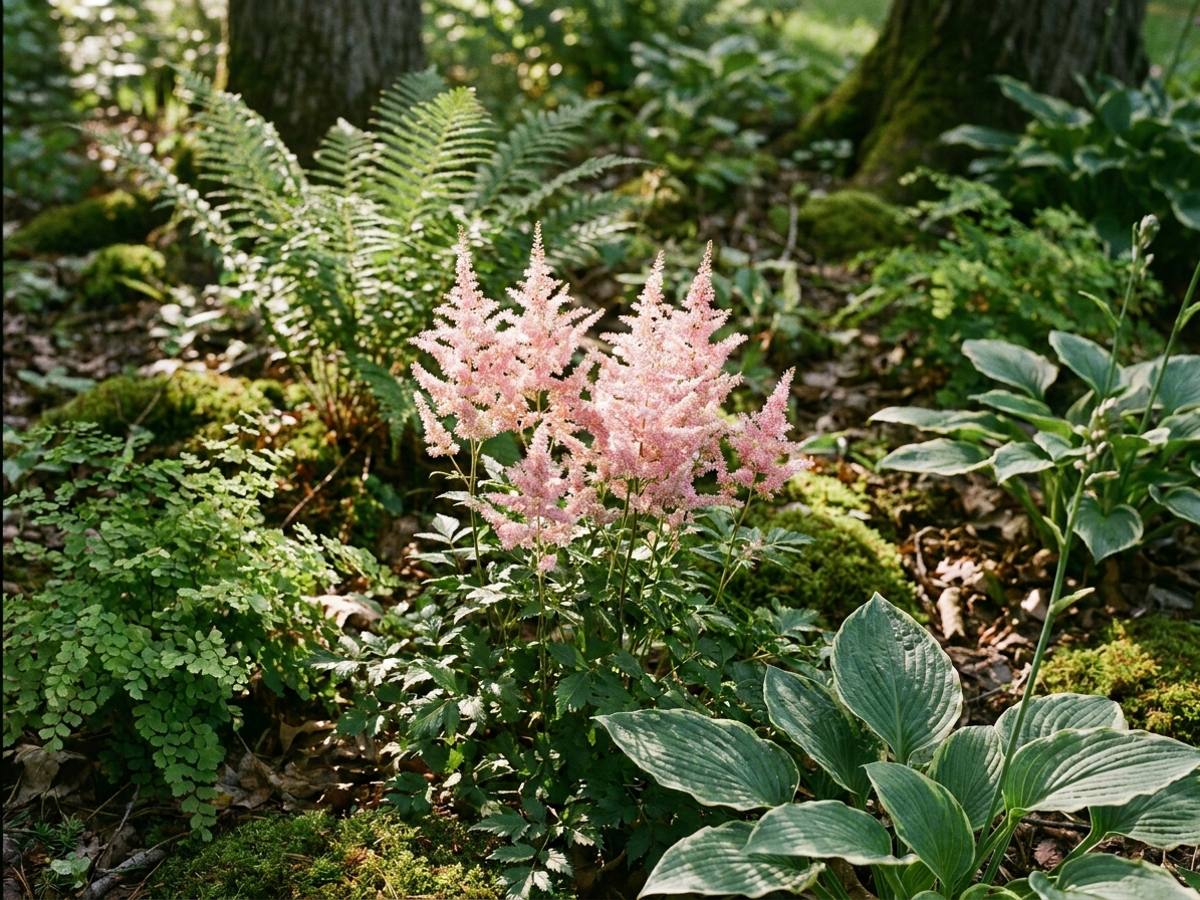
Most gardeners conflate ‘full sun’ with health, but neglect a crucial variable: heat stress. Petunias, salvias and even roses can actually perform better with afternoon shade in zones where temperatures exceed 28°C. Meanwhile, beloved cottage-garden stalwarts like astilbes, bleeding hearts and hellebores are classified as shade plants purely because they prefer protection from midday intensity, not because they cannot tolerate light.
The plants named above are usually filed under rigid labels, yet what they really ask for is a position rather than a number of hours. This table sets out what the article says each one needs.
| Plant | Light it actually needs | Best position | Why |
|---|---|---|---|
| Hydrangea | Four to six hours of sun | Morning sun with afternoon protection | Afternoon shade intensifies blooms and prevents heat-induced fading |
| Petunia, salvia, rose | Sun, but not scorching afternoon heat | Afternoon shade where temperatures exceed 28°C | They perform better once midday intensity is taken off them |
| Astilbe, bleeding heart, hellebore | Light, but filtered at midday | Dappled shade | Shelter from midday intensity, not an inability to tolerate light |
| Coral bells, Japanese anemone | Filtered light | Warmer southern gardens | Listed among the shade-tolerant bloomers for hot regions |
| Japanese maple | Open light above the canopy | Planted to shade what grows beneath it | Filters harsh midday rays without blocking morning light |
Read down the last column and the pattern is the same throughout: it is midday heat, not light itself, that these plants object to.
Use this month to reassess your beds and test shade-tolerant alternatives before autumn planting season arrives.
Over the next four to six weeks, pay close attention to which plants flag in the hottest hours and which hold their colour and vigour. These observations will shape your autumn plant list far more accurately than any generic hardiness label. As summers continue to intensify, the gardeners who thrive will be those willing to embrace shade as an asset, not a limitation.