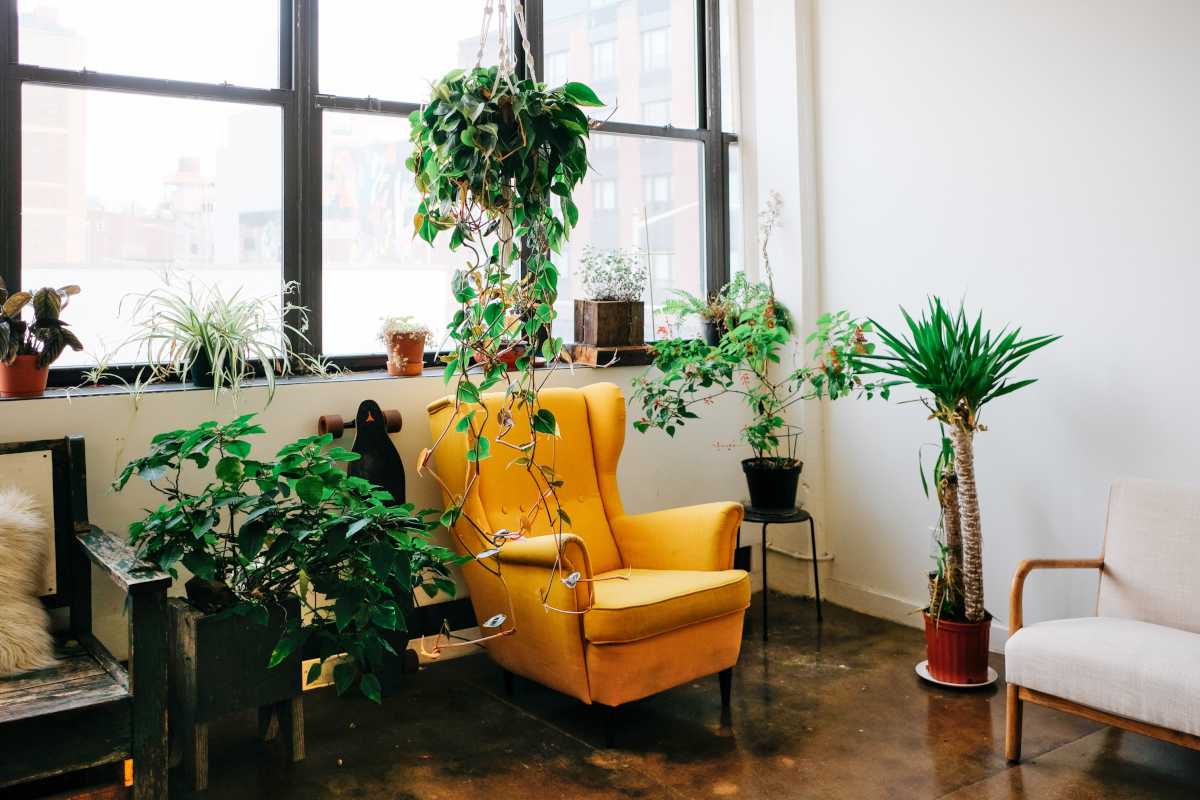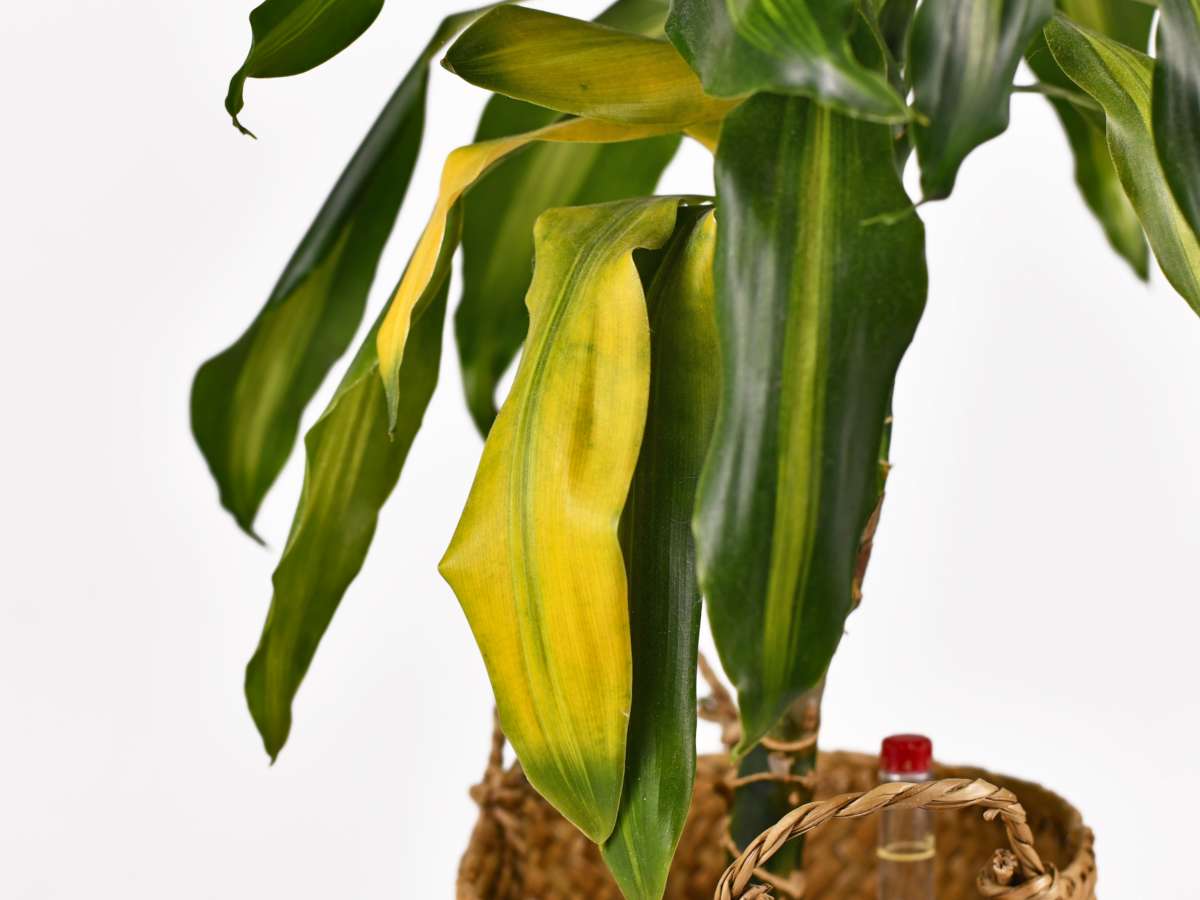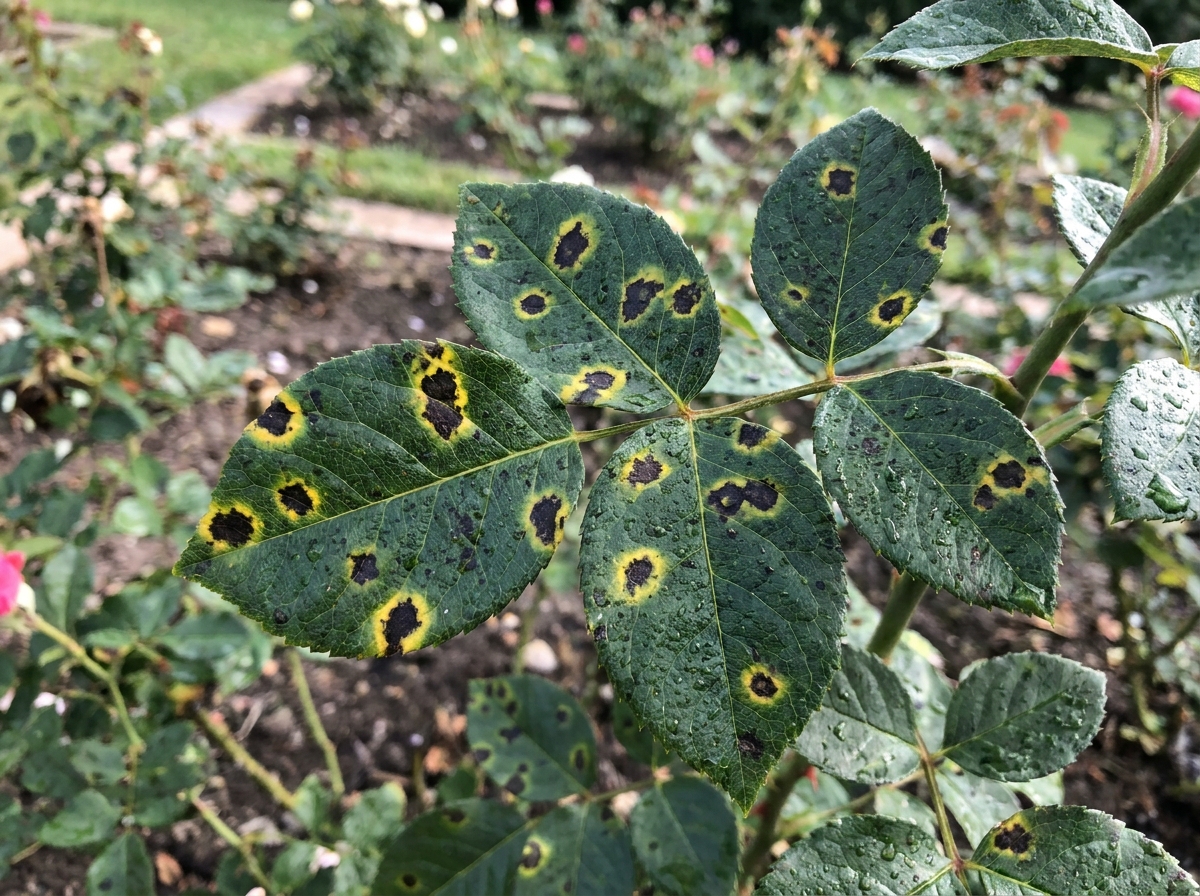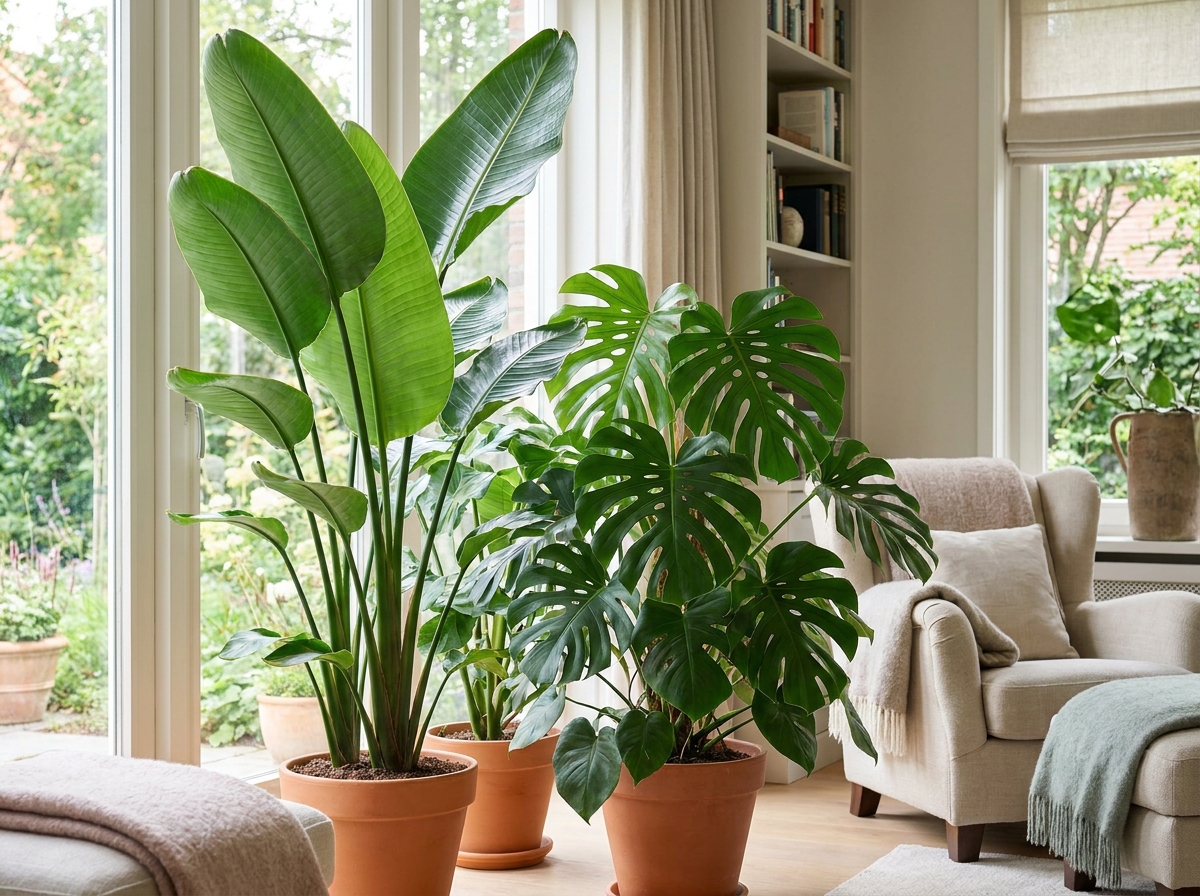
These are not ordinary houseplants. Bird of paradise, monstera, yucca, aloe, dracaena — they come from some of the most extreme landscapes on earth. But they bring that wild energy straight into your living room.
The good news: shooting them up brilliantly is less about effort and more about understanding where they are actually from. Get that right. Your home transforms.
Bird of paradise hails from the Eastern Cape of South Africa, shooting up in scrubby coastal bush where the soil is thin. The sun is merciless. Monstera climbs rainforest canopies in southern Mexico, punching holes in its own leaves to let light reach the forest floor below. That is genius.
Yucca shoots up across the Chihuahuan desert. It survives months without a drop of rain.
Dracaena comes from the dry tropical forests of Africa and the Canary Islands. Aloe vera’s exact wild origin is disputed, but it evolved in arid conditions where water is the rarest luxury.
Every one of these plants is built to thrive in conditions most gardens can not provide. So, they do extremely well indoors, where your centrally heated, drought-prone rooms feel almost familiar to them.
Knowing this changes how you treat them. They are not fragile. They are engineered for hardship. The RHS confirms that most tropical and desert houseplants perish not from neglect but from overwatering. The number one killer is kindness applied at the wrong moment.
Summer is when these plants wake up completely. They are vigorously pushing new growth. And right now, the light streaming through your windows is the closest thing to their natural habitat they will experience all year.
Use it. It is non-negotiable.
Position matters more than almost anything else:
With El Niño pushing temperatures higher across much of the northern hemisphere this summer, rooms are heating up fast. If your home regularly hits 28°C or above, your potted plants are drying out faster than you expect. Check soil every 5 days rather than weekly.
Misting? Skip it. This method does not work.
For yucca and dracaena especially, misting the leaves creates the perfect conditions for fungal rot without actually benefiting the plant at all. These are not rainforest ferns.
They want dry air and dry-ish roots. That is proper.
Repotting too eagerly is the other trap. Bird of paradise actually blooms better when slightly root-bound. A pot that feels one size too small is closer to ideal than a generous upgrade. The thing is, this can seem a bit much at first.
Only repot when roots are visibly escaping from the drainage holes. Not before. Sorted.
Feed monthly through summer with a balanced liquid fertiliser, something like a 10-10-10 NPK formulation diluted to half strength. That is it. And if you have seen any of these sculptural desert and jungle plants thriving indoors, the owners are almost certainly doing less than you would expect, not more.
New leaves are your clearest signal. A monstera pushing out a fresh leaf every 3–4 weeks in summer is thriving.
Bird of paradise unfurling a new paddle-shaped leaf has a specific sound — a faint crackle as the sheath splits open. This happens usually early morning when the air is still.
Watch for these positive indicators:
If you want to go further with bird of paradise specifically, there is a detailed look at the summer trick that finally made your plant bloom — it is counterintuitive, but it does wonders for a plant.
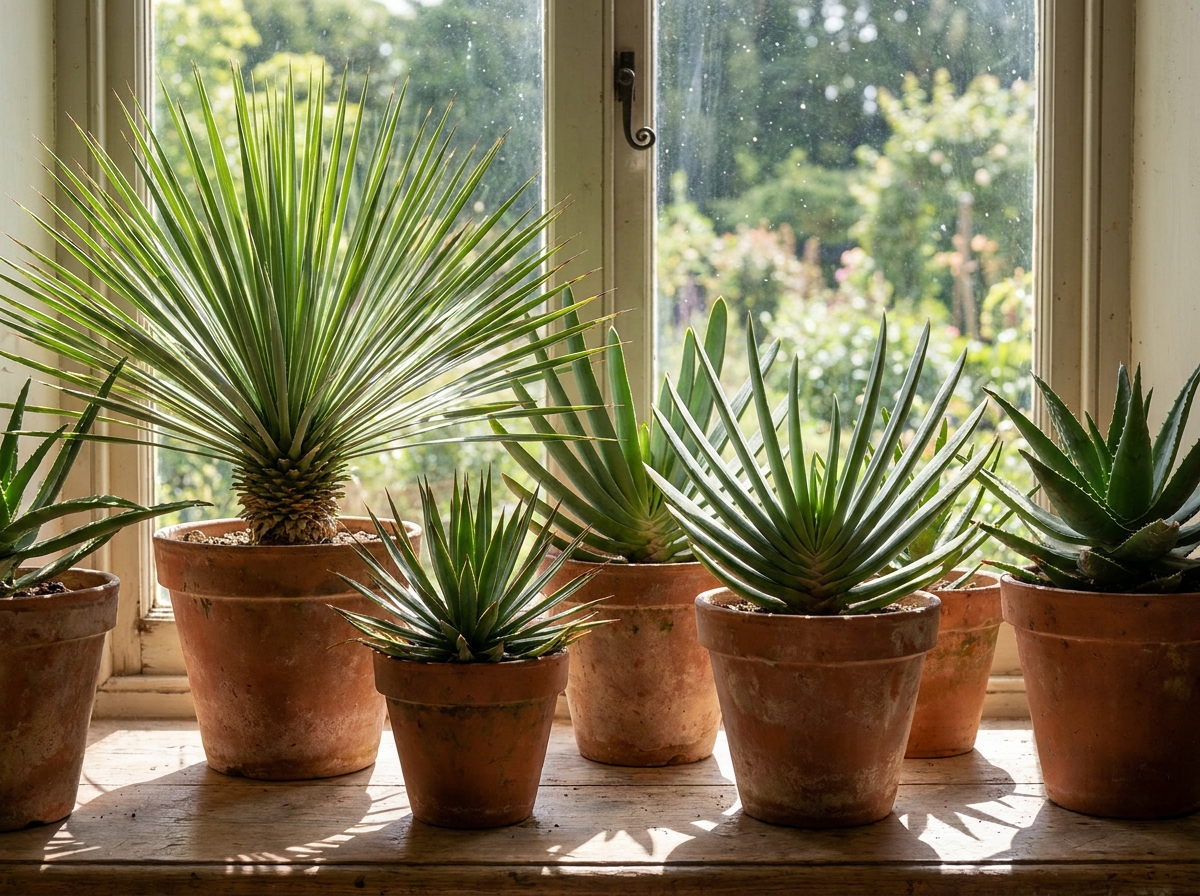
Smart tip: Water these plants less than your instinct says — every single one of them is built to survive drought.
Yes — yucca, aloe, and bird of paradise all benefit from a sheltered outdoor spot in summer, as long as temperatures stay above 10°C at night. Acclimatise them over 5–7 days to avoid sun scorch.
Almost always overwatering — check the soil before assuming it needs a drink. If the top 4cm still feels damp, wait another 3–4 days.
Expect 1.2 to 1.8 metres in a bright room over several years. Missouri Botanical Garden records indoor specimens reaching 2 metres in optimal light conditions.
These plants slow down significantly in your winter months (June–August). Reduce watering by 50%, stop feeding entirely. Keep them in the warmest, brightest room you have until spring.