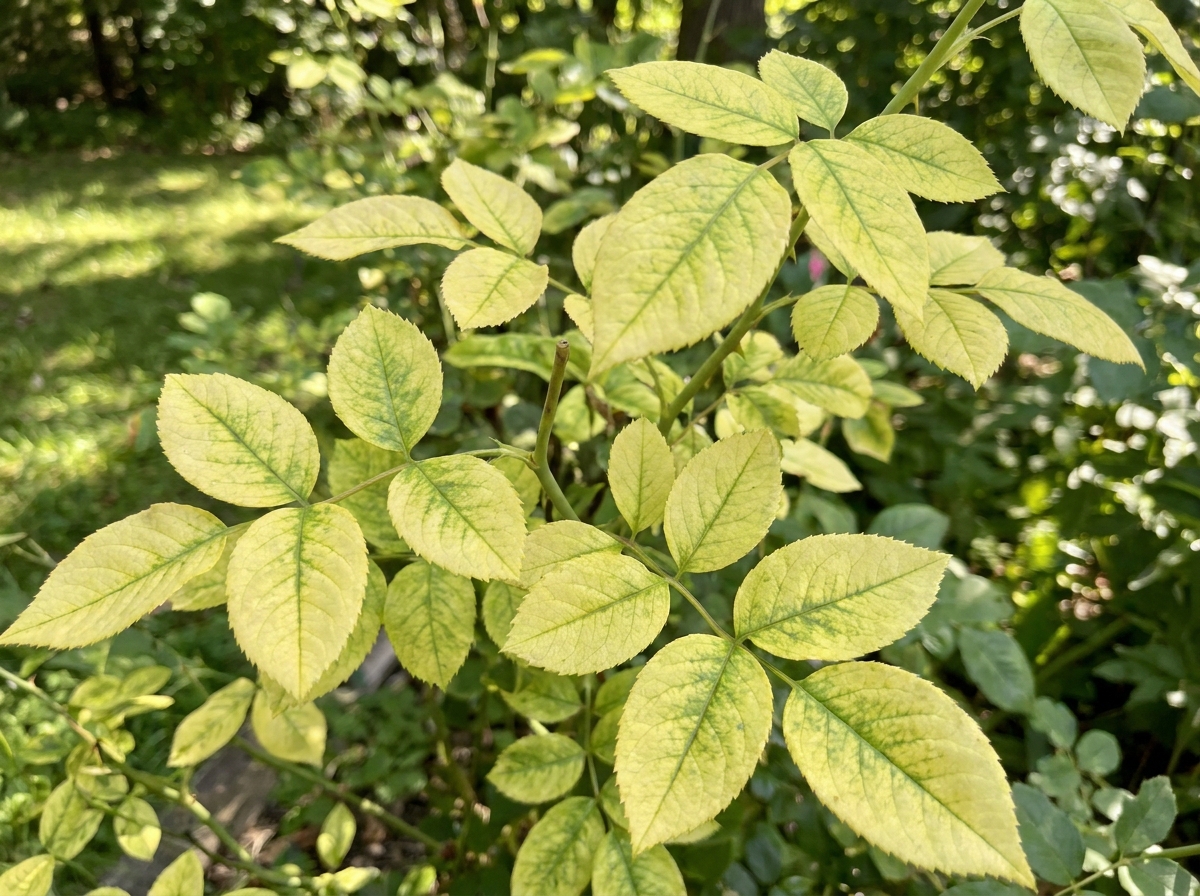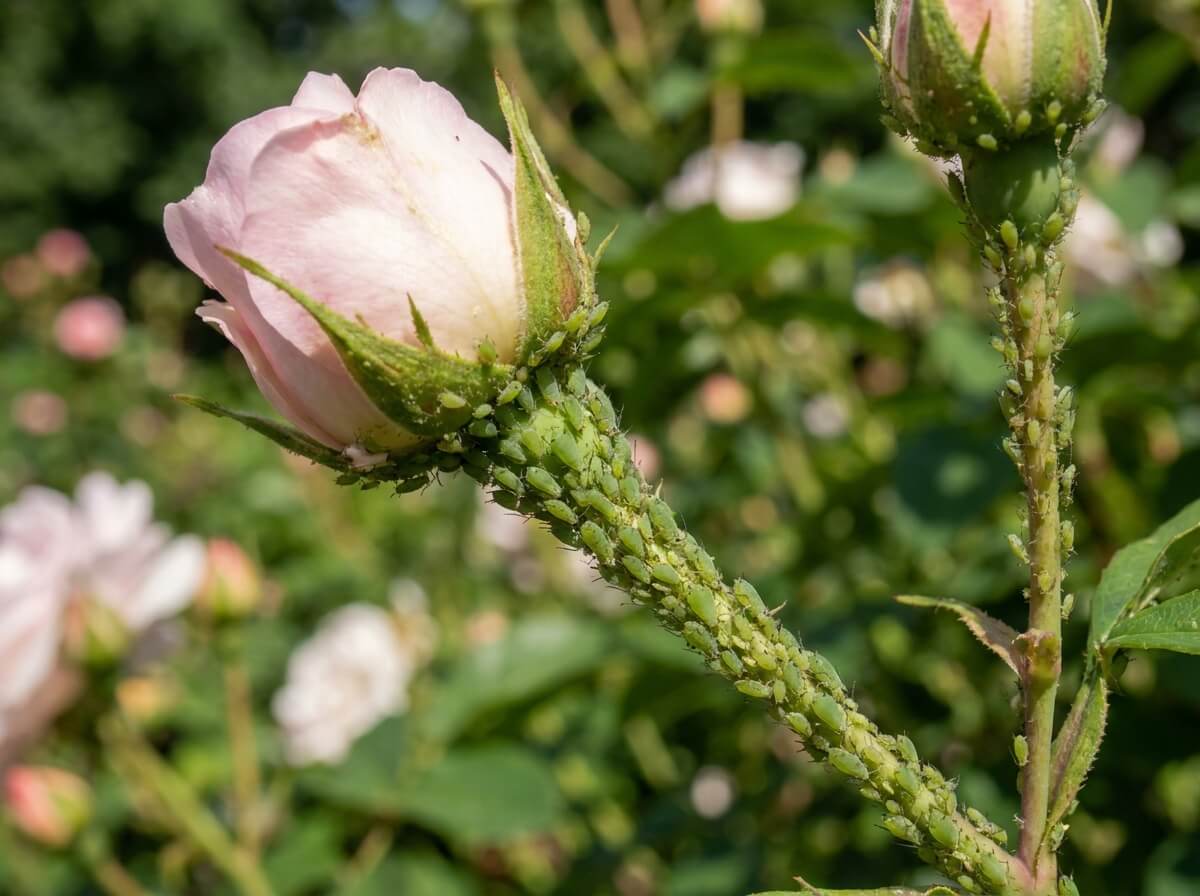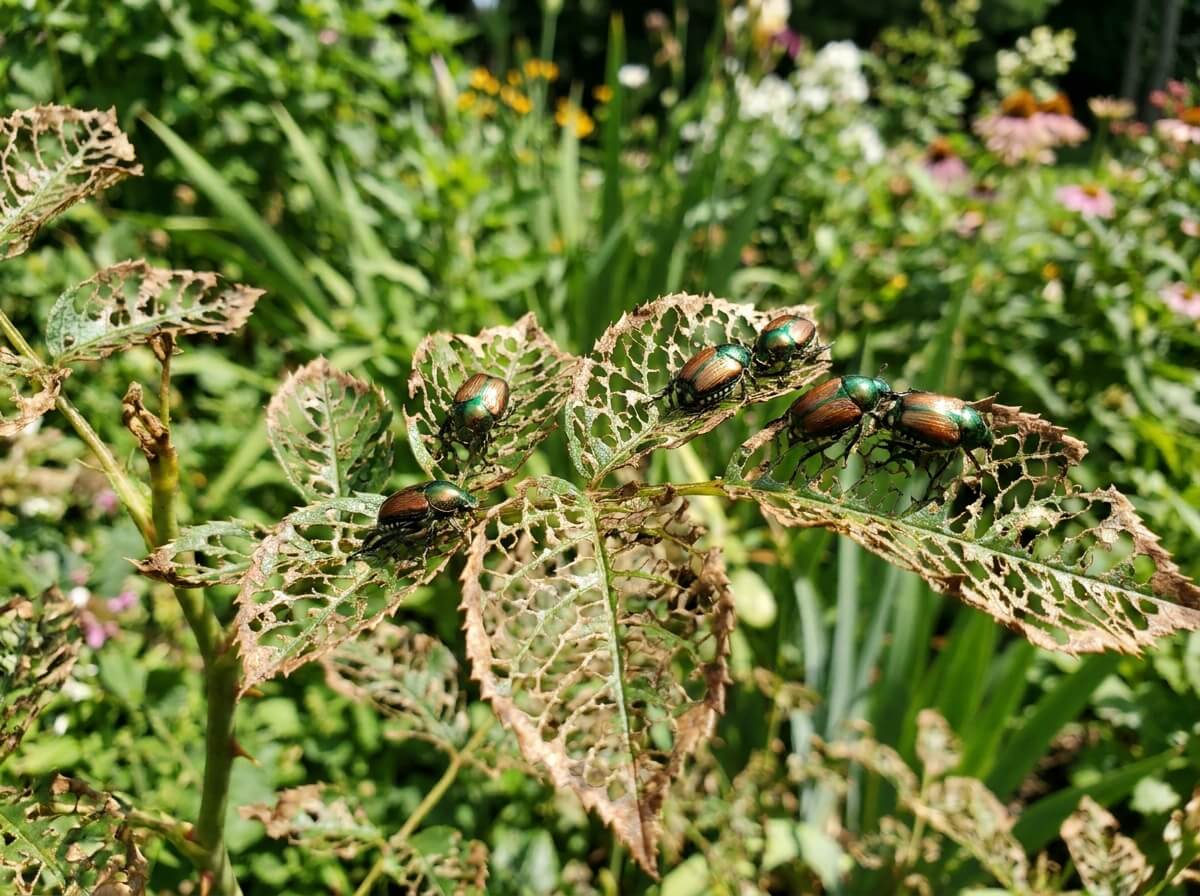
Japanese beetles (Popillia japonica) are metallic green-and-copper insects, barely 1 cm long. They are methodical destroyers. They eat leaf tissue between the veins. This leaves plants with a papery, skeletonised look that worsens by the hour. Organic knockdown is absolutely achievable. But timing matters enormously. Several popular “solutions” actively make the issue worse. So, this is exactly what works.
Adult beetles emerge from the soil in late June. Populations peak through July and into August, depending on your climate. They are gregarious feeders. Once one lands and begins eating, it releases aggregation compounds that pull in dozens more. A single rose bush can host 40 beetles simultaneously on a warm afternoon, all releasing those chemical signals.
They target over 300 plant species, yet show particular preference for roses, grapevines, linden trees, raspberries, and sweet corn. The damage is unmistakable: leaves reduced to translucent brown lace, while flowers are eaten outright. And the adults are only half the story. Their larvae are spending the winter in your lawn, destroying grass roots from beneath.
Japanese beetles are primarily a North American pest (USDA hardiness zones 3–9). Isolated populations are now detected in parts of Europe. UK and Australian readers: this knowledge is non-negotiable, before the species spreads further.
A full season of unchecked feeding weakens plants severely. Rose bushes stripped repeatedly struggle to harden off before autumn. Fruiting plants like raspberries and blueberries lose yield immediately; this is not just aesthetic, it is measurably, sometimes 40–60% of the crop on a badly hit plant. Underground, each female lays 40–60 eggs between July and August. Those eggs hatch into C-shaped white grubs that feed on grass roots through autumn. By late September, entire lawn patches die back. They become brown, spongy, and easily lifted like carpet because the roots are simply gone. So, do nothing for one season and you set up an exponentially worse infestation the following year.
Hand-picking at dawn is your single most effective tool. Beetles are sluggish in cooler morning temperatures; before 8am, they barely react. Hold a bucket of soapy water beneath each cluster. Tap the stem. They drop straight in. They drown within minutes. Do this daily during peak weeks and you pull off the aggregation triggers that invite more beetles.
For chemical-free spray coverage, neem oil is the proper answer. Mix 2 tablespoons of neem oil concentrate with 1 teaspoon of dish soap per litre of water. Apply every 7 days using a pump sprayer. Coat the undersides of leaves. Neem disrupts feeding behaviour and deters new arrivals — it will not kill beetles on contact, but populations shrink noticeably within two applications.
Yes, the hand-picking is a bit much. Do it anyway — it is the one method that breaks the aggregation cycle immediately rather than over weeks.
Watch for irregular brown patches appearing in your lawn from late August onwards. That sponginess underfoot is grub damage, not drought. Roll back a section of affected turf: more than 10 grubs per 30cm² square confirms an infestation worth treating with nematodes or milky spore.
On ornamentals, note which plants are being ignored. Heavily aromatic herbs, catnip, and white geraniums are rarely touched. So, factor this into any replanting plans. Roses and grapevines will need monitoring for secondary disease pressure too; stressed, stripped foliage is far more vulnerable to fungal infection through late summer.
Beetles feed most aggressively between 10am and 2pm on warm, sunny days. Cooler, overcast mornings see far less activity. Spray and pick on those calmer days. You will find fewer beetles present. And the ones that are there are easier to manage.
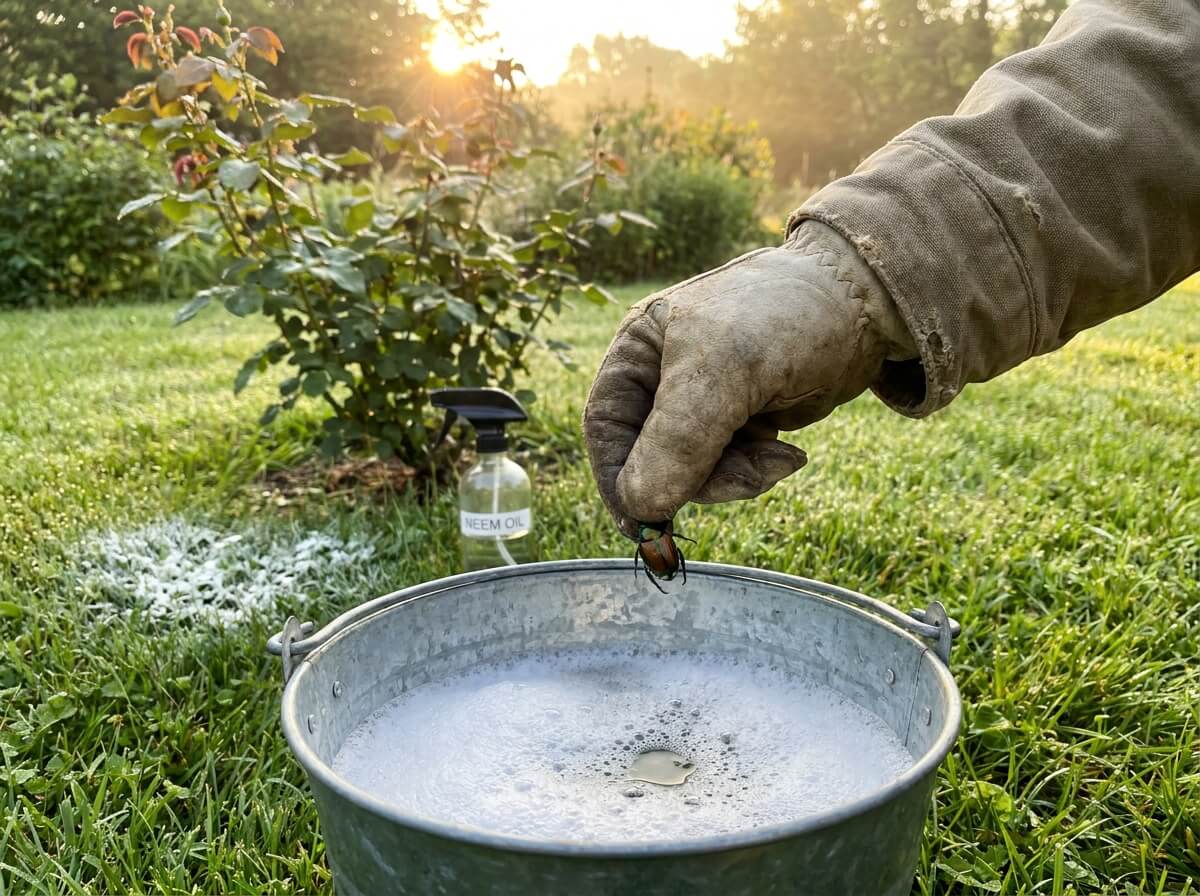
Smart tip: Hand-pick at dawn daily for 10 days — this one habit breaks the aggregation cycle faster than any spray.
No. Pheromone traps attract significantly more beetles than they capture. They draw them in from a wide area and concentrate damage around the trap. Remove any you already have. Place them far from the garden, if at all.
Adults are active for approximately 6–8 weeks, peaking in July. After mid-August, populations decline as beetles die off. Females return to soil to lay eggs.
Neem oil is low-risk for bees when applied in early morning or evening, after pollinators have finished foraging. Never spray open flowers. Focus on leaves and stems only.
Yes. Apply milky spore powder or beneficial nematodes to your lawn in late summer to kill overwintering grubs — this is the most powerful long-term strategy available to organic gardeners.