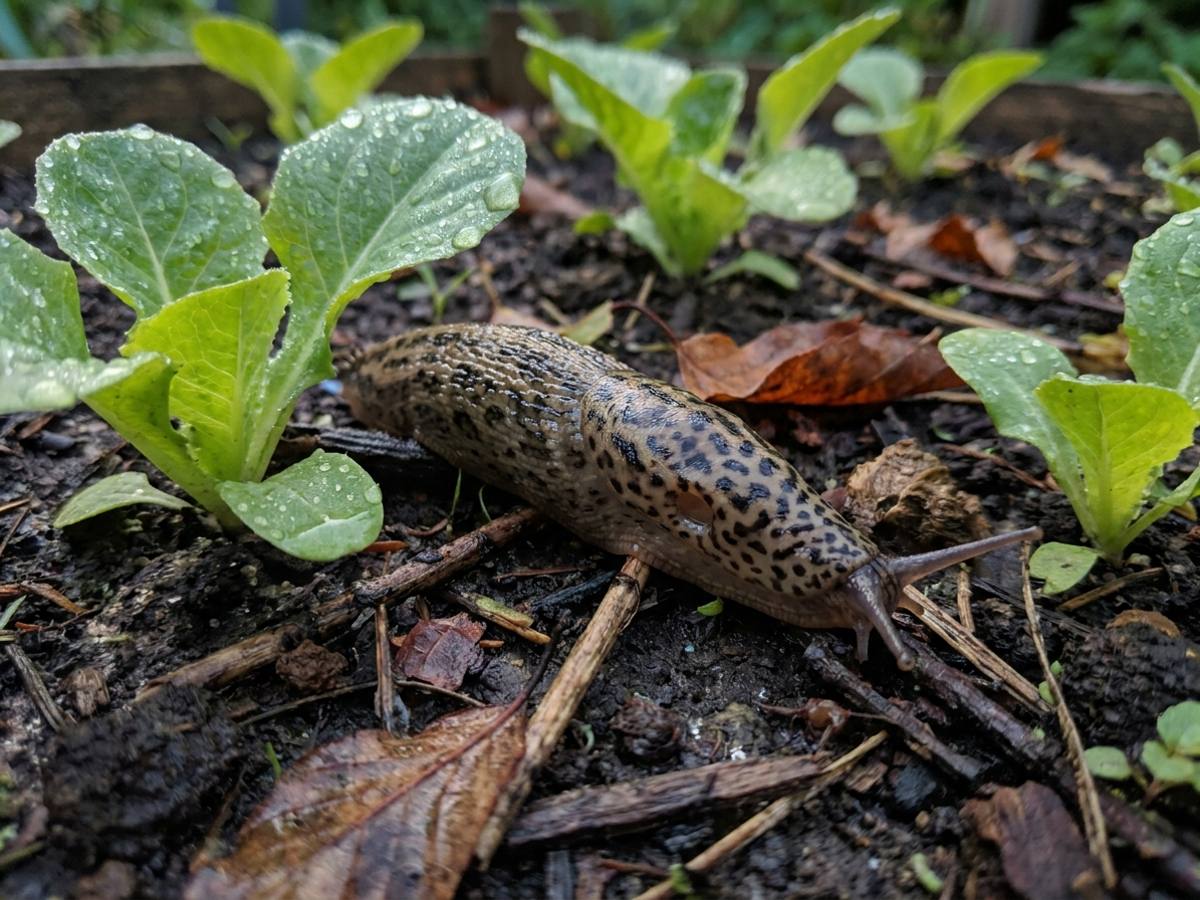
July is slug breeding season, and every day you delay action means thousands more offspring entering your garden by autumn. A single female slug can produce 20,000 descendants before the season ends. Warm, damp nights are creating the perfect breeding storm right now, which means this week is your critical window to break the cycle before populations explode.
Why July matters: the perfect storm for slug reproduction
Across UK and US gardens, slugs are at their most prolific right now. July brings the combination they crave: warm soil temperatures, high humidity from summer storms, and lush vegetation at peak growth. This is not a problem for next month or autumn. This is a problem happening in your beds right now.
The breeding math: why one slug becomes thousands
Most gardeners underestimate slug reproduction rates. A single mature female can lay 20 to 40 eggs every few days throughout summer, and those eggs hatch within 3 to 12 days depending on soil temperature. By the time you notice damage to your hostas or dahlias in August, the next generation is already halfway through development.
The real crisis point is July. Slugs laid eggs in May and June, and those juveniles are now reaching sexual maturity. Left unchecked, they will pair up in July’s warm nights and create overlapping generations. One female in early July means not 20,000 slugs by October, but a cascading population across weeks of continuous breeding.
What to do this week: your July action plan
Break the breeding cycle now with these targeted interventions:
Remove shelter and moisture traps immediately. Clear away loose bark, dense mulch, and fallen leaves where slugs hide during the day. They breed in these damp refuges at night.
Hunt at dusk and dawn for adults and egg clusters. Early morning (5 to 7am) is when slugs are most visible before retreating underground. Remove by hand and dispose of decisively.
Apply copper tape or barriers around containers and vulnerable plants. Copper disrupts the slug’s slime trail and prevents them from reaching your prized specimens, reducing breeding habitat access.
Introduce nematodes (Phasmarhabditis hermaphrodita) if you’re in a region where they’re available. These microscopic predators parasitise slugs in the soil, disrupting the breeding population before eggs hatch.
Watch for escalation through August and September
Monitor your garden closely over the next four weeks. Any slugs you miss in July will produce eggs that hatch in August, creating a secondary population surge. Early intervention this week prevents a tenfold problem later. By mid-August, you should notice visible improvement if you’ve acted decisively now. Stay vigilant, stay consistent, and you can still reclaim your garden before autumn.