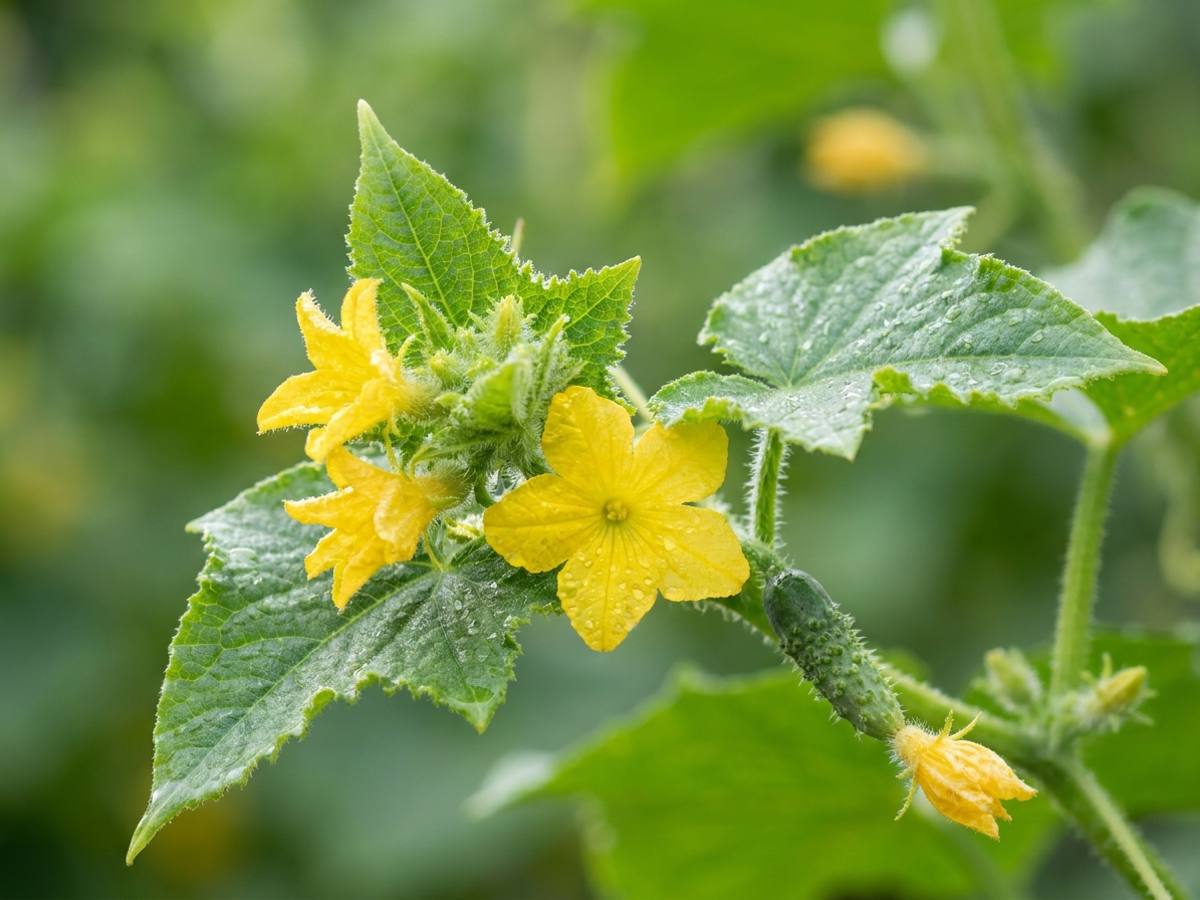
How to grow cucumbers: expert tips and planting advice
0
Cucumber (Cucumis sativus) is a refreshing summer crop renowned for its crisp, watery fruits and vibrant green foliage. Whether grown climbing up a trellis or sprawling across the ground, this tender annual produces abundant yields when given warm conditions and consistent moisture. Its rapid growth and prolific flowering make it a rewarding choice for both kitchen gardeners and commercial growers.
Growing conditions
Cucumber demands full sun exposure, receiving at least six to eight hours of direct sunlight daily. Plants grown in partial shade produce fewer flowers and fruits, with reduced flavour and crispness. Choose an open, sheltered site that is protected from strong winds, which can damage tender stems and reduce pollinator activity.
Soil should be rich in organic matter, well-drained yet moisture-retentive—a challenging balance best achieved by incorporating compost or well-rotted manure before planting. Cucumbers prefer a slightly acidic to neutral pH between 6.0 and 7.0, though they tolerate a broader range. Heavy clay or waterlogged soil leads to root rot and fungal disease, so amend accordingly.
Cucumber is extremely frost-tender and requires warm soil and air temperatures to thrive; never plant outdoors until all risk of frost has passed and soil temperature reaches at least 16 °C. In the UK, this typically means late May or June. Gardeners in cooler regions benefit from undercover cultivation—polytunnels, cold frames, or greenhouses extend the growing season significantly.
How to plant Cucumis
Sow seeds indoors in April or May, three to four weeks before your last frost date, and transplant outdoors once plants develop two true leaves and conditions warm. Direct sowing into warm soil in late May or June is also successful and reduces transplant shock.
Space plants 30–60 cm apart, depending on variety; climbing types can be positioned closer as they train vertically
Sow seeds 1.5–2 cm deep, either in individual pots or directly into soil; cucumber roots dislike disturbance, so minimise transplanting
Enrich planting holes with compost and a balanced organic fertiliser before setting out plants
Water thoroughly after planting and maintain consistent moisture for the first two to three weeks
Propagate only from seed; cuttings rarely root successfully due to the plant’s life cycle
Care through the seasons
Spring: Once soil warms, begin hardening off indoor-sown plants by exposing them gradually to outdoor conditions over seven to ten days. Erect supports or trellises for climbing varieties before planting to avoid root damage later. Apply a balanced fertiliser as new growth emerges.
Summer: Water deeply and regularly, aiming for 2.5–5 cm per week; inconsistent watering causes bitter fruits and flower drop. Pinch out the growing tip after five to six leaves develop on trailing varieties to encourage bushing and branching. Harvest fruits every two to three days whilst young and tender to stimulate continuous production; mature fruits inhibit new flowering.
Autumn: Continue harvesting and watering until the first frosts arrive; most plants will deteriorate rapidly once temperatures drop below 10 °C. Remove spent plants promptly to reduce pest and disease carry-over. Do not attempt to save cucumber for the following year in temperate climates, as it is an annual.
Winter: Cucumber cannot survive outdoors in the UK winter. In frost-free regions, plants may persist through mild winters, but vigour declines and disease pressure increases; it is usually more productive to start fresh each spring.
Best varieties to grow
Choose varieties according to your space, intended use, and desired harvest window.
‘Marketmore’ — A reliable outdoor variety producing dark green, straight fruits 20–25 cm long; excellent flavour and prolific cropping.
‘Burpless’ — Noted for digestibility and mild flavour, this variety bears shorter, tender fruits ideal for salads and containers.
‘Pickling’ — Compact, high-yielding variety bearing small, uniform fruits perfect for gherkins and preserving; matures rapidly.
‘Telegraph’ — A heritage greenhouse variety producing long, smooth fruits up to 35 cm; excellent for indoor cultivation in cooler climates.
Pests, diseases and common problems
Powdery mildew: White, powdery coating on leaves reduces photosynthesis and yield. Spray with sulphur-based fungicide fortnightly from June onwards, or remove infected leaves and improve air circulation by pruning crowded growth.
Cucumber mosaic virus: Mottled, distorted leaves and stunted fruits indicate viral infection, which is spread by aphids. Remove affected plants immediately; control aphids with neem oil or insecticidal soap and choose resistant varieties where available.
Spider mite: Fine webbing and yellowing leaves occur in hot, dry conditions. Increase humidity by misting foliage and watering soil thoroughly; spray undersides of leaves with water or introduce predatory mites in enclosed growing spaces.
Poor fruit set: Lack of bees or hand-pollination results in flower drop and sparse cropping. Hand-pollinate using a small brush, transferring pollen from male flowers (those without a swelling behind the flower) to female flowers (those with a tiny fruit behind).
Bitter fruits: Stress from inconsistent watering, extreme temperature fluctuations, or overcrowding produces off-flavour. Maintain steady moisture levels, provide afternoon shade in very hot climates, and thin foliage to prevent fruit shading.
🌿 Nature & Garden Newsletter
Gardening tips, recipes & seasonal advice, twice a week.