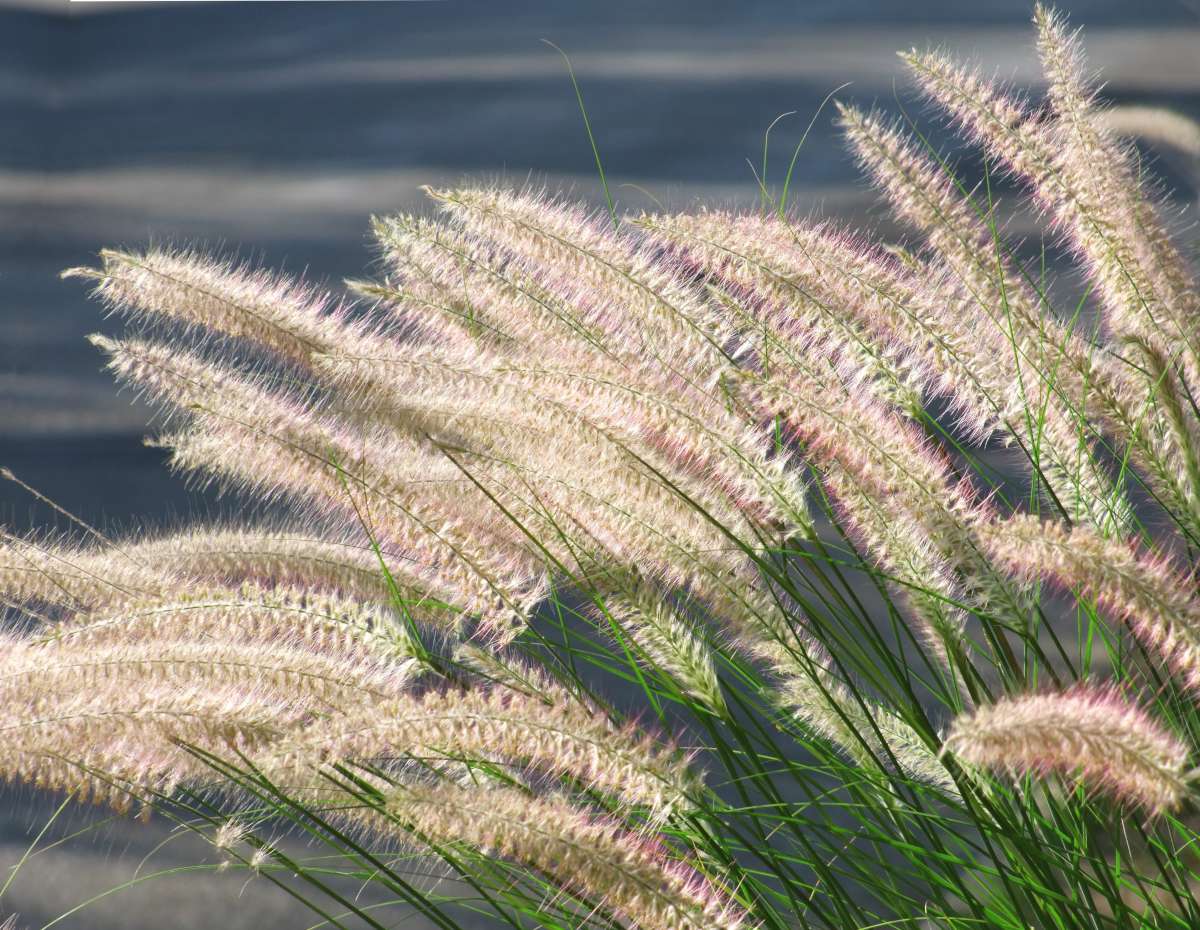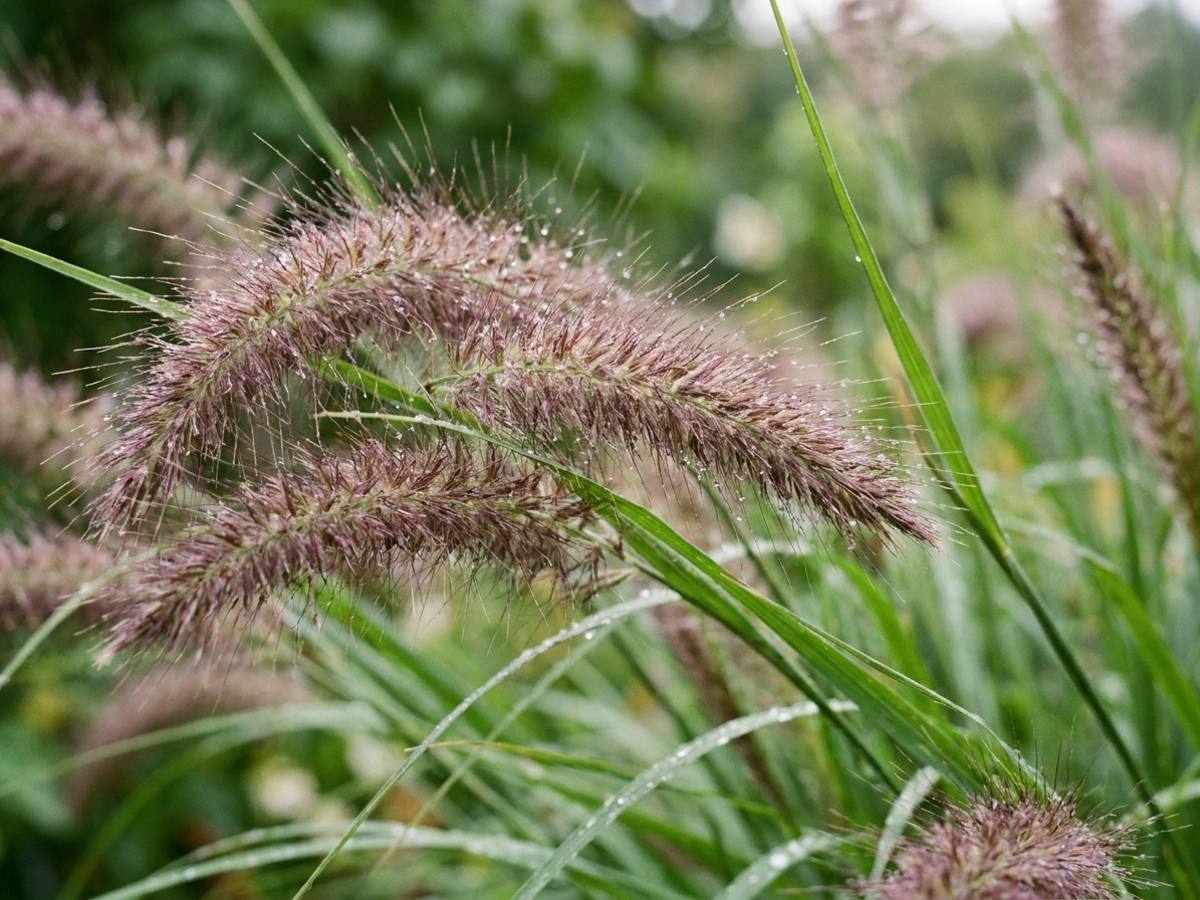
Pennisetum alopecuroides, commonly known as fountain grass or swamp foxtail, is a graceful ornamental grass prized for its feathery, bottle-brush flower heads that dance in the slightest breeze. This deciduous perennial brings movement, texture and late-season colour to borders, coastal gardens and wildlife spaces alike. Its soft, wispy plumes emerge in late summer and persist well into autumn, making it invaluable for extending visual interest when many other plants are fading.
Fountain grass thrives in full sun, where it develops the strongest colour in its foliage and produces the most abundant flower heads. It tolerates partial shade, though growth may become slightly lax and flowering less prolific in shadier spots. Avoid heavily shaded locations, as poor air circulation can invite fungal issues and reduce the plant’s ornamental appeal.
This grass prefers well-drained, fertile soil and will perform in most garden conditions, from loamy to sandy soils. It is not fussy about pH but struggles in waterlogged clay or compacted ground; amend heavy soils with grit and compost before planting. Good drainage is essential—even brief winter wet can cause crown rot in poorly drained sites.
Fountain grass is fully hardy across most of Britain and northern Europe, surviving temperatures to −15 °C. In milder regions (south-west England, coastal areas), it overwinters easily; in colder zones, ensure good drainage and leave the previous year’s foliage standing over winter for added protection.
Plant in spring (April to May) when soil has warmed and the risk of severe frost has passed. This timing allows the plant to establish a strong root system before its first flowering season.

Fountain grass asks for very little, but the little it asks for falls at set points in the year. This table sets out what to do in each season and what you gain by doing it.
| Season | What to do | Why it matters |
|---|---|---|
| Early spring | Cut the dead foliage back to ground level, clear leaf litter and apply a balanced feed | Clears the way for emerging shoots and fuels the new season’s growth |
| Summer | Water in dry spells, around 5 cm weekly, especially in the first year; deadhead only if you want a tidier look | Establishes the clump; once settled the plant is notably drought-tolerant |
| Mid to late autumn | Leave the flower heads to age on the plant, or lift and split overcrowded clumps | Copper and bronze tones extend the display, and division rejuvenates tired clumps |
| Early winter to midwinter | Leave last year’s foliage standing; on heavy wet soils cut the plant back by half instead | Standing growth insulates the crown and shelters insects; halving it reduces rot risk in wet ground |
In short, the only cut that is never optional is the one made before new growth starts in spring.
Spring: Cut back dead foliage to ground level in late March or early April, before new growth begins. Apply a balanced feed (general-purpose or fish, blood and bone) around the base to fuel new growth. Remove any accumulated leaf litter that may inhibit emerging shoots.
Summer: Water regularly during dry spells, particularly in the first year after planting, aiming for 5 cm weekly if rainfall is scarce. Deadhead fading flower spikes if you prefer a tidier appearance, though leaving them adds late-season structure. The plant is notably drought-tolerant once established; reduce watering frequency in subsequent years unless conditions are exceptionally dry.
Autumn: Allow flower heads to remain on the plant to enjoy their rich copper and bronze tones as they age. In late October or November, once the foliage has turned warm russet shades, you may tidy it up or leave it standing for winter interest and wildlife shelter. This is an ideal time to divide overcrowded clumps: lift, split into younger outer sections and replant into improved soil.
Winter: In most regions, leave the previous year’s foliage standing until spring; it provides insulation and shelter for overwintering insects. In very wet regions or heavy clay soils, consider cutting the plant back by half in November to reduce waterlogging risk around the crown.
Several cultivars offer refined colour, habit or improved hardiness compared to the species.