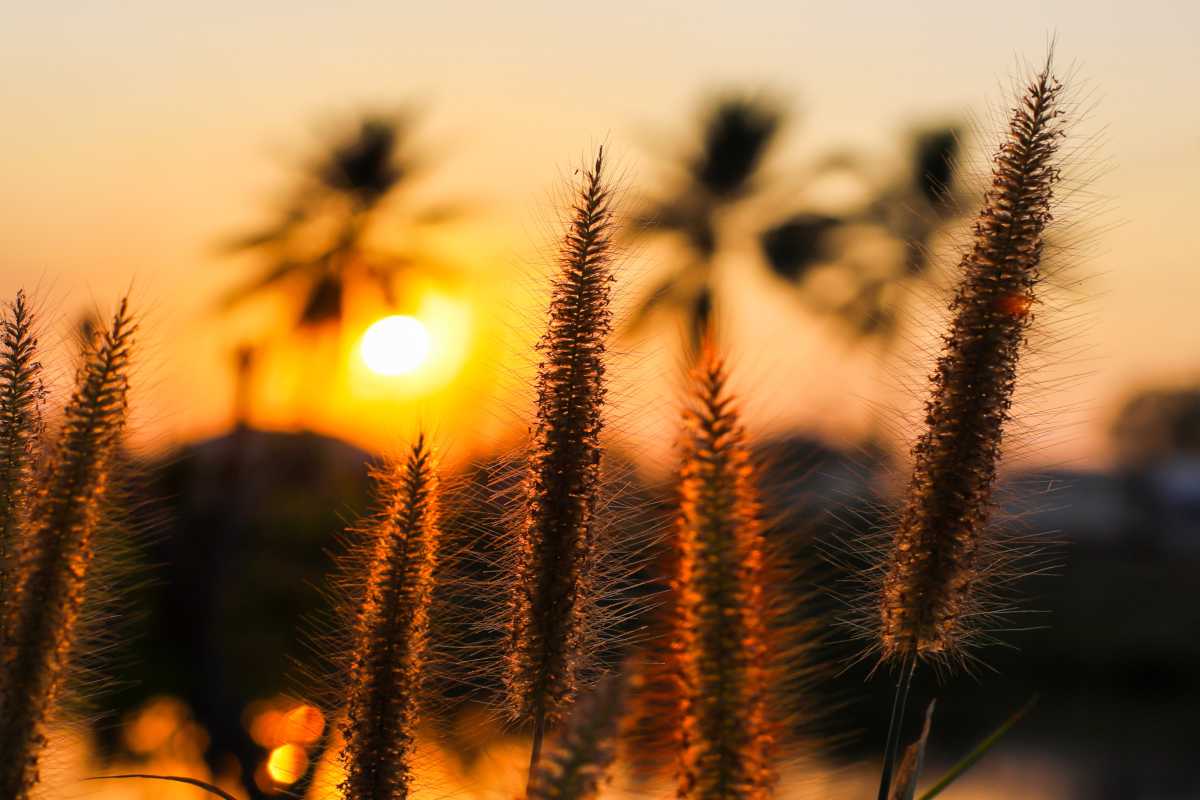
Feathery bristles surround each spikelet, and the loose plumes carry a very wild, natural bearing that makes any garden feel light and lofty. This easy perennial grass (Pennisetum) is best known for decorating modern gardens without looking elaborate; give it full sun and water it during long rainless spells, and it will ask for almost nothing else.
| Name | Pennisetum |
|---|---|
| Family | Poaceae |
| Type | grass |
| Height | 20 to 36 inches (50 to 90 cm) |
| Exposure | full sun |
| Foliage | deciduous |
| Flowering | July to October |
Ideal to decorate modern gardens, it nonetheless retains a very wild and natural bearing that makes any garden feel light and lofty.
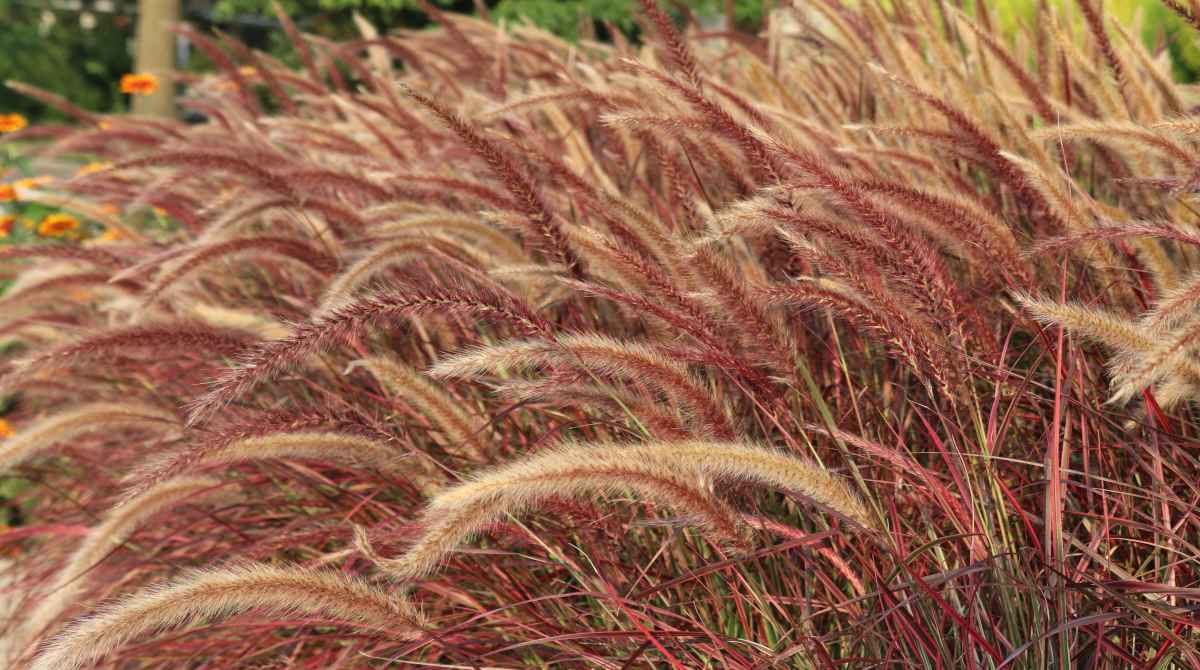
Planting is recommended in spring or fall but at all costs avoid freezing or sweltering hot weather.
Since pennisetum isn’t a very demanding perennial, it will happily abide in any type of soil.
Cut back the dried leaves at the beginning of spring to regenerate the plant.
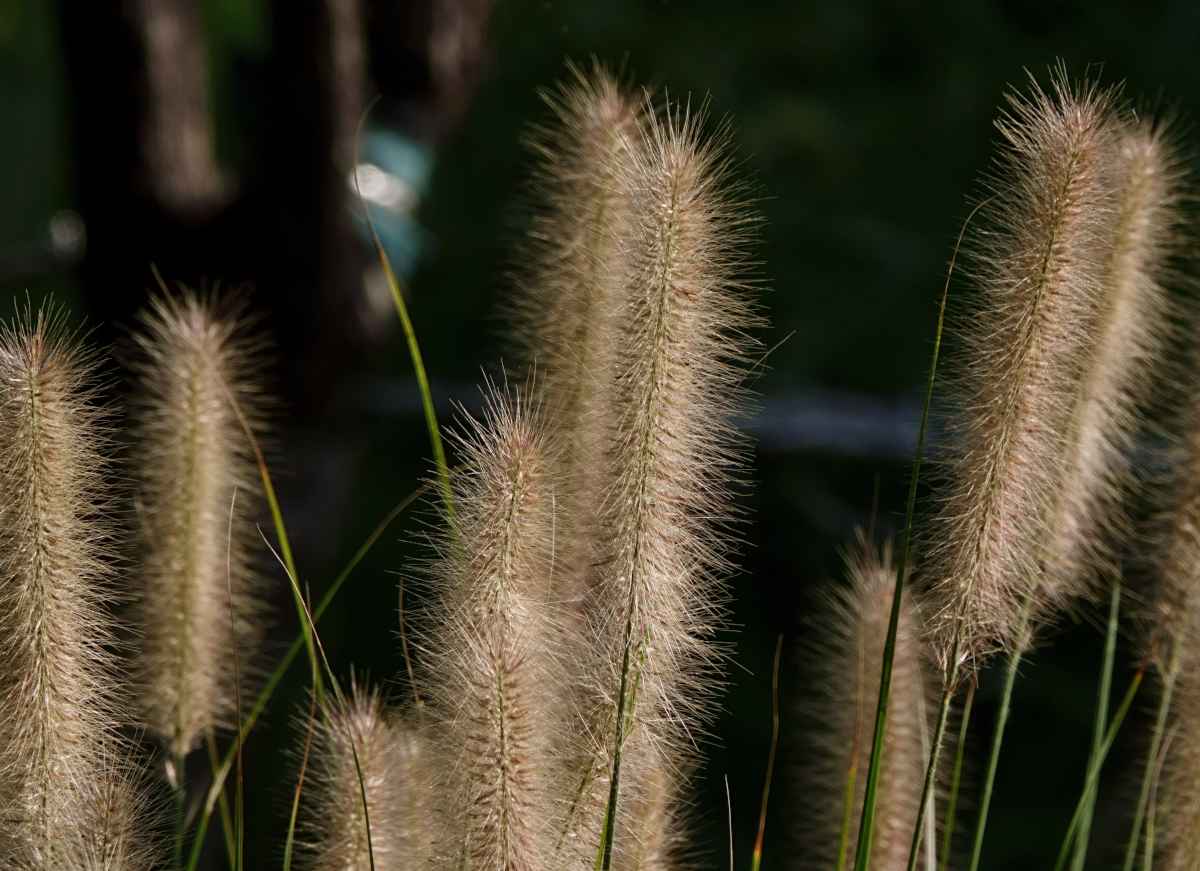
Pennisetum fears dry spells most which is why you must water it in case of extended drought or a long span of time with no rain.
Pennisetum asks for very little, but the few tasks it does need each have their own moment in the year. Here is what to do, and when.
| Task | When | What to do |
|---|---|---|
| Planting | Spring or fall | Avoid extremes of weather; any type of soil will do |
| Watering | First few weeks after planting, then in drought | Water often at first, and again during long rainless spells |
| Cutting back | Beginning of spring | Cut the dried leaves down to about 8 inches (20 cm) from ground level |
| Propagating | Fall or beginning of spring | Divide the crown of an established clump |
| Leaving for winter interest | Over winter | Keep the bunches whole so the dried leafage can be enjoyed |
Apart from these few moments, pennisetum can simply be left to do its own thing.
Fountain grasses vary far more than their family likeness suggests, from knee-high tufts to burgundy giants. The table below compares the varieties most often found on sale, so you can match plume, size and hardiness to your own bed.
| Variety | Plume colour | Hardiness | Best for |
|---|---|---|---|
| ‘Red Head’ | Deep smoky purple | Hardy perennial | Back of a sunny border |
| ‘Rubrum’ | Burgundy-pink | Tender; grown as annual | Burgundy foliage in containers |
| ‘Hameln’ | Buff, greenish-cream | Hardy perennial | Reliable all-rounder in borders |
| ‘Moudry’ | Near-black | Hardy perennial | Dramatic dark plumes; self-seeds |
| ‘Fireworks’ | Pink-purple | Tender; grown as annual | Variegated pink-striped leaves |
A very beautiful perennial that matches marine settings, pennisetum has the special trait of flowering in summer and fall depending on the variety.
Unique and very ornamental, this plant only requires little care.
It is more used today for its natural and wild appearance, which fits right in modern designer gardens that don’t want things to look too elaborate.
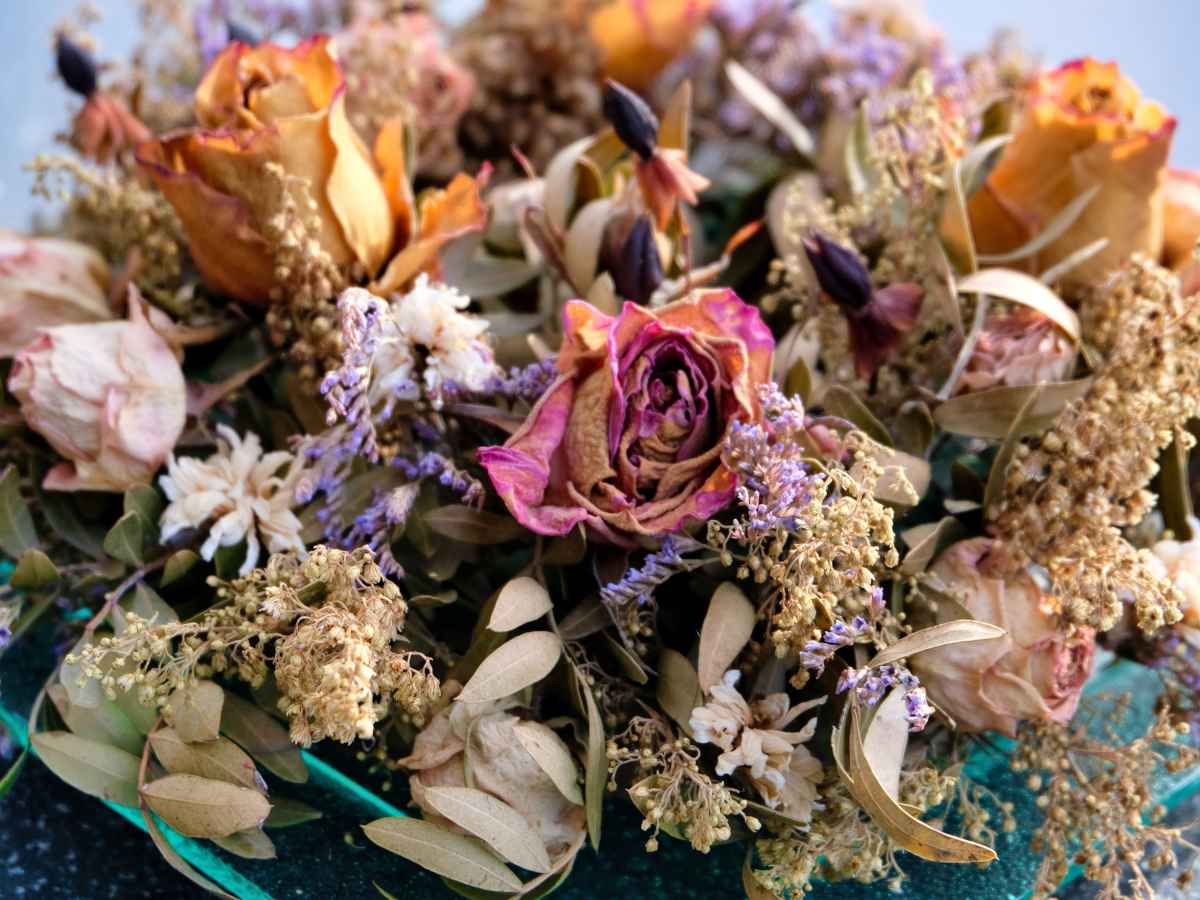
Lastly, pennisetum is also a marvel in winter because the bunches of leaves dry out quite elegantly. You’ll thus observe the very beautiful leafage during the colder months of the year.
If you want an early bloom, you might select Pennisetum massaicum (the picture shown on top of the page) which bears flowers in spring.
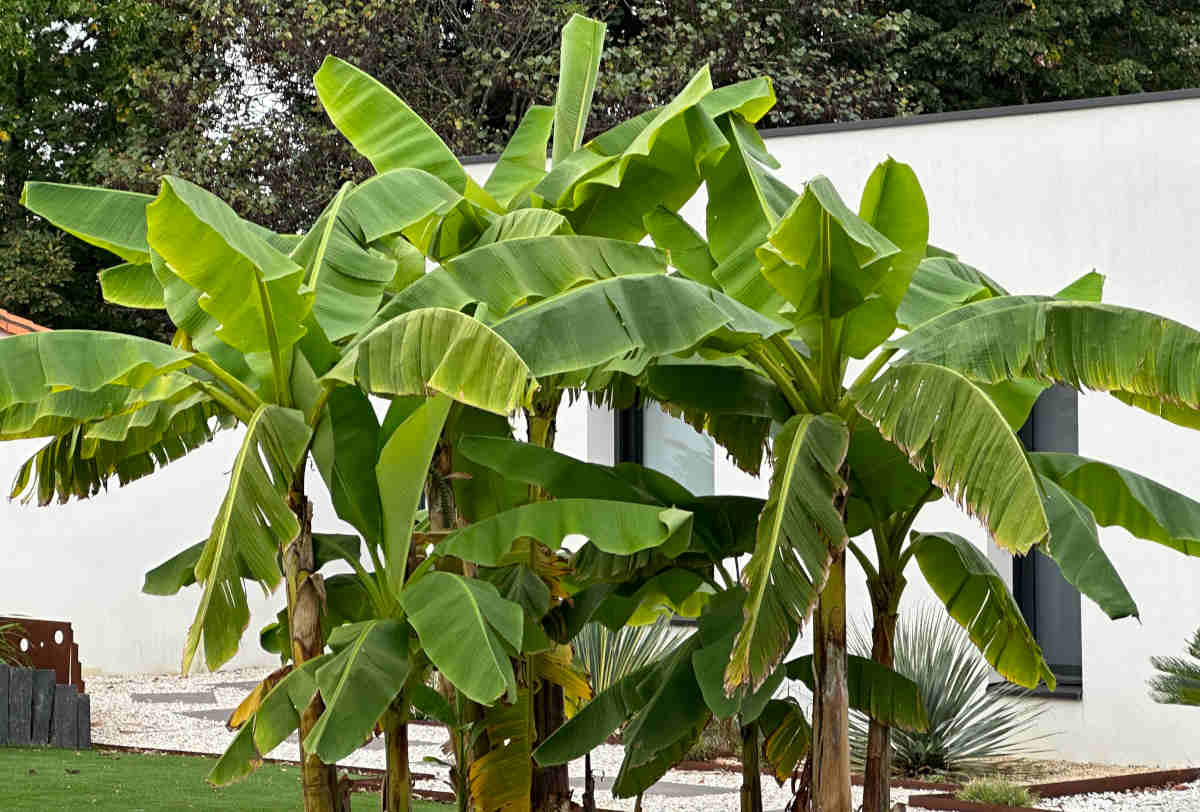
A gigantic type of pennisetum is bana grass. It even serves for hedges!
Read also: