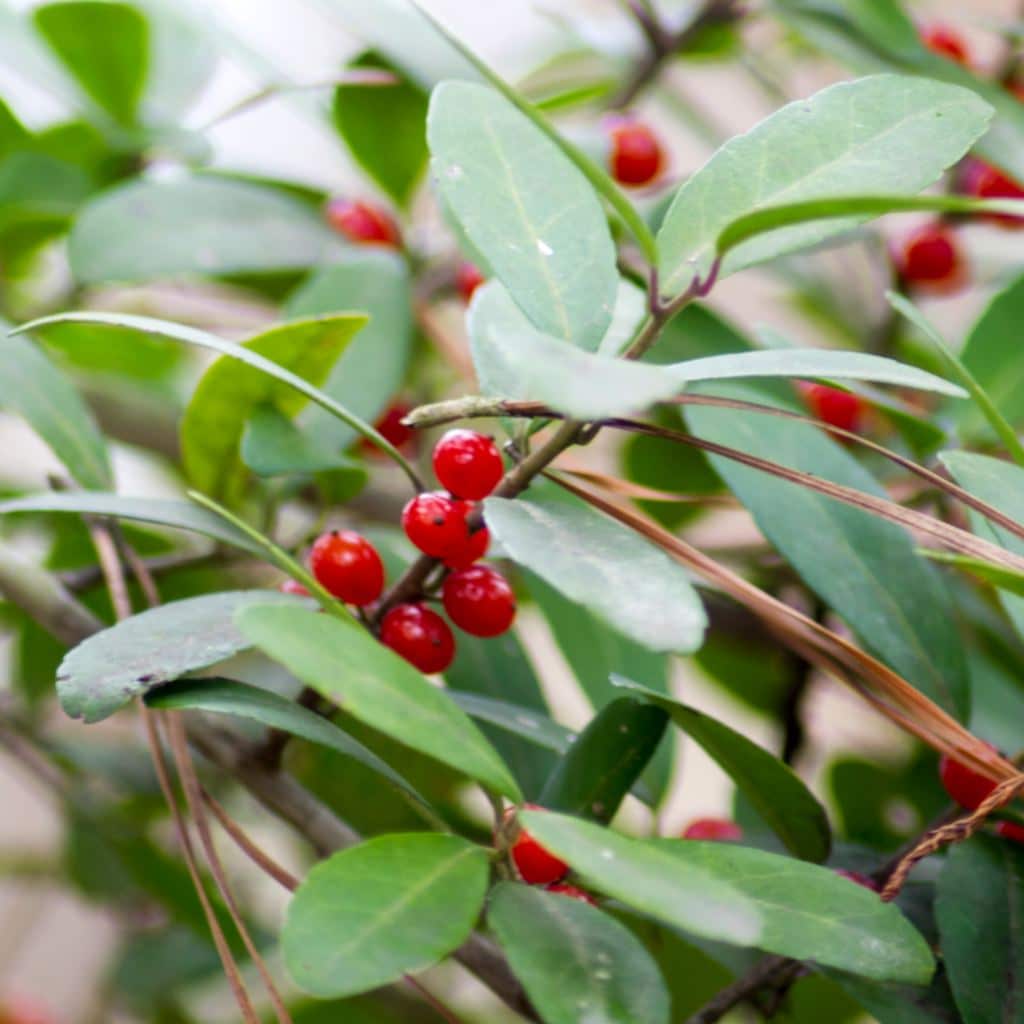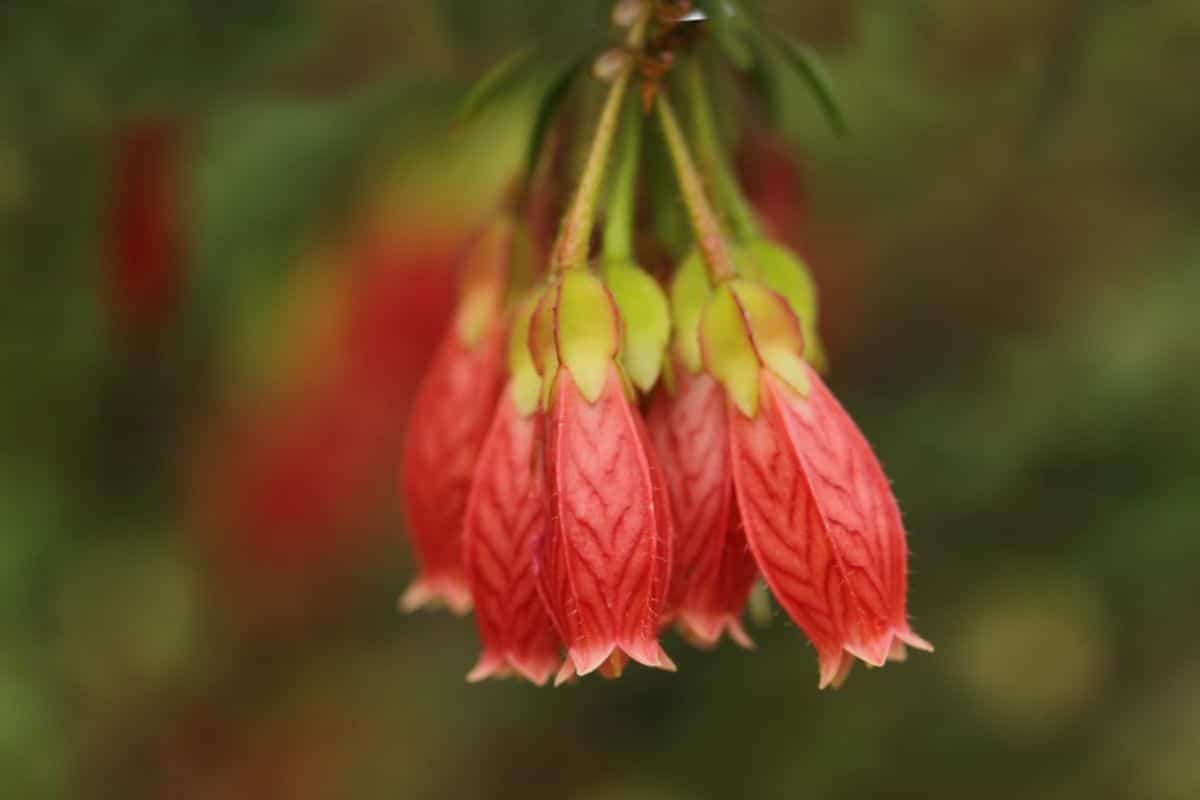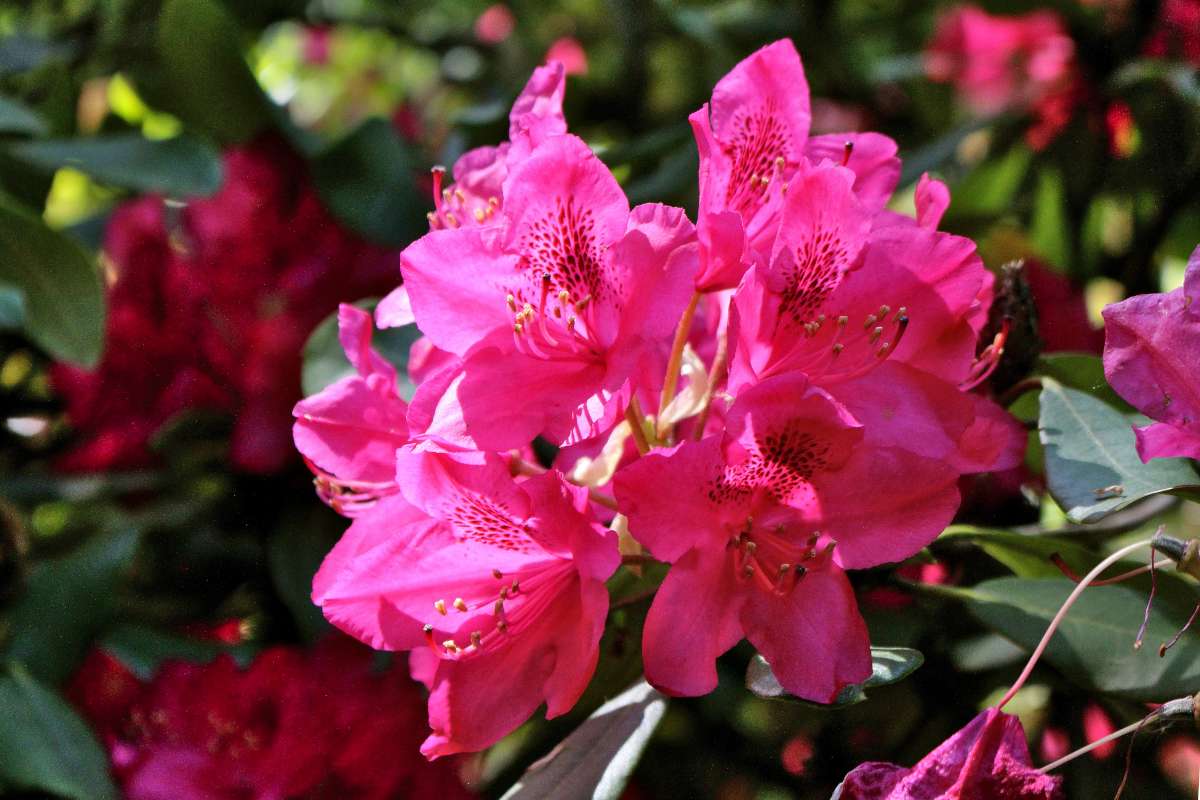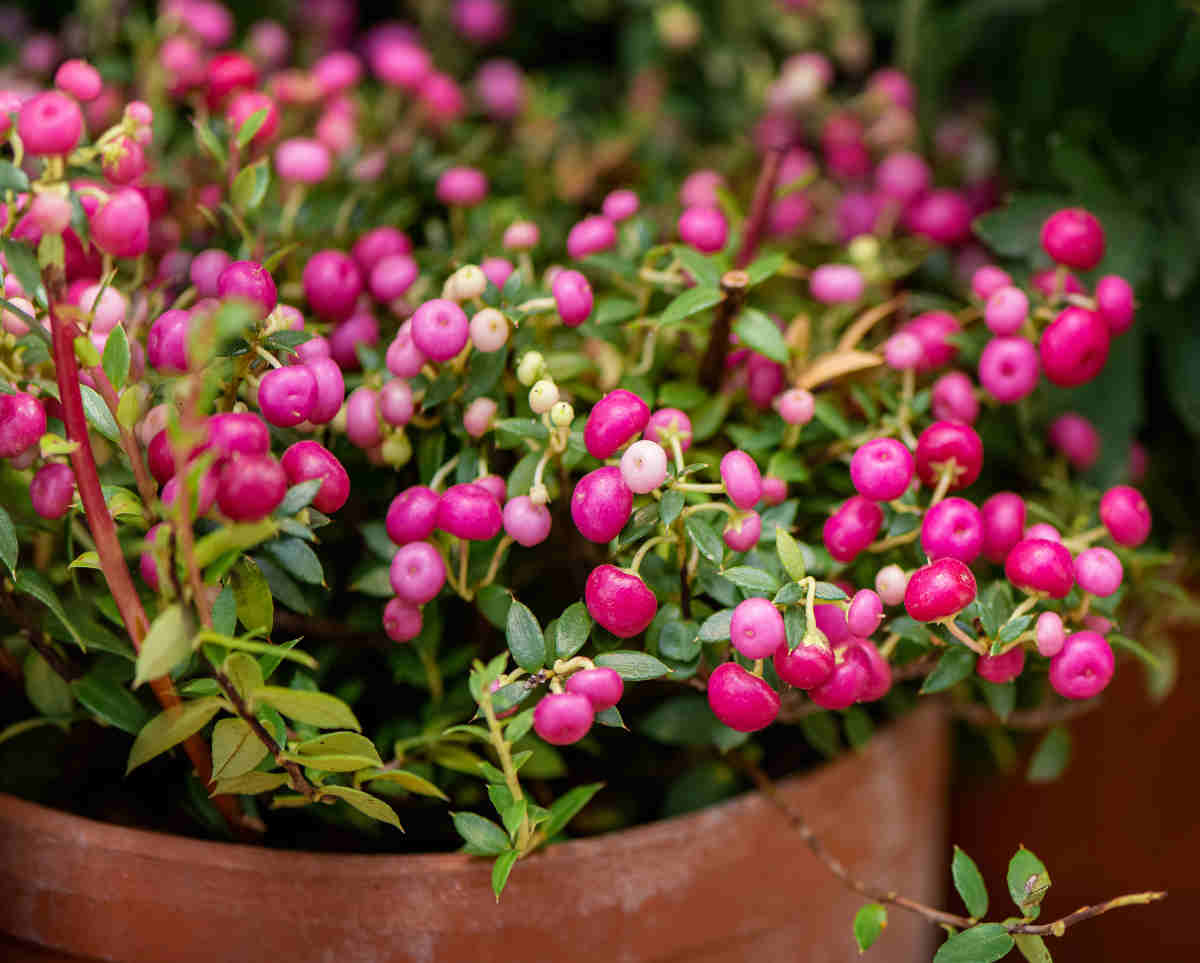
Discreet blooms in spring, thick evergreen leafage all year, then the coloured berries that made its name: pernettya (Gaultheria) is grown above all for what it brings to fall and winter beds, pots and garden boxes. Give it lightly acidic heath soil and shade during the hottest hours, and the berries hold on for months.
| Name | Gaultheria, syn. Pernettya |
|---|---|
| Family | Ericaceae |
| Type | Shrub |
| Height | 6 to 8 inches (40 to 120 cm) |
| Exposure | Part sun |
| Soil | Heath soil |
| Foliage | Evergreen |
| Flowering | mid-spring to late spring |
Read also:

Pernettya is best planted in fall, but it is still perfectly possible to plant it in spring if you have purchased your plant in containers from the nursery.

Pernettya is perfectly suited to being grown in pots for your terraces and balconies. It is also fine for heath soil shrub beds or as a stand-alone.
In flower beds or in pots, this shrub is often grown together with other plants.
The need for acidic well-drained soil and shade means Pernettya share the same growing conditions as heath plants like azalea, heath, camellia and rhododendron. In the pot above, for instance, Skimmia is to the left. It will grow taller, and the Pernettya will cover the lower level of the pot.
In fall, it is also very beautiful in garden boxes together with aster.
If you feel like a touch of lighter green is called for, pair them with boxwood that will also stay green all winter.
Finally, it is great to plant them with Convolvulus, silver ragwort or ornamental cabbage, either in the ground or in pots.
Pernettya is rarely grown alone: it asks for acidic, well-drained soil and shade, which makes it an easy partner for heath plants and for winter pot displays. Here is what each companion brings and where it works best.
| Companion | What it brings | Best used in |
|---|---|---|
| Azalea, heath, camellia, rhododendron | Exactly the same growing conditions: acidic, well-drained soil and shade | Heath soil shrub beds |
| Skimmia | Grows taller above, while pernettya covers the lower level | Pots and garden boxes |
| Aster | Fall flowers to accompany the berries | Garden boxes in fall |
| Boxwood | A touch of lighter green that also stays green all winter | Beds or pots |
| Convolvulus, silver ragwort, ornamental cabbage | Extra winter interest around the berried shrub | Either in the ground or in pots |
All of these combinations work in the ground as well as in a well-drained pot.

Pernettya are easy to care for and only require very little care.

Watering regularly in case of prolonged dry spell is called for, especially potted Pernettya.
In fall and winter, natural rainfall should be enough to cover the plant’s needs.
Almost all garden-centre pernettyas are forms of Gaultheria mucronata, and they differ mainly in berry colour and in whether they need a male plant nearby to fruit. Use the table below to pick a berry shade and to check that at least one pollinator is included in your group.
| Variety | Berry colour | Best use |
|---|---|---|
| ‘Snow White’ | White | Mixed winter containers |
| ‘Cherry Ripe’ | Cherry red | Heath soil beds |
| ‘Pink Pearl’ | Lilac pink | Pots and edging |
| ‘Alba’ | White | Shaded ground cover |
| ‘Wisley Pearl’ | Dark red | Ground cover in acid soil |
| ‘Bell’s Seedling’ | Dark wine red | Pots and heath beds |
| ‘Mulberry Wine’ | Magenta ripening to deep purple | Winter pots and boxes |
| ‘Sea Shell’ | Pale pink deepening with age | Garden boxes |
| ‘Crimsonia’ | Crimson red | Front of a shaded bed |
| ‘Wintertime’ | Pure white | Pots, contrast planting |
| ‘Signaal’ | Bright signal red | Bold winter colour in pots |
| ‘Parelmoer’ | Pearly pink-white | Soft-toned combinations |
| ‘Rosie’ | Deep rose pink | Pots and terraces |
| ‘Thymifolia’ | None, male form | Plant one per group |
Pernettya belongs to the large Ericaceae family. Native to Asia and the Americas, this shrub has adapted to European latitudes to provide the whole world with its beautiful colored berries in fall and winter.
But Pernettya is also outstanding in spring and summer thanks to its magnificent thick leafage and its more hidden blooms during summer.
Pernettya is a perfect shrub to add to your fall compositions.