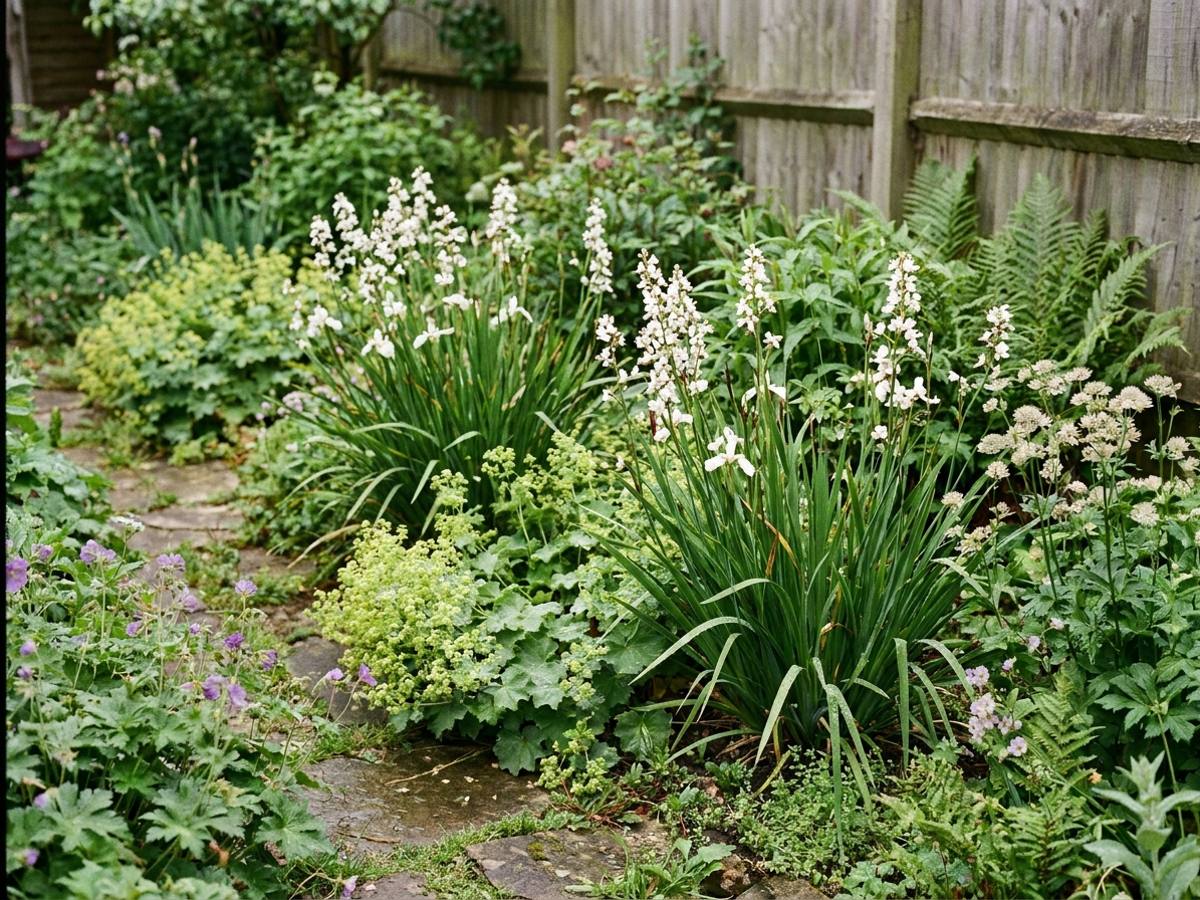
Libertia grandiflora, commonly known as New Zealand iris or freesia iris, is a striking evergreen perennial prized for its delicate white flowers held on tall, wiry stems. This elegant plant brings a lightness and architectural quality to borders, gravel gardens, and containers throughout spring and early summer. Its narrow, sword-like foliage provides year-round structure, whilst the flowers attract pollinators and make excellent cut stems.
Growing conditions
Libertia grandiflora thrives in full sun, though it tolerates partial shade, particularly in hot climates where afternoon shade prevents scorching. Position plants where they receive at least four hours of direct sunlight daily to encourage prolific flowering and maintain compact, attractive foliage.
This plant prefers free-draining soil and performs best on sandy, loamy, or gravelly substrates. Heavy clay soils should be amended with grit and compost before planting; poor drainage is the primary cause of failure. The plant is neutral to slightly acidic soil, though it adapts well across a range of pH levels.
Libertia grandiflora is fully hardy across much of the UK and northern Europe, tolerating temperatures to −10 °C without protection. In colder inland regions or areas prone to waterlogging, apply a mulch in late autumn and ensure excellent winter drainage.
How to plant Libertia
Plant in spring (March to May) or early autumn (September to October) when soil is warm and moisture is consistent. Autumn planting allows the root system to establish during winter dormancy.
Space plants 40–50 cm apart to allow for mature spread and air circulation, which prevents fungal issues.
Position the crown at soil level; do not bury the base of the leaves, as this causes rot.
Amend heavy soil with 25–30% grit and well-rotted compost to improve drainage before backfilling.
Water thoroughly after planting and maintain consistent moisture for the first four to six weeks.
Divide established clumps in spring every four to five years to rejuvenate vigour and create new stock.
White flowers on wiry stems lighten a border
Which Libertia to choose
The straight species is the one most often sold, but three close relatives give you smaller plants or brighter foliage. Compare height, leaf and flower before you buy.
Which Libertia to choose
Libertia
Height
Foliage
Flowers and seed heads
Libertia grandiflora (species)
40–60 cm
Narrow, sword-like, giving year-round structure
Pristine white with golden stamens, late spring to midsummer
Libertia ‘Goldfinger’
Compact
Bright golden-yellow variegation that intensifies in cool weather
White
Libertia ixioides
30–40 cm
Narrower leaves; suits smaller gardens
Slightly earlier than the species
Libertia peregrinans
20–30 cm
Dwarf, low habit
White in spring, followed by orange-red seed heads
Whichever you choose, the growing conditions are the same: free-draining soil and a position in sun or light shade.
Care through the seasons
Spring: Apply a balanced fertiliser (tomato feed or rose feed) in April as new growth emerges. Remove any winter-damaged or dead leaf tips with clean secateurs. Watch for slugs and snails as tender new foliage appears.
Summer:Water deeply during dry spells, particularly in containers or in areas experiencing drought. Deadhead spent flowers to redirect energy into foliage and prevent excessive self-seeding. In exceptionally hot spells, afternoon shade reduces heat stress.
Autumn: Cut back any tatty or yellowed foliage in September to tidy the plant before winter. This is the ideal time to divide established clumps; lift and separate carefully, ensuring each division has at least two or three fan clusters. Apply a mulch of grit or compost in late October to protect the crown during harsh winters.
Winter:Libertia grandiflora is evergreen and requires minimal winter care in mild areas. In cold regions above 300 m elevation, ensure drainage remains good around the crown to prevent waterlogging and frost damage.
Best varieties to grow
The species Libertia grandiflora is the most commonly cultivated form, though several named selections offer refinement.
Libertia grandiflora — The straight species, bearing pristine white flowers with golden stamens from May to July; robust and reliable.
Libertia ‘Goldfinger’ — A compact cultivar with bright golden-yellow variegated foliage that intensifies in cool weather, paired with white flowers.
Libertia ixioides — A smaller sibling species reaching 30–40 cm, with narrower leaves and slightly earlier flowering; excellent for smaller gardens.
Libertia peregrinans — Another dwarf option at 20–30 cm, with orange-red seed heads following white spring flowers.
Pests, diseases and common problems
Slugs and snails: Young foliage is frequently damaged by these molluscs in spring. Encourage ground beetles by removing unnecessary mulch, or place copper tape around containers; nematode biocontrols are highly effective.
Crown rot: Waterlogged soil in winter causes the base to rot, turning foliage yellow and collapsing the crown. Improve drainage immediately by adding grit and reducing autumn watering; do not replant in the same spot without soil amendment.
Red spider mite: Hot, dry conditions indoors or under glass can trigger infestations; spray affected foliage with insecticidal soap or increase humidity by misting regularly.
Poor flowering: Insufficient light or excessive nitrogen fertiliser promotes leaf growth at the expense of flowers. Relocate to a sunnier position or switch to a low-nitrogen, high-phosphate feed in late April.