Ratibida pinnata: expert tips for growing prairie coneflower
0
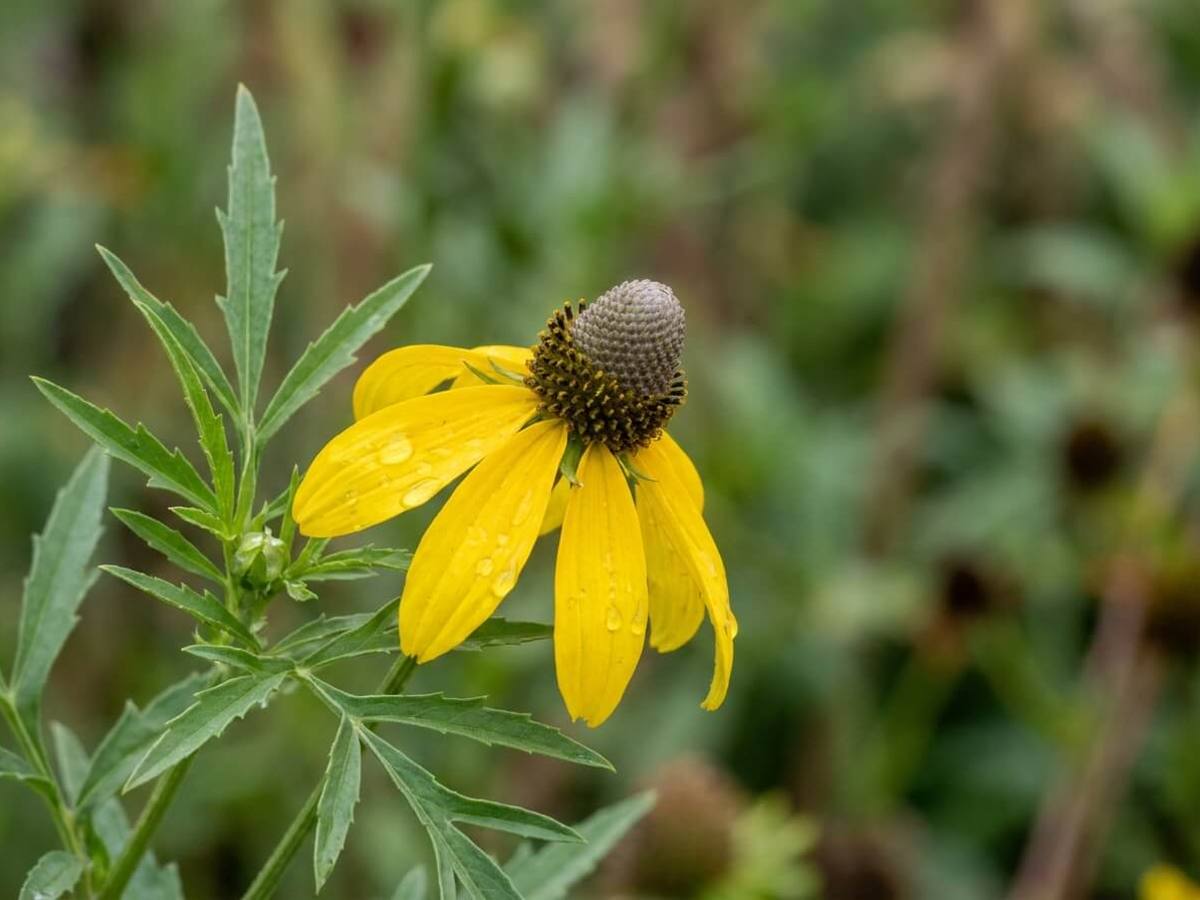
Ratibida pinnata is one of the great architectural plants of the North American prairie, sending up wiry stems topped with lemon-yellow ray florets that hang down like a hula skirt around a stubby grey cone. It brings height, movement and a long midsummer-to-autumn display to naturalistic borders and wildflower meadows without ever looking heavy. Crush one of the spent cones between your fingers and you will catch a surprising scent of aniseed.
Growing conditions
Give Ratibida pinnata the sunniest spot you have — a minimum of six hours of direct sun, and preferably more. In shade the stems stretch, lean and flower sparsely, and the whole plant loses its poise. An open, breezy site also keeps the foliage dry and mildew-free.
Soil is refreshingly undemanding. This is a prairie plant adapted to heavy clay loams and thin limestone soils alike, so anything from pH 6.0 to 7.8 suits it, provided winter drainage is reasonable. Avoid rich, freshly manured ground: excess nitrogen produces soft, floppy growth and fewer flowers.
It is thoroughly hardy across the British Isles and northern Europe, and cold is never the limiting factor. Wet, stagnant soil in winter is the one real killer, so on a heavy clay garden, raise the bed slightly or work in grit before planting.
How to plant Ratibida
Plant pot-grown specimens in mid-spring, once the soil has warmed, so the taproot can establish before the first winter. Early autumn planting also works on free-draining soils, but spring is the safer bet on clay.
Space plants 45–60 cm apart — close enough for the stems to support one another, far enough to keep air moving through the clump.
Set the crown level with the surrounding soil; burying it deeper invites rot at the base of the stems.
Fork the planting hole over deeply rather than adding compost, as the taproot needs to travel downwards more than it needs feeding.
Water in thoroughly at planting and keep the soil just moist through the first growing season only.
Propagate from seed: sow in autumn in a cold frame, or give 30–60 days of cold, moist stratification in the refrigerator before a spring sowing. Basal cuttings taken in late spring root readily.
Ratibida pinnata growing in a naturalistic garden border
Care through the seasons
Spring: Cut any remaining old stems to ground level in March, before the low rosette of deeply cut, pinnate leaves expands. No feeding is required on average soil — a light mulch of leaf mould around, not over, the crown is plenty. On exposed sites, shorten stems by a third in late May to encourage sturdier, shorter growth.
Summer: Established clumps are genuinely drought-tolerant and rarely need watering once the taproot is down. Flowering begins in July and continues into September; deadhead the first flush to prolong the display, or leave it if you want seed. Plants grown in fertile borders may need discreet staking or the support of neighbouring perennials.
Autumn: Resist the urge to tidy — the ripening cones feed goldfinches and other seed-eaters well into winter and look sculptural under frost. If you must divide, do so in early autumn or early spring, lifting a generous rootball and accepting that some plants sulk for a season. Self-sown seedlings appear readily and transplant best whilst small.
Winter: The plant dies back completely and needs no protection whatsoever. Simply ensure the crown is not sitting in standing water.
Best varieties to grow
Named selections of Ratibida pinnata itself are very scarce, so it is usually grown as the straight species alongside its close relatives.
Ratibida pinnata (species) — the classic form, 120–180 cm tall with drooping lemon rays and a grey cone; unbeatable in a matrix planting with grasses.
Ratibida columnifera — Mexican hat, a shorter cousin at 30–75 cm with a strikingly elongated columnar disc; ideal where R. pinnata would be too tall.
Ratibida columnifera f. pulcherrima — bears rich mahogany-red rays, often edged in gold, for a much warmer colour scheme.
Ratibida columnifera ‘Red Midget’ — a compact selection around 45 cm with deep russet-red petals, useful at the front of a gravel garden.
Pests, diseases and common problems
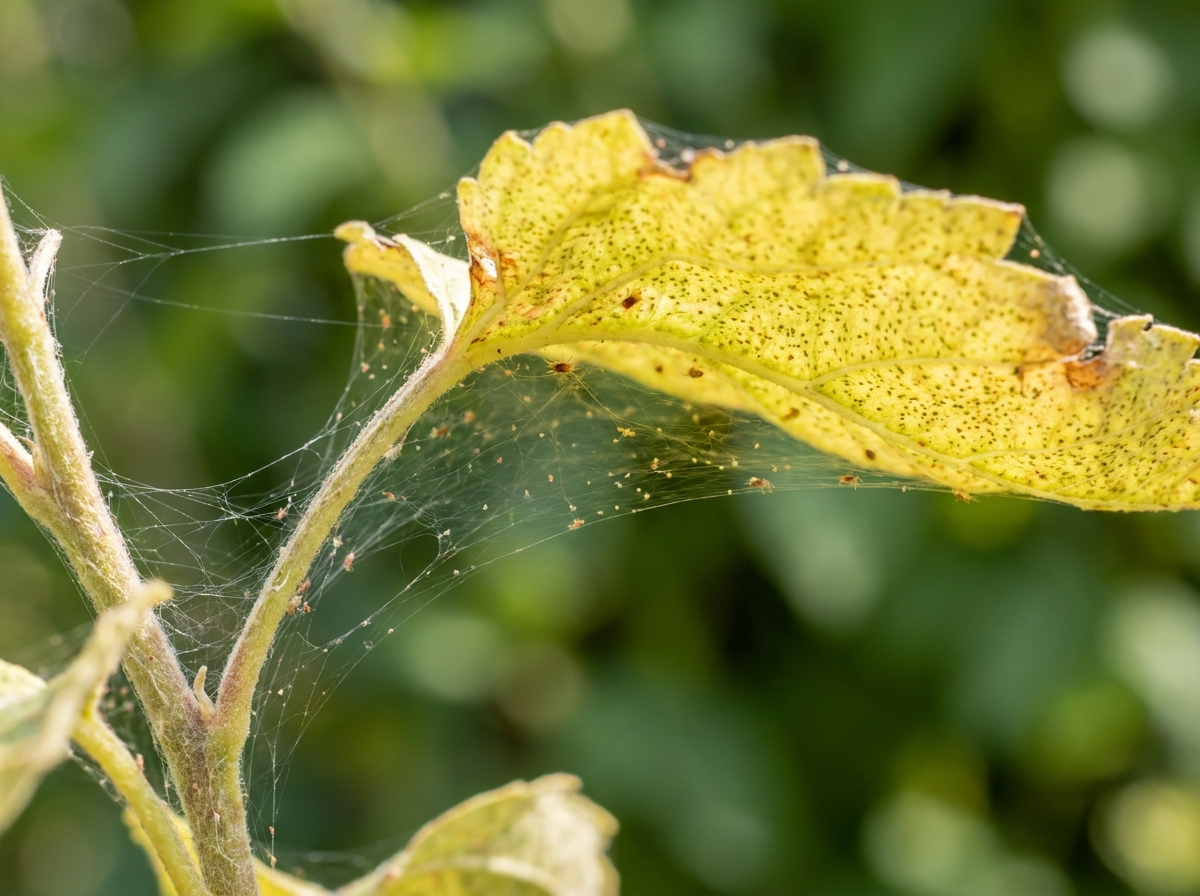
Powdery mildew: A white bloom on the lower leaves in humid late summer, usually on crowded or dry-rooted plants. Thin the clump, improve airflow and remove affected foliage rather than reaching for sprays.
Flopping stems: Not a disease but the commonest complaint, caused by rich soil, too much shade or drought stress. Grow it lean and sunny, and pinch stems back by a third in late May.
Slugs and snails on seedlings: Young rosettes and self-sown seedlings can be grazed to the ground in wet spring weather. Protect with a ring of grit or wool pellets; mature plants are almost never troubled.
🌿 Nature & Garden Newsletter
Gardening tips, recipes & seasonal advice, twice a week.