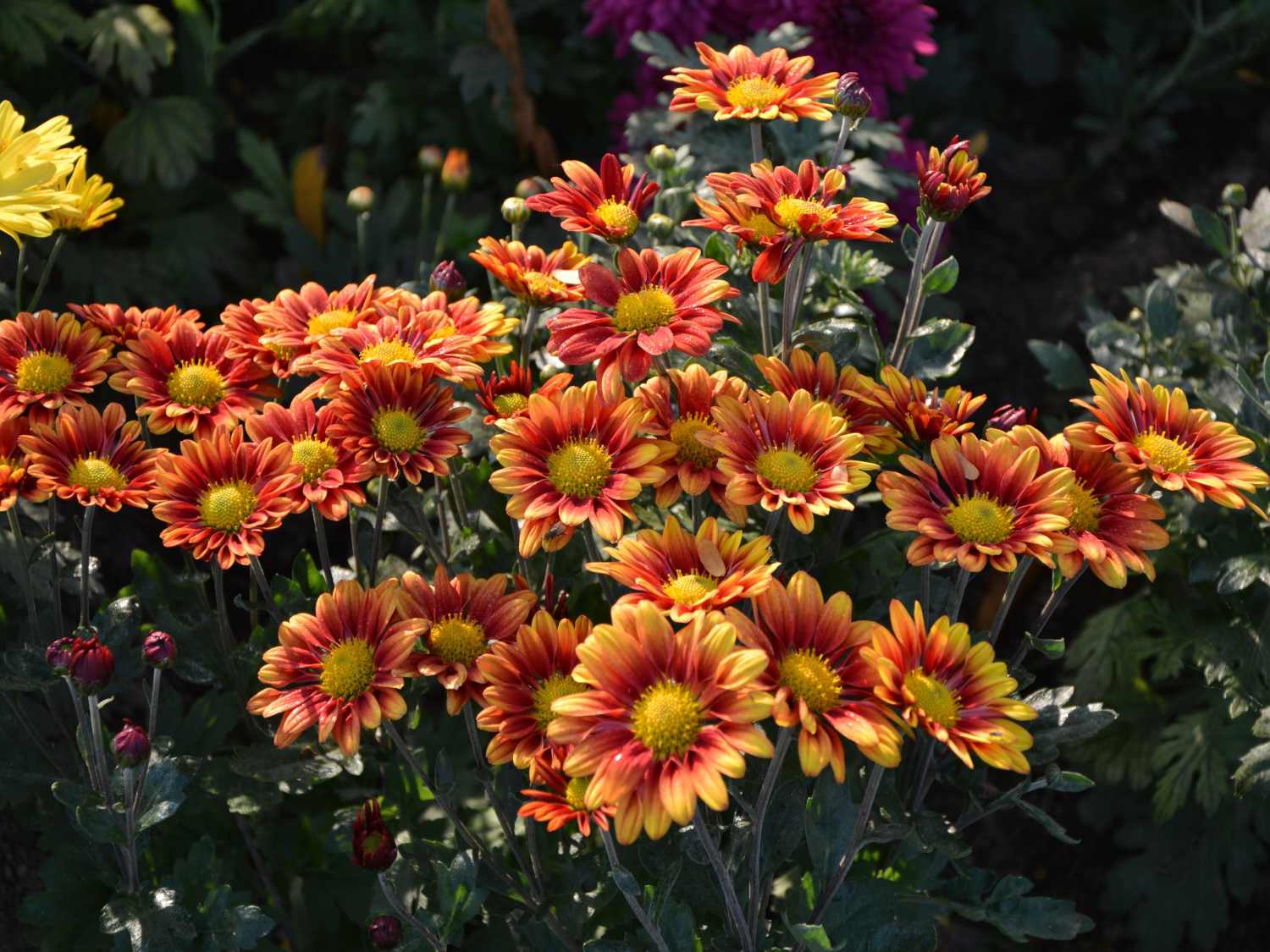
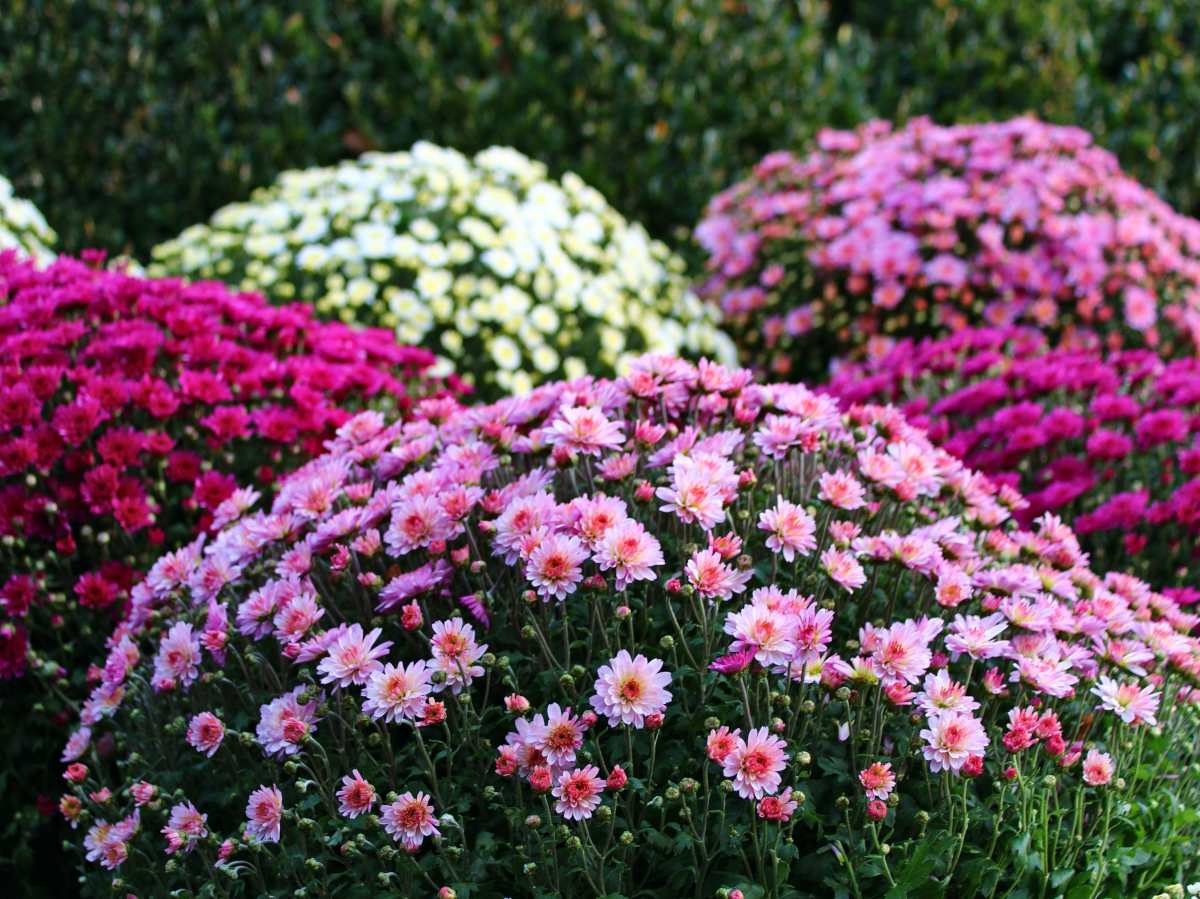
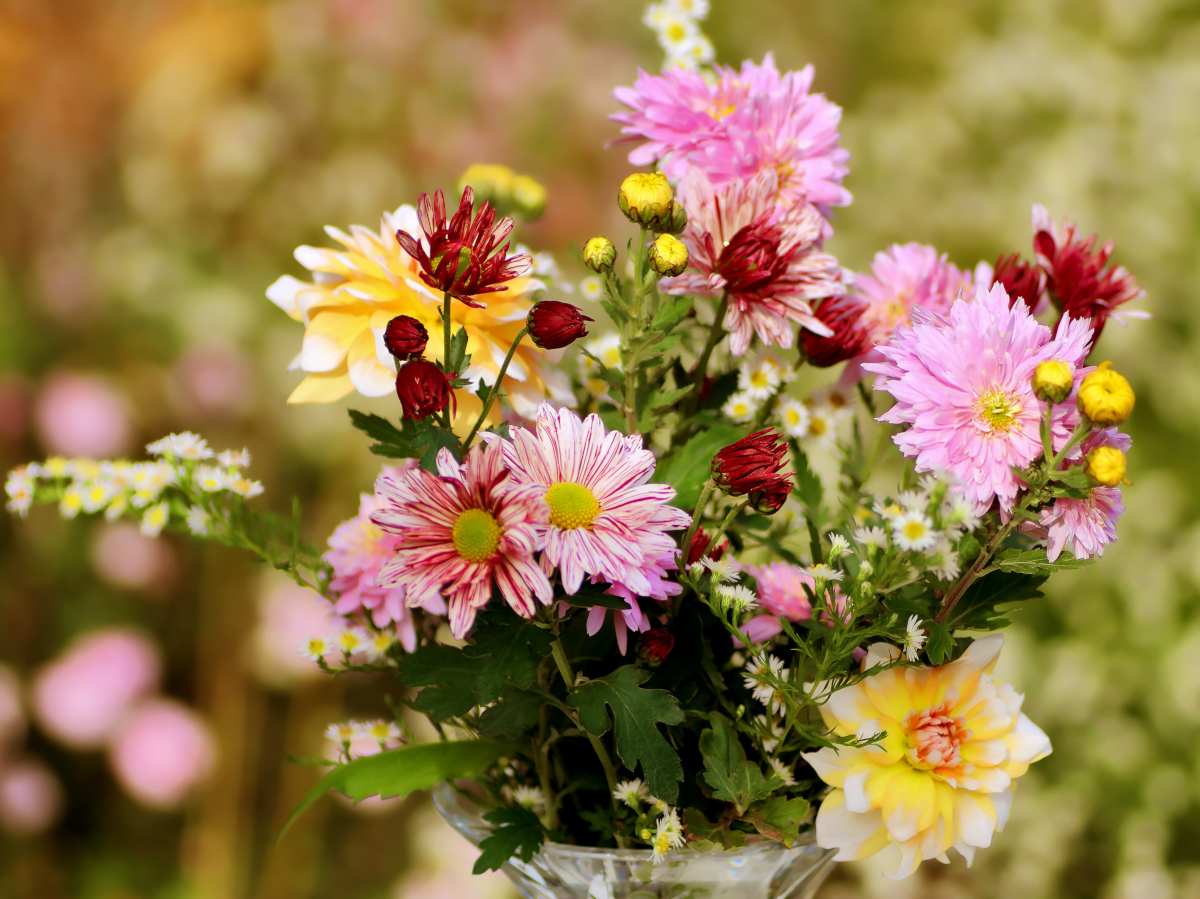
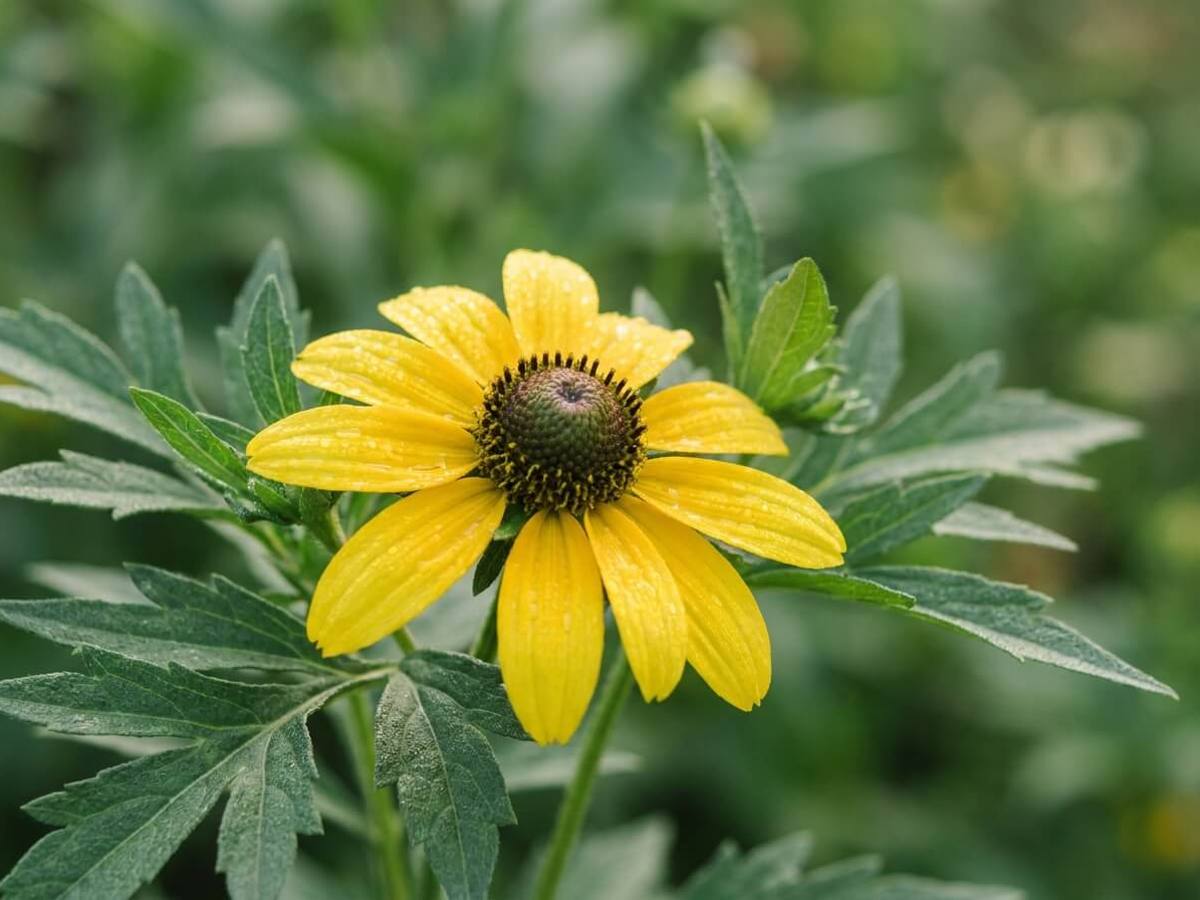
Pink, red, orange, yellow or white blooms open just as the garden’s other flowers grow scarce, and they keep going long after most borders have finished. Best known for adorning graves, the autumn daisy (Chrysanthemum) suits a bed, a pot or a garden box just as well: give it full sun and soil kept moist, and it flowers for weeks.
Key
Autumn daisy at a glance
Name
Chrysanthemum
Family
Asteraceae
Type
annual and perennial (depending on the variety)
Height
16 to 28 inches (40 to 70 cm)
Exposure
full sun
Soil
ordinary
Flowering
early summer to late autumn
Planting and care, read these key points to know to have nice daisies.
Planting autumn daisy
Autumn daisy is planted ideally in spring because even if it will only bloom at the end of summer or in fall, it will have developed a great root system and will resist the harshness of fall and winter much better.
Position the young plants in spring in soil that has been amended and that drains well.
Spring planting builds the roots that carry it through winter
Autumn daisy that has been purchased in pots in fall can be planted directly to the ground, to larger pots or garden boxes, preferably with soil mix but its hardiness won’t be as good.
You’re advised to find a sunny spot that will embellish the blooming.
Snip off withered stems before replanting it to the garden.
Water after planting.
Pruning, caring for and watering autumn daisy
Autumn daisy requires relatively little care, mostly only watering regularly when there’s no rainfall.
Removing wilted flowers brings on a fresh crop of blooms
Remove wilted flowers as they appear, since this increases production of new flowers.
Water when the soil is dry, especially if using a pot, because chrysanthemum call for moist soil to grow properly.
You should endeavor not to wet the leaves to avoid appearance of diseases such as rust or powdery mildew.
After the first frost spells, when flowers start to turn black, cut the stems back to ground level and cover with a thick cover of dried leaves.
Telling autumn daisy problems apart
Three troubles account for most of the damage on chrysanthemum, and each shows itself differently. Use the symptom to name the culprit before reaching for any treatment.
Telling autumn daisy problems apart
Problem
What you see
How to limit it
Powdery mildew
A whitish growth over leaves and stems
Water at the base and avoid wetting the leaves
Rust
Blisters on the underside of the leaves
Pick off the spotted leaves and bin them
Aphids
Leaves curl up and fall off
Space plants so that they do not touch each other
All three are largely avoidable if the foliage stays dry and the plants have room to breathe.
Diseases that are commonly found on autumn daisy
Autumn daisy falls victim to several diseases and parasites that are nonetheless avoidable, especially if care is taken to avoid wetting the foliage and space each plant sufficiently so that they don’t touch each other.
Powdery mildew – a whitish growth covers leaves and stems.
Rust – blisters appear on the underside of leaves.
Pick off rust-spotted leaves and bin them rather than composting them.
All there is to know about autumn daisy
Native to Korea, and Japan’s best-loved flower
Autumn daisy is native to Korea but is has been raised to cult status in Japan where it has become the Japaneses’ favorite flower.
Over there, it is called the Autumn flower and it symbolizes joy and pleasure.
There are a great many chrysanthemum varieties.
They are known for their pink, red, orange, yellow or white hues.
They have the advantage of blooming late, until the month of November or December, and thus come garnish our gardens right when flowers start to become rare.
They are also planted in pots to adorn balconies and terraces.
For that, choose good flower plant soil mix over any other, because it has the advantage of retaining the moisture that the plant needs.
Chrysanthemum is very versatile and will fit in perfectly in a flower bed, in a pot or garden box, and also simply to decorate any portion of the garden.
Smart tip about autumn daisies
If you wish to choose a specific color, purchase it in a pot (container) just as they begin to bloom, and transplant them to your garden.
Images: Pixabay: Anh Tuan Nguyen, Sirounian Armen, RÜŞTÜ BOZKUŞ, Melanie
Written by Gaspard Lorthiois | Loves helping out, especially when it comes to growing things. Worked in herbal medicine, runs a farm, and dabbles in tech. Master's degree and engineer.