Korean Spice Viburnum: varieties, planting and garden uses
0
Few shrubs earn their place in a garden on scent alone, but Viburnum carlesii does exactly that. Rounded clusters of pink buds open to waxy white pincushions in mid-spring, releasing a warm clove-and-carnation perfume that carries several metres on still air. It is a compact, rounded deciduous shrub with soft, felted grey-green leaves that flush burgundy in autumn — ideal beside a path, doorway or seating area where the fragrance can be enjoyed at close quarters.
Growing conditions
Full sun gives the heaviest flowering and the best autumn colour, but a spot receiving four to six hours of direct light is ample. In hotter, drier regions, light afternoon shade keeps the foliage from scorching and helps the flowers last longer. Shelter from cold, drying spring winds protects the opening buds and concentrates the scent where you can smell it.
Any reasonably fertile soil suits this shrub provided it drains freely. It is genuinely happy on chalk and tolerates clay once the planting area has been improved with organic matter, but it sulks in ground that stays waterlogged in winter. A pH anywhere between 5.5 and 7.5 is fine — unlike many spring shrubs, it has no need of acid conditions.
Hardiness is excellent, down to roughly −25 °C, so frost is rarely the issue. The real limitation is a late frost after the buds colour up, which can brown the flower heads; a position away from frost pockets and east-facing walls avoids this.
How to plant Viburnum
Autumn is the best planting season, as the soil is still warm and roots establish before the spring flush. Early spring is the next-best option, particularly on heavy, cold soils where winter wet is a risk.
Spacing: allow 1.5–2 m between plants, or 1 m from a path edge — the shrub builds a broad, rounded outline and resents being sheared back to fit.
Depth: plant so the soil mark on the stem sits level with the surrounding ground, keeping any graft union just above soil level to discourage rootstock suckering.
Soil preparation: fork a bucket of garden compost or well-rotted manure into the base and backfill of the planting hole, breaking up compacted subsoil on clay sites.
Watering in: settle the plant with 10–15 litres of water, then mulch 5–7 cm deep with bark or compost, leaving a gap around the stem.
Propagation: simple layering is far more reliable than cuttings — peg a low branch into the soil in autumn and sever it the following autumn once rooted.
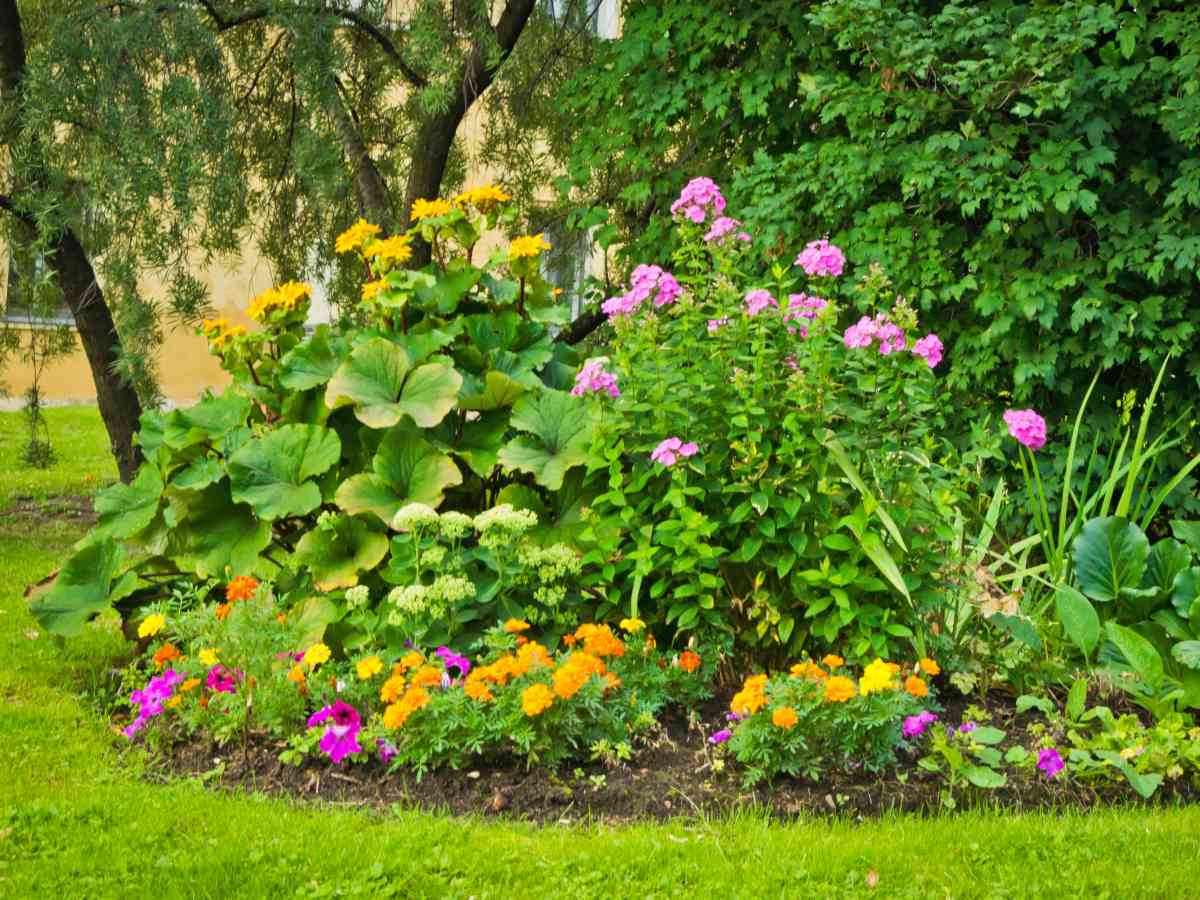
Viburnum carlesii growing in a naturalistic garden border
Care through the seasons
Spring: Scatter a balanced general fertiliser or a handful of blood, fish and bone around the base as buds swell, then top up the mulch. Deadheading spent flower clusters is optional but tidies the plant and redirects energy into growth. Any pruning should follow immediately after flowering, since next spring’s buds form on the current season’s wood.
Summer: Water young plants deeply once a week in dry spells for their first two or three summers; established shrubs cope well but appreciate a soak during prolonged drought. Remove any suckers arising from below the graft as soon as you spot them — pull rather than cut where possible. Avoid late-summer pruning, which sacrifices the following spring’s display.
Autumn: This is the moment for planting, moving or layering. Enjoy the wine-red and plum foliage tints, then clear fallen leaves if leaf spot has been a problem. A mulch of leaf mould or compost applied in late autumn protects the shallow root system through winter.
Winter: The shrub is fully dormant and needs no protection in temperate gardens. Container-grown plants are the exception: wrap the pot with fleece or bubble insulation to stop the rootball freezing solid.
Best varieties to grow
The species is excellent, but several selections improve on bud colour, habit or scent.
‘Aurora’ — deep red buds opening blush-pink to white, with bronzed young foliage; holds an RHS Award of Garden Merit.
‘Diana’ — dark purplish-red buds and purple-tinted new leaves, slightly more upright and vigorous than the species.
‘Charis’ — a strong grower with pale pink buds and particularly free flowering from a young age.
‘Compactum’ — a neat, slow selection reaching around 1.2 m, ideal for small gardens and large containers.
Pests, diseases and common problems
Viburnum beetle: creamy larvae skeletonise leaves in late spring, followed by adults in late summer. V. carlesii is among the less-favoured species, but inspect leaf undersides in April and squash larvae or dislodge them with a jet of water.
Aphids: distorted, puckered shoot tips and sticky honeydew in spring. Blast colonies off with water and encourage ladybirds and hoverflies by leaving nearby flowering herbs uncut.
Honey fungus: sudden wilting, dieback and white fungal sheets beneath the bark at the stem base. There is no cure — remove the plant and as much root as possible, and replant with a more resistant genus.
Rootstock suckers: vigorous, coarse, unscented shoots emerging from the base of grafted plants. Trace each to its origin and tear it away cleanly rather than cutting, which only encourages regrowth.
🌿 Nature & Garden Newsletter
Gardening tips, recipes & seasonal advice, twice a week.