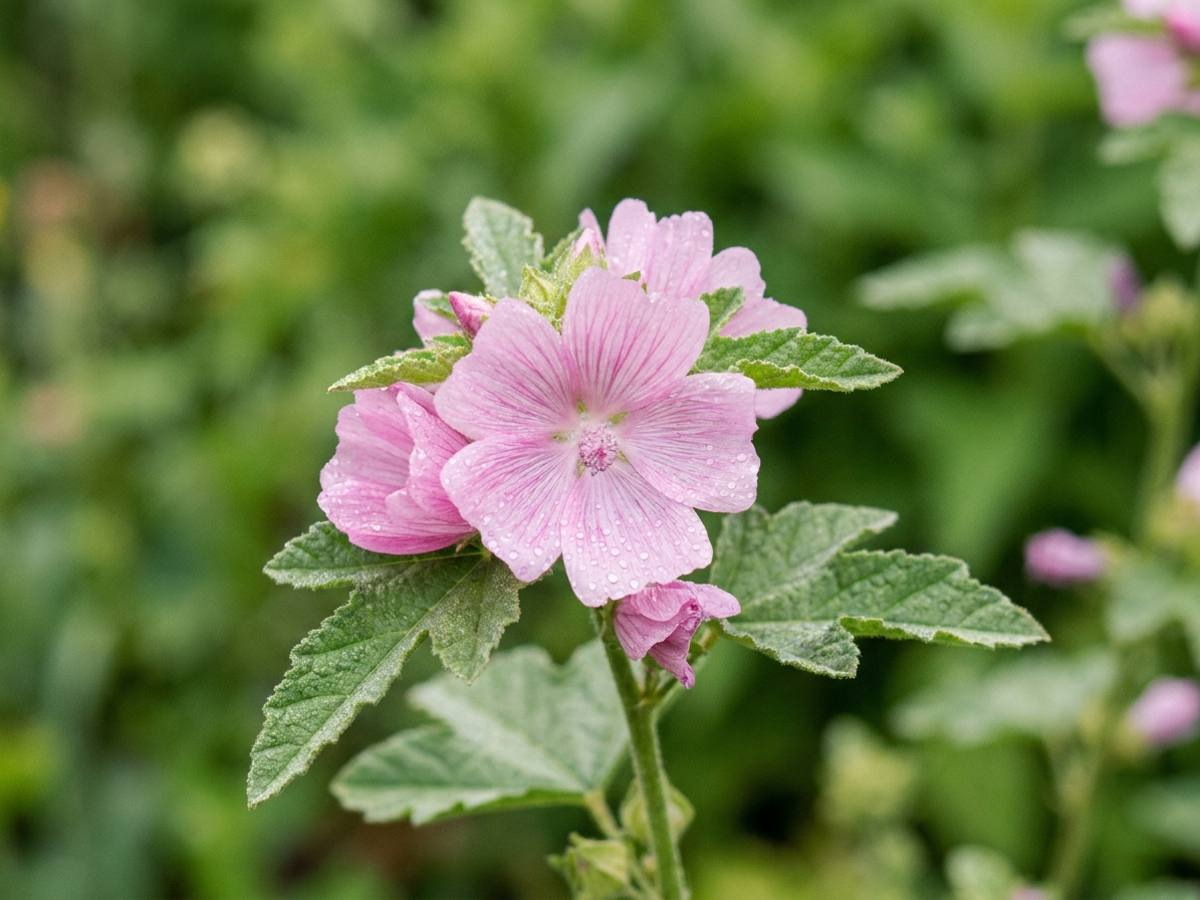
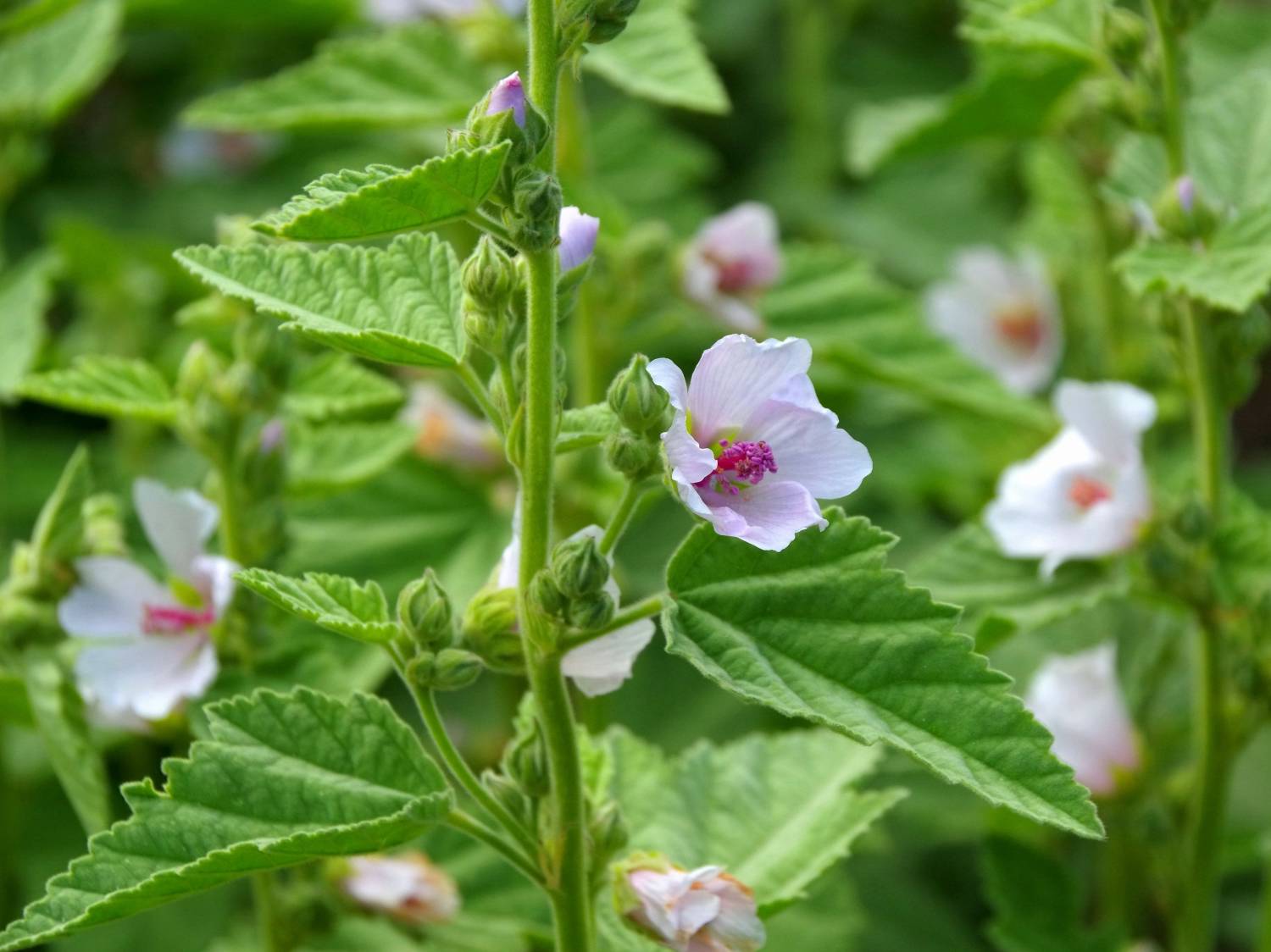
Slender spires of silky, saucer-shaped flowers in shades of pink give Sidalcea malviflora the look of a refined miniature hollyhock, without the bulk or the flopping. It is one of the most reliable mid-border perennials for a long summer display, blooming from early summer well into late summer if deadheaded. Its neat basal rosette of rounded, deeply lobed leaves stays tidy all season, making it as useful in a cottage scheme as it is in a naturalistic prairie planting.
Growing conditions
Sidalcea flowers most freely in full sun, ideally with at least six hours of direct light a day. In hotter, drier regions a little afternoon shade is welcome and helps the flower spikes last longer. In too much shade the stems stretch, lean and need staking.
Give it a fertile, humus-rich soil that holds moisture in summer yet drains freely in winter. A neutral to slightly acid pH suits it best, though it grows perfectly well on mildly alkaline ground. Heavy, waterlogged clay is the main killer — improve it generously with grit and garden compost before planting.
The plant is fully hardy across the British Isles and most of northern Europe, coping with temperatures down to about −20 °C. Coastal gardeners will find it tolerant of wind and salt-laden air, whilst those on very dry chalk should mulch annually to keep roots cool.
How to plant Sidalcea
Plant in spring, from March to May, so roots establish before flowering; early autumn planting also works well on lighter soils. Avoid planting into cold, sodden ground in midwinter.
Space plants 40–50 cm apart — close enough for the slim stems to support one another, far enough for air to circulate and discourage rust.
Set the crown level with the surrounding soil surface; burying it invites rot at the base.
Fork over the planting area and work in a bucketful of well-rotted compost or leaf mould per square metre, plus grit on heavy clay.
Water in thoroughly after planting and keep the soil evenly moist for the first six to eight weeks.
Propagate by dividing established clumps in spring, or take basal cuttings in April; named cultivars will not come true from seed.
Sidalcea malviflora growing in a naturalistic garden border
Care through the seasons
Spring: Fresh rosettes appear from March — protect them from slugs, which adore the tender new leaves. Apply a balanced general fertiliser or a mulch of compost around the crown as growth begins. Divide congested clumps now, every three or four years, to keep them vigorous.
Summer: Water deeply during dry spells, especially on sandy soil, as drought stress causes buds to abort and lower leaves to yellow. Cut the flowered spikes back to a healthy side shoot as soon as the top flowers fade to trigger a second, lighter flush. Tall cultivars in exposed positions benefit from discreet twiggy supports put in place by early June.
Autumn: Once flowering is finished, cut the whole plant back to the basal rosette, removing and binning any rust-spotted foliage rather than composting it. Autumn is a reasonable time to divide on free-draining soil, though spring is safer on clay. A light mulch of compost around — not over — the crown protects against hard frost.
Winter: The plant dies back to a low evergreen or semi-evergreen rosette and needs no protection in most gardens. Ensure water does not sit around the crown, as winter wet is far more damaging than cold.
Best varieties to grow
Most garden plants sold as Sidalcea malviflora are hybrids of it, chosen for stronger stems and richer colour.
‘Elsie Heugh’ — the classic, with soft mauve-pink flowers with prettily fringed petals; holds an RHS Award of Garden Merit and reaches about 90 cm.
‘Party Girl’ — vigorous and free-flowering, with deep rose-pink blooms on sturdy 90–120 cm stems, excellent for cutting.
‘William Smith’ — warm salmon-pink flowers on 90 cm spikes, superb with grasses and bronze-leaved companions.
‘Little Princess’ — a compact form at just 50–60 cm, with pale pink flowers, ideal for the front of a border or a windy site.
Pests, diseases and common problems
Hollyhock rust: Orange pustules on leaf undersides and yellow spots above, worst in humid summers. Remove affected leaves promptly, avoid overhead watering, space plants generously and clear all debris in autumn.
Slugs and snails: Ragged holes in the emerging spring rosette can wipe out young plants. Use wildlife-safe ferric phosphate pellets, beer traps or nematodes from March onwards.
Flopping or bare, leggy stems: Usually a sign of too much shade, over-rich feeding or drought at the roots. Move to a sunnier spot, feed only lightly and support tall cultivars early in the season.
🌿 Nature & Garden Newsletter
Gardening tips, recipes & seasonal advice, twice a week.