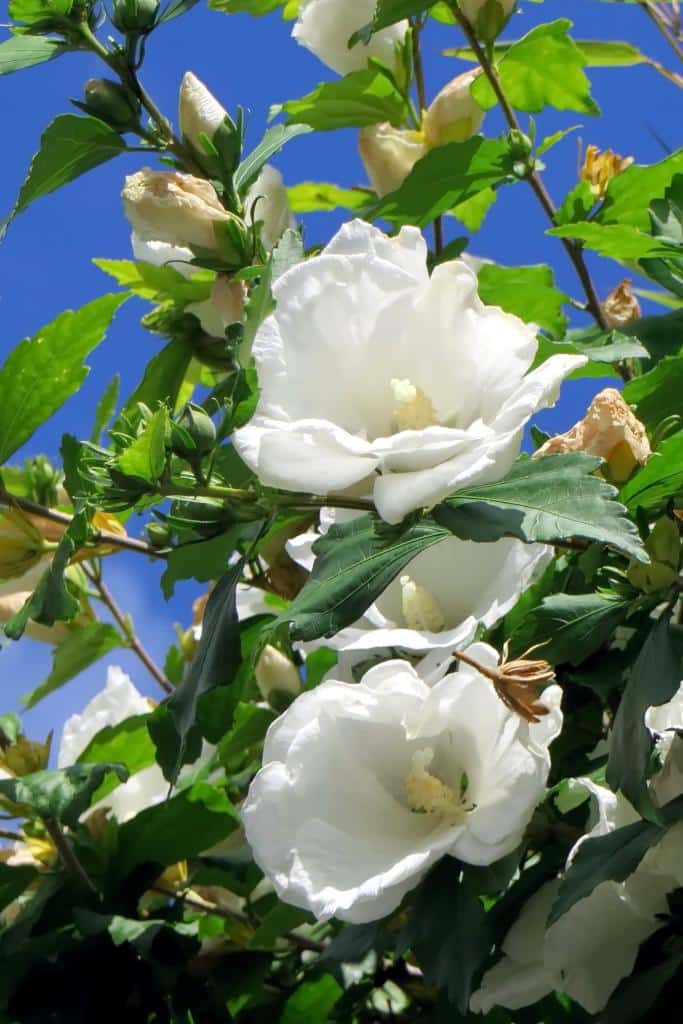
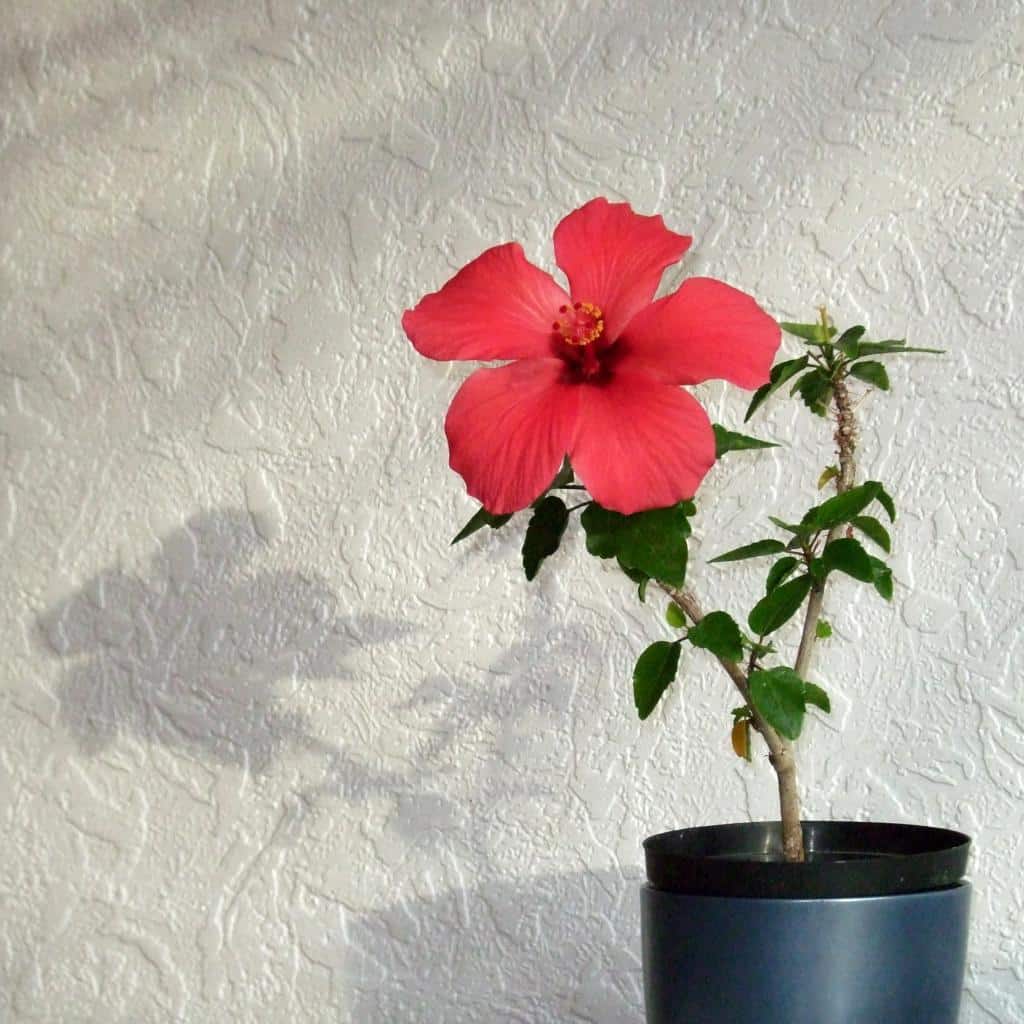
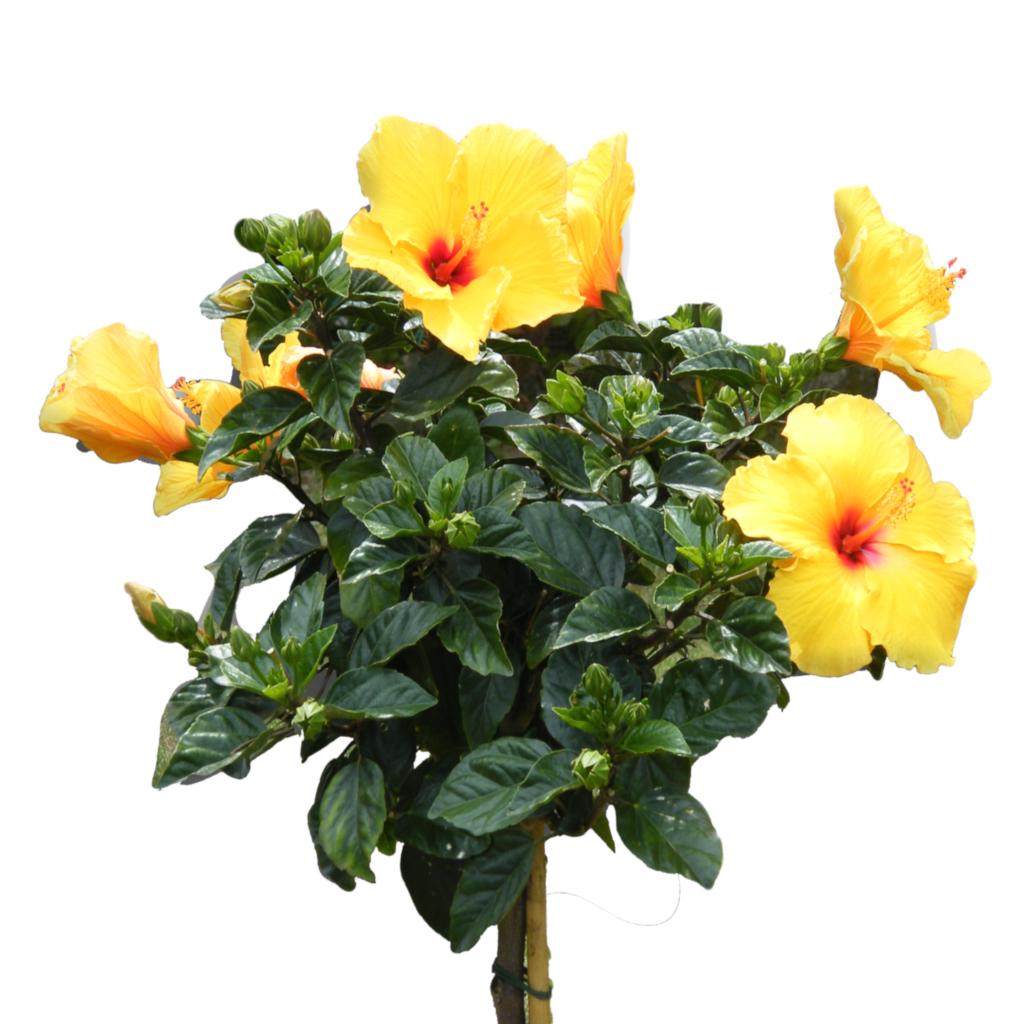
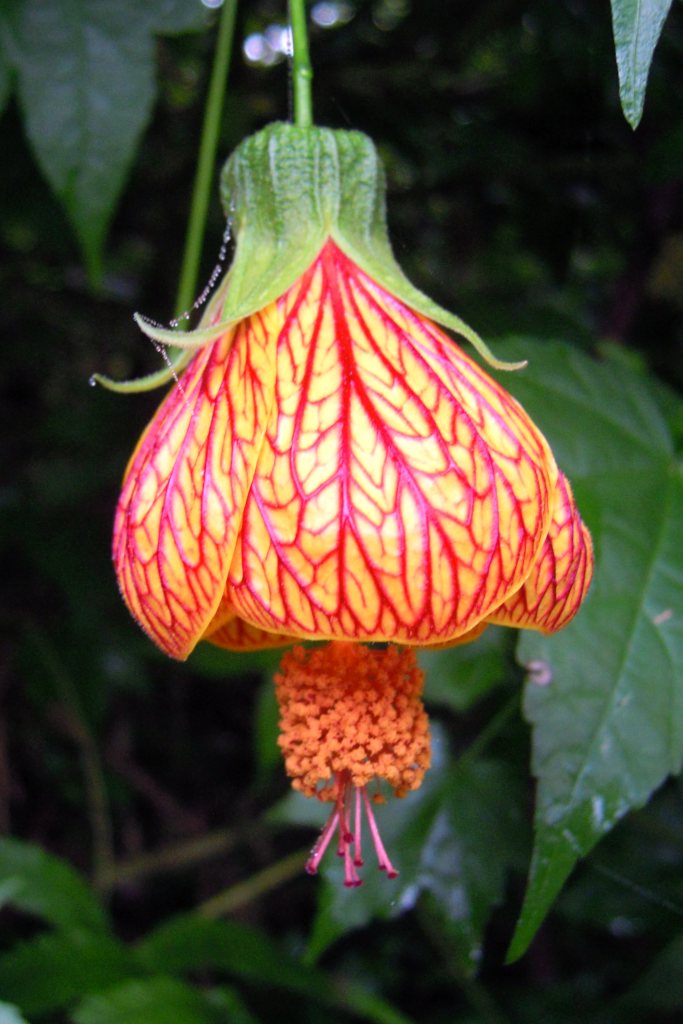
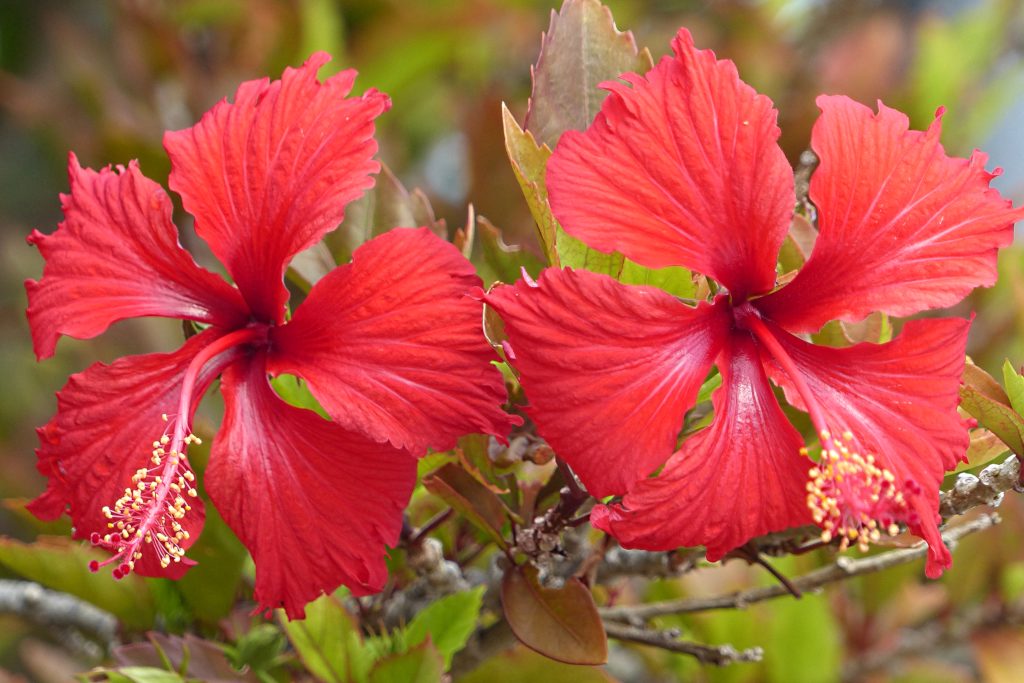
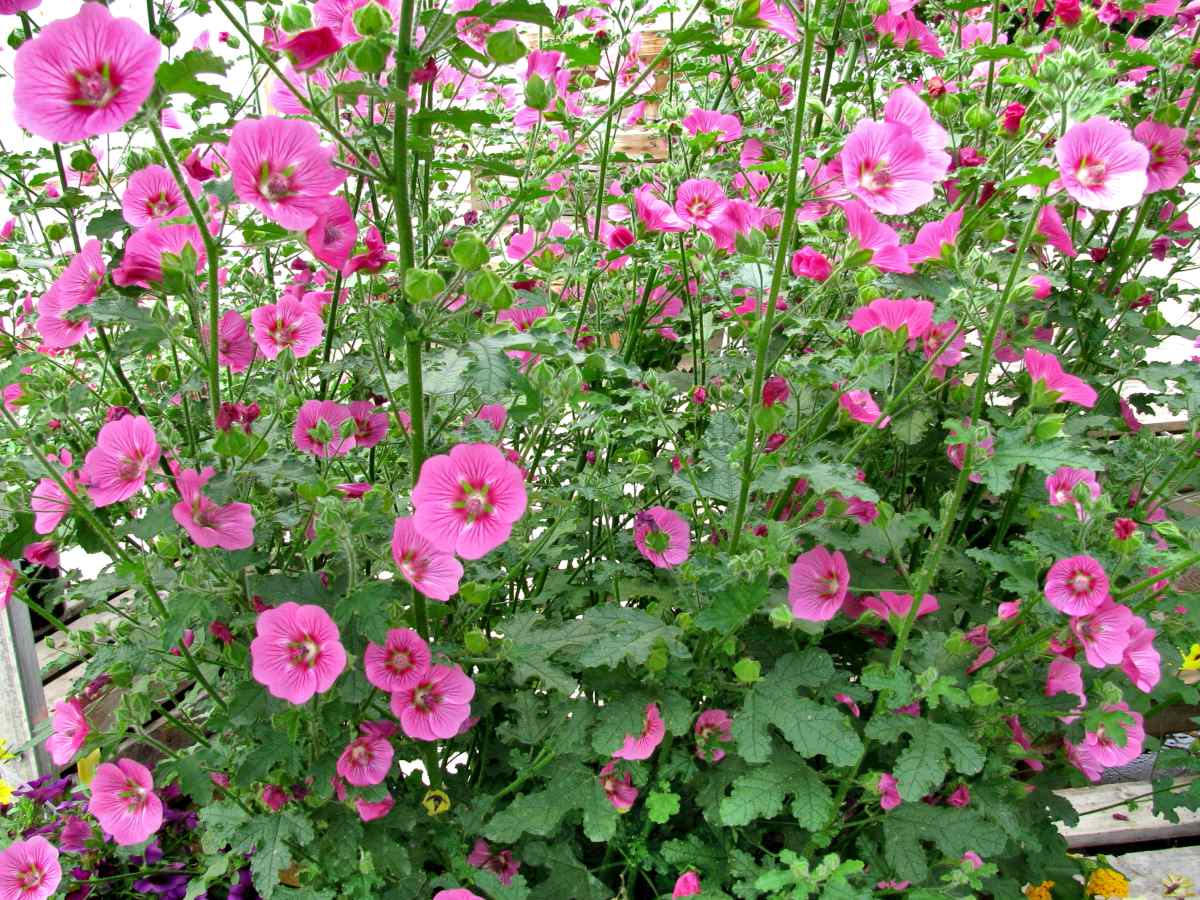
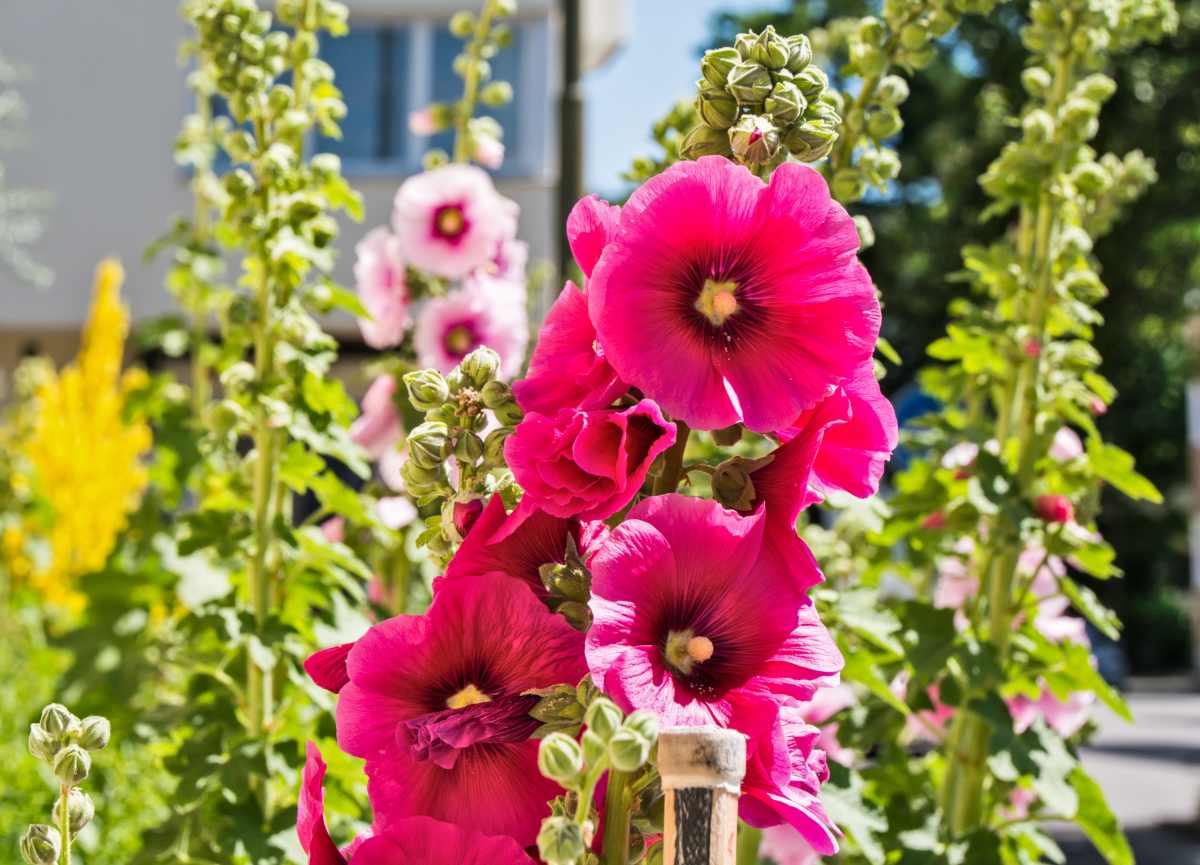
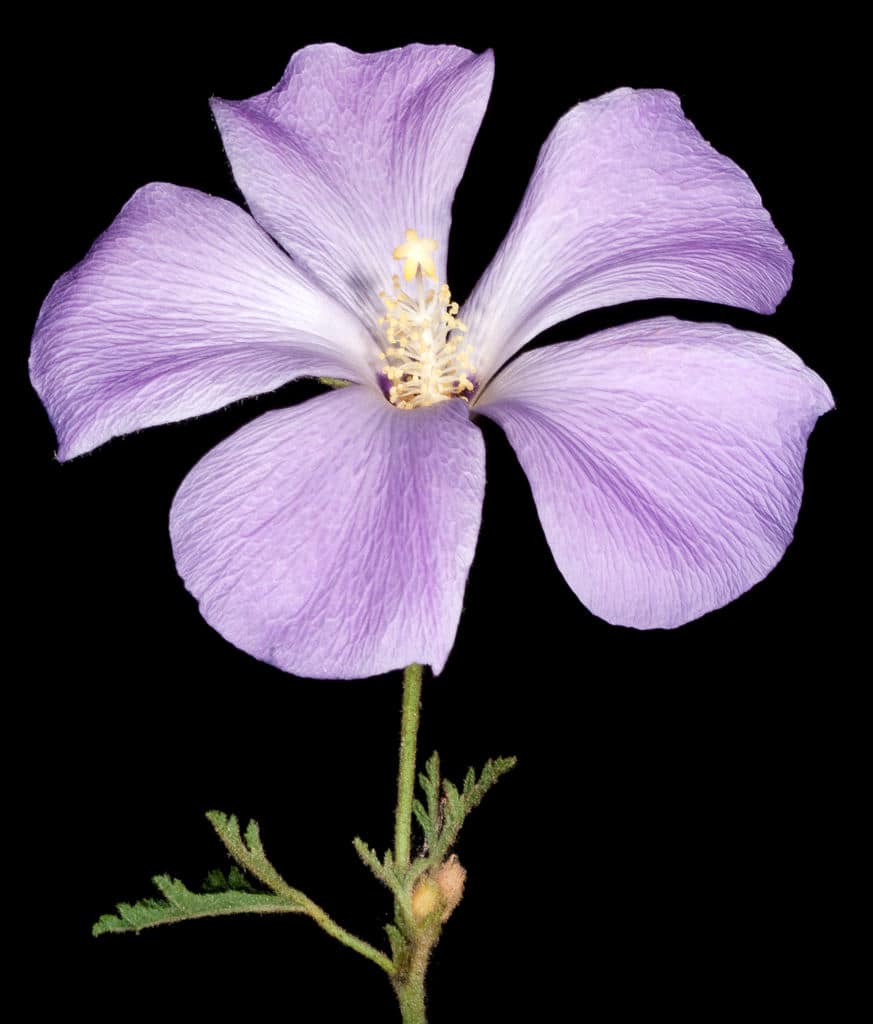
Magnificent flowers open in succession from early spring to late autumn above foliage that stays evergreen indoors, on a shrub that flowers best slightly tight in its pot. China rose (Hibiscus rosa sinensis) is the epitome of a flowering plant and very easy to care for — keep it above 40°F (5°C) and the blooms just keep coming.
Hibiscus at a glance
Name
Hibiscus rosa sinensis
Family
Malvaceae (mallow family)
Type
Indoor plant
Height
1 ⅓ to 5 feet (0.4 to 1.5 metres)
Exposure
Well-lit
Foliage
Evergreen if grown indoors
Flowering
early spring to late autumn
Practically the epitome of a flowering plant, hibiscus is very easy to care for, and the following advice helps ensure that the blooming period lasts as long as possible.
Here are all the tips and guidance to care for your hibiscus in the best possible manner.
Among Hibiscus rosa sinensis cultivars grown indoors, ‘Snow Queen’, ‘Brilliant’ and ‘Fiesta’ all flower in succession from early spring to late autumn above evergreen foliage, and all bloom best when kept slightly tight in their pots, so repot only into a slightly larger pot in early spring.
China rose flowers best slightly tight in its pot
If the hibiscus you have just purchased is already bearing flowers, do not re-pot the plant because this may disturb it.
China rose likes feeling a bit tight in its pot.
Repotting is generally performed in early spring, before plant growth resumes.
Choose a pot that is slightly larger than the previous one.
Ideally, prepare one part soil mix and one part heath.
Place at the bottom of the pot a bed of gravel or clay beads to ensure drainage.
Planting a hibiscus outdoors
A light early spring prune remodels the silhouette
If your climate zone allows for it, it is possible to transplant an indoor hibiscus outdoors. Hibiscus is not hardy and is vulnerable to freezing.
Indeed, a hibiscus cannot survive temperatures below 40°F (5°C) and can only make it through the winter in climates where it strictly never freezes.
If there is any risk of frost, then it is better to keep the plant in a pot. Doing so makes it possible to bring it indoors, for example in a greenhouse, for the winter months from mid-autumn to mid-spring or May.
Choose a sun-bathed area, sheltered from stronger winds.
Plant your China rose in a mix of garden soil, soil mix and heath.
Your hibiscus will be all the more beautiful and full of flowers if you prune it at the beginning of spring.
Prune lightly, focus on remodeling the silhouette delicately in early spring.
During the growth phase, add flower plant fertilizer to spur vegetation and ensure that your China roses will bloom spectacularly.
Hibiscus blooms on current-season growth, so pruning in late winter or early spring, before growth resumes, encourages the new shoots that will carry the season’s buds; pruning while the plant is flowering sacrifices the developing blooms on the removed wood.
Make each cut just above an outward-facing bud with clean, sharp secateurs, so that new shoots grow away from the centre and the plant keeps an open, well-lit framework.
A widely recommended practice is to apply liquid flowering-plant fertiliser about every two weeks during active growth and to withhold feeding during dormancy, since repeated fertilising can leave salt residues in potting mix.
Watering hibiscus
Watering hibiscus in spring and summer
This is the growth period, and water needs are the highest. It is nonetheless crucial to not drown roots and let the ground dry up before watering again.
Watering once or twice a week should be enough.
Watering hibiscus in fall and winter
When your hibiscus has entered dormancy, start reducing water input to match ambient temperatures.
The cooler it is, the less water a plant needs.
Empty the saucer or cachepot soon after watering a hibiscus: the plant likes consistently moist soil, but prolonged standing water limits oxygen at the roots and can, over time, contribute to root rot.
Before watering, push a finger into the soil to judge how far down it has dried, and water according to the depth of dryness each particular plant tolerates rather than on a fixed schedule.
Water potted tropical hibiscus (Hibiscus rosa-sinensis) with room-temperature rainwater or other soft water, since hard tap water gradually deposits lime in the compost; hardy garden hibiscus generally cope with hard water without trouble.
A flowering hibiscus in a small pot or strong sun dries out much faster, so check the compost more often in a heatwave and water thoroughly each time, until water drains from the base.
Reading the symptoms: what your hibiscus is telling you
Most hibiscus troubles show up on the leaves or the buds long before the plant is in real danger. Match what you can see to the likely cause below, then act.
Reading the symptoms: what your hibiscus is telling you
Symptom
Likely cause
What to do
Leaves wither and turn inside-out
Excess heat or sun too strong
Stand the pot briefly in a basin of soft, non-hard water, then drain it
Leaves sticky and pasty, small insects on them
Aphids
Treat the plant against aphids
White cottony felt on the leaves
Scale insects
Treat the plant against scale insects
Leaves drop off suddenly
Too much water
Wait until the soil surface is dry before watering, and avoid cold draughts
Flower buds fall before opening
Air too dry
Move the plant away from radiators and set the pot on wet gravel or clay pebbles
Correct the growing conditions first: in most cases the plant recovers without any treatment.
Diseases and parasites attacking hibiscus
Hibiscus leaves wither and leaves turn themselves inside-out:
This is often due to excess heat or exposure to the sun is too strong.
It may help to place the pot in a basin of soft or non-hard water for a short while and then drain it out.
Leaves are sticky and pasty and little insects invade leaves:
This is connected to excess water. Wait until soil surface is dry before watering again.
Avoid cold breezes or sudden changes in temperature.
Flower buds fall off before blooming:
This is often related to excessive air dryness.
Avoid setting the plant near a radiator or an overly exposed window.
Place the pot on a bed of gravel or clay pebbles doused in water.
Smart tip about hibiscus
To boost flower-bearing, remove wilted flowers regularly (deadheading).
Written by Gaspard Lorthiois | Loves helping out, especially when it comes to growing things. Worked in herbal medicine, runs a farm, and dabbles in tech. Master's degree and engineer.